
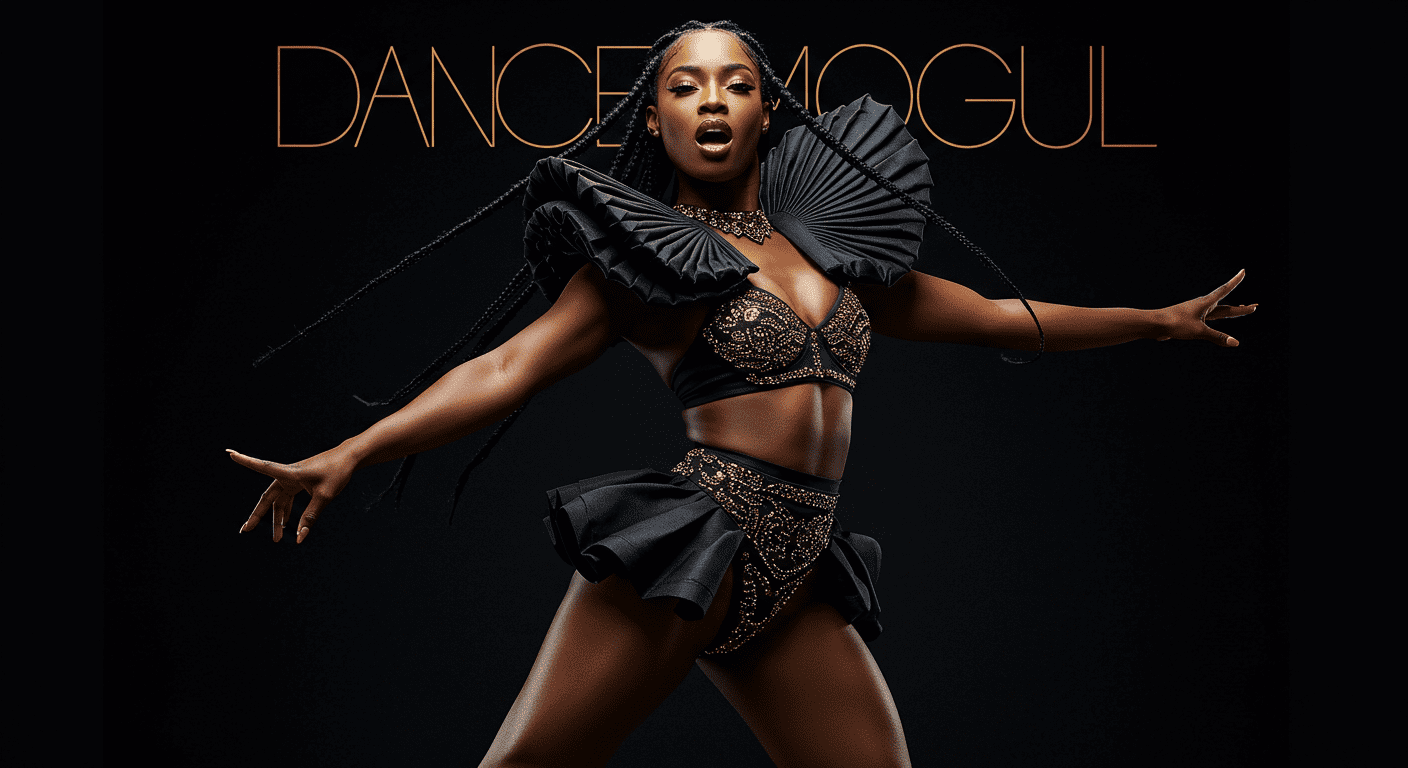
Black dance is not a genre. It is the root system of human movement itself — a living, breathing archive of survival, spirituality, resistance, joy, and identity that stretches back to the very beginning of civilization. Long before concert halls, competitions, and cameras, Black dance was how communities communicated with the divine, processed grief, celebrated harvests, and passed culture from one generation to the next.
At Dance Mogul Magazine — the first Black-owned dance publication in print and digital — we believe the full story of Black dance deserves to be told completely, not in fragments. This is that story.
The Origin: Africa and the Sacred Roots of Movement
The story of Black dance begins on the African continent, where movement was never separate from life. In ancient Egypt, Nubia, Mali, Ghana, and across sub-Saharan Africa, dance was sacred technology — a way of speaking to ancestors, honoring gods, marking transitions, and binding communities together. Egyptian temple carvings dating back over 4,000 years show dancers in ritual ceremonies. Griots in West African traditions used movement alongside storytelling to preserve history across generations without written language.
These were not performances for audiences. They were living documents. Every step carried meaning. Every rhythm encoded memory. The polyrhythmic foundations of African drumming — complex, layered, call-and-response — gave Black dance its defining characteristic: the body in direct conversation with the beat.
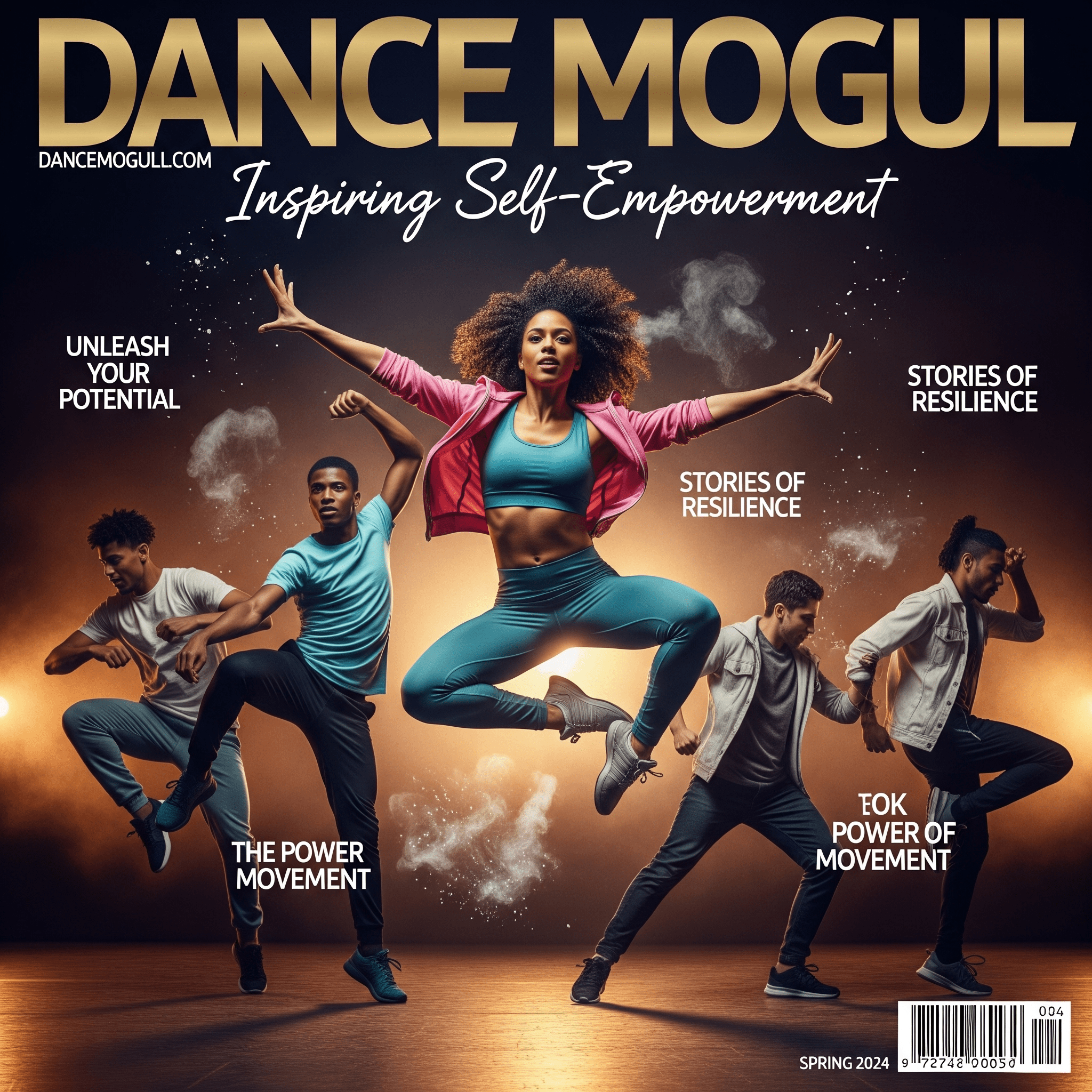
The Middle Passage and the Preservation of Identity
When enslaved Africans were brought to the Americas through the transatlantic slave trade, they carried no possessions. But they carried movement. Dance became the most powerful act of cultural preservation in human history — performed under the most brutal conditions imaginable.
In the Americas, enslaved people maintained African dance traditions despite systematic efforts to strip them of their culture. Ring Shouts — circular, shuffling movement ceremonies — blended African spiritual practice with the Christian settings forced upon enslaved communities. Juba, a competitive percussive dance using hand-clapping and body-patting, emerged as a direct response to slave owners banning drums. Where instruments were taken, the body became the instrument.
This is the moment that defines everything that follows. Black dance did not survive the Middle Passage by accident — it survived through intention, creativity, and an unbreakable commitment to humanity in the face of dehumanization.
From Minstrelsy to Mastery: Black Dance in America
In post-Civil War America, Black dance entered the public stage — though rarely on fair terms. Minstrel shows appropriated and caricatured Black movement for white audiences while Black performers fought for recognition and dignity. Yet even within these constrained spaces, artists like Bill “Bojangles” Robinson elevated tap dancing into a refined art form, demonstrating virtuosity that demanded respect regardless of the racist framework surrounding it.
The Harlem Renaissance of the 1920s changed everything. At clubs like the Savoy Ballroom, Black dancers invented the Lindy Hop — a joyful, acrobatic partner dance born from jazz rhythms that would spread across the world and eventually evolve into the foundation of swing dancing globally. Black creativity, as it always has, became everyone’s culture without credit.
Katherine Dunham, a dancer, choreographer, and anthropologist, spent decades traveling the African Diaspora documenting movement traditions in Haiti, Jamaica, Trinidad, and Brazil. She built a technique — Dunham Technique — that formalized the African roots of Black dance into an academic discipline, bridging the gap between ancestral tradition and concert dance. Pearl Primus used dance as direct political commentary, choreographing work about lynching and sharecropping that brought the realities of Black American life onto the stage.
The Civil Rights Era: Dance as Protest
As the Civil Rights Movement reshaped America in the 1950s and 60s, Black dance became protest. Alvin Ailey founded his American Dance Theater in 1958 with a mission to honor the African American cultural experience. His masterwork, Revelations, choreographed in 1960, used Black spirituals and blues music to trace the journey from slavery to freedom through movement. It remains one of the most performed ballets in history — a testament to the universal power of a specifically Black story.
On the streets of Los Angeles, Don Campbellock Campbell invented Locking in the late 1960s — a style built on funky freezes, precise arm movements, and pure improvisational joy. Locking spread through Soul Train, the television program that became the most important stage for Black dance culture in America, broadcasting movement from the community directly into living rooms worldwide.
Hip-Hop: The Most Influential Dance Movement in Human History
In the South Bronx in the early 1970s, a new culture was born from the ashes of a burning borough. Hip-hop — encompassing DJing, MCing, graffiti art, and breaking — became the most globally influential artistic movement of the 20th century. BBboying and BGirling, born in the Bronx block parties of Afrika Bambaataa and DJ Kool Herc, created a physical language of power, creativity, and competition that spread from New York to Tokyo, São Paulo to Lagos.
Alongside breaking, street dancers in Los Angeles were developing Popping, Locking, and Waacking — styles rooted in Black and Latino communities that transformed television through Soul Train and music videos, and eventually birthed the entire commercial dance industry as we know it today. Every choreographer working in music videos, film, and television stands on the foundation these pioneers built.
Black street dance did not stay in the streets — it became the language of global pop culture. Michael Jackson, trained in the traditions of James Brown and the Godfather of Soul’s own Black dance lineage, brought Popping and Moonwalking to the largest stages on earth. His movements — rooted in Black tradition — were watched by more human beings simultaneously than any performance in history.
The Global Stage: Black Dance in the 21st Century
In 2024, Breaking made its Olympic debut in Paris — a moment decades in the making that placed Black street dance culture on the ultimate global stage. American B-boys and B-girls competed representing a tradition born in the South Bronx, now recognized by the International Olympic Committee as a sport and art form worthy of the world’s most prestigious athletic event.
Voguing, born in the Black and Latino ballroom scene of Harlem in the 1970s and 80s, has experienced a global renaissance through mainstream media and social platforms. A style created as an act of survival and self-expression by LGBTQ+ Black and Brown communities is now performed on runways, in arenas, and studied in universities worldwide.
In every corner of the dance world — from Alvin Ailey American Dance Theater to the stages of Broadway, from music video sets to competitive arenas — Black dance is not an influence. It is the foundation.
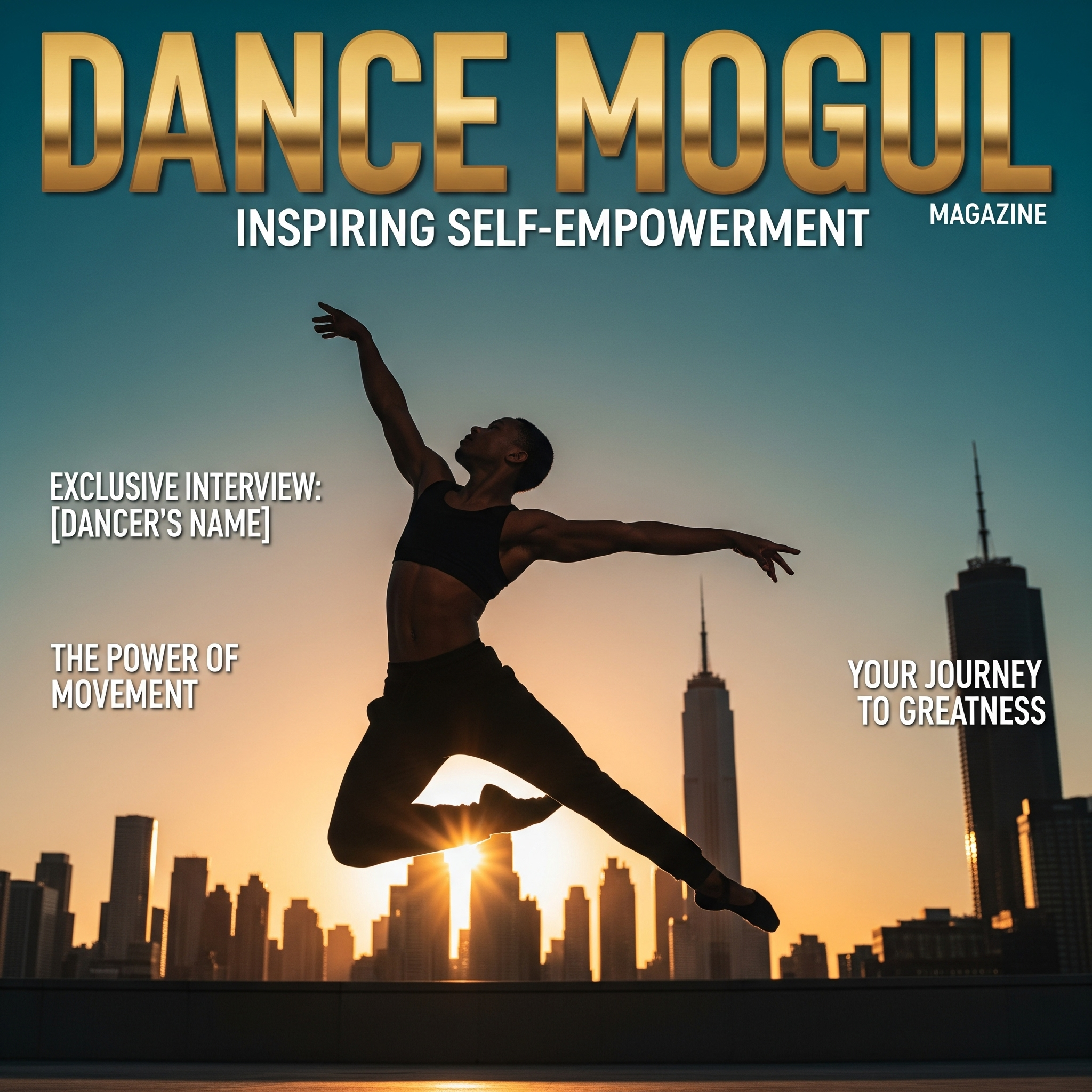
Dance Mogul Magazine: Documenting the Tradition
Since 2010, Dance Mogul Magazine has been the only Black-owned publication dedicated to documenting this history as it continues to unfold. We have sat with the pioneers — Don Campbellock Campbell, Shabba-Doo, Debbie Allen, Frank Gatson Jr., Alicia Graf Mack — and given them the platform their contributions demand. We have covered BBboying at the Olympics, street dance on Broadway, and ballet through a lens that honors the Black dancers who broke barriers in every studio and stage they entered.
Black dance has contributed to humanity since the beginning of time — not as a footnote in cultural history, but as the main story. The rhythms, the movements, the styles that define global popular culture were born in Africa, preserved through the Middle Passage, developed in the streets and churches of America, and shared with the world by Black artists who gave everything they had to the culture.
That culture deserves documentation. That history deserves a publication. That is why Dance Mogul Magazine exists — and why we will keep telling this story as long as there are dancers still writing it.
Dance Mogul Magazine is the first Black-owned dance publication in print and digital, founded in 2010. Follow us on Instagram @dance_mogul_magazine and visit dancemogul.com for exclusive interviews, industry coverage, and dance culture content.