
Health & Empowerment Series
Your Gut Is Depressed Too
The gut-brain connection is one of the most exciting frontiers in depression research -- and what you eat is at the center of it.
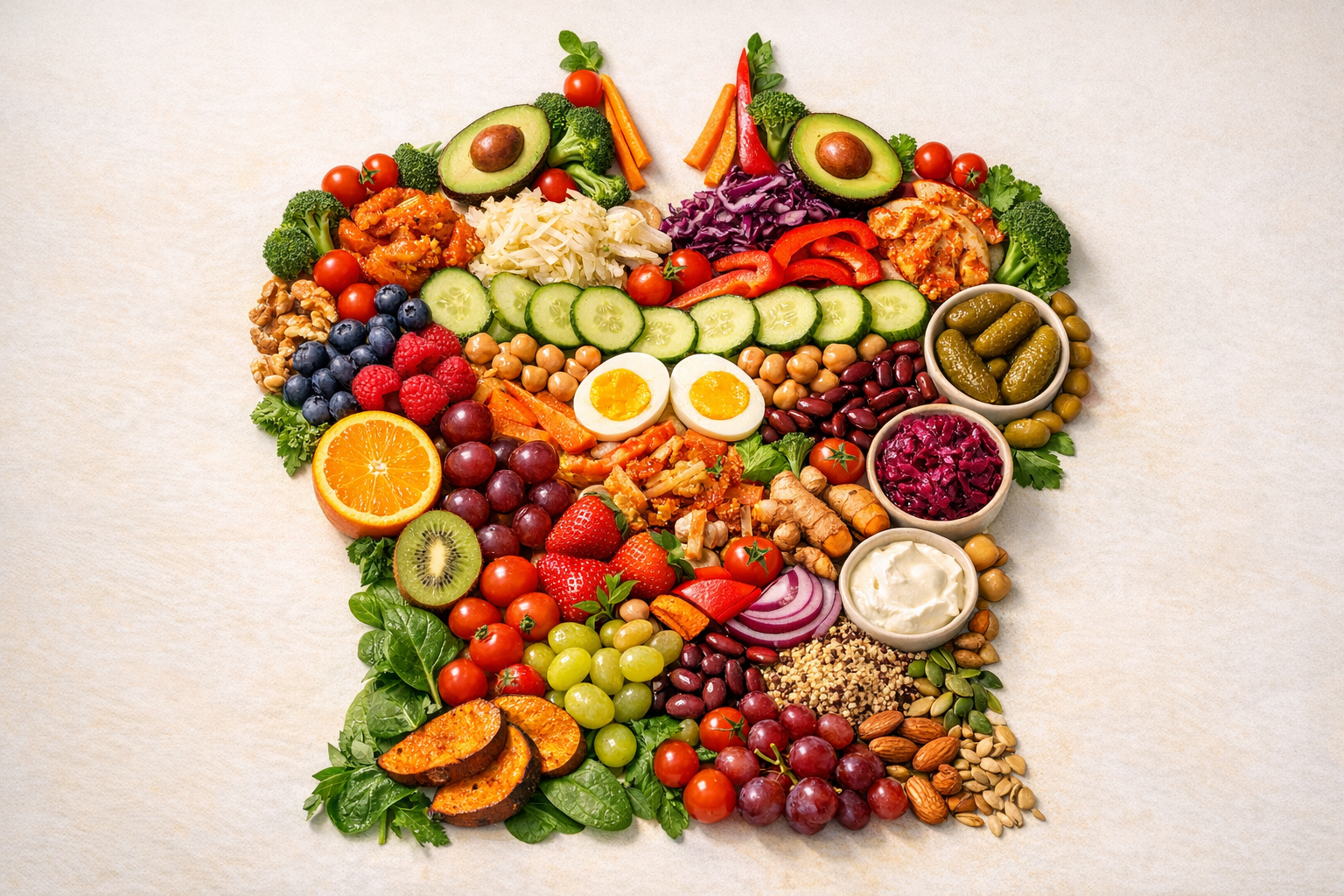
The Second Brain -- What Your Gut Is Really Doing
Your gut contains approximately 100 million neurons -- more than your spinal cord. It produces roughly 90% of the body's serotonin. It communicates with the brain through the vagus nerve in a continuous, bidirectional conversation that scientists are only beginning to fully understand. The gut is not a passive digestive organ. It is an active participant in your mental health -- and when it is out of balance, your mood often follows.
The Gut-Brain Axis and Depression
The gut-brain axis is the biological highway that connects your digestive system, your immune system, and your brain. Research has identified several mechanisms by which gut health directly influences depression: inflammation pathways, oxidative stress, BDNF production, tryptophan and serotonin metabolism, and the composition of the gut microbiome itself. When gut bacteria are disrupted -- by processed food, chronic stress, or antibiotic overuse -- the brain loses critical neurochemical support.
90% of serotonin is produced in the gut. What you eat is literally making the chemicals your brain uses to regulate mood.
What the Research on Diet and Depression Reveals
A 2024 umbrella review covering 190 experiments found that exercise and dietary change produce overlapping mental health benefits through shared gut-brain mechanisms. Studies of Mediterranean diet interventions consistently showed that improvements in gut health and reductions in systemic inflammation co-occurred with reductions in depressive symptoms. The gut is not a side story in depression research -- it is increasingly central to it.
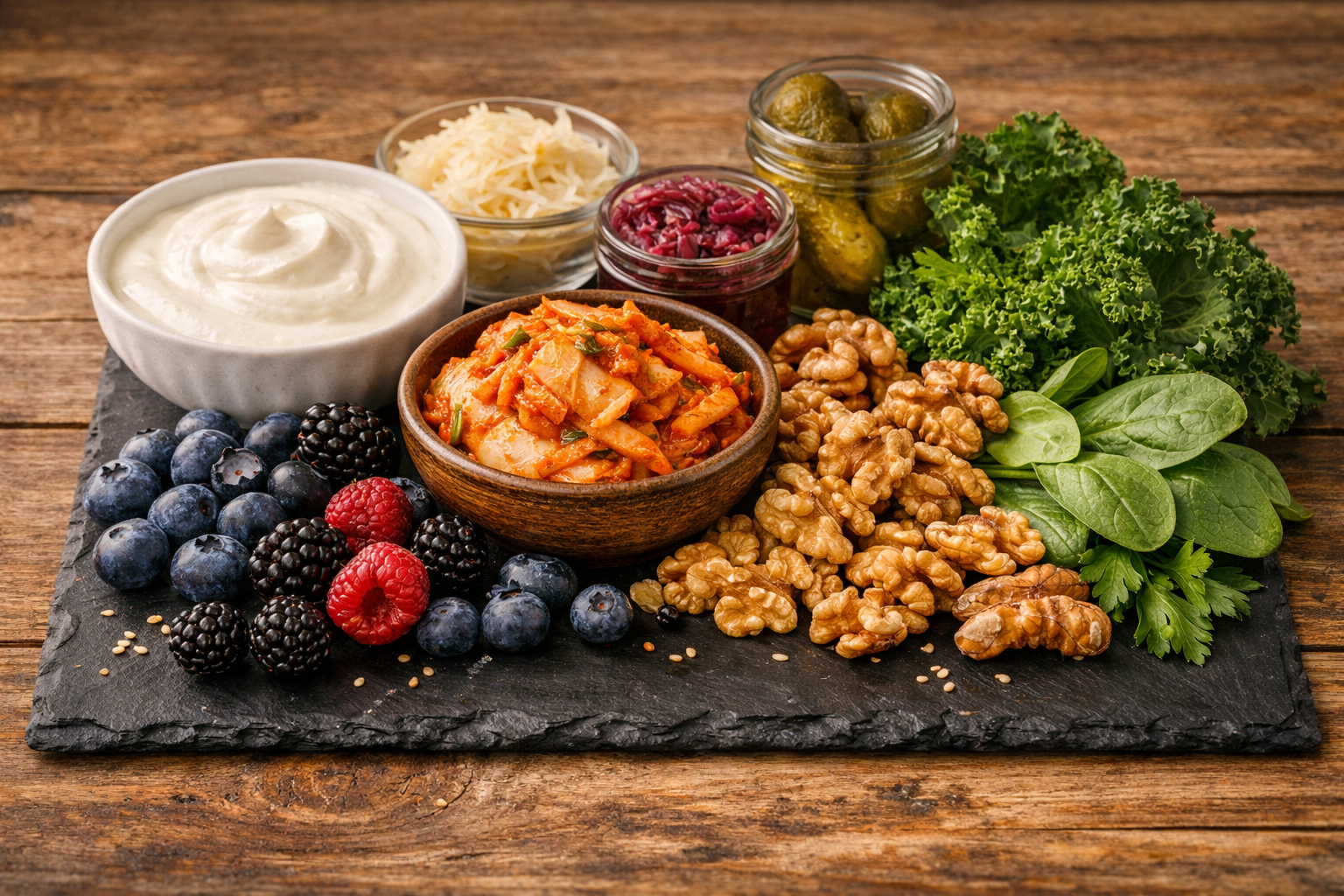
Psychobiotics -- The Emerging Frontier
A psychobiotic is a specific probiotic or prebiotic that, when consumed in adequate amounts, produces measurable mental health benefits. Research has identified bacterial strains including Lactobacillus rhamnosus and Bifidobacterium longum with documented anxiolytic and antidepressant effects. This is published peer-reviewed science, and it is being incorporated into clinical trial designs alongside pharmaceutical interventions.
How to Feed Your Gut for Mental Health
The dietary prescription for gut-brain health overlaps precisely with what the Mediterranean diet delivers: diverse plant fiber to feed beneficial bacteria, fermented foods like yogurt and kimchi to introduce beneficial strains, omega-3 fatty acids from oily fish and walnuts to reduce neuroinflammation, and polyphenols from dark fruits and vegetables to protect neurons and support microbiome diversity. The gut is not separate from your mental health treatment. It is central to it.
More From This Series
- Why Dance Is Medicine
- What Doctors Are Now Prescribing Instead of Pills
- Treatment-Resistant Depression -- And the Dance Floor That Helped
- Your Body Knows Before Your Brain Does
- Bachata Saved My Life
- Why 12 Weeks on the Dance Floor Changes Everything
- What You Eat Is Talking to Your Brain
- Go Outside. It's Medicine.
- The Dancer's Prescription: Move, Eat, Shine
- Why Men Won't Ask for Help (And What Actually Works)
- The 12-Week Reset
© 2026 Dance Mogul Magazine LLC | dancemogul.com | Inspiring Self-Empowerment Through Dance Culture