
Health & Empowerment Series | Fitness & Movement
Breathwork for Dancers: Strengthen Stamina, Stabilize the Core, and Activate Recovery
From Indian Pranayama to Japanese martial arts breathing — how conscious breath control builds the invisible foundation beneath every movement a dancer makes.
By Dance Mogul Magazine | Health & Empowerment Series | Fitness Series — Article 3 of 10
Why Breathwork for Dancers Matters
Breath is the most fundamental movement the body makes. Before the first step, before the first gesture, before any dance begins, there is breath. It is the rhythm beneath all other rhythms — the one pulse that never stops from the moment of birth until the final curtain. And yet, in most dance training programs around the world, breath is treated as an afterthought. Dancers are taught to move their limbs with extraordinary precision but are rarely taught to breathe with the same intentionality.
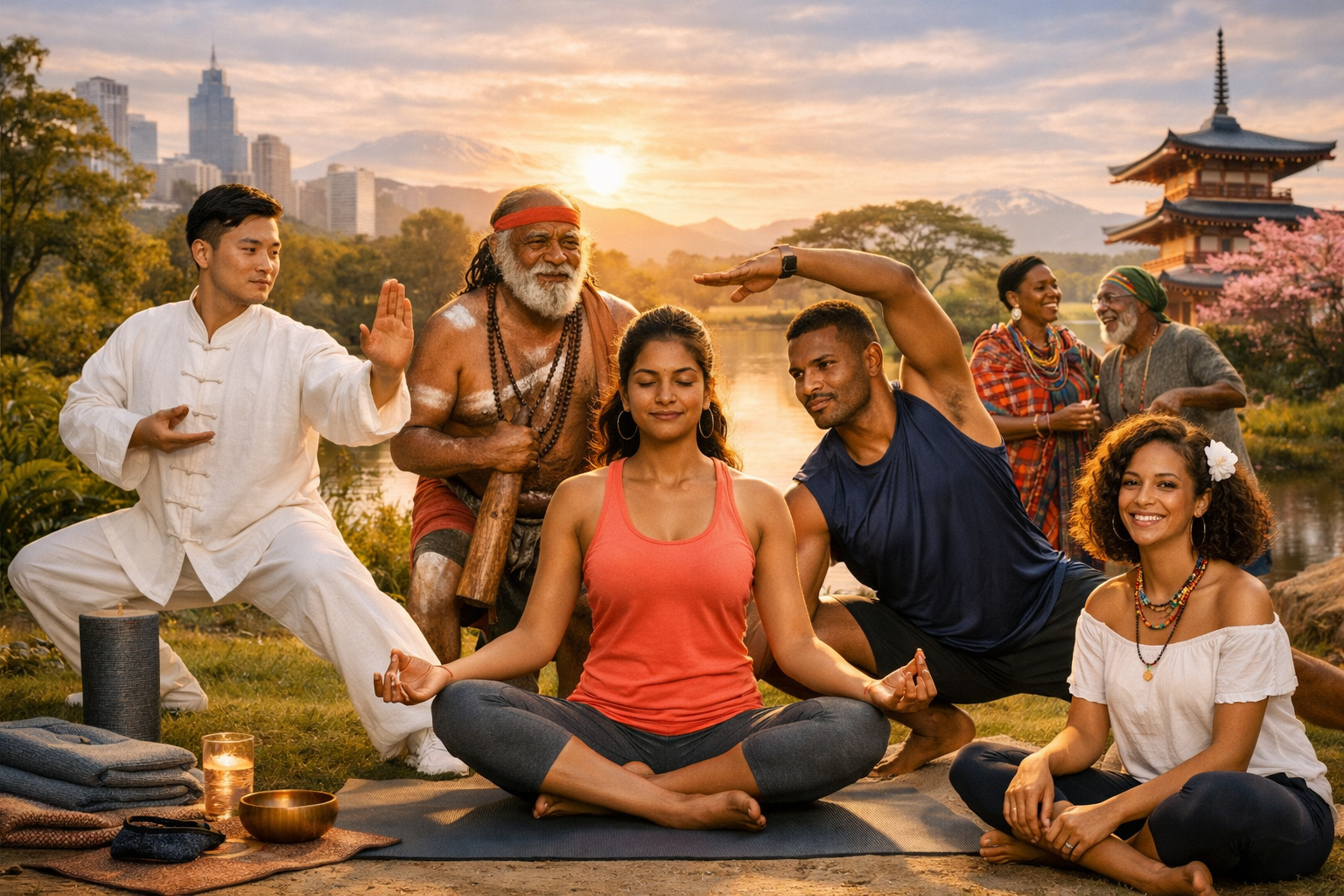
Breathwork changes that. It is the conscious practice of controlling the breath — its depth, its speed, its rhythm, and its relationship to movement. Every culture that has developed a sophisticated understanding of the body has also developed a sophisticated understanding of breath. In India, the yogic system of Pranayama catalogued dozens of breathing techniques more than 2,500 years ago. In Japan, martial arts traditions built entire fighting systems around the concept of kokyu — breath power. In China, Qigong practitioners used rhythmic breathing to cultivate internal energy. In West Africa and across the Pacific Islands, breath was woven into ceremonial dance and vocal traditions that connected the body to the spirit.
Modern respiratory science now validates what these traditions understood intuitively: how you breathe determines how you perform, how you recover, and how your nervous system responds to stress. For dancers, this is not supplementary knowledge. It is foundational.
The Healing Benefits of Breathwork
Increased Respiratory Capacity. A 2019 study in the Journal of Clinical and Diagnostic Research found that Pranayama practice significantly improved forced vital capacity and peak expiratory flow rate. For dancers, this means more air available for longer phrases, faster oxygen delivery to working muscles, and reduced breathlessness during demanding choreography.
Core Stabilization. The diaphragm is not just a breathing muscle — it is the roof of the core. Research published in the Journal of Orthopaedic and Sports Physical Therapy demonstrated that diaphragmatic breathing activates the deep core stabilizers (transversus abdominis, pelvic floor, multifidus) more effectively than traditional core exercises alone. Dancers who breathe correctly from the diaphragm build a stronger, more responsive center of support for every movement.
Nervous System Regulation. The breath is the only autonomic function that can be consciously controlled. Slow, deep exhalation activates the vagus nerve and shifts the nervous system from sympathetic (fight-or-flight) to parasympathetic (rest-and-recover) dominance. A 2017 study in Frontiers in Human Neuroscience confirmed that slow breathing practices reduce cortisol levels and improve heart rate variability — a key marker of physiological resilience.
Pain Management. Controlled breathing techniques have been shown to modulate pain perception. A study in the Journal of Pain found that slow, deep breathing reduced both the intensity and unpleasantness of experimental pain. For dancers working through minor discomfort in rehearsal or managing chronic conditions, breathwork offers a non-pharmacological tool for staying present and functional.
Enhanced Recovery. Post-exercise breathing protocols accelerate the return to baseline heart rate and promote parasympathetic recovery. This means faster recovery between pieces in a show, shorter cool-down periods after intense rehearsals, and better sleep quality on performance nights.
A Weekly Breathwork Plan for Dancers
This plan introduces five distinct breathing practices across the week. Each session is 10 to 20 minutes. The techniques progress from foundational to advanced, and all can be practiced at home with no equipment.
Monday — Diaphragmatic Breathing (10 minutes). Lie on your back with one hand on your chest and one on your belly. Breathe in through the nose, directing the breath into the belly so the lower hand rises while the upper hand stays still. Exhale slowly through the mouth. This retrains the primary breathing pattern and activates the deep core. Practice for 10 minutes, aiming for six to eight breath cycles per minute.
Tuesday — Box Breathing (12 minutes). Inhale for four counts, hold for four counts, exhale for four counts, hold for four counts. Repeat. This technique, used by military special forces and elite athletes, builds breath control, calms the nervous system, and improves focus. It is especially useful before auditions or performances.
Wednesday — Kapalabhati (Skull-Shining Breath, 10 minutes). Sit upright. Perform rapid, forceful exhales through the nose while allowing passive inhales. Start with rounds of 20 breaths and build to 40. This Pranayama technique energizes the body, clears the mind, and strengthens the abdominal muscles. It is an ideal warm-up breath before morning class.
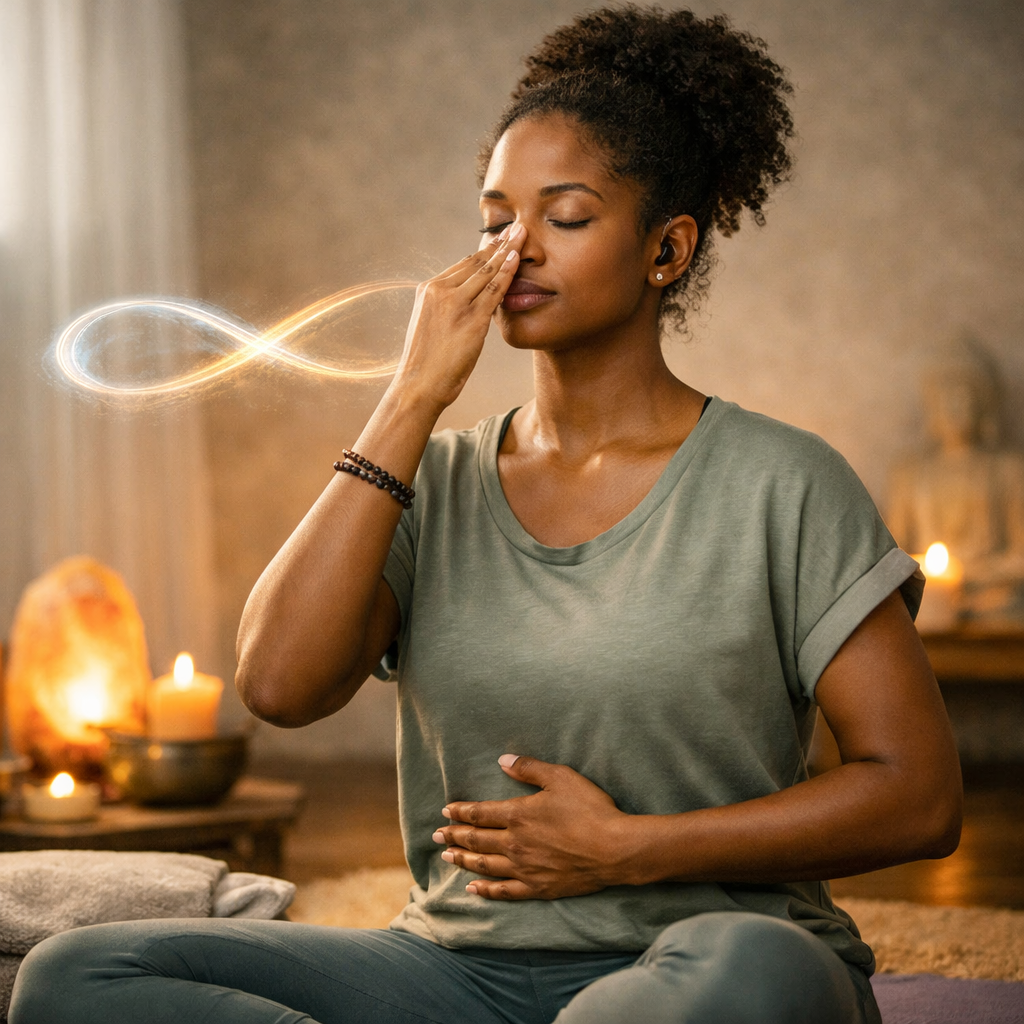
Thursday — Alternate Nostril Breathing (Nadi Shodhana, 15 minutes). Using the right hand, close the right nostril and inhale through the left. Close the left nostril and exhale through the right. Inhale through the right, close, and exhale through the left. This ancient yogic technique balances the left and right hemispheres of the brain, calms the mind, and reduces anxiety. Practiced before choreographic sessions, it enhances creative flow.
Friday — Extended Exhale Recovery (10 minutes). Inhale for four counts and exhale for eight counts. The extended exhale maximally activates the parasympathetic nervous system, promoting deep relaxation and recovery. This is the ideal practice for Friday evening after a full week of training, preparing the body for restorative sleep.
Weekly Focus Summary
Monday: Diaphragmatic Breathing — Core activation
Tuesday: Box Breathing — Focus and calm
Wednesday: Kapalabhati — Energy and abdominal strength
Thursday: Alternate Nostril — Brain balance and creativity
Friday: Extended Exhale — Deep recovery
Why Breathwork Works for Dancers
Dance requires the seamless coordination of breath and movement. A dancer who breathes shallowly fatigues faster, holds unnecessary tension, and loses the fluid quality that distinguishes artistry from athleticism. A dancer who breathes consciously moves with greater ease, recovers between phrases more quickly, and maintains composure under the pressure of live performance.
Breathwork also builds the invisible architecture of the core. The diaphragm, the pelvic floor, and the deep abdominal muscles work together as a pressure system that supports the spine during every jump, turn, and lift. When breath is shallow or erratic, this system collapses. When breath is deep and controlled, the core becomes a stable platform from which all movement can flow.
“The breath is the one rhythm every dancer shares. It does not depend on the music, the choreographer, or the style. It is yours. Learn to use it.”
How to Get Started
Begin with diaphragmatic breathing. It is the foundation of every other technique in this plan and the single most important breathing correction most dancers can make. Practice it for five minutes before class for one week before adding any other technique. A quiet room, a comfortable surface, and your own awareness are all that is needed.
If you experience dizziness or lightheadedness during any breathing practice, return to your natural breath and rest. This is common with techniques like Kapalabhati and typically resolves with gradual progression. Never force the breath beyond what feels manageable. The goal is control, not strain.
A Practice Worth Celebrating
Breathwork is one of the few practices that belongs to every culture on earth. Indian yogis mapped it. Japanese warriors built fighting systems around it. West African drummers and singers wove it into ceremonial expression. Chinese healers channeled it into medicine. And today, respiratory scientists are confirming what all of these traditions understood: the breath is not just air. It is energy, it is medicine, and it is the bridge between the body you have and the body you are building.
For dancers, breathwork is the hidden advantage — the practice that costs nothing, requires no equipment, and can be done anywhere, yet transforms everything from stamina to artistry to recovery. Start breathing with intention. The rest will follow.
Explore the full Health & Empowerment Series and discover how the world’s great movement and nutrition traditions can help you build a life of strength, creativity, and lasting wellness.
Disclaimer: This article is for educational purposes only and is not intended as fitness, medical, or nutritional advice. Always consult a qualified healthcare professional or certified fitness instructor before beginning any new exercise program.
Continue Exploring the Series
Health & Empowerment Series — Explore the full collection of articles on movement, nutrition, and self-empowerment.
Why Dance Is Medicine — The science behind how dance heals the body and mind.
The Dancer’s Prescription — A guide to moving, eating, and shining from the inside out.
The Food-Brain Connection — How nutrition shapes the way dancers think, feel, and perform.
Yoga for Dancers — Build flexibility, prevent injury, and sharpen your focus.
Meditation for Dancers — Train your mind to move with clarity and calm.
West African Organic Meal Prep — Ancient foods that heal the body and honor the culture.
Empowerment Workbooks & Guides — Tools for individuals, families, and young people ready to grow.
© 2026 Dance Mogul Magazine LLC | dancemogul.com | Inspiring Self-Empowerment Through Dance Culture