
Health & Empowerment Series | Fitness & Movement
Cardio Training for Dancers: Build the Endurance Your Art Demands
From West African drum circles to modern HIIT science — how cardiovascular conditioning gives dancers the stamina to perform at their best from first step to final bow.
By Dance Mogul Magazine | Health & Empowerment Series | Fitness Series — Article 6 of 10
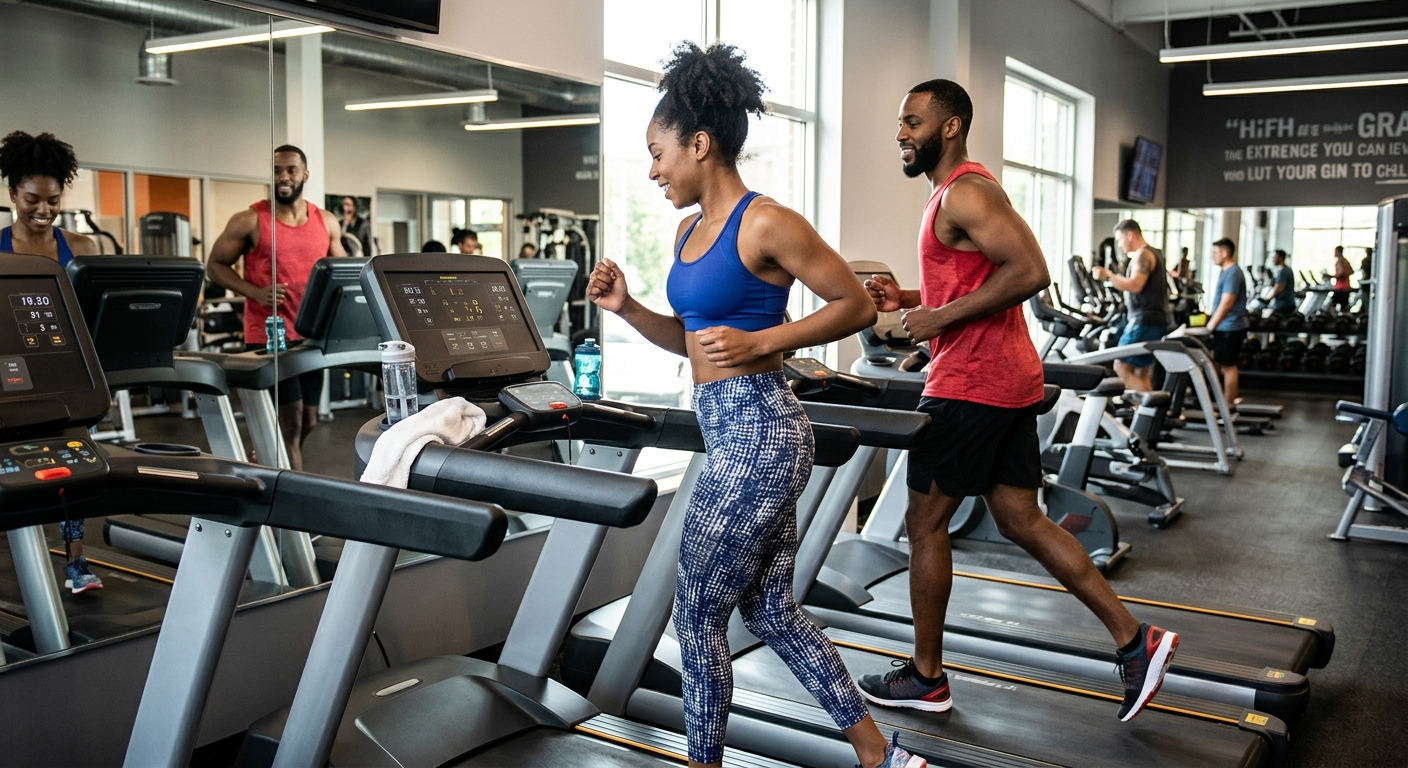
Why Cardio Training for Dancers Matters
Every dancer has experienced the moment. The choreography is challenging, the tempo is relentless, and halfway through the piece the lungs begin to burn, the legs feel heavy, and the mind starts negotiating with the body about whether to maintain full effort or quietly scale back. That negotiation is not a failure of willpower. It is a failure of cardiovascular conditioning.
Dance is one of the most cardiovascularly demanding performing arts in existence. Research published in the Journal of Dance Medicine and Science has documented that professional dance performance can require heart rates sustained above 80 percent of maximum for extended periods — comparable to competitive athletics. And yet, most dance training is structured around short bursts of high-intensity movement followed by rest periods during which choreography is discussed, corrections are given, and bodies stand still. The intermittent nature of class and rehearsal means that dancers rarely train their cardiovascular systems the way their performances demand.
This is where supplementary cardio training becomes essential. It bridges the gap between the cardiovascular demands of performance and the cardiovascular reality of how dancers actually train. It builds the aerobic base that sustains effort over long pieces, the anaerobic capacity that powers explosive sequences, and the recovery systems that allow the body to bounce back between numbers in a show.
Cardiovascular exercise is also among the most culturally universal forms of physical activity on earth. West African dance traditions are inherently cardiovascular — the polyrhythmic, full-body, high-energy movement that defines styles from Sabar to Kuku to Agbadza is essentially sustained aerobic work wrapped in artistic expression. Latin dance forms like salsa and samba build cardiovascular endurance through continuous movement. Even the slow, deliberate footwork of Indian Kathak, sustained over long improvisational passages, trains the aerobic system through duration rather than intensity.
The Healing Benefits of Cardio Training
Improved Aerobic Capacity. Regular cardiovascular exercise increases the heart’s stroke volume — the amount of blood pumped per beat — and improves the muscles’ ability to extract and use oxygen. A 2017 meta-analysis in Sports Medicine confirmed that aerobic training significantly improves VO2 max, the gold-standard measure of cardiovascular fitness. For dancers, higher VO2 max means more energy available for longer pieces and faster recovery between numbers.
Enhanced Recovery Between Efforts. Cardiovascular conditioning improves the body’s ability to clear lactate and other metabolic byproducts during and after intense exertion. This means less muscle burning during fast passages, quicker recovery between combinations in class, and reduced post-show fatigue. Research in the European Journal of Applied Physiology demonstrated that aerobically fit individuals recovered significantly faster than their less-conditioned counterparts.
Heart Health and Longevity. The American College of Sports Medicine recommends at least 150 minutes of moderate-intensity cardiovascular exercise per week for overall cardiovascular health. For dancers, investing in heart health now extends the performing career and reduces the risk of cardiovascular disease in later life — a particularly important consideration given the physical demands of the profession.
Weight Management and Body Composition. Cardiovascular exercise supports healthy body composition by increasing caloric expenditure and improving metabolic efficiency. This is relevant for dancers not from a cosmetic perspective but from a functional one: maintaining a healthy body composition reduces stress on joints, improves power-to-weight ratio for jumps and lifts, and supports overall physical resilience.
Mental Health and Emotional Regulation. Cardiovascular exercise is one of the most well-documented interventions for depression and anxiety. A 2018 meta-analysis in JAMA Psychiatry found that physical activity, including cardio, significantly reduced the risk of depression across all age groups. The endorphin release, the rhythmic repetition, and the sense of accomplishment that follow a good cardio session all contribute to improved mood and emotional stability.

A Weekly Cardio Plan for Dancers
This plan adds cardiovascular conditioning to a dancer’s existing training schedule without creating excessive fatigue. The sessions are designed to complement dance training, not compete with it.
Monday — Steady-State Aerobic Session (25-30 minutes). Choose cycling, swimming, or brisk walking. Maintain a moderate pace where you can speak in short sentences but not hold a full conversation. This builds the aerobic base — the foundation of all cardiovascular fitness. Keep the intensity low enough that it does not interfere with dance training later in the day.
Tuesday — Dance-Based Cardio (20 minutes). Put on music you love and dance continuously for 20 minutes at moderate to high intensity. No choreography, no mirrors, no judgment — just sustained, joyful movement. This is the most dance-specific cardio option available and the one most likely to transfer directly to performance stamina.
Wednesday — HIIT Session (15-20 minutes). Perform eight rounds of 20 seconds maximum effort followed by 10 seconds rest (Tabata protocol). Use exercises that mirror dance demands: squat jumps, burpees, mountain climbers, high knees, and lateral bounds. This trains the anaerobic system that powers explosive choreography.
Thursday — Cross-Training Cardio (25 minutes). Choose an activity different from Monday — rowing, jump rope, elliptical, or outdoor cycling. Cross-training prevents overuse injuries by varying the movement patterns while still building cardiovascular capacity. Jump rope is particularly valuable for dancers because it builds coordination, timing, and foot speed simultaneously.
Friday — Active Recovery Cardio (20 minutes). Light swimming, easy cycling, or a gentle walk. Keep the heart rate low — this session is about promoting blood flow for recovery, not building fitness. Think of it as cardiovascular maintenance that prepares the body for weekend performances or rest.
Weekly Focus Summary
Monday: Steady-state aerobic — Build the base
Tuesday: Dance-based cardio — Joyful sustained movement
Wednesday: HIIT — Explosive power conditioning
Thursday: Cross-training — Varied movement patterns
Friday: Active recovery — Blood flow and restoration
Why Cardio Works for Dancers
The cardiovascular demands of dance are unlike almost any other physical discipline. A dancer may need to sustain moderate aerobic effort for several minutes, then explode into maximum-intensity movement, then recover while continuing to perform. This requires both a strong aerobic base and a well-developed anaerobic system. Supplementary cardio training builds both — and the research is clear that dancers who train cardiovascularly outside the studio perform better, fatigue later, and recover faster than those who rely on class alone.
“The audience sees the art. The body feels the athletics. Cardio training is what makes the art possible when the athletics become demanding.”
How to Get Started
Start with two supplementary cardio sessions per week — one steady-state and one interval-based. Add a third session after two weeks if recovery allows. Choose activities that you genuinely enjoy — consistency matters more than the specific modality. If you dislike running, swim. If cycling bores you, jump rope. The best cardio is the one you will actually do.
Monitor your energy levels carefully during the first month. If dance training begins to suffer, reduce the intensity or duration of your cardio sessions. The goal is to support your dance practice, not deplete it. A heart rate monitor can help you stay in the appropriate training zones and avoid overtraining.
A Practice Worth Celebrating
Cardiovascular conditioning is as old as human movement itself. The long-distance running traditions of the Rift Valley in East Africa, the sustained rhythmic dancing of West African ceremonies, the endurance footwork of Indian classical dance, the relentless energy of Brazilian Carnival — all of these are expressions of cardiovascular power rooted in culture and sustained by generations of practice.
When you invest in your cardiovascular fitness, you are not just training for the next show. You are building the engine that will carry you through a lifetime of movement. The heart that sustains you on stage today is the same heart that will sustain you for decades to come. Train it with the same care and respect you give to every other aspect of your art.
Explore the full Health & Empowerment Series and discover how the world’s great movement and nutrition traditions can help you build a life of strength, creativity, and lasting wellness.
Disclaimer: This article is for educational purposes only and is not intended as fitness, medical, or nutritional advice. Always consult a qualified healthcare professional or certified fitness instructor before beginning any new exercise program.
Continue Exploring the Series
Health & Empowerment Series — Explore the full collection of articles on movement, nutrition, and self-empowerment.
Why Dance Is Medicine — The science behind how dance heals the body and mind.
The Dancer’s Prescription — A guide to moving, eating, and shining from the inside out.
The Food-Brain Connection — How nutrition shapes the way dancers think, feel, and perform.
Yoga for Dancers — Build flexibility, prevent injury, and sharpen your focus.
Running for Dancers — Build mental toughness and cardiovascular power on the open road.
Dynamic Stretching for Dancers — Prepare muscles for explosive movement and prevent injury.
West African Organic Meal Prep — Ancient foods that heal the body and honor the culture.
Empowerment Workbooks & Guides — Tools for individuals, families, and young people ready to grow.
© 2026 Dance Mogul Magazine LLC | dancemogul.com | Inspiring Self-Empowerment Through Dance Culture