
Health & Empowerment Series | Global Organic Meal Prep
Japanese Organic Meal Prep: How the World’s Longest-Lived People Eat
Global Organic Meal Prep Series — Article 19 of 20
By Dance Mogul Magazine | Health & Empowerment Series | Global Organic Meal Prep
Why Japan Belongs in the Global Organic Meal Prep Series
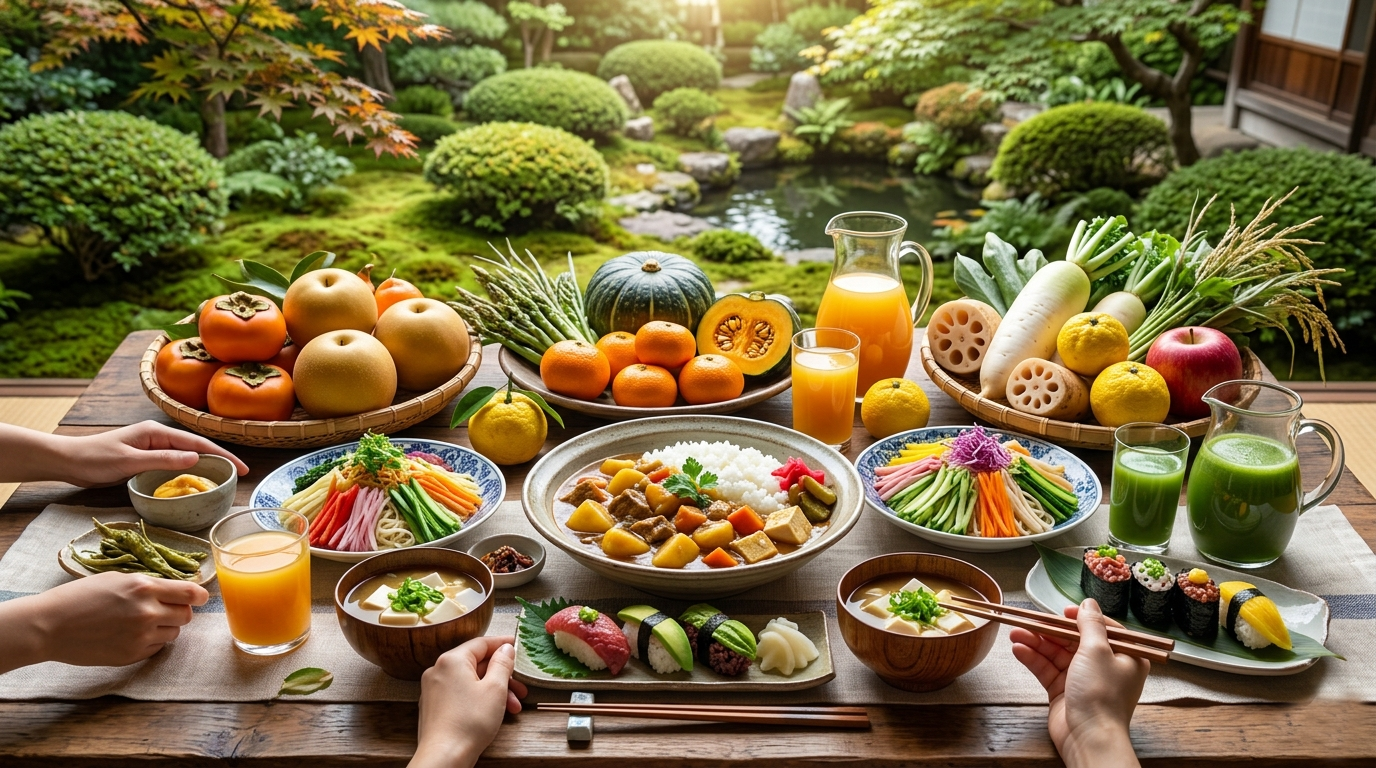
Japan is home to the longest-lived population on earth. The island of Okinawa — one of the world’s five Blue Zones — has more centenarians per capita than anywhere else on the planet. Japanese dietary wisdom, codified in the tradition of washoku (harmony of food), was recognized by UNESCO as an Intangible Cultural Heritage in 2013. The science behind Japanese longevity is not a mystery. It is a daily practice: small portions, extraordinary ingredients, and profound respect for the body.
The Japanese approach to food is built on a principle called ichiju sansai — one soup, three sides. Every meal is designed for balance: a bowl of rice, a bowl of miso soup, a protein, a vegetable side, and a fermented or pickled accompaniment. This structure ensures that no single macronutrient dominates and that every meal delivers a spectrum of vitamins, minerals, and bioactive compounds. For dancers and active people everywhere, Japan offers a master class in how to eat for energy, recovery, and long-term resilience without ever feeling deprived.
The Japanese Organic Meal Prep Healing Pantry
Sweet Potatoes (Beni-imo): The Okinawan staple that researchers credit with much of the island’s longevity advantage. Rich in beta-carotene, fiber, vitamin C, and slow-releasing carbohydrates, sweet potatoes sustain energy for hours without spiking blood sugar. Okinawans traditionally consumed sweet potatoes as up to 60 percent of their daily calories — a practice that kept obesity and diabetes rates extraordinarily low.
Miso and Fermented Soy: Miso soup is consumed daily across Japan, often at breakfast and dinner. Fermented soy delivers a powerful combination of probiotics, B vitamins, and isoflavones that support gut health, reduce LDL cholesterol, protect bone density, and may lower the risk of certain cancers. Natto, a fermented soybean product, is one of the richest food sources of vitamin K2, essential for calcium metabolism and cardiovascular health.
Seaweed (Nori, Wakame, Kombu): A mineral powerhouse that most Western diets completely lack. Seaweed provides iodine for thyroid function, calcium for bone strength, magnesium for muscle recovery, iron for oxygen transport, and unique antioxidants like fucoxanthin that research links to metabolic health and fat reduction. Kombu is also the foundation of dashi, the savory broth that underpins nearly all Japanese cooking.
Wild-Caught Fish: Salmon, mackerel, sardines, and yellowtail are consumed multiple times per week across Japan. These cold-water fish are among the richest dietary sources of omega-3 fatty acids (EPA and DHA), which reduce systemic inflammation, support brain function, protect cardiovascular health, and maintain joint flexibility — every one of these benefits essential for anyone who dances professionally or recreationally.
Green Tea (Matcha): Japan’s most iconic health food. Green tea is rich in catechins (particularly EGCG), L-theanine, and polyphenols that improve focus, boost metabolism, support cardiovascular health, and deliver calm, sustained energy without the jitters or crash of coffee. Matcha, the powdered form, contains the entire tea leaf and delivers even higher concentrations of these compounds.
Turmeric and Ginger: Both roots are widely used in Okinawan and mainland Japanese cooking. Turmeric’s active compound, curcumin, is one of the most studied anti-inflammatory agents in nutritional science. Ginger aids digestion, reduces nausea, and has proven anti-inflammatory effects that support post-exercise recovery.
5-Day Japanese Organic Meal Prep Plan
Day 1 — Okinawa: Breakfast: miso soup with silken tofu, wakame seaweed, and scallions. Lunch: beni-imo (purple sweet potato) with steamed mustard greens, pickled daikon, and a drizzle of sesame oil. Dinner: grilled mackerel with short-grain brown rice, ginger-soy dressing, and a side of blanched spinach with sesame seeds.
Day 2 — Kyoto: Breakfast: matcha tea with a small bowl of rice and tsukemono (assorted pickled vegetables). Lunch: chilled buckwheat soba noodles with nori strips, grated daikon, scallions, and chilled dipping broth. Dinner: miso-glazed tofu baked until golden, served with sautéed spinach, steamed edamame, and brown rice.
Day 3 — Tokyo: Breakfast: tamagoyaki (layered rolled omelette) with rice and a small bowl of miso soup. Lunch: salmon onigiri (hand-pressed rice balls wrapped in nori) with cucumber-wakame salad dressed in rice vinegar. Dinner: nabe (hot pot) with napa cabbage, mushrooms, tofu, fish, and kombu-dashi broth.
Day 4 — Hokkaido: Breakfast: plain yogurt with kinako (roasted soybean powder), wild honey, and sliced banana. Lunch: brown rice bowl with grilled salmon, pickled ginger, shredded daikon, and furikake seasoning. Dinner: kombu-dashi broth soup with root vegetables (sweet potato, carrot, daikon), udon noodles, and a soft-boiled egg.
Day 5 — Osaka: Breakfast: rice porridge (okayu) topped with umeboshi (pickled plum), sesame seeds, and nori. Lunch: bento box with teriyaki chicken thigh, steamed broccoli, sesame spinach, rice, and pickled cucumber. Dinner: seared tuna with avocado, soy, wasabi, and microgreens over a bed of mixed greens.
Why Japanese Organic Meal Prep Works for Dancers
Japan’s dietary philosophy is built on a concept called hara hachi bu — eat until you are 80 percent full. Practiced widely in Okinawa, this simple habit prevents the sluggishness and digestive burden that comes from overeating while keeping energy levels high, consistent, and available for physical performance. For dancers, this is transformative: lighter meals mean faster recovery, better mobility, sharper mental focus, and the kind of sustained energy that carries through a three-hour rehearsal without crashing.
The anti-inflammatory profile of the Japanese diet — omega-3 fish, green tea, turmeric, ginger, seaweed — directly supports the kind of rapid recovery that active bodies require. Joint pain, muscle soreness, and chronic inflammation are occupational hazards for dancers. Japan’s food traditions address all three through daily dietary choices rather than supplements or medication. And the emphasis on fermented foods (miso, natto, pickled vegetables) ensures a thriving gut microbiome, which science now links to everything from mood regulation and immune strength to nutrient absorption and hormonal balance.
“Japan teaches that health is not about eating more — it is about eating wisely. Small portions, extraordinary ingredients, and profound respect for the body.”
Practical Japanese Organic Meal Prep Tips
Sunday Prep: Cook a large batch of short-grain brown rice (the foundation of most Japanese meals). Prepare a pot of miso soup base with kombu-dashi broth — it keeps 3–4 days refrigerated. Marinate tofu in white miso paste with a touch of mirin. Blanch and portion vegetables (spinach, broccoli, green beans). Prepare a batch of quick-pickled vegetables (tsukemono) using rice vinegar, salt, and sugar. Pre-portion shelled edamame into snack containers.
The Bento Approach: Japanese meal prep revolves around the bento box — small, compartmentalized containers that hold rice, a protein, two to three vegetable sides, and a pickled or fermented accompaniment. This approach naturally controls portions, guarantees nutritional variety in every meal, and makes weekday lunches effortless. Invest in a quality bento box and let the compartments guide your prep.
Hydration: Green tea throughout the day replaces sugary beverages and provides steady antioxidant support. Miso soup doubles as a warm, mineral-rich hydration source — especially valuable in colder months or after intense physical activity. Barley tea (mugicha) is a traditional caffeine-free summer drink served cold, perfect for staying hydrated without stimulants.
A Culture Worth Celebrating
Japan’s food traditions teach something the modern wellness industry often overlooks: restraint is not deprivation. Eating less but eating better — with attention, gratitude, and deep respect for the ingredients — is itself a form of nourishment. The Japanese tradition of itadakimasu, a word of gratitude spoken before every meal, reminds us that food is a gift, not a transaction. Every dish is prepared with care, presented with beauty, and consumed with mindfulness.
For dancers, Japan’s approach offers a powerful model: discipline and beauty, simplicity and depth, energy and lightness — all in the same bowl. When we honor the food that sustains us, we honor the body that carries us through every rehearsal, every performance, and every day of our lives.
Continue Exploring the Global Organic Meal Prep Series
Health & Empowerment Series • West African Organic Meal Prep • Spanish Organic Meal Prep • Why Dance Is Medicine • The Dancer’s Prescription • The Food-Brain Connection • Workbooks & Guides • Italian Organic Meal Prep • Icelandic Organic Meal Prep