
Nanci Hammond: Artistic Director, Living Archive, and Guardian of Dance Culture
From the June Taylor Dancers to Michael Peters — a career built on passion, longevity, and the belief that dancers are the most awesome people on the planet
By Dance Mogul Magazine
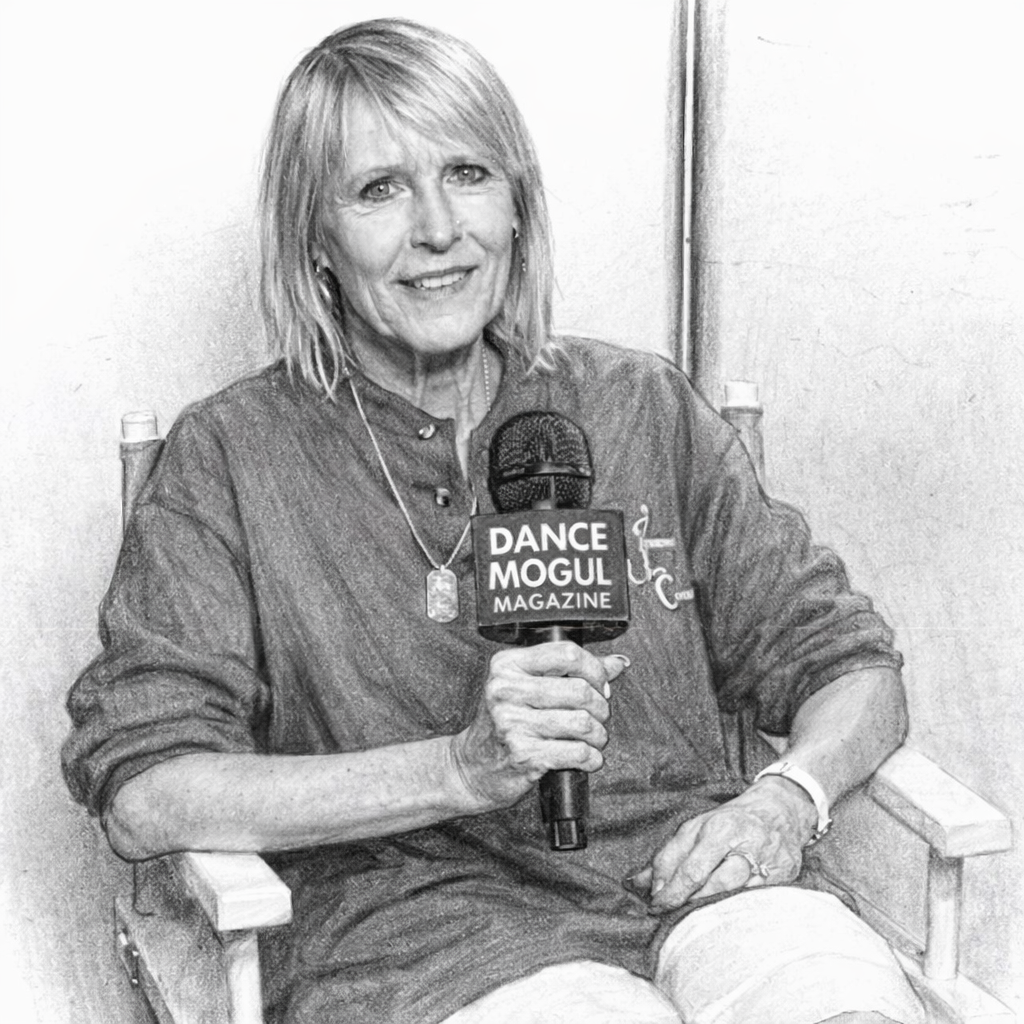
Nanci Hammond — Artistic Director, Performing Arts Center | Photo: Dance Mogul Magazine
Introduction
In a culture that often prizes the new over the proven, Nanci Hammond is a reminder that longevity in dance is not about age — it is about fire. A career spanning film, television, theater, Broadway touring companies, and magic shows, Hammond has danced alongside some of the most influential figures in American entertainment. Today, as the Artistic Director of the Performing Arts Center in Van Nuys, California, she is focused on something even more important: making sure the next generation knows where the culture came from and what it means to live as an artist.
In this exclusive Dance Mogul Magazine interview, Hammond shares her journey from a small dance studio in Fresno, California, to the Broadway stage, to working with legends like Michael Peters, Lester Wilson, Gower Champion, Michael Kidd, and Debbie Reynolds — and why she believes dance is the single most important thing a human being can do for their mental and emotional health.
The Beginning: Fresno, France, and the Dream of Being a June Taylor Dancer
Nanci Hammond grew up in Fresno, California, where her first and most formative teacher was Denise Baines, a dance instructor who had originally come from France. Baines did something that shaped the rest of Hammond's life: she instilled in her not just technique, but a love for the arts themselves. That distinction — between learning steps and falling in love with the art form — is at the heart of everything Hammond teaches today.
As a young dancer watching television, Hammond was captivated by the great variety shows of the era. The Carol Burnett Show (choreographed by Ernie Flatt), The Red Skelton Show, and above all, the June Taylor Dancers — the legendary precision dance troupe featured on The Jackie Gleason Show. Hammond dreamed of becoming a June Taylor Dancer, and eventually she did, appearing as "Dancer Number 16" (Taylor famously numbered all her dancers) on a television special.
She also cites Gower Champion — the Tony Award-winning choreographer and director who shaped Broadway musicals like Hello, Dolly! and 42nd Street — as a major early influence. Champion choreographed Hammond's first Equity touring company production: Annie Get Your Gun with Debbie Reynolds. She also worked with Michael Kidd, another legendary Broadway and film choreographer known for Guys and Dolls, The Band Wagon, and Seven Brides for Seven Brothers.
Beyond Dance: The Magic Years
Hammond's career took an unexpected turn when she became a magician's assistant — first for Doug Henning, and then for Harry Blackstone Jr. Both men were among the most celebrated stage magicians of the 20th century.
Doug Henning (1947–2000) was the Canadian illusionist who revitalized magic as mainstream entertainment in the 1970s with his Broadway hit The Magic Show and a series of NBC television specials that drew audiences of over 50 million. He created illusions for Earth, Wind & Fire and Michael Jackson's 1984 Victory Tour. Henning died of liver cancer in 2000 at age 52.
Harry Blackstone Jr. (1934–1997) was the son of the legendary Harry Blackstone Sr. and one of the most famous magicians in American history. He performed his father's classic illusions alongside original work for decades on stage and television. Blackstone Jr. died in 1997 at age 62.
Hammond loved the world of magic, but dance always remained her first and deepest calling.
Working with Michael Peters and Lester Wilson
Of all the choreographers Hammond worked with, two stand above the rest: Lester Wilson and Michael Peters. She describes them as her favorites — the artists who most profoundly changed how she danced and how she understood her own artistry.
She worked with Michael Peters multiple times, including a television production in Italy and industrial shows in the United States. Her description of Peters' rehearsal process is vivid and revealing: "When you rehearsed a piece for Michael, you rehearsed it. You had to be eating your Wheaties and taking your vitamins for the first day of rehearsal, because you might do one step for an hour and a half until you got it the way he liked it."
"When I think of Michael Peters, I think of the man who brought videos to life. Beat It. Thriller. The Michael Jackson era of all those wonderful videos. The idea of storytelling — telling a little tiny mini movie with his work. He was just so creative, and he worked really hard."
— Nanci Hammond
Hammond keeps a picture of Michael Peters in her studio to this day — because she believes that if the next generation doesn't learn about the people who built the foundation, those pioneers will be forgotten. Peters died on August 29, 1994, at age 46. His work lives on in every music video that tells a story through dance. For a deeper exploration of his legacy, read our MJ Pillar Series: The Choreographers Behind Michael Jackson.
The Studio: 1992 to Today
Hammond and her husband Joe Malone founded their performing arts center in 1992. The decision was rooted in a deeply held belief: the arts are critical for the mental health and emotional wellbeing of human beings. Not just dancers. All human beings.
They built the program deliberately, starting with ballet and adding disciplines over time as the business grew. Street dance was the last department added — not because it was less important, but because building a sustainable arts business requires patience. Hammond understands street dance's unique power: "It speaks to so many kids' hearts that may not think they have any particular talent or they may not have a dancer's body, but for people who can just move with a groove and feel that inside — that's something really important."
Dance as Mental Health
Hammond's view on the relationship between dance and mental health is among the most important statements in this interview. During upper division evaluations, she speaks directly to young students about what dance offers beyond technique:
"Whether you're angry, whether you're happy, whether you're sad — when you're at a loss for words or words don't seem to express the depth of what you're feeling, you can go in a room and put on a piece of music and just move and get it out. If we don't have a way to get that out, then we end up having a society of nasty people who don't know how to express themselves, who don't know how to reach out to another human being."
— Nanci Hammond
On Forgotten Pioneers
One of Hammond's greatest concerns is that pivotal figures in dance history are being forgotten. She describes a horrifying reality: students in her upper division classes sometimes don't know who Fred Astaire is. That's why she incorporates dance history into her curriculum — sharing the stories of the people who made the art form possible. Without intentional effort, the culture loses its roots.
"There are so many young people with tremendous talent that, if it doesn't get nurtured, goes unnoticed. If they don't get fortunate enough to end up on So You Think You Can Dance or America's Got Talent, or have a family or community that supports them — there's a lot of people we don't even know about."
Longevity Through Movement
At an age when many performers have long since left the stage, Hammond still takes class, still performs, and still dances in concerts. She credits dance itself as the reason. She points to a woman in her 80s who takes ballet class twice a week and looks decades younger: "Her life force and her zest for life — dance is the way to go as far as I'm concerned as a human being."
The Bonds of the Dance World
Hammond speaks with genuine warmth about the relationships formed through dance — bonds created in a week, a month, or a year that never fade. "The next time you see each other, it's like no time has passed," she says. These connections, forged through shared physical and emotional experience, are unlike anything else in life.
This understanding shapes how she runs her studio. The upper division program (ages 8–18) is built around more than technique. Students learn about the history of the people who came before them. They learn about competition — not as warfare, but as friendly striving where you root for everyone to do well. They learn to see themselves as athletes who must also be compassionate human beings.
Nanci Hammond's Legacy — In Her Own Words
"When they graduate out of our program, I want them to leave here not only having developed their talent and their art, but that they leave here better human beings with a deeper understanding of community and what that means. I want them to know that yes, there's competition, but it's a friendly competition — that you want to do well, but it's okay for you to root for everybody else to do well as well. Helping mold their humanity, and that they are good, kind, compassionate people — that's what I would like my legacy to be. And that we were able to help people achieve their dreams."
— Nanci Hammond, Artistic Director
The Legends Nanci Worked With
Nanci Hammond's career connected her to some of the most important figures in American entertainment. Several are no longer with us, but their contributions remain foundational to the art form.
Michael Peters (1948–1994) ✝
Creator of the storytelling music video. Choreographed "Beat It," "Thriller," and "Billie Jean" for Michael Jackson. Tony Award winner for Dreamgirls. Hammond traveled with him to Italy for a TV production and worked with him on multiple projects in the U.S.
Lester Wilson (1942–1993) ✝
Choreographer of Saturday Night Fever, Sister Act, and Beat Street. Juilliard-trained. Worked with Diana Ross, Liza Minnelli, and Ann-Margret. Hammond counts him among her most important creative influences.
Gower Champion (1919–1980) ✝
Tony Award-winning director and choreographer of Hello, Dolly!, Bye Bye Birdie, and 42nd Street. Choreographed Hammond's first Equity touring company, Annie Get Your Gun with Debbie Reynolds. Died August 25, 1980.
Michael Kidd (1915–2007) ✝
Five-time Tony Award-winning choreographer. Known for Guys and Dolls, Seven Brides for Seven Brothers, and The Band Wagon. Received an Honorary Academy Award in 1997 for his contributions to the art of dance in film.
Doug Henning (1947–2000) ✝
Canadian magician who revitalized stage magic in the 1970s with The Magic Show on Broadway and NBC television specials. Created illusions for Michael Jackson's Victory Tour. Hammond served as his assistant. Died of liver cancer at age 52.
Harry Blackstone Jr. (1934–1997) ✝
One of the most famous stage magicians in American history, son of the legendary Harry Blackstone Sr. Performed for decades on stage and television. Hammond served as his assistant. Died May 14, 1997, at age 62.
Debbie Reynolds (1932–2016) ✝
Iconic actress, singer, and dancer. Star of Singin' in the Rain (1952). Hammond performed with her in the Equity touring production of Annie Get Your Gun. Reynolds was known for her tireless work to preserve Hollywood memorabilia and entertainment history. Died December 28, 2016.
June Taylor (1917–2004) ✝
Choreographer of the June Taylor Dancers, the famed precision dance troupe featured on The Jackie Gleason Show for over two decades. Known for their innovative overhead kaleidoscopic formations. Taylor numbered each of her dancers — Hammond was Dancer Number 16.
Why This Interview Matters
Nanci Hammond represents something the dance world cannot afford to lose: institutional memory. She has lived through the transition from variety television to music videos, from stage shows to competition culture, from segregated dance traditions to the fusion that defines modern performance. Her studio is not just a school — it is a bridge between the past and the future.
Her insistence on teaching history alongside technique is an act of cultural preservation. Her commitment to developing human beings — not just dancers — is a model for arts education everywhere. And her refusal to stop dancing, performing, and growing is proof that the art form rewards those who stay committed to it.
At Dance Mogul Magazine, we believe these stories are the foundation. Without them, the culture has no roots. This interview — along with the companion piece featuring her husband, Joe Malone — is part of our mission to build a living archive of dance history, told by the people who made it.
Read the companion interview: Joe Malone: A Dancer's Oral History of American Entertainment
Explore more dance history in our MJ Pillar Series | Visit the Dance Styles Hub
Dance Mogul Magazine
"Inspiring Self-Empowerment Through Dance Culture"
We are on the front lines — capturing the stories of the veterans who built this culture so future generations never have to wonder where it came from. Our YouTube channel, our articles, and our social platforms are a living archive. This is what it means to be a brand authority in dance media.
© Dance Mogul Magazine LLC. All rights reserved.