
Health & Empowerment Series | Global Organic Meal Prep
New Zealand Organic Meal Prep: How Māori Traditions and Clean Agriculture Build Lasting Health
Global Organic Meal Prep Series — Article 19 of 20
By Dance Mogul Magazine | Health & Empowerment Series | Global Organic Meal Prep
Why New Zealand Belongs in the Global Organic Meal Prep Series
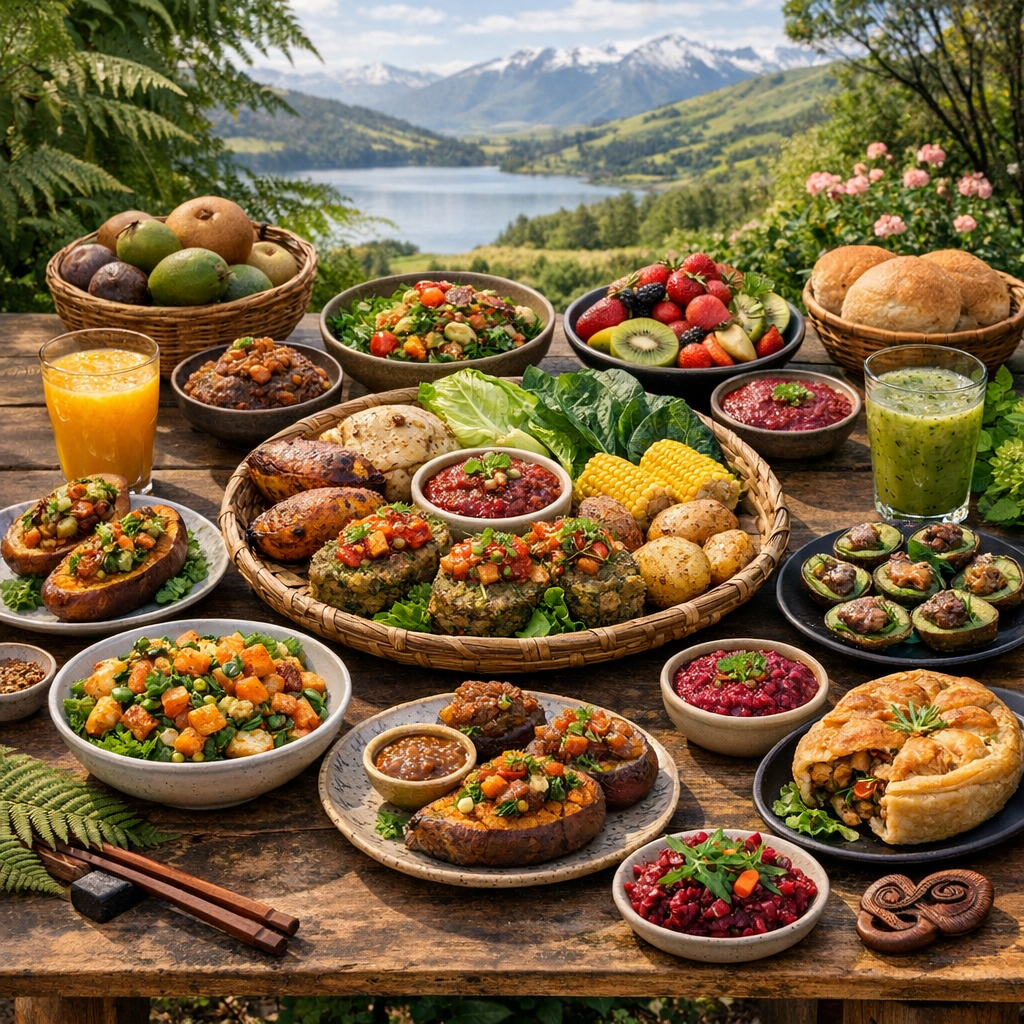
New Zealand is a country where clean agriculture is not a marketing claim — it is a geographic reality. Isolated in the South Pacific, surrounded by pristine ocean, and blessed with abundant rainfall and volcanic soil, New Zealand produces some of the purest food on earth. Grass-fed lamb and beef roam vast pastures year-round without the need for feedlots. Wild-caught seafood comes from waters that remain among the least polluted on the planet. And the Indigenous Māori people carry food traditions that stretch back over 700 years, honoring the land (whenua) and the sea (moana) as sources of life and identity.
New Zealand’s food culture today blends Māori traditions with British, Pacific Islander, and Asian influences — creating a fusion that is fresh, diverse, and deeply connected to the natural environment. The country has banned growth hormones in livestock, maintains strict biosecurity, and has a thriving organic sector. For dancers, New Zealand proves that the foundation of health is a clean food system — and that honoring Indigenous food wisdom is not just culturally respectful but scientifically sound.
The New Zealand Organic Meal Prep Healing Pantry
Grass-Fed Lamb and Beef: New Zealand lamb is world-renowned for its purity. Raised entirely on pasture, free from hormones and routine antibiotics, it is leaner, higher in omega-3 fatty acids and CLA, and richer in fat-soluble vitamins than grain-fed equivalents. Grass-fed beef follows the same standard — clean, nutrient-dense, and ethically raised.
Seafood: Green-lipped mussels (unique to New Zealand) contain a rare omega-3 called ETA (eicosatetraenoic acid) that has demonstrated powerful anti-inflammatory effects — studies show it may be 200 times more effective than EPA at reducing inflammation. Snapper, crayfish, pāua (abalone), and blue cod provide lean protein, selenium, and zinc.
Kumara (Sweet Potato): A Māori staple for centuries, kumara provides beta-carotene, fiber, vitamin C, and slow-releasing carbohydrates. Purple and orange varieties are rich in anthocyanins and carotenoids respectively.
Manuka Honey: New Zealand’s unique manuka honey contains methylglyoxal (MGO), a compound with proven antibacterial, anti-inflammatory, and wound-healing properties. Genuine manuka honey (UMF certified) is a functional food with demonstrated health benefits beyond ordinary honey.
Seasonal Produce: Kiwifruit (a New Zealand icon) delivers more vitamin C than oranges plus actinidin, an enzyme that aids protein digestion. Feijoa, tamarillo, avocado, and stone fruits thrive in New Zealand’s temperate climate. Leafy greens, pumpkin, and beetroot are garden staples.
5-Day New Zealand Organic Meal Prep Plan
Day 1 — Auckland: Breakfast: yogurt with kiwifruit, manuka honey, and macadamia nuts. Lunch: smoked salmon on sourdough with avocado, lemon, and capers. Dinner: roasted lamb rack with kumara mash, steamed green beans, and a rosemary jus.
Day 2 — Wellington: Breakfast: poached eggs on toast with wilted spinach and hollandaise. Lunch: green-lipped mussel chowder with crusty bread. Dinner: pan-seared snapper with roasted beetroot, pumpkin, and a tahini drizzle.
Day 3 — Rotorua (Māori Hangi-Inspired): Breakfast: kumara hash with eggs, onions, and fresh herbs. Lunch: rewena (Māori potato bread) with butter and a warm vegetable soup. Dinner: hangi-style chicken and vegetables (oven-roasted with cabbage, kumara, pumpkin, and stuffing).
Day 4 — Queenstown: Breakfast: bircher muesli with feijoa, yogurt, and toasted seeds. Lunch: venison salad with beetroot, walnuts, blue cheese, and balsamic. Dinner: blue cod baked with lemon, capers, and herbs, served with roasted potatoes and a green salad.
Day 5 — Christchurch: Breakfast: smoothie with kiwifruit, banana, spinach, and manuka honey. Lunch: lamb and vegetable pie with a side salad. Dinner: grilled beef steak with roasted root vegetables, watercress, and a red wine reduction.
Why New Zealand Organic Meal Prep Works for Dancers
New Zealand’s food system delivers purity that most countries cannot match. Grass-fed meats provide clean protein, omega-3s, and CLA without the inflammatory burden of grain-fed, hormone-treated livestock. Green-lipped mussels offer anti-inflammatory compounds so potent that they are sold worldwide as joint-health supplements — but in New Zealand, they are simply dinner. Kumara provides the sustained carbohydrate energy that dancers need, while kiwifruit and seasonal produce deliver vitamin C and digestive enzymes that support recovery and immune function.
The Māori concept of kaitiakitanga (guardianship of the land and sea) is not just an environmental principle — it is a health principle. When the food system is cared for, the food it produces cares for the body. For dancers, this means every meal from New Zealand’s clean sources arrives with maximum nutrient density and minimum contamination — the ideal foundation for a body under constant physical demand.
“New Zealand teaches that when you care for the land, the land cares for you — and the body built on clean food from clean sources is a body that endures.”
Practical New Zealand Organic Meal Prep Tips
Sunday Prep: Roast a leg of lamb or lamb shoulder (use leftovers throughout the week). Steam or roast kumara. Prepare a green-lipped mussel broth. Make a large salad base with beetroot, pumpkin, and greens. Portion yogurt with kiwifruit and manuka honey.
Sourcing: New Zealand grass-fed lamb and beef are exported worldwide and available at quality butchers. Green-lipped mussels are available frozen at specialty grocers and seafood markets. Manuka honey (look for UMF or MGO certification) is sold internationally. Kiwifruit is available at every grocery store. Kumara can be substituted with orange or purple sweet potatoes.
Hydration: Clean water is abundant in New Zealand. Herbal teas with kawakawa (a native Māori medicinal plant) are traditional. Flat whites are New Zealand’s coffee culture contribution — enjoyed daily in moderation.
A Culture Worth Celebrating
New Zealand is a place where Māori wisdom and modern agriculture coexist in a landscape of extraordinary natural beauty. The Māori understanding that food, land, and identity are inseparable reminds the world that health begins with how we treat the earth that feeds us. When New Zealand’s clean pastures, pristine oceans, and Indigenous food traditions converge on a single plate, the result is nourishment of the highest order. For the global dance community, New Zealand’s message is clear: protect what feeds you, honor the traditions that sustain you, and build your health on the purest foundation you can find.
Continue Exploring the Global Organic Meal Prep Series
Health & Empowerment Series • West African Organic Meal Prep • Spanish Organic Meal Prep • Italian Organic Meal Prep • Japanese Organic Meal Prep • Icelandic Organic Meal Prep • Why Dance Is Medicine • The Dancer’s Prescription • Workbooks & Guides • Australian Organic Meal Prep