
Health & Empowerment Series | Global Organic Meal Prep
Norwegian Organic Meal Prep: How the Nordic Seafood Tradition Builds Lasting Health
Global Organic Meal Prep Series — Article 9 of 20
By Dance Mogul Magazine | Health & Empowerment Series | Global Organic Meal Prep
Why Norway Belongs in the Global Organic Meal Prep Series
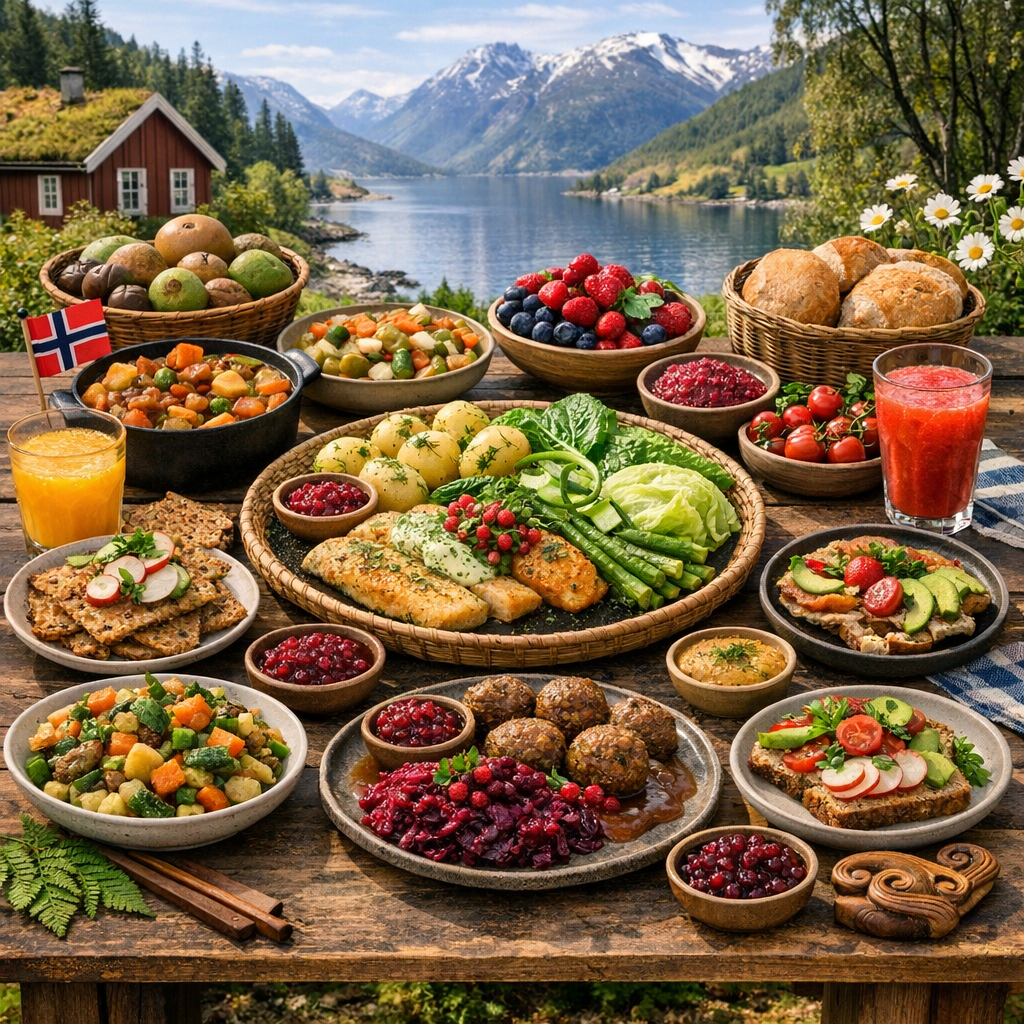
Norway consistently ranks among the top three nations in the world for quality of life, and its population enjoys one of the highest life expectancies in Europe. The Norwegian diet is defined by what the country’s dramatic landscape provides: wild-caught salmon from cold fjord waters, cod that has sustained fishing communities for a thousand years, grass-fed dairy from mountain pastures, dense whole-grain breads, and root vegetables that thrive in the short but intense growing season. Norwegians consume more seafood per capita than almost any other European nation, and the health benefits are reflected in their remarkably low rates of heart disease.
Norway also breathes some of the cleanest air on earth, drinks glacial water, and maintains strong cultural traditions around outdoor activity and seasonal eating. The concept of friluftsliv (open-air living) extends to the table — food is fresh, honest, and connected to nature. For dancers and athletes, Norway offers a blueprint for fueling the body with purity and precision.
The Norwegian Organic Meal Prep Healing Pantry
Wild Salmon: Norway’s iconic fish is one of the richest dietary sources of omega-3 fatty acids, vitamin D, and high-quality protein. Wild Norwegian salmon supports cardiovascular health, reduces systemic inflammation, protects brain function, and provides the building blocks for muscle repair and joint maintenance.
Cod and Stockfish: Dried cod (tørrfisk) has been a Norwegian survival food for over 1,000 years. Fresh cod is lean, mineral-rich, and provides selenium, iodine, and B12. Cod liver oil — a Norwegian tradition — remains one of the most efficient natural sources of vitamins A, D, and omega-3s.
Brown Cheese and Fermented Dairy: Brunost (brown cheese) is uniquely Norwegian, made by caramelizing whey. While distinctive in flavor, Norwegian dairy traditions also include rømme (sour cream), yogurt, and kefir-like fermented milks that deliver probiotics, calcium, and conjugated linoleic acid from grass-fed cows.
Root Vegetables: Potatoes, carrots, rutabaga (swede), turnips, and beets are the foundation of Norwegian home cooking. These provide complex carbohydrates, potassium, fiber, and a range of vitamins that sustain energy through long, dark winters and demanding physical activity.
Wild Berries and Game: Cloudberries, lingonberries, and blueberries grow wild across Norwegian mountains. Reindeer and elk are traditional game meats — extremely lean, rich in iron and B12, and free of the antibiotics and hormones found in conventional livestock.
5-Day Norwegian Organic Meal Prep Plan
Day 1 — Oslo: Breakfast: whole-grain bread with brunost, sliced cucumber, and a glass of milk. Lunch: open-faced sandwich with smoked salmon, cream cheese, dill, and lemon on dark rye. Dinner: baked cod with boiled potatoes, steamed broccoli, and a mustard-dill sauce.
Day 2 — Bergen: Breakfast: oatmeal porridge with lingonberries, almonds, and honey. Lunch: fish soup (fiskesuppe) with cream, root vegetables, and crusty bread. Dinner: pan-seared salmon with roasted beets, carrots, and a horseradish yogurt.
Day 3 — Tromsø: Breakfast: yogurt with cloudberries, walnuts, and granola. Lunch: reindeer meatballs with lingonberry sauce, mashed rutabaga, and gravy. Dinner: herb-baked trout with roasted potatoes and a green salad.
Day 4 — Stavanger: Breakfast: scrambled eggs with smoked salmon and chives on whole-grain toast. Lunch: shrimp salad with lemon, mayonnaise, and dill in a bread bowl. Dinner: lamb stew (fårikål) with cabbage, peppercorns, and boiled potatoes.
Day 5 — Lofoten: Breakfast: lefse (soft flatbread) with butter and cinnamon sugar, plus a boiled egg. Lunch: dried cod rehydrated and flaked over a warm potato and leek salad. Dinner: grilled mackerel with roasted turnips, steamed kale, and a squeeze of lemon.
Why Norwegian Organic Meal Prep Works for Dancers
Norway’s diet is built around omega-3 fatty acids from wild fish — the single most important nutrient class for reducing the chronic inflammation that breaks down active bodies over time. Dancers who consume omega-3-rich fish multiple times per week report better joint mobility, faster muscle recovery, improved mood stability, and greater cardiovascular endurance. The root vegetables and whole grains provide the slow-burning energy needed for sustained rehearsals, while fermented dairy supports the gut health that modern science links to immune strength and mental clarity.
Norway’s outdoor culture reinforces healthy eating habits with an active lifestyle. The connection between movement, fresh air, and clean food creates a holistic health model that dancers can adopt anywhere in the world. You do not need to live in a fjord to eat like a Norwegian — you need wild fish, whole grains, fresh vegetables, and the discipline to keep your food simple and honest.
“Norway teaches that the sea provides everything the body needs — when we eat from clean waters, we build bodies that endure.”
Practical Norwegian Organic Meal Prep Tips
Sunday Prep: Bake or poach a large batch of salmon fillets. Roast a tray of root vegetables. Cook oatmeal base for the week. Prepare a mustard-dill sauce. Portion yogurt with berry toppings. Boil a batch of potatoes for quick reheating.
Sourcing: Wild-caught Norwegian salmon is available at most quality grocery stores and fishmongers worldwide. Look for whole-grain Scandinavian crispbreads and dense rye loaves. Cod liver oil (liquid or capsule) is an affordable daily supplement that delivers vitamin D, A, and omega-3s. Lingonberries are available frozen at specialty stores or IKEA food markets.
Hydration: Clean water is the foundation. Norwegians also drink coffee moderately and enjoy herbal teas — especially rose hip tea, rich in vitamin C and traditionally used to support immune function during long winters.
A Culture Worth Celebrating
Norway’s food traditions are inseparable from its landscape: the cold fjords that produce the world’s finest salmon, the mountain pastures that feed its dairy cows, the wild berry fields that carpet the highlands every summer. Norwegians do not eat this way because it is fashionable — they eat this way because it is who they are. For the global dance community, Norway’s lesson is timeless: honor what the land and sea provide, eat with simplicity and gratitude, and trust that clean food builds resilient bodies.
Continue Exploring the Global Organic Meal Prep Series
Health & Empowerment Series • West African Organic Meal Prep • Spanish Organic Meal Prep • Italian Organic Meal Prep • Japanese Organic Meal Prep • Icelandic Organic Meal Prep • Why Dance Is Medicine • The Dancer’s Prescription • Workbooks & Guides • Swedish Organic Meal Prep