
Health & Empowerment Series | Global Organic Meal Prep
Portuguese Organic Meal Prep: How Atlantic-Mediterranean Cuisine Fuels a Thriving Nation
Global Organic Meal Prep Series — Article 14 of 20
By Dance Mogul Magazine | Health & Empowerment Series | Global Organic Meal Prep
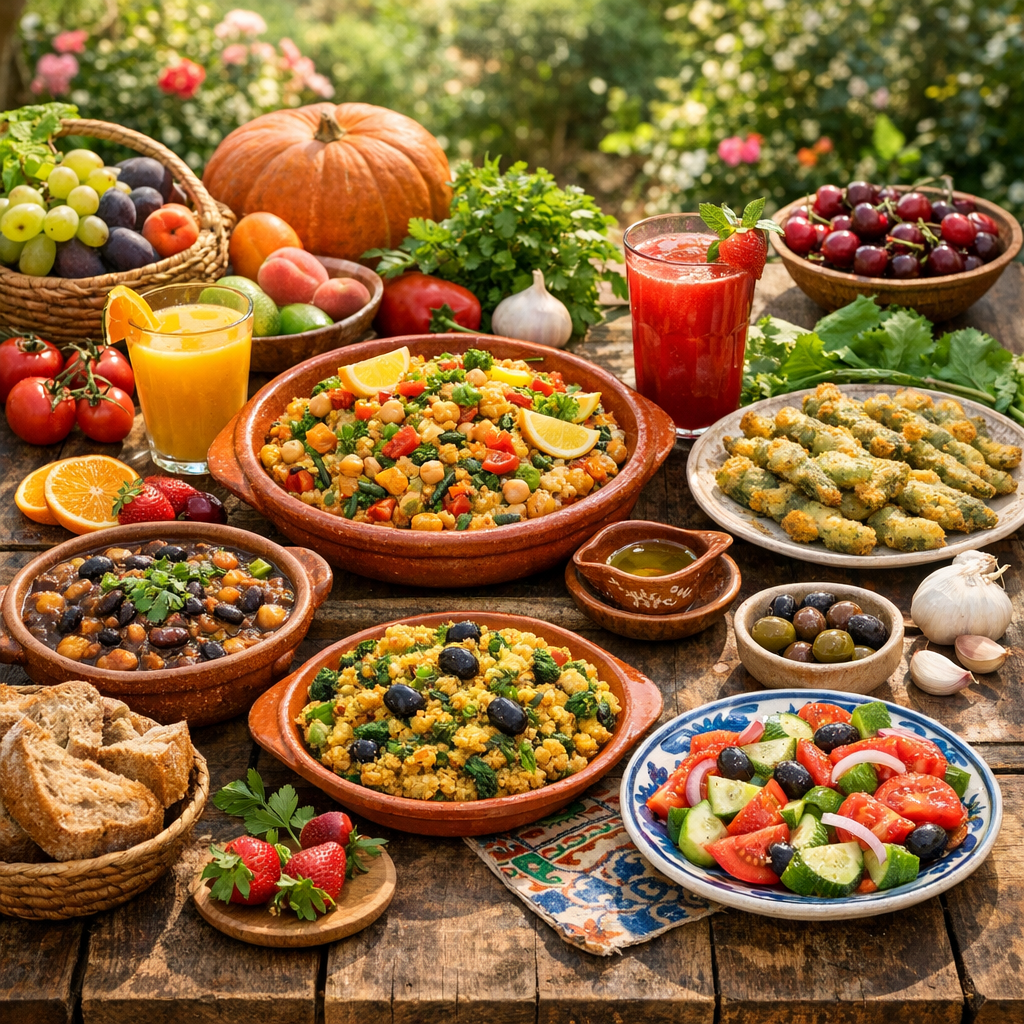
Why Portugal Belongs in the Global Organic Meal Prep Series
Portugal has one of the fastest-improving health profiles in Europe, with life expectancy rising steadily and cardiovascular mortality declining significantly over the past two decades. The Portuguese diet sits at the intersection of Mediterranean and Atlantic traditions — combining the olive oil, vegetables, and herbs of the Mediterranean basin with the extraordinary seafood bounty of the Atlantic Ocean. Portugal reportedly has more than 365 ways to prepare bacalhau (salt cod) — one for every day of the year — and its relationship with the sea defines its culinary identity.
Portuguese cuisine is rooted in simplicity and honesty: grilled fish with olive oil and lemon, hearty soups thick with vegetables and legumes, fresh bread from wood-fired ovens, and seasonal fruits eaten ripe from the tree. The Portuguese concept of saudade — a deep emotional connection to home, memory, and tradition — extends to the table. Food is made with love, shared with family, and prepared the way it has been prepared for generations. For dancers, Portugal offers a model of clean, protein-rich, anti-inflammatory eating that is both affordable and deeply satisfying.
The Portuguese Organic Meal Prep Healing Pantry
Fresh Seafood: Portugal consumes more fish per capita than any other European country. Sardines, cod, sea bass, clams, shrimp, and octopus are staples. Portuguese sardines are among the fattiest and most omega-3-rich in the world due to the nutrient-dense waters of the Atlantic.
Olive Oil: Portugal is one of the world’s oldest olive oil-producing nations. Portuguese EVOO from the Alentejo and Trás-os-Montes regions is rich in polyphenols and used generously in every meal — drizzled over fish, vegetables, soups, and bread.
Leafy Greens: Caldo verde (green soup) is Portugal’s national dish — made with finely shredded collard greens (couve galega), potatoes, olive oil, and garlic. Portuguese kale and collard greens are rich in calcium, vitamin K, iron, and fiber.
Legumes: White beans, chickpeas, and lentils feature prominently in Portuguese cooking. Bean stews, chickpea salads, and lentil soups provide plant protein, fiber, and minerals that stabilize blood sugar and support cardiovascular health.
Fresh Herbs and Garlic: Coriander (cilantro), parsley, bay leaf, and garlic are used abundantly. Portuguese cooking uses coriander more than any other European cuisine, and its antioxidant and digestive benefits complement the lean protein and healthy fats of the Atlantic diet.
5-Day Portuguese Organic Meal Prep Plan
Day 1 — Lisbon: Breakfast: whole-grain toast with olive oil, tomato, and a soft cheese. Lunch: grilled sardines with roasted peppers, boiled potatoes, and a green salad. Dinner: caldo verde with crusty corn bread (broa) and a drizzle of olive oil.
Day 2 — Porto: Breakfast: yogurt with seasonal fruit, granola, and honey. Lunch: bacalhau à Brás (shredded cod with eggs, onions, and straw potatoes). Dinner: seafood rice (arroz de marisco) with clams, shrimp, and coriander.
Day 3 — Algarve: Breakfast: fresh orange juice with a pastry-free torrada (toasted bread with butter). Lunch: cataplana (clam and pork stew in a copper pot) with bread. Dinner: grilled sea bass with lemon, garlic, olive oil, and steamed broccoli.
Day 4 — Alentejo: Breakfast: scrambled eggs with asparagus and coriander. Lunch: chickpea and spinach stew with cumin and lemon. Dinner: slow-braised pork cheeks with roasted sweet potatoes, garlic, and bay leaf.
Day 5 — Madeira: Breakfast: tropical fruit bowl (banana, passionfruit, mango) with yogurt. Lunch: tuna steak with corn bread, tomato-onion salad, and olive oil. Dinner: espetada (beef skewers with bay leaf) with milho frito (fried polenta) and watercress salad.
Why Portuguese Organic Meal Prep Works for Dancers
Portugal’s diet is one of the most omega-3-rich in the world due to its extraordinary seafood consumption. For dancers, this means daily anti-inflammatory protection for joints, tendons, and muscles under constant stress. The combination of lean fish protein, complex carbohydrates from potatoes and legumes, and generous olive oil provides the ideal macronutrient ratio for sustained energy and efficient recovery. Leafy greens deliver the calcium and vitamin K that support bone density — critical for anyone whose body absorbs repeated impact.
The simplicity of Portuguese cooking is itself a health advantage. Grilling, roasting, and boiling preserve nutrients better than deep-frying or heavy saucing. Fresh herbs replace the need for excess salt or artificial seasonings. And the cultural emphasis on eating together — slowly, with conversation and gratitude — reduces stress and improves digestion. Portugal proves that the healthiest food is often the simplest.
“Portugal teaches that when you eat from the sea and the earth with gratitude and simplicity, the body rewards you with strength that endures.”
Practical Portuguese Organic Meal Prep Tips
Sunday Prep: Make a large pot of caldo verde. Grill or bake a batch of sardines or cod. Cook chickpeas or white beans. Prepare a coriander-garlic oil for drizzling. Wash and shred collard greens. Boil potatoes for the week.
Sourcing: Portuguese sardines (canned in olive oil) are among the best in the world and available at most grocery stores. Salt cod (bacalhau) is found at Mediterranean or Portuguese specialty shops and requires soaking before cooking. Quality Portuguese olive oil is increasingly available internationally. Fresh coriander, garlic, and bay leaves are inexpensive and essential.
Hydration: Portuguese drink water and natural fruit juices. Lemon verbena tea (lucía-lima) is the national herbal tea — calming, digestive, and aromatic. Coffee (bica) is enjoyed small, strong, and at specific times of day. Moderate red wine with dinner is traditional.
A Culture Worth Celebrating
Portugal is a nation of seafarers, farmers, and families who have fed themselves from the Atlantic and the Iberian soil for centuries. Portuguese food is honest, generous, and deeply tied to place and season. Every sardine grilled over charcoal, every bowl of caldo verde ladled with care, and every drizzle of olive oil from a family grove carries the weight of tradition and the promise of nourishment. For the global dance community, Portugal’s message is grounding: you do not need complicated recipes to build extraordinary health. You need fresh fish, good oil, green vegetables, and the love of people who prepare food the right way.
Continue Exploring the Global Organic Meal Prep Series
Health & Empowerment Series • West African Organic Meal Prep • Spanish Organic Meal Prep • Italian Organic Meal Prep • Japanese Organic Meal Prep • Icelandic Organic Meal Prep • Why Dance Is Medicine • The Dancer’s Prescription • Workbooks & Guides • Spanish Organic Meal Prep • French Organic Meal Prep