
Health & Empowerment Series | Fitness & Movement
Sound Healing for Dancers: How Humming and Vocal Vibration Activate Recovery and Sharpen Focus
From Indian Bhramari Pranayama to Tibetan overtone chanting to West African vocal traditions — how the simplest sound the body can make may be the most powerful tool for a dancer’s nervous system.
By Dance Mogul Magazine | Health & Empowerment Series | Fitness Series — Article 9 of 10
Why Sound Healing for Dancers Matters
Close your mouth. Press your lips together. And hum. Just a simple, sustained hum on a comfortable pitch. Hold it for ten seconds. Feel the vibration in the face, the sinuses, the chest, the throat. That vibration — that quiet, effortless sound — is doing something remarkable inside the body. It is activating the vagus nerve, the longest cranial nerve in the human body and the master regulator of the parasympathetic nervous system. It is lowering cortisol, reducing heart rate, improving heart rate variability, and shifting the body from a state of stress into a state of recovery.
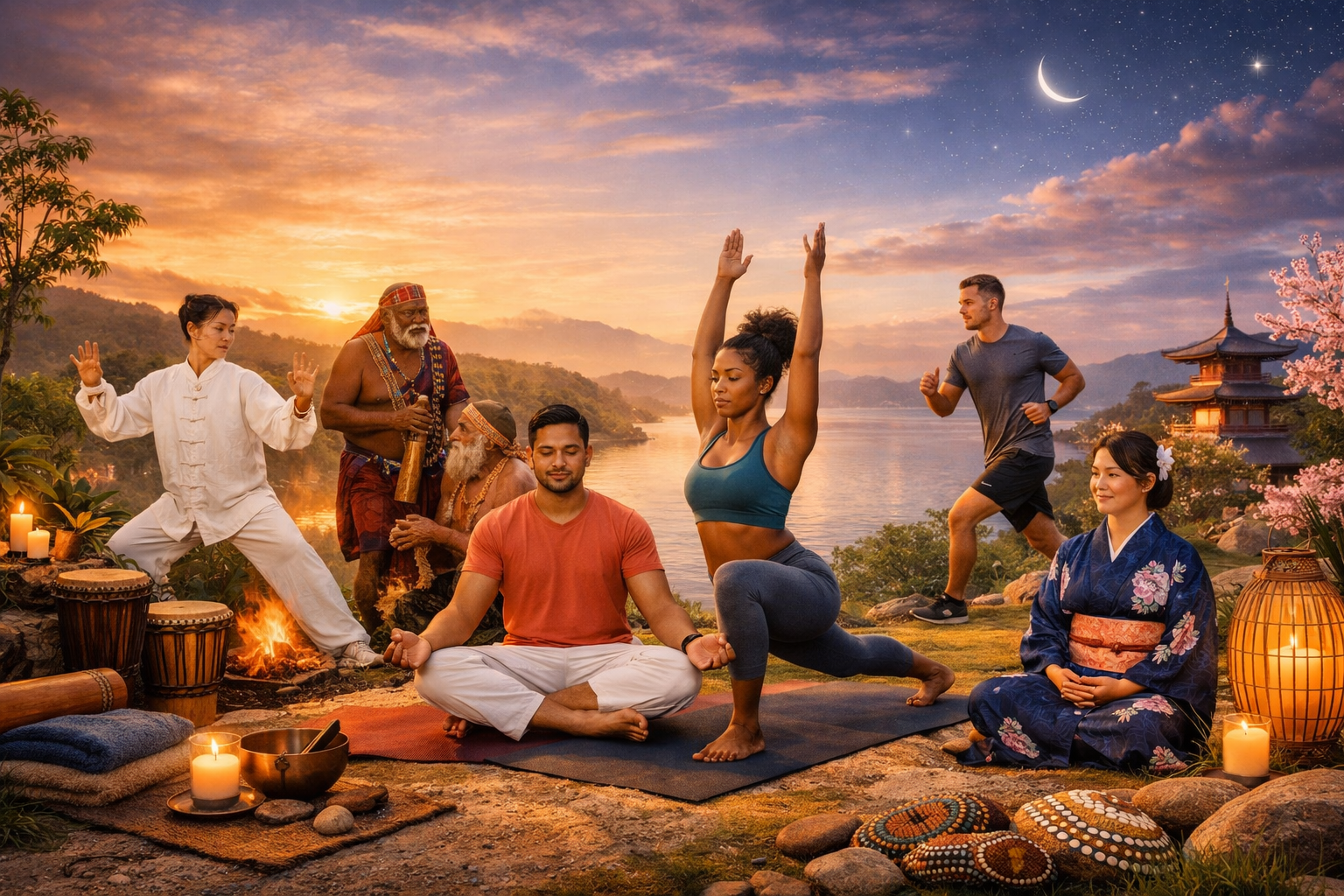
Humming is not a wellness trend. It is one of the oldest healing practices in human history. In India, the Bhramari Pranayama (Bee Breath) uses sustained humming as a formal yogic breathing practice dating back more than 2,000 years. Tibetan monks have used overtone chanting — a form of vocal vibration that produces multiple simultaneous tones — as a meditative and healing practice for centuries. Aboriginal Australians play the didgeridoo, which produces a deep, resonant drone created by circular breathing and sustained vibration. West African vocal traditions weave humming and tonal expression into ceremonial healing practices. Each of these cultures arrived at the same discovery independently: that the human voice, directed inward, can heal the body and calm the mind.
For dancers, sound healing through humming addresses one of the most overlooked aspects of performance readiness: nervous system regulation. A dancer whose nervous system is stuck in sympathetic dominance — the fight-or-flight state — will experience elevated muscle tension, impaired coordination, shallow breathing, and heightened anxiety. All of these undermine performance. Humming offers a direct, immediate, and scientifically validated pathway to shift the nervous system into the parasympathetic state where the body heals, the mind focuses, and movement becomes fluid.
The Healing Benefits of Sound Healing
Vagus Nerve Activation. The vagus nerve runs from the brainstem through the throat, heart, and abdomen. Humming vibrates the vocal cords and the surrounding tissues, directly stimulating the vagal pathways. A 2018 study in Medical Hypotheses demonstrated that humming increased nasal nitric oxide production by 15 times compared to quiet breathing — a marker of vagal stimulation. Increased vagal tone is associated with lower inflammation, improved digestion, better mood, and enhanced recovery from stress.
Stress Reduction and Cortisol Lowering. Research published in the International Journal of Yoga found that Bhramari Pranayama significantly reduced perceived stress and improved autonomic nervous system balance in participants after just five minutes of practice. For dancers facing the chronic stress of performance schedules, audition cycles, and physical demands, this represents a free, accessible, and immediate stress-management tool.
Blood Pressure Support. A 2019 pilot study in the Journal of Ayurveda and Integrative Medicine demonstrated that Bhramari Pranayama practice produced measurable reductions in systolic blood pressure. Given that dancers often experience elevated blood pressure related to performance anxiety, this finding has direct practical relevance.
Improved Focus and Mental Clarity. The sustained attention required to maintain a steady hum is itself a form of focused meditation. Research from the Journal of Alternative and Complementary Medicine found that yogic breathing practices including Bhramari improved attention and cognitive function. For dancers preparing for performance or learning new choreography, even three minutes of humming can reset the mind.
Enhanced Sinus and Respiratory Health. The 15-fold increase in nasal nitric oxide during humming has practical respiratory benefits. Nitric oxide is a natural antimicrobial and vasodilator that helps keep the sinuses clear and improves gas exchange in the lungs. For dancers who rely on efficient breathing for stamina, this is an unexpected but valuable bonus.
A Weekly Sound Healing Plan for Dancers
This plan introduces five distinct humming and sound healing practices across the week. Each session is five to fifteen minutes. All can be done at home or in a quiet corner of the studio.
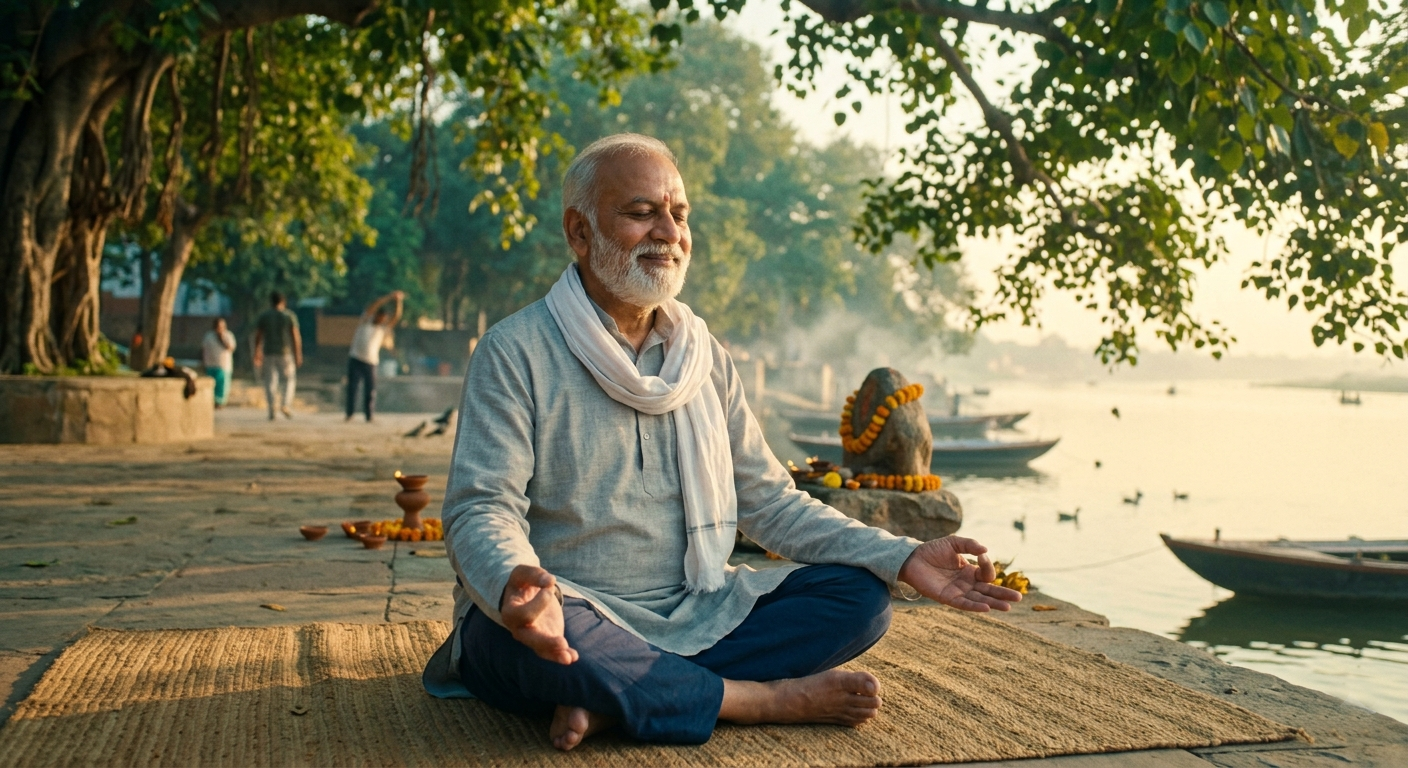
Monday — Basic Humming Practice (5 minutes). Sit comfortably with eyes closed. Inhale deeply through the nose, then exhale while humming on a comfortable, sustained pitch. Feel the vibration in the face and chest. Repeat for five minutes, allowing each hum to be slightly longer than the last. This is the foundational practice that activates the vagus nerve and transitions the body into a recovery state.
Tuesday — Bhramari Pranayama (10 minutes). Place the index fingers gently on the ear cartilage (tragus). Inhale deeply. On the exhale, press the tragus closed and hum with a steady, bee-like buzzing sound. The closed ears amplify the internal vibration, deepening the vagal stimulation. Practice 10 to 12 rounds. This is the classical Indian technique and the most studied form of humming for health.
Wednesday — Tonal Exploration (10 minutes). Hum at different pitches — low, middle, and high. Notice where each pitch creates the most sensation in the body. Low tones tend to resonate in the chest, middle tones in the throat, and high tones in the sinuses and forehead. This exploratory practice builds awareness of how vibration moves through the body and allows you to target specific areas for relaxation.
Thursday — Chanting or Vocalization (10 minutes). Choose a simple sound or syllable — "Om," "Aum," or even a sustained vowel like "Ahhhh" — and repeat it slowly and intentionally. This extends the humming practice into vocalization, engaging the full vocal apparatus and deepening the breath. Many traditions, from Indian mantra to Gregorian chant, use sustained vocalization as a healing and focusing practice.
Friday — Humming with Movement (15 minutes). Combine gentle, free-form movement with sustained humming. Sway, stretch, roll the spine, circle the arms — let the body move intuitively while the hum provides a continuous internal rhythm. This integration of sound and movement is the most dance-specific application of sound healing and creates a deeply calming, embodied experience that prepares the body for weekend rest or performance.
Weekly Focus Summary
Monday: Basic humming — Vagus nerve activation
Tuesday: Bhramari Pranayama — Deep vagal stimulation
Wednesday: Tonal exploration — Body awareness through vibration
Thursday: Chanting — Extended vocalization and breath deepening
Friday: Humming with movement — Sound-body integration
Why Sound Healing Works for Dancers
Dance is a discipline that lives at the intersection of the physical and the expressive. Sound healing through humming addresses the nervous system — the invisible layer that connects the body’s physical capacity to its emotional and artistic expression. A calm, well-regulated nervous system produces movement that is fluid, responsive, and free from the unnecessary tension that fear and stress create. A dysregulated nervous system produces movement that is tight, reactive, and effortful beyond what the choreography demands.
Humming is the simplest and most accessible tool for nervous system regulation that exists. It requires no equipment, no instructor, no special training, and no physical effort. It can be done in the wings before a performance, in a dressing room between shows, or at home before bed. And the effects are immediate — measurable changes in heart rate variability, blood pressure, and cortisol occur within minutes of sustained humming.
“The hum is the oldest sound the body knows how to make. It asks nothing of the world. It speaks only inward. And in that inward speaking, everything begins to settle.”
How to Get Started
Start with Monday’s basic humming practice. Five minutes is all that is required. Sit in a quiet space, close your eyes, and hum on a single comfortable pitch for the length of each exhale. There is no wrong way to hum. If you feel vibration in the face and chest, you are doing it correctly. Add the Bhramari Pranayama technique in week two and the remaining practices in subsequent weeks.
If you find the practice uncomfortable or feel lightheaded, shorten the hums and breathe naturally between rounds. Like any training, progression should be gradual and comfortable. The practice should feel calming, not straining.
A Practice Worth Celebrating
Sound healing is one of the most ancient and universal human practices. Indian yogis mapped its effects on the nervous system millennia ago. Tibetan monks used it to achieve states of deep meditative absorption. Aboriginal Australians wove it into their oldest cultural traditions through the resonant drone of the didgeridoo. West African communities integrated vocal vibration into healing ceremonies that predate written history. And every parent who has ever hummed a lullaby to a restless child has practiced it instinctively.
For dancers, humming and sound healing represent a return to the most fundamental connection between voice and body. You do not need a studio, a stage, or an audience. You need only your breath and your voice. Let the vibration do the rest.
Explore the full Health & Empowerment Series and discover how the world’s great movement and nutrition traditions can help you build a life of strength, creativity, and lasting wellness.
Disclaimer: This article is for educational purposes only and is not intended as fitness, medical, or nutritional advice. Always consult a qualified healthcare professional or certified fitness instructor before beginning any new exercise program.
Continue Exploring the Series
Health & Empowerment Series — Explore the full collection of articles on movement, nutrition, and self-empowerment.
Why Dance Is Medicine — The science behind how dance heals the body and mind.
The Dancer’s Prescription — A guide to moving, eating, and shining from the inside out.
The Food-Brain Connection — How nutrition shapes the way dancers think, feel, and perform.
Meditation for Dancers — Train your mind to move with clarity and calm.
Breathwork for Dancers — Strengthen your respiratory foundation for every movement.
Light Therapy for Dancers — Accelerate recovery and heal at the cellular level.
West African Organic Meal Prep — Ancient foods that heal the body and honor the culture.
Empowerment Workbooks & Guides — Tools for individuals, families, and young people ready to grow.
© 2026 Dance Mogul Magazine LLC | dancemogul.com | Inspiring Self-Empowerment Through Dance Culture