
Health & Empowerment Series | Global Organic Meal Prep
Spanish Organic Meal Prep: How the World’s Healthiest Country Turns Every Meal into Medicine
Spain topped the Bloomberg Healthiest Country Index for a reason. Its Mediterranean traditions — built on olive oil, legumes, seafood, and centuries of communal eating — offer a blueprint for longevity that dancers and health-conscious people everywhere can follow.
By Dance Mogul Magazine | Health & Empowerment Series | Global Organic Meal Prep
The Country That Eats Its Way to Longevity
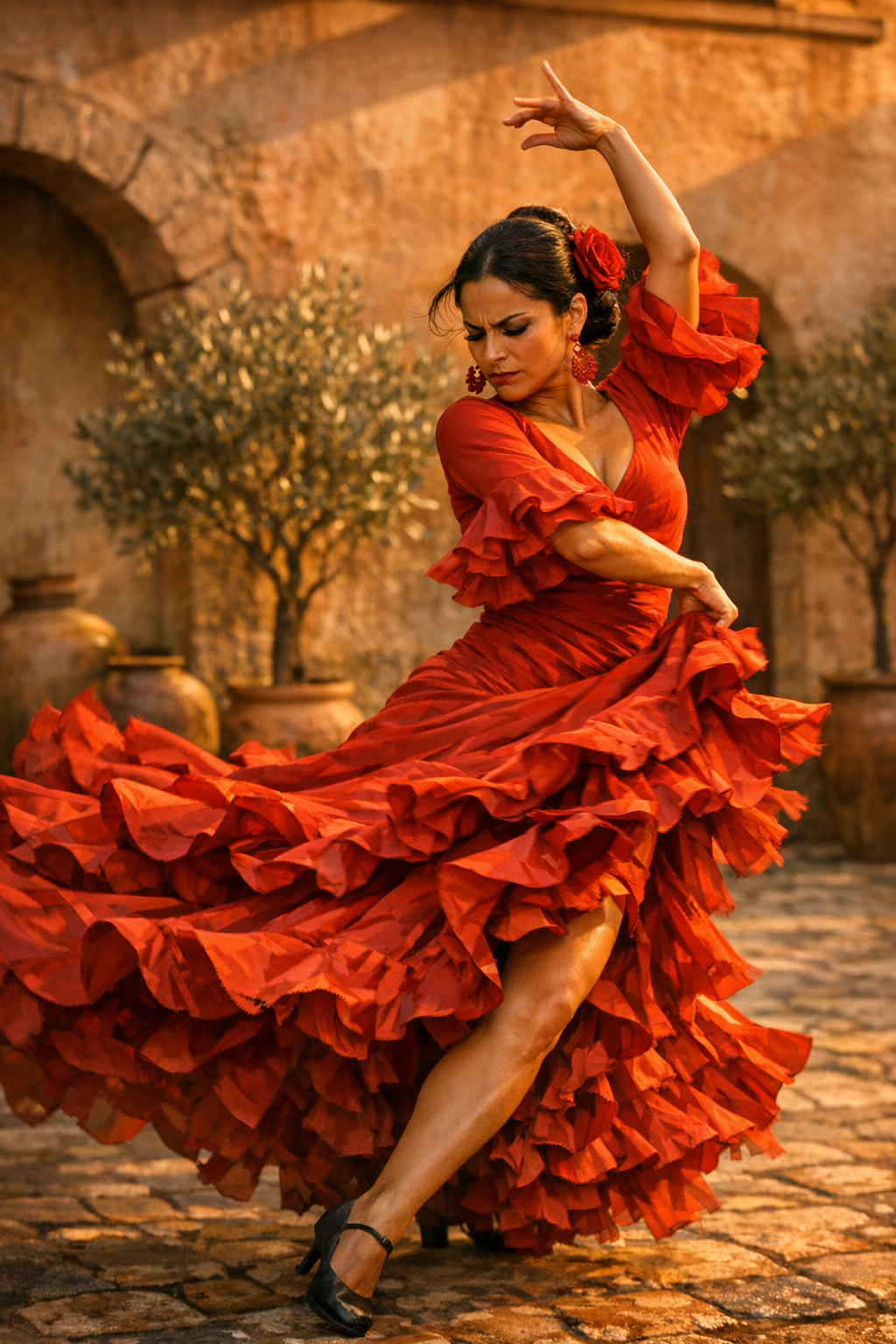
When Bloomberg named Spain the healthiest country in the world, surpassing even Italy and Japan, few who understood Spanish food culture were surprised. Spain has the highest life expectancy among European Union nations and is projected to reach nearly 86 years by 2040 — the longest on earth. The reasons are not hidden in pharmaceutical labs or expensive wellness retreats. They are on the dinner table.
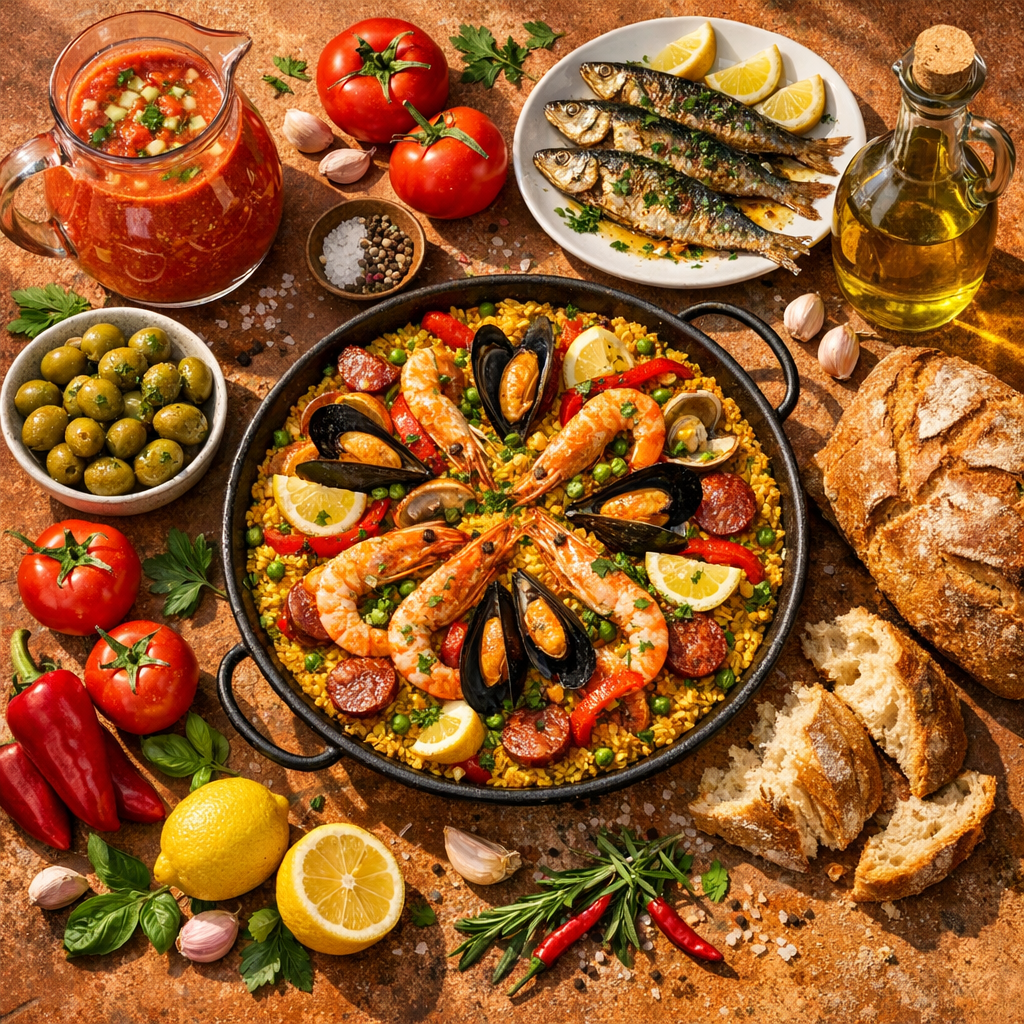
Extra-virgin olive oil poured generously over everything. Cold gazpacho on a summer afternoon. A slow pot of chickpeas simmered with spinach and garlic. Grilled sardines pulled from the Mediterranean that morning. A plate of tapas shared with friends at 9 p.m. because in Spain, eating is never rushed and never lonely.
This is the second article in Dance Mogul Magazine’s Health & Empowerment Series — a global journey through the organic food traditions of the world’s healthiest cultures. After beginning in West Africa, we travel to Spain — a nation whose relationship with food is recognized by UNESCO as part of the Intangible Cultural Heritage of Humanity and named the “world’s best diet” by U.S. News & World Report across all categories.
For dancers, athletes, and anyone seeking sustained energy, reduced inflammation, and foods that protect the heart and brain, Spain’s organic traditions offer a masterclass in eating with both pleasure and purpose.
Why Spain Was Chosen for This Spanish Organic Meal Prep Guide
The landmark PREDIMED trial — one of the largest and most rigorous nutritional studies ever conducted — followed over 7,400 Spanish adults at high cardiovascular risk for nearly five years. The results, published in the New England Journal of Medicine, demonstrated that participants following a Mediterranean diet supplemented with extra-virgin olive oil or nuts experienced approximately a 30 percent reduction in major cardiovascular events compared to those on a standard low-fat diet. Olive oil consumption alone was associated with a 48 percent reduced risk of cardiovascular mortality.
Additional research from 2025 has linked the Mediterranean dietary pattern to improved brain health, lower cancer risk, reduced blood pressure, and even protection against chronic digestive conditions. Scientists have found that this diet has a unique and beneficial effect on the gut microbiome, which directly influences what happens in the brain and throughout the body — a connection explored in Dance Mogul Magazine’s article “Your Gut Is Depressed Too”.
Spain is not merely a participant in the Mediterranean diet. It is the country that most fully embodies it — the world’s largest producer of olive oil, home to some of the richest regional food traditions in Europe, and a culture where meals are social rituals, not tasks to complete. If you want to learn how food becomes medicine, you learn from Spain.
Why This Matters
The PREDIMED trial proved that a Mediterranean diet rich in extra-virgin olive oil reduced major heart events by roughly 30 percent. Spain’s food traditions are not folklore — they are peer-reviewed, clinically validated medicine on a plate.
The Healing Pantry: Key Ingredients of Spanish Organic Cooking
Spanish cuisine is built on a surprisingly simple foundation — a handful of extraordinary ingredients prepared with care, eaten in season, and shared with others. Understanding what those ingredients are and what they do inside the body transforms a grocery list into a health strategy.
Extra-Virgin Olive Oil: Liquid Gold
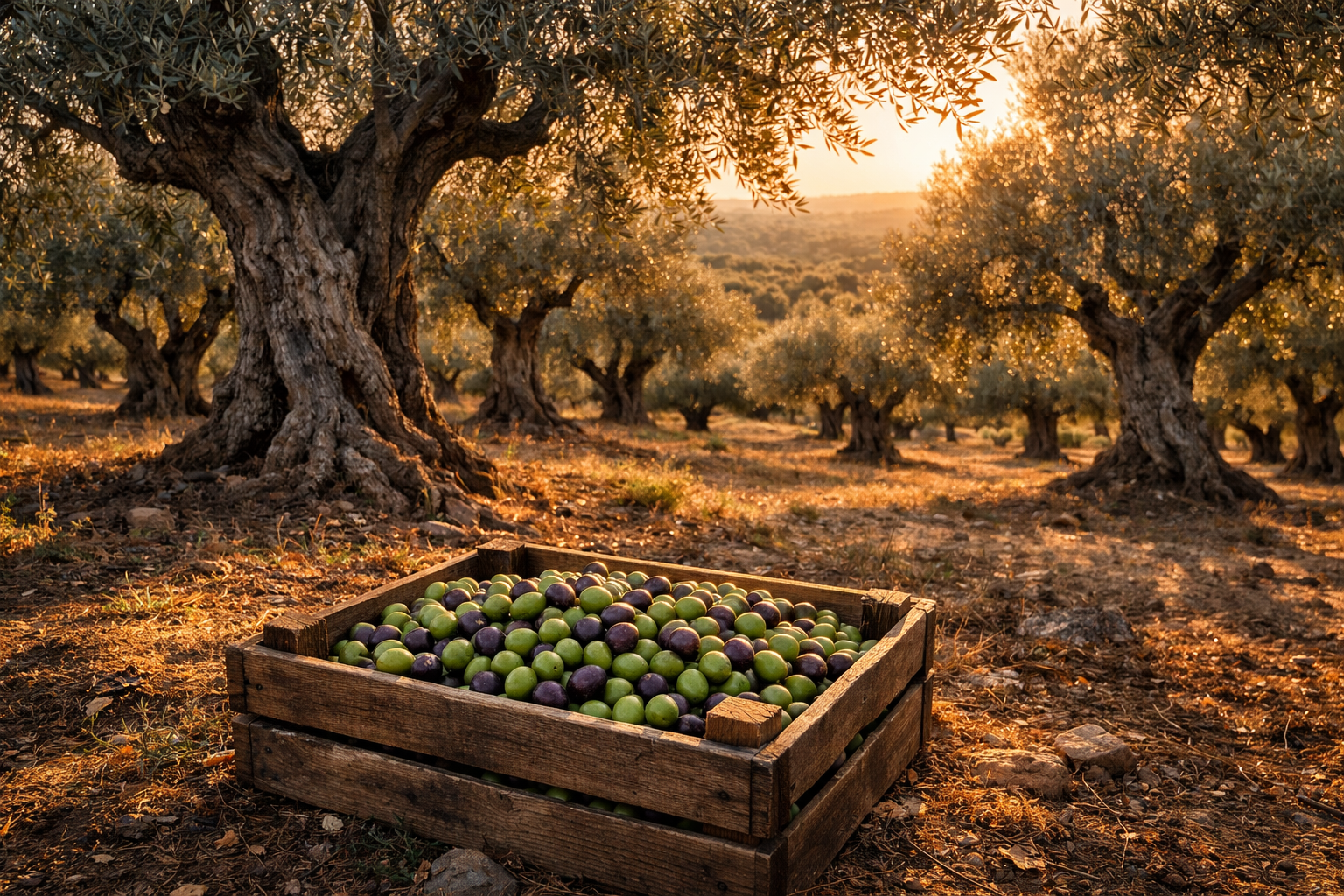
Spain produces more olive oil than any country on earth, and extra-virgin olive oil (EVOO) is the cornerstone of virtually every Spanish meal. It is not a condiment — it is the primary cooking fat, finishing oil, and flavoring agent all in one. EVOO is rich in oleic acid (a monounsaturated fat that supports cardiovascular health), polyphenols (powerful antioxidants that reduce inflammation), and vitamin E. The PREDIMED study demonstrated that for every 10 grams of additional EVOO consumed daily, cardiovascular risk dropped by a further 4 percent. In Spanish kitchens, a generous pour of olive oil is not indulgence — it is protection.
Legumes: The Protein the Body Trusts
Chickpeas, lentils, and white beans are the quiet heroes of Spanish cooking. Dishes like garbanzos con espinacas (chickpeas with spinach), cocido madrileño (Madrid’s legendary chickpea stew), and fabada asturiana (Asturian white bean stew) have sustained generations. Legumes provide plant-based protein, soluble fiber that lowers cholesterol, and a rich mineral profile including iron, magnesium, and potassium. For dancers, the slow-release carbohydrates in legumes deliver sustained energy without crashes — exactly what the body needs during long rehearsals or performances.
Tomatoes, Peppers, and Garlic: The Holy Trinity
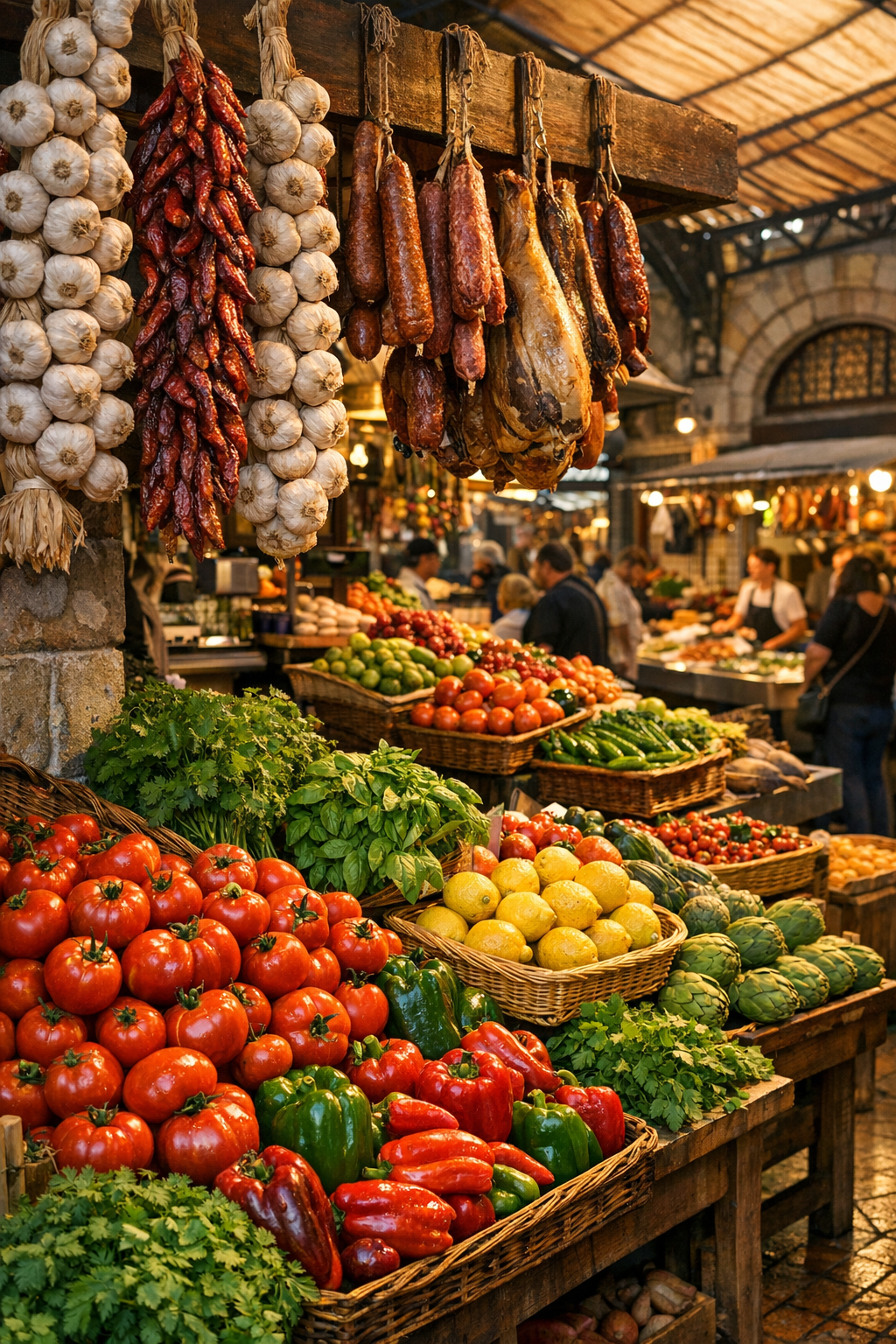
Nearly every Spanish dish begins with a sofrito — a slow-cooked base of tomatoes, onions, garlic, and peppers simmered in olive oil. This trio provides lycopene (a powerful antioxidant concentrated in cooked tomatoes), allicin from garlic (which supports healthy blood pressure and cholesterol), and vitamin C from peppers. The act of cooking these vegetables in olive oil increases the bioavailability of their nutrients — meaning the body absorbs more from the cooked combination than it would from any single ingredient eaten raw.
Seafood: Omega-3s from the Mediterranean
Spain’s coastline stretches over 4,900 kilometers, and seafood is central to the national diet. Sardines, anchovies, mackerel, shrimp, octopus, mussels, and fresh fish appear in everything from paella to simple grilled plates. These are among the richest natural sources of omega-3 fatty acids — essential fats that reduce inflammation, support brain function, protect the heart, and aid joint health. For dancers, omega-3s are especially valuable because they support recovery after intense physical activity and help maintain the flexibility and resilience of connective tissue.
Nuts and Seeds: The Snack That Heals
Almonds, hazelnuts, and walnuts are deeply embedded in Spanish food culture — from the almond-based ajo blanco (a cold white gazpacho) to the walnut-and-honey desserts of Catalonia. The PREDIMED trial included a Mediterranean diet arm supplemented with 30 grams of mixed nuts daily, which showed significant cardiovascular protection. Nuts provide healthy fats, protein, fiber, magnesium, and vitamin E — a nutrient profile that supports everything from brain health to muscle recovery.
Fresh Herbs and Spices: Flavor as Medicine
Spanish cooking relies on rosemary, thyme, oregano, bay leaves, saffron, and smoked paprika (pimentón). Each carries documented health benefits. Saffron has been studied for its antidepressant properties and antioxidant capacity. Smoked paprika contains capsaicin, which supports metabolism and circulation. Rosemary and thyme are rich in rosmarinic acid, a compound with anti-inflammatory and antimicrobial properties. When cooked in olive oil — as they are in virtually every Spanish recipe — thyme’s polyphenols provide oxidative protection to DNA.
Wine in Moderation: The Spanish Paradox
Red wine, consumed in moderation with meals, is a traditional component of the Spanish Mediterranean diet. It contains resveratrol — a polyphenol associated with cardiovascular protection and anti-inflammatory effects. The key word is moderation: one glass with dinner, sipped slowly, as part of a communal meal. Spain’s relationship with wine is about ritual and connection, not excess.
A 5-Day Spanish Organic Meal Prep Plan
This meal prep plan draws from Spain’s regional culinary traditions — Andalucía, Valencia, Galicia, Madrid, Catalonia, and beyond. Every meal uses organic or whole ingredients, prioritizes heart-healthy fats, lean proteins, and fiber-rich plants, and is designed to support the energy demands of dancers and active people.
Day 1 — Andalucía: Gazpacho and Grilled Sardines
Breakfast: Pan con tomate — toasted whole-grain bread rubbed with ripe tomato and drizzled with extra-virgin olive oil. A sprinkle of sea salt. This is the most beloved breakfast in Spain, delivering lycopene, healthy fats, and complex carbohydrates to start the day.
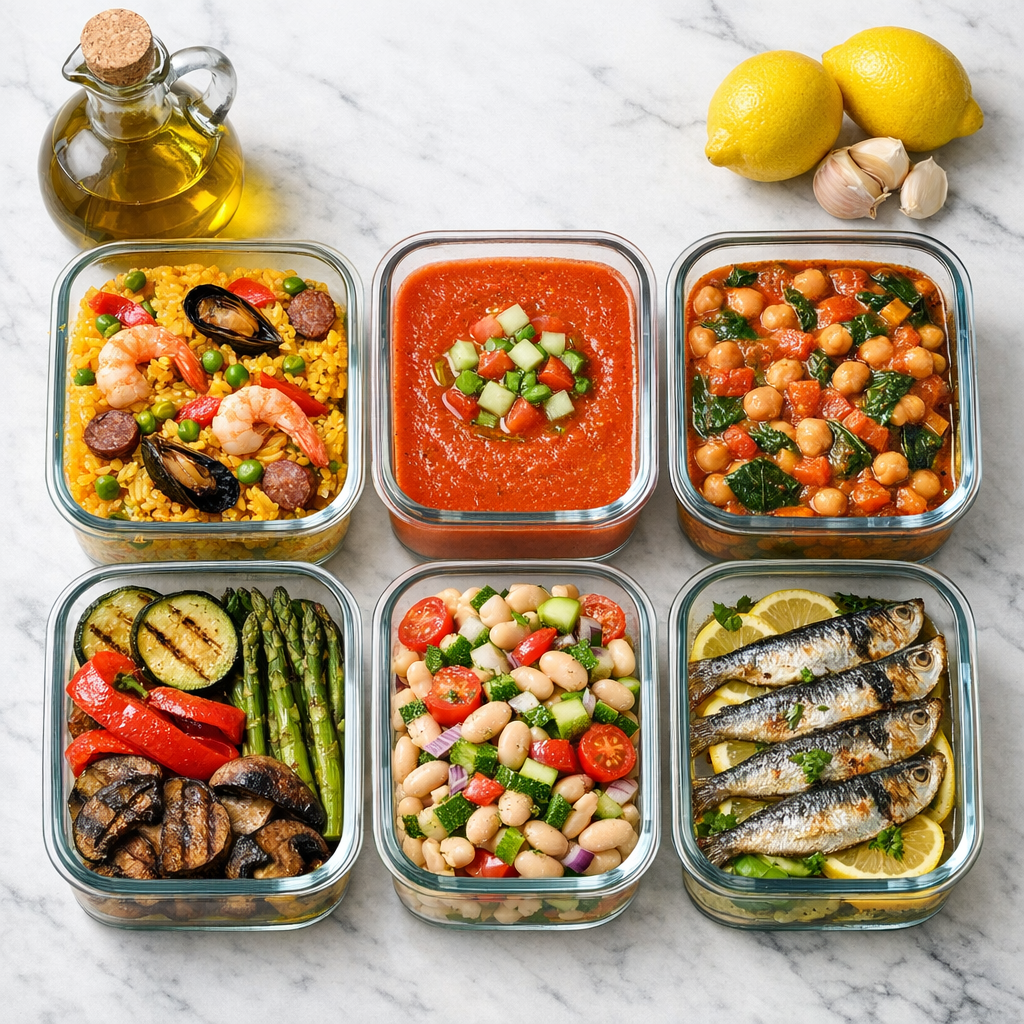
Lunch: Chilled gazpacho — a raw soup of ripe tomatoes, cucumbers, peppers, garlic, olive oil, and sherry vinegar, blended smooth and served cold. Gazpacho is a living food, rich in vitamin C, lycopene, and hydrating electrolytes. Alongside, a plate of grilled sardines drizzled with lemon juice and olive oil, providing omega-3s and lean protein.
Dinner: Garbanzos con espinacas (chickpeas with spinach) — a traditional Andalusian dish of chickpeas simmered with garlic, cumin, smoked paprika, and fresh spinach in olive oil. Iron-rich, fiber-dense, and deeply satisfying.
Health Focus: Cardiovascular protection, hydration, omega-3 fatty acids, iron replenishment.
Day 2 — Valencia: Paella and Mediterranean Salad
Breakfast: Organic Greek-style yogurt with sliced almonds, raw honey, and fresh seasonal fruit. Probiotics, healthy fats, and natural sugars for morning energy.
Lunch: Paella valenciana — Spain’s most iconic dish, made with short-grain rice, saffron, chicken, green beans, butter beans, tomatoes, rosemary, smoked paprika, garlic, and olive oil. Traditional paella is cooked slowly in a wide, shallow pan, often outdoors over an open fire. The saffron delivers antioxidant and mood-supporting compounds, while the legumes and rice provide complex carbohydrates for sustained energy.
Dinner: A simple Mediterranean salad of ripe tomatoes, cucumber, red onion, green olives, and fresh herbs dressed with extra-virgin olive oil and red wine vinegar. Accompanied by a small piece of grilled fish.
Health Focus: Sustained energy, anti-inflammatory saffron, blood sugar balance.
Day 3 — Galicia: Pulpo a la Gallega and White Bean Stew
Breakfast: Organic whole-grain toast with mashed avocado, a drizzle of olive oil, and a pinch of smoked paprika. A boiled egg on the side. Healthy fats, complete protein, and B vitamins.
Lunch: Pulpo a la gallega (Galician-style octopus) — tender octopus sliced and served on a wooden board, drizzled with olive oil and sprinkled with smoked paprika and coarse sea salt. Octopus is an excellent source of lean protein, iron, and vitamin B12 — critical for energy production and nervous system health.
Dinner: Fabada asturiana (white bean stew) — large white beans slow-cooked with smoked paprika, garlic, bay leaves, and a small amount of lean chorizo for depth of flavor. This is one of Spain’s most comforting dishes, rich in plant protein, fiber, and minerals.
Health Focus: Vitamin B12, lean protein, cholesterol management, digestive health.
Day 4 — Madrid: Cocido Madrileño and Tortilla Española
Breakfast: Tortilla española — Spain’s beloved potato omelet, made with organic eggs, potatoes, onions, and olive oil. Served at room temperature, it provides complete protein, slow-release carbohydrates, and healthy fats. A single slice is substantial enough to fuel a morning.
Lunch: Cocido madrileño — Madrid’s signature one-pot meal of chickpeas, vegetables (cabbage, carrots, potatoes), and lean meat simmered together for hours. The broth is traditionally served first as a soup, followed by the vegetables and chickpeas, then the meat. This three-course-in-one-pot approach ensures maximum nutrient extraction and a deeply nourishing meal.
Dinner: Grilled seasonal vegetables — zucchini, eggplant, red peppers, and asparagus — drizzled with olive oil and served with a small portion of Manchego cheese and walnuts.
Health Focus: Complete nutrition, bone health (calcium from cheese), sustained energy.
Day 5 — Catalonia: Escalivada and Seafood Fideuà
Breakfast: Fresh seasonal fruit with a handful of hazelnuts and a drizzle of raw honey. Catalonia is famous for its hazelnuts, which provide vitamin E, magnesium, and healthy monounsaturated fats.
Lunch: Fideuà — Catalonia’s answer to paella, made with short pasta noodles instead of rice, cooked in a rich seafood broth with shrimp, mussels, fish, garlic, tomatoes, and saffron. Served with allioli (garlic and olive oil emulsion) on the side. The seafood delivers omega-3s, zinc, and selenium, while the saffron provides its signature mood-supporting and antioxidant properties.
Dinner: Escalivada — a traditional Catalan dish of roasted eggplant, red peppers, onions, and tomatoes, drizzled with olive oil and served with crusty whole-grain bread. The slow roasting caramelizes the natural sugars in the vegetables, concentrating their flavor and nutrients without any added fat beyond the olive oil finish.
Health Focus: Omega-3 fatty acids, selenium (immune support), antioxidant-rich vegetables, joint health.
How Spanish Organic Meal Prep Supports Dancers and Active Bodies
Spain’s food traditions are not designed for sedentary life. They evolved among farmers, fishermen, and communities where physical labor was daily. This makes them exceptionally well-suited for dancers and athletes who need food that fuels without weighing the body down.
Sustained Energy: Legumes and whole grains provide complex carbohydrates that release energy gradually — no spikes, no crashes. A dancer who eats a bowl of chickpea stew at lunch will carry that energy through a three-hour evening rehearsal.
Inflammation Control: Olive oil, seafood, nuts, and fresh herbs create a constant stream of anti-inflammatory compounds. For dancers whose joints, tendons, and muscles are under daily stress, this is not a luxury — it is structural maintenance.
Recovery: Omega-3 fatty acids from fish accelerate post-exercise recovery. The high antioxidant load from vegetables, olive oil, and herbs helps neutralize the oxidative stress that intense physical activity creates.
Mental Clarity: The gut-brain connection — strengthened by the fiber, polyphenols, and fermented foods in the Spanish diet — supports the focus, memory, and emotional regulation that performance demands.
Dance Mogul Magazine’s Health & Empowerment Series has already established why dance is medicine — from its ability to reduce cortisol to its power to rewire the brain’s stress response. When you fuel that movement with the organic, nutrient-dense traditions of Spain, you are building a complete performance and health strategy.
“In Spain, food is never just fuel. It is ritual, community, and medicine — three things every dancer already understands in their bones.”
Practical Spanish Organic Meal Prep Tips
Sunday Prep Session (2–3 hours): Make a large pot of chickpea or white bean stew (it improves over days). Prepare a batch of gazpacho and refrigerate it in jars. Grill or roast a tray of seasonal vegetables. Cook a tortilla española and cut it into portions. Prepare a container of sofrito base (sautéed tomatoes, onions, garlic in olive oil) to use as a starter throughout the week.
Sourcing Organic Ingredients: Extra-virgin olive oil is the single most important investment — choose a high-quality, cold-pressed Spanish EVOO. Look for organic chickpeas, lentils, and white beans at natural food stores or online. Fresh seafood should be wild-caught when possible. Seasonal, locally grown vegetables will always be more nutrient-dense than out-of-season imports.
The Tapas Approach to Meal Prep: Spanish eating culture is built on variety in small portions. Instead of one large meal, prep several small dishes — a jar of marinated olives, a container of roasted peppers, a portion of white bean salad, some grilled fish — and assemble them as tapas plates throughout the week. This approach reduces meal fatigue and ensures a wide range of nutrients.
Hydration: Spain’s traditional beverages support health beautifully. Agua de Valencia (fresh orange juice) provides vitamin C. Herbal infusions of chamomile, thyme, and mint aid digestion and relaxation. And gazpacho itself doubles as a hydrating, nutrient-rich drink.
Quick Reference — Key Spanish Health Foods
Heart Protection: Extra-virgin olive oil, sardines, almonds, walnuts, chickpeas
Anti-Inflammatory: Olive oil, saffron, rosemary, thyme, smoked paprika, seafood
Sustained Energy: Chickpeas, lentils, white beans, whole grains, potatoes
Brain Health: Sardines, anchovies, walnuts, saffron, olive oil
Recovery and Joints: Omega-3-rich fish, nuts, roasted vegetables, garlic
A Culture Worth Celebrating
Spain’s relationship with food teaches something that no supplement or biohack can replicate: eating is a communal act, a source of joy, and a daily practice of caring for yourself and the people around you. The Spanish do not eat quickly at their desks. They gather. They share plates. They take time. And the science shows that this approach — the social, unhurried, pleasure-centered ritual of the meal — is itself a health intervention, reducing cortisol, improving digestion, and strengthening the bonds that protect mental health.
María Branyas Morera, who passed away in 2024 at the age of 117, was the world’s oldest person — and she was Spanish. Researchers studying her longevity found patterns consistent with a lifetime of Mediterranean eating: olive oil, fresh vegetables, fish, legumes, and the deep social connections that Spanish food culture fosters.
Spain does not just eat well. It lives well. And that is the lesson — not just for dancers, but for everyone.
“Spain does not just eat well. It lives well. And that is the lesson — not just for dancers, but for everyone.”
What Comes Next in the Global Organic Meal Prep Series
Spain is the second stop in a journey that began in West Africa and will continue through 20 of the world’s healthiest cultures. Each article explores how traditional organic foods protect the body, honor the culture, and offer practical meal prep strategies for dancers and health-conscious readers worldwide.
Explore the full Health & Empowerment Series to understand how dance as medicine, the food-brain connection, and The Dancer’s Prescription all fit together. For more resources on self-empowerment, explore our empowerment workbooks — designed for individuals, families, and young people ready to take the next step.
© 2026 Dance Mogul Magazine LLC | dancemogul.com | Inspiring Self-Empowerment Through Dance Culture