
Health & Empowerment Series | Global Organic Meal Prep
Swedish Organic Meal Prep: How the Nordic Diet Powers One of the Healthiest Nations
Global Organic Meal Prep Series — Article 6 of 20
By Dance Mogul Magazine | Health & Empowerment Series | Global Organic Meal Prep
Why Sweden Belongs in the Global Organic Meal Prep Series
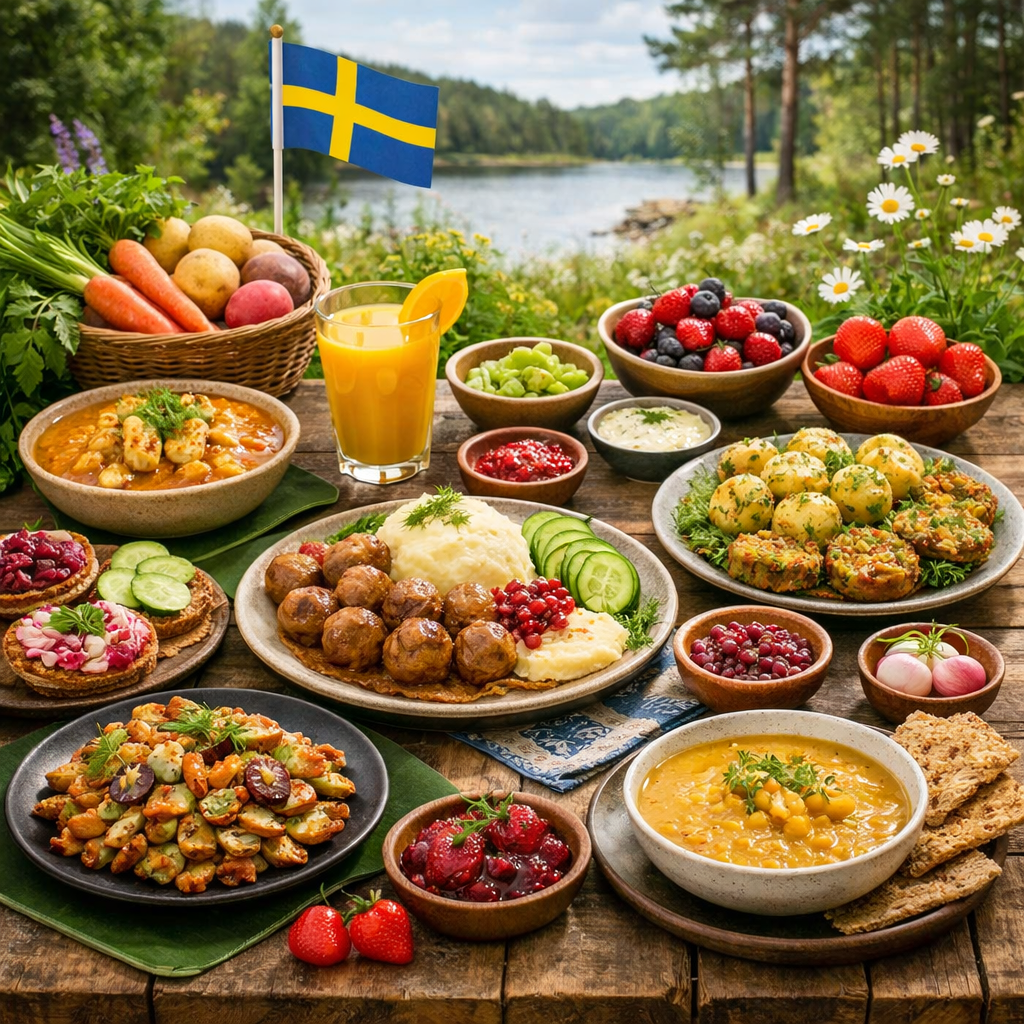
Sweden is a nation that has built one of the healthiest populations in the world through a combination of outdoor culture, universal healthcare, and a food tradition rooted in the land and sea. The New Nordic Diet — developed by Scandinavian researchers and chefs — has been clinically shown to reduce inflammation, lower blood pressure, improve cholesterol profiles, and support healthy weight management. But long before researchers gave it a name, Swedish families were already eating this way: wild berries foraged from forests, whole-grain rye bread baked at home, fatty fish pulled from cold northern waters, and fermented dairy passed down through generations.
Sweden also leads the world in organic food consumption per capita, with over 10 percent of total food sales certified organic. The Swedish concept of lagom — meaning “just the right amount” — defines not just how Swedes eat, but how they live. Not too much, not too little, but exactly enough. For dancers, this principle of balanced sufficiency is a masterclass in sustainable fueling.
The Swedish Organic Meal Prep Healing Pantry
Wild Berries: Lingonberries, blueberries, cloudberries, and sea buckthorn grow wild across Swedish forests and are protected by allemansrätten (the right of public access), meaning anyone can forage them freely. These berries are exceptionally rich in anthocyanins, vitamin C, and antioxidants that combat oxidative stress, support immune function, and protect cardiovascular health. Lingonberries in particular contain benzoic acid, a natural preservative and anti-inflammatory compound.
Fatty Fish: Herring, mackerel, salmon, and Arctic char are consumed several times per week across Sweden. These cold-water fish deliver omega-3 fatty acids essential for reducing inflammation, protecting heart health, supporting brain function, and maintaining the joint flexibility that dancers depend on daily.
Whole-Grain Rye: Swedish knäckebröd (crispbread) is one of the oldest bread traditions in Scandinavia. Dense rye bread is high in fiber, low on the glycemic index, and rich in B vitamins, iron, and magnesium. It provides steady, slow-releasing energy without blood sugar spikes.
Fermented Dairy: Filmjölk (fermented milk) and yogurt are daily staples that deliver probiotics, calcium, and protein. A healthy gut microbiome — supported by fermented foods — is now linked to improved immunity, mood regulation, and nutrient absorption.
Root Vegetables and Legumes: Potatoes, carrots, turnips, beets, and yellow peas form the hearty base of Swedish cooking. These provide complex carbohydrates, fiber, potassium, and a range of vitamins that sustain energy and support cardiovascular health.
5-Day Swedish Organic Meal Prep Plan
Day 1 — Stockholm: Breakfast: filmjölk with wild blueberries, granola, and a drizzle of honey. Lunch: open-faced knäckebröd with smoked salmon, cream cheese, dill, and pickled cucumber. Dinner: pan-seared herring with boiled new potatoes, lingonberry sauce, and a simple green salad.
Day 2 — Gothenburg: Breakfast: oatmeal porridge with lingonberries, toasted almonds, and cinnamon. Lunch: yellow pea soup (ärtsoppa) with whole-grain rye bread and mustard. Dinner: baked salmon with roasted root vegetables (carrots, parsnips, beets) and fresh dill.
Day 3 — Malmö: Breakfast: yogurt with cloudberry jam, pumpkin seeds, and flaxseed. Lunch: warm beet and lentil salad with goat cheese and toasted walnuts. Dinner: Swedish meatballs (made with lean beef and pork) with mashed potatoes, lingonberries, and pickled cucumber.
Day 4 — Uppsala: Breakfast: whole-grain rye toast with avocado, soft-boiled egg, and sea salt. Lunch: shrimp salad on crispbread with lemon, mayonnaise, and fresh herbs. Dinner: roasted chicken thighs with braised red cabbage, apple, and caraway seeds.
Day 5 — Dalarna: Breakfast: filmjölk smoothie with wild berries, banana, and oats. Lunch: smoked mackerel with potato salad, capers, and fresh dill. Dinner: venison stew with root vegetables, juniper berries, and crusty bread.
Why Swedish Organic Meal Prep Works for Dancers
The Swedish diet is built for endurance. Whole-grain rye provides slow-burning carbohydrates that sustain energy across long training sessions without the crash of refined grains. Fatty fish delivers the omega-3s that reduce joint inflammation and accelerate muscle recovery. Fermented dairy keeps the gut microbiome thriving — essential for nutrient absorption and immune resilience. And the wild berries provide antioxidant protection against the oxidative stress of intense physical training.
The Swedish principle of lagom extends beyond food into lifestyle: balanced effort, adequate rest, and moderation in all things. This philosophy naturally prevents the overtraining and under-fueling that sideline so many dancers. Sweden teaches that sustainable performance comes from sustainable habits — not extreme diets or quick fixes.
“Sweden teaches that lasting health lives in balance — just the right amount of everything the body needs, nothing more and nothing less.”
Practical Swedish Organic Meal Prep Tips
Sunday Prep: Cook a batch of oat porridge base for the week. Prepare a jar of pickled cucumbers (pressgurka). Roast a tray of root vegetables. Portion filmjölk or yogurt with toppings. Smoke or bake a batch of fish fillets. Make lingonberry sauce (just berries, sugar, and water — keeps for weeks).
Sourcing: Lingonberries and cloudberries are available frozen at Scandinavian specialty stores and online (IKEA’s food market is a surprisingly good source). Knäckebröd (Wasa brand and others) is widely available internationally. Wild-caught herring and mackerel can be found at quality fishmongers. Filmjölk can be substituted with kefir if unavailable locally.
Hydration: Swedes drink coffee in moderation (the fika tradition is sacred) but prioritize clean water and herbal teas. Elderflower cordial diluted with sparkling water is a traditional warm-weather refreshment. Avoid sweetened beverages entirely.
A Culture Worth Celebrating
Sweden proves that the healthiest diets are not built on restriction or deprivation — they are built on abundance of the right things. Wild berries from ancient forests, fish from cold northern seas, bread from hand-milled grain, and dairy fermented with care. The Swedish table is generous without being excessive, nourishing without being complicated. For the global dance community, Sweden’s message is clear: eat what the land provides, honor the balance of lagom, and trust that simplicity sustains.
Continue Exploring the Global Organic Meal Prep Series
Health & Empowerment Series • West African Organic Meal Prep • Spanish Organic Meal Prep • Italian Organic Meal Prep • Japanese Organic Meal Prep • Icelandic Organic Meal Prep • Why Dance Is Medicine • The Dancer’s Prescription • Workbooks & Guides • Swiss Organic Meal Prep