
Health & Empowerment Series | Fitness & Movement
Meditation for Dancers: Build Focus, Reduce Anxiety, and Find Your Mental Edge
How contemplative traditions from India, Japan, and the Middle East are helping dancers worldwide train the most powerful muscle they have — their mind.
By Dance Mogul Magazine | Health & Empowerment Series | Fitness Series — Article 2 of 10
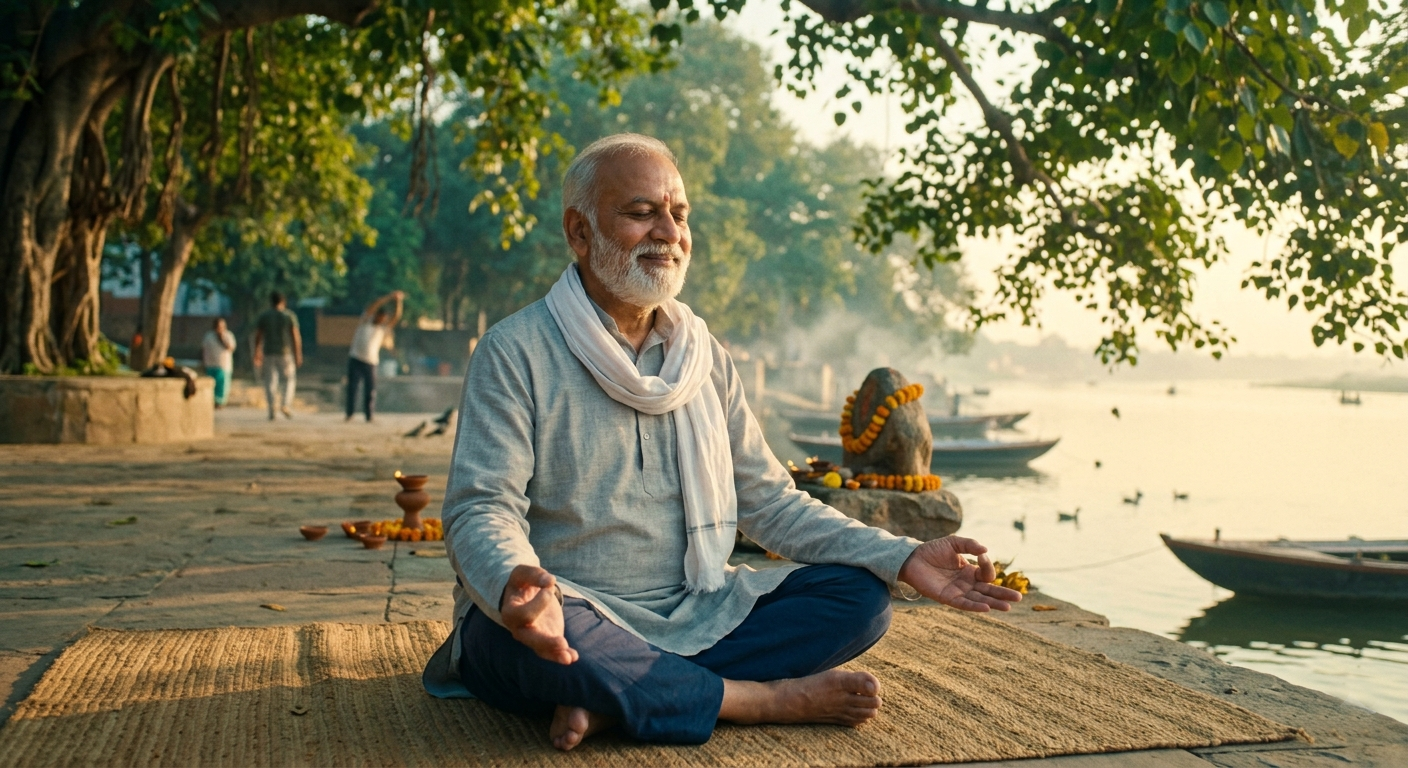
Why Meditation for Dancers Matters
The spotlight hits. The music starts. And in that fraction of a second, the dancer’s mind either becomes an ally or an obstacle. Performance anxiety, self-doubt, mental fatigue, the inability to stay present during a phrase — these are not physical problems. They are mental ones. And dance training, for all its physical rigor, rarely addresses them directly.
Meditation does. It is the practice of training attention — learning to notice thoughts without being consumed by them, to remain present when the body wants to rush ahead or the mind wants to retreat. For dancers, this is not abstract philosophy. It is a performance skill as real and as trainable as a pirouette.
The roots of meditation span nearly every major civilization on earth. Contemplative practices emerged independently in Vedic India more than 3,000 years ago, in Buddhist traditions across Southeast Asia, in Taoist practices in China, in Sufi mysticism throughout the Middle East, and in Christian contemplative traditions in Europe. Each culture arrived at the same insight through different paths: the mind, like the body, can be trained — and that training changes everything.
Modern neuroscience has caught up. Research from institutions including Harvard Medical School, the Max Planck Institute, and the University of Wisconsin has demonstrated that meditation produces measurable changes in brain structure and function — changes that are directly relevant to the demands dancers face every day.
The Healing Benefits of Meditation
Reduced Performance Anxiety. A landmark 2014 study in JAMA Internal Medicine analyzed 47 clinical trials and concluded that mindfulness meditation programs produced moderate improvements in anxiety, depression, and pain. For performing artists, anxiety is not just uncomfortable — it directly interferes with motor control, timing, and expression. Meditation trains the nervous system to downregulate the stress response, allowing the dancer to perform from a place of calm rather than fear.
Improved Focus and Sustained Attention. Research published in Psychological Science demonstrated that just two weeks of meditation training improved attention span and working memory capacity. For dancers, this translates into better retention of choreography, sharper musicality, and the ability to stay present during long rehearsals without mental drift.
Faster Emotional Recovery. Dance is emotionally demanding. Audition rejections, critical feedback, and the pressure to perform can accumulate into chronic emotional stress. Meditation builds what psychologists call "emotional resilience" — the ability to experience difficult emotions without being overwhelmed by them. A 2018 study in Frontiers in Psychology found that regular meditators recovered from negative emotional events significantly faster than non-meditators.
Enhanced Body Awareness. Many meditation traditions include body-scan practices that systematically direct attention through different regions of the body. This trains interoception — the ability to sense internal states like muscle tension, breath rhythm, and fatigue. For dancers, heightened interoception means earlier detection of injury signals, more precise movement execution, and a deeper connection between intention and action.
Better Sleep Quality. A 2015 study in JAMA Internal Medicine found that mindfulness meditation significantly improved sleep quality in older adults with sleep disturbances. Dancers, who often perform late and travel frequently, benefit enormously from any practice that supports deep, restorative sleep — the foundation of physical recovery.
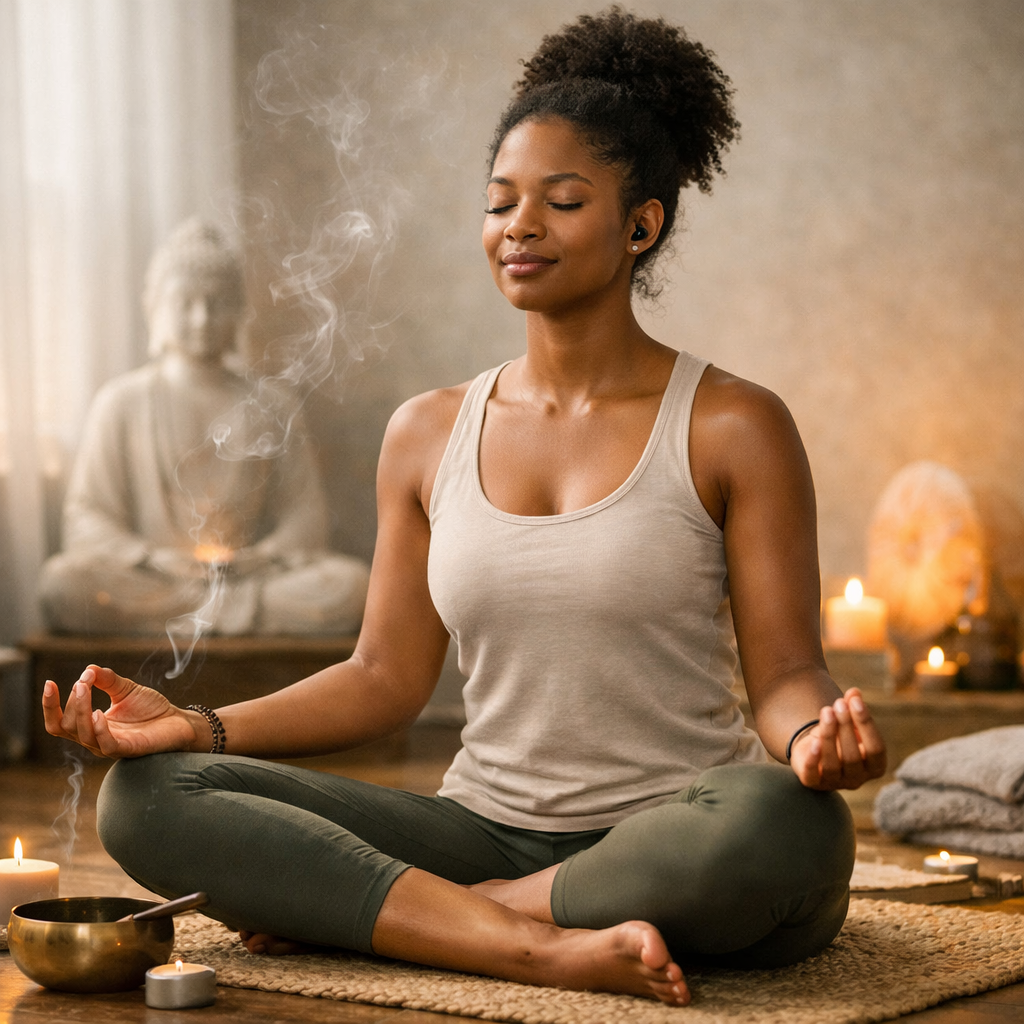
A Weekly Meditation Plan for Dancers
This plan is designed for beginners and experienced practitioners alike. Start with shorter sessions and build gradually. Consistency matters more than duration — ten minutes daily is more powerful than one hour weekly.
Monday — Breath Awareness (10 minutes). Sit comfortably with eyes closed. Direct your attention to the natural rhythm of your breath. When the mind wanders — and it will — gently return attention to the breath without judgment. This foundational practice trains the same attentional muscle that holds focus during performance.
Tuesday — Body Scan (15 minutes). Lie down in a comfortable position. Slowly direct your awareness through each part of the body, starting at the crown of the head and moving down to the toes. Notice sensations without trying to change them. This practice builds interoception and helps dancers identify areas of tension or fatigue before they become injuries.
Wednesday — Loving-Kindness Meditation (10 minutes). Silently repeat phrases of goodwill toward yourself, a loved one, a neutral person, and eventually all beings. This practice, rooted in Buddhist Metta tradition, reduces self-criticism and builds emotional warmth — qualities that enhance both artistry and collaboration in the studio.
Thursday — Visualization (15 minutes). Close your eyes and mentally rehearse a piece of choreography in vivid detail. See the space, hear the music, feel the movement in your body. Neuroscience has shown that mental rehearsal activates many of the same neural pathways as physical practice. This is not daydreaming — it is deliberate mental training.
Friday — Open Awareness (10 minutes). Sit quietly and allow attention to rest without directing it anywhere specific. Notice sounds, sensations, thoughts, and emotions as they arise and pass. This practice builds the spacious, non-reactive awareness that allows a dancer to respond to the unexpected — a missed cue, a partner’s timing shift, a new audience — without losing composure.
Weekly Focus Summary
Monday: Breath Awareness — Attentional training
Tuesday: Body Scan — Interoception and recovery
Wednesday: Loving-Kindness — Emotional resilience
Thursday: Visualization — Mental rehearsal
Friday: Open Awareness — Non-reactive presence
Why Meditation Works for Dancers
Dance is one of the most cognitively demanding art forms in existence. It requires the simultaneous integration of spatial awareness, musical timing, emotional expression, physical coordination, and social awareness — all in real time. Meditation trains the brain to manage this complexity without becoming overwhelmed. It builds the capacity to hold multiple streams of information in awareness simultaneously while maintaining a steady center of calm.
World-class performers across disciplines have recognized this. Misty Copeland has spoken about the role of mental focus in her training. Companies including Netherlands Dans Theatre and Akram Khan Company have incorporated mindfulness into their creative processes. The common thread is simple: when the mind is trained, the body follows.
“The body cannot go where the mind has not been first. Meditation is how the dancer learns to arrive before the movement begins.”
How to Get Started
No special equipment is required. Find a quiet space, set a timer for ten minutes, and sit comfortably. Close your eyes and follow your breath. That is the entire instruction. The practice is simple — but simple is not the same as easy. The mind will wander constantly in the beginning. That is normal. The practice is not about achieving perfect stillness but about noticing when attention has drifted and gently bringing it back.
Guided meditation apps such as Insight Timer, Headspace, or Calm can be helpful for beginners. Many offer programs specifically designed for athletes and performers. Start with five to ten minutes and build toward twenty over the course of several weeks. The effects are cumulative — most practitioners report noticeable changes in focus and emotional regulation within two to four weeks of daily practice.
A Practice Worth Celebrating
Meditation is not a single tradition — it is a global inheritance. Buddhist monks in Thailand, Sufi mystics in Turkey, Hindu yogis in India, Zen practitioners in Japan, and contemplative Christians in Europe all arrived at the same fundamental discovery: that training the mind is as important as training the body, and that stillness is not the absence of movement but the deepest preparation for it.
For dancers, meditation is the practice that completes the circle. The body trains in the studio. The mind trains in silence. And when both are prepared, the performance becomes something more than technique — it becomes presence. That is the gift meditation offers. And it is available to every dancer, in every tradition, on every stage in the world.
Explore the full Health & Empowerment Series and discover how the world’s great movement and nutrition traditions can help you build a life of strength, creativity, and lasting wellness.
Disclaimer: This article is for educational purposes only and is not intended as fitness, medical, or nutritional advice. Always consult a qualified healthcare professional or certified fitness instructor before beginning any new exercise program.
Continue Exploring the Series
Health & Empowerment Series — Explore the full collection of articles on movement, nutrition, and self-empowerment.
Why Dance Is Medicine — The science behind how dance heals the body and mind.
The Dancer’s Prescription — A guide to moving, eating, and shining from the inside out.
The Food-Brain Connection — How nutrition shapes the way dancers think, feel, and perform.
Yoga for Dancers — Build flexibility, prevent injury, and sharpen your focus.
Breathwork for Dancers — Strengthen your respiratory foundation for every movement.
West African Organic Meal Prep — Ancient foods that heal the body and honor the culture.
Empowerment Workbooks & Guides — Tools for individuals, families, and young people ready to grow.
© 2026 Dance Mogul Magazine LLC | dancemogul.com | Inspiring Self-Empowerment Through Dance Culture