
Health & Empowerment Series | Fitness & Movement
Yoga for Dancers: Build Flexibility, Prevent Injury, and Sharpen Your Focus
How a 5,000-year-old practice from India became the ultimate cross-training secret for dancers around the world — and why the science says it works.
By Dance Mogul Magazine | Health & Empowerment Series | Fitness Series — Article 1 of 10
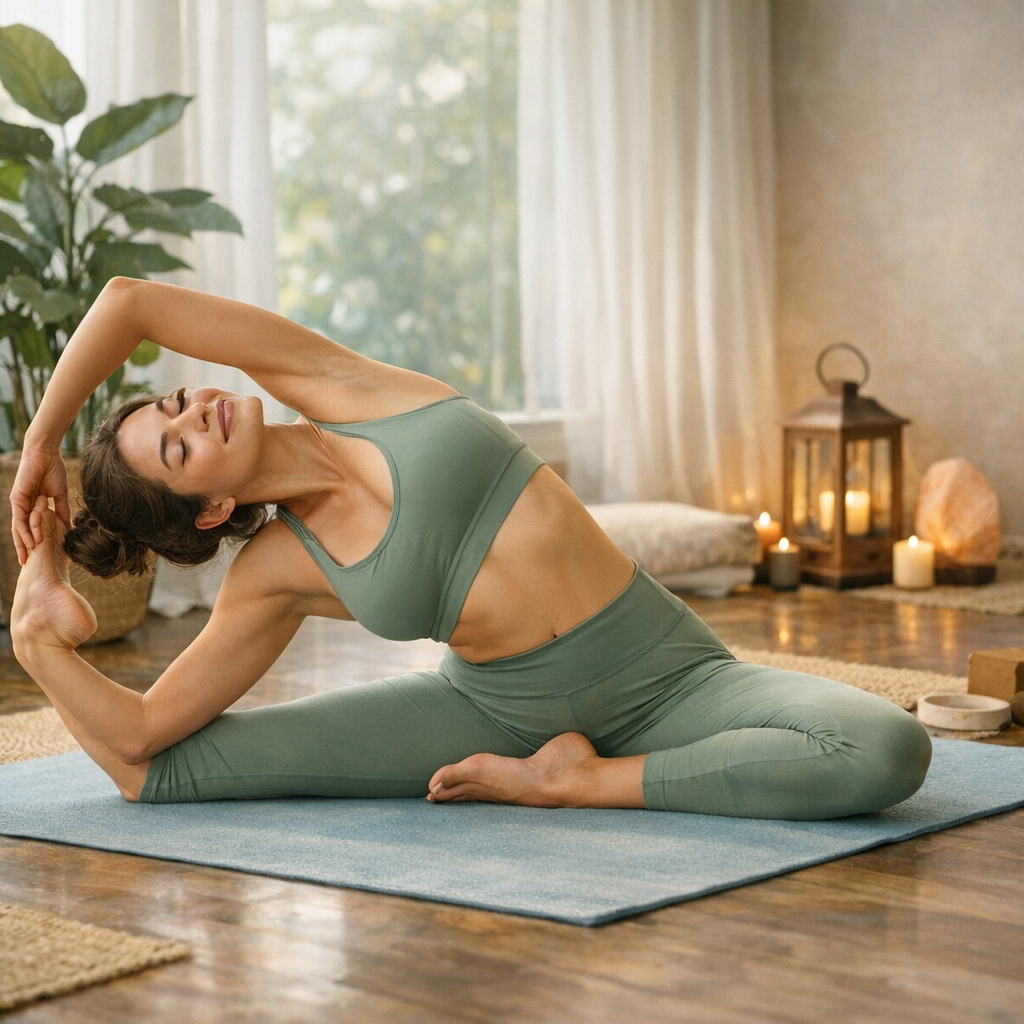
Why Yoga for Dancers Matters
Every dancer knows the feeling — that tightness in the hip flexors after a long rehearsal, the stiffness in the lower back after hours of floorwork, the nagging tension in the shoulders that never quite releases. Dance demands extraordinary things from the body: explosive power, precise control, deep flexibility, and the mental stamina to perform under pressure night after night. And yet, many dancers train only by dancing — repeating the same movement patterns, reinforcing the same imbalances, and wondering why injuries keep returning.
Yoga offers something different. It is not a replacement for dance training but a complement to it — a system of movement, breath, and awareness that addresses exactly the gaps that dance leaves behind. Where dance often emphasizes external rotation, yoga builds internal rotation. Where dance demands speed, yoga cultivates slowness. Where dance pushes through discomfort, yoga teaches the body to listen.
The roots of yoga stretch back more than 5,000 years to the Indus Valley civilization in what is now India. The word itself comes from the Sanskrit yuj, meaning "to yoke" or "to unite" — a reference to the practice’s original purpose of connecting body, breath, and consciousness into a single, integrated experience. Over millennia, yoga evolved through the Vedic, classical, and modern periods, eventually branching into the many styles practiced today: Hatha, Vinyasa, Ashtanga, Iyengar, Yin, and Restorative, among others.
For the global dance community, yoga represents more than exercise. It represents a philosophy of care — a way of training that honors the body rather than punishing it. And the science increasingly confirms what practitioners have known for centuries: yoga works. It reduces injury, improves flexibility, builds mental resilience, and extends careers.
The Healing Benefits of Yoga for Dancers
Flexibility Without Force. A 2016 study published in the International Journal of Yoga demonstrated that consistent yoga practice significantly improves hamstring and hip flexibility within eight weeks. Unlike passive stretching, yoga builds what movement scientists call "active flexibility" — the ability to control your range of motion, not just reach it. For dancers, this means deeper arabesques, cleaner extensions, and fewer pulled muscles.
Injury Prevention. Research from the Journal of Bodywork and Movement Therapies found that yoga-based interventions reduced injury rates among professional athletes by strengthening stabilizer muscles, improving proprioception, and correcting muscular imbalances. Dancers who practice yoga regularly report fewer overuse injuries in the ankles, knees, and lower back — the three most vulnerable areas in dance.
Balance and Proprioception. Standing poses like Tree Pose (Vrksasana) and Warrior III (Virabhadrasana III) train the neuromuscular system to stabilize under challenge. A study in the Journal of Physical Therapy Science confirmed that yoga improves both static and dynamic balance — skills that transfer directly to turns, balances, and partnering work in dance.
Breath Control and Stamina. Pranayama, the yogic practice of breath regulation, teaches dancers to use their full lung capacity and to coordinate breath with movement. This translates into longer phrases, better recovery between combinations, and reduced performance anxiety. The breath is the bridge between the body and the mind — and yoga is where dancers learn to cross it.
Mental Focus and Performance Calm. The meditative aspects of yoga — the sustained attention, the inward gaze, the practice of non-judgment — build the kind of mental resilience that separates a good dancer from a great one. A 2019 review in Psychology of Sport and Exercise found that mindfulness-based practices, including yoga, significantly reduced competitive anxiety and improved focus in performing artists.
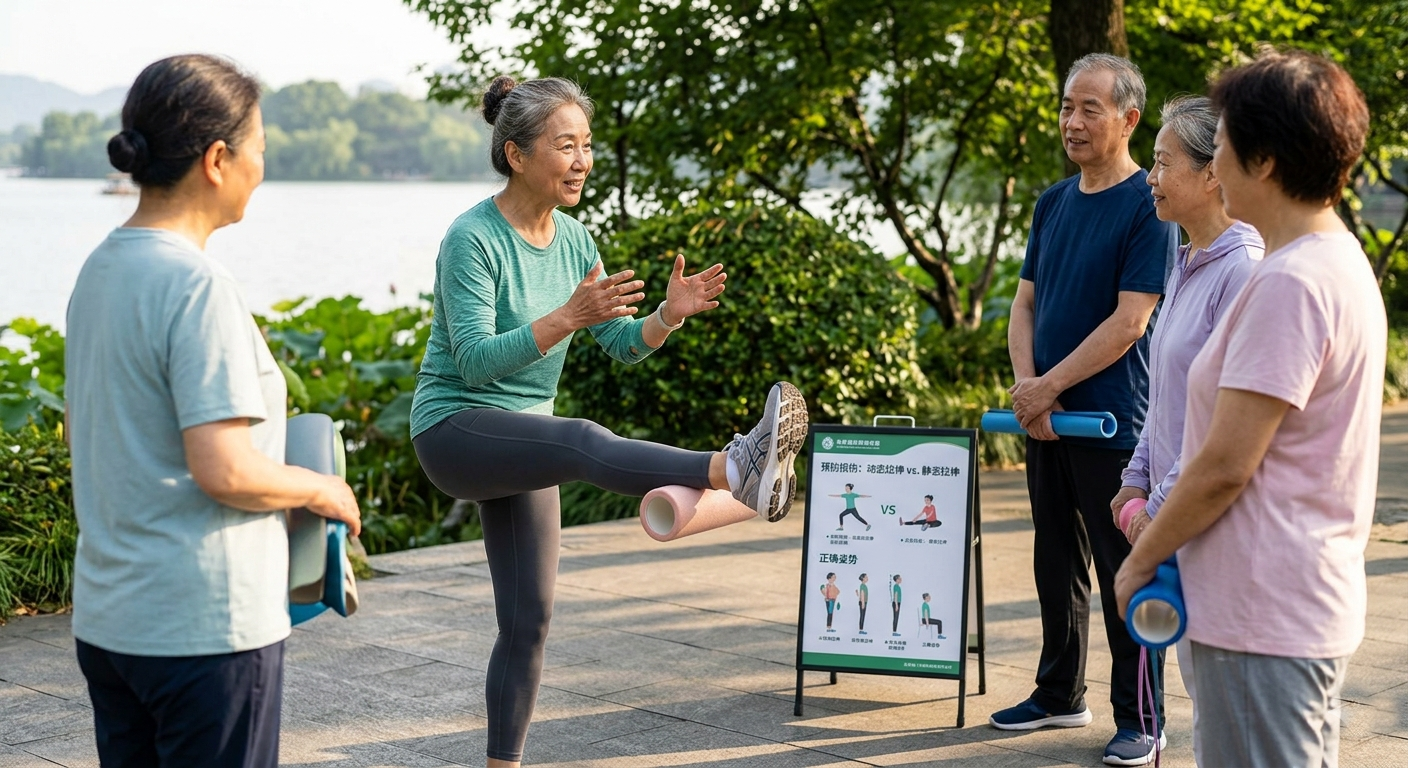
A Weekly Yoga Plan for Dancers
This five-day plan is designed for dancers of all levels. Each session is 30 to 45 minutes and targets a different aspect of performance and recovery. Rest days are built in to allow the body to integrate the work.
Monday — Vinyasa Flow (Strength and Heat). Begin with Sun Salutations A and B to build internal heat. Move through standing sequences including Warrior I, Warrior II, and Extended Side Angle to build leg strength and hip mobility. Close with a five-minute seated forward fold and Savasana. This session primes the body for the training week ahead.
Tuesday — Hip-Opening Sequence (Flexibility). Focus entirely on the hips and pelvis — the engine of dance movement. Include Pigeon Pose, Lizard Pose, Frog Pose, and Happy Baby. Hold each pose for one to two minutes, breathing deeply into the areas of greatest resistance. This session is especially valuable for hip-hop, contemporary, and ballet dancers.
Wednesday — Rest or Gentle Walking. Allow the body to recover. If movement feels good, take a 20-minute walk outdoors. Avoid intense stretching on rest days — the muscles need time to rebuild.
Thursday — Balance and Core (Stability). Begin with standing balances: Tree Pose, Eagle Pose, Dancer’s Pose (Natarajasana). Transition to core work: Boat Pose, Plank variations, and Side Plank. These poses build the deep stabilizers that protect the spine and support every movement a dancer makes.
Friday — Yin or Restorative Yoga (Recovery). Slow down completely. Hold passive stretches for three to five minutes each, targeting the connective tissue rather than the muscles. Include Supported Bridge, Legs Up the Wall, and Reclined Butterfly. This session repairs the body and calms the nervous system before the weekend.
Weekly Focus Summary
Monday: Vinyasa Flow — Strength and heat
Tuesday: Hip Openers — Deep flexibility
Wednesday: Rest or gentle walk
Thursday: Balance and Core — Stability
Friday: Yin / Restorative — Recovery and repair
Why Yoga Works for Dancers
Dance is an art of extremes. It demands maximum effort and maximum grace, often in the same breath. Yoga teaches the body to find equilibrium between those extremes — to be strong without being rigid, flexible without being unstable, focused without being tense. It addresses the muscular imbalances that years of repetitive choreography create. It restores the nervous system after the adrenaline of performance. And it builds a relationship with the body based on awareness rather than force.
Professional dance companies around the world have integrated yoga into their training protocols. The Royal Ballet, Alvin Ailey American Dance Theater, and Batsheva Dance Company have all incorporated yoga-based practices into their warm-up and recovery routines. The reason is simple: dancers who practice yoga get injured less, recover faster, and perform longer.
“Yoga does not ask the body to perform. It asks the body to listen. And for a dancer, that difference changes everything.”
How to Get Started
You do not need expensive equipment or a studio membership to begin a yoga practice. A non-slip yoga mat, comfortable clothing, and a quiet space are all that is required. For dancers new to yoga, starting with a beginner Hatha or Vinyasa class — either in person or through a reputable online platform — is the best entry point. Look for instructors who understand the demands of athletic bodies and who emphasize alignment over ambition.
Avoid the temptation to push into deep stretches on the first day. Yoga is not a competition, and the dancer’s natural flexibility can sometimes lead to overstretching before the stabilizing muscles are ready. Start slowly. Respect the breath. Let the practice build over weeks and months rather than forcing progress in a single session.
If you are recovering from an injury, consult a healthcare professional before beginning. Many yoga poses can be modified with blocks, straps, and bolsters to accommodate limitations while still delivering meaningful benefits.
A Practice Worth Celebrating
Yoga is not a trend. It is one of the oldest living movement traditions on earth — a practice that has survived millennia precisely because it works. It was born in India, refined across centuries by practitioners who understood that the body, breath, and mind are not separate systems but one integrated whole. That understanding is more relevant to dancers today than ever before.
When you step onto the mat, you are not just stretching. You are joining a lineage of human movement that predates every dance style on the planet. You are honoring a culture that gave the world one of its most profound tools for physical and mental well-being. And you are investing in the longevity of your own body — the instrument that makes your art possible.
Explore the full Health & Empowerment Series and discover how the world’s great movement and nutrition traditions can help you build a life of strength, creativity, and lasting wellness.
Disclaimer: This article is for educational purposes only and is not intended as fitness, medical, or nutritional advice. Always consult a qualified healthcare professional or certified fitness instructor before beginning any new exercise program.
Continue Exploring the Series
Health & Empowerment Series — Explore the full collection of articles on movement, nutrition, and self-empowerment.
Why Dance Is Medicine — The science behind how dance heals the body and mind.
The Dancer’s Prescription — A guide to moving, eating, and shining from the inside out.
The Food-Brain Connection — How nutrition shapes the way dancers think, feel, and perform.
Meditation for Dancers — Train your mind to move with clarity and calm.
Breathwork for Dancers — Strengthen your respiratory foundation for every movement.
West African Organic Meal Prep — Ancient foods that heal the body and honor the culture.
Empowerment Workbooks & Guides — Tools for individuals, families, and young people ready to grow.
© 2026 Dance Mogul Magazine LLC | dancemogul.com | Inspiring Self-Empowerment Through Dance Culture