
Health & Empowerment Series | Global Organic Meal Prep
West African Organic Meal Prep: Ancient Foods That Heal the Body, Honor the Culture, and Lower Blood Pressure Naturally
How the traditional foods of West Africa have been quietly fighting hypertension, diabetes, and inflammation for centuries — and why the world is finally paying attention.
By Dance Mogul Magazine | Health & Empowerment Series | Global Organic Meal Prep
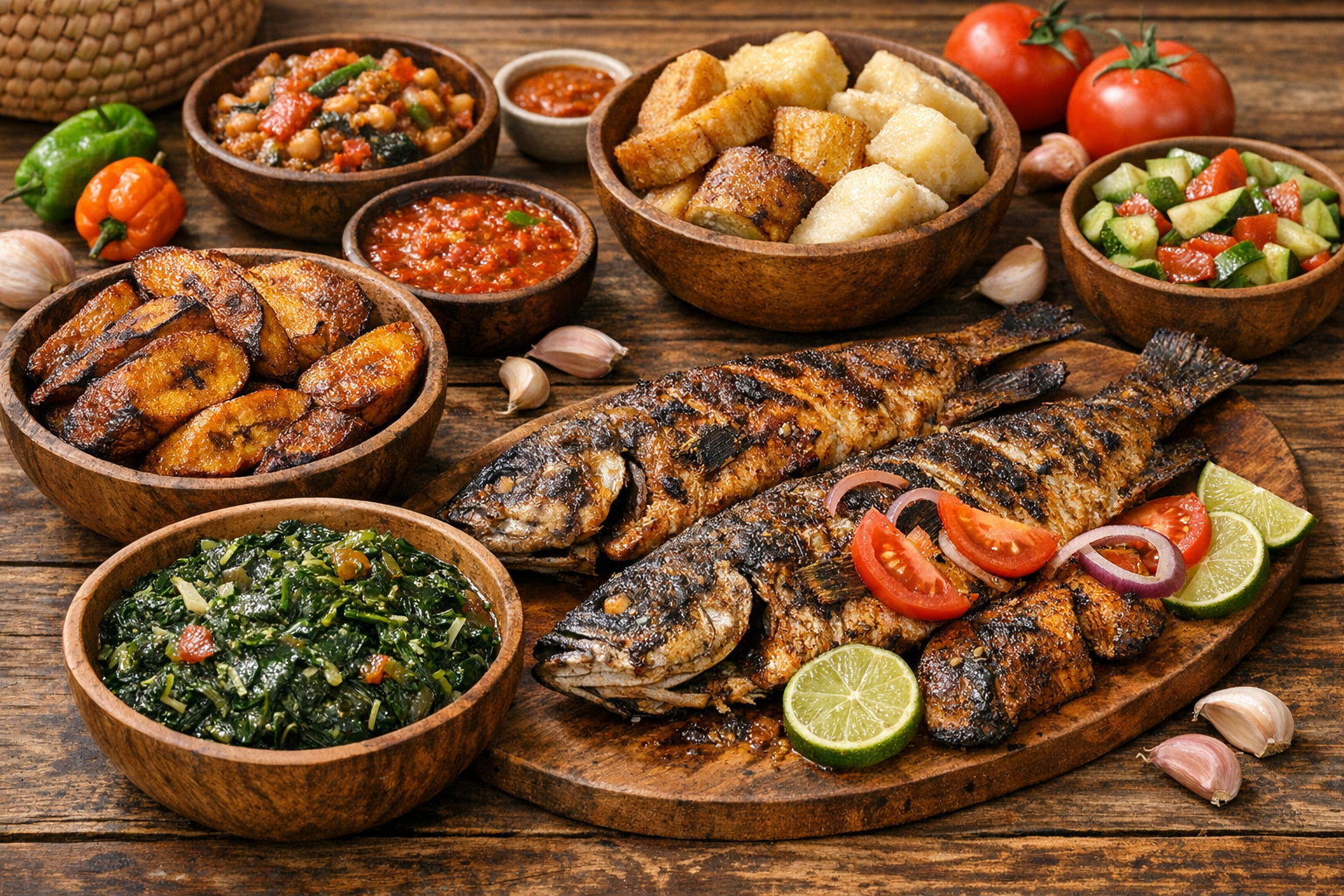
The Table That Built Nations
Long before the phrase "meal prep" became a wellness trend, the women and men of West Africa were already masters of it. In kitchens from Lagos to Dakar, from Accra to Bamako, meals were prepared with purpose — designed not just to feed a family, but to protect it. Every ingredient carried intention. Every pot told a story. And every plate was a quiet act of medicine.
Today, as the Western world spends billions searching for the next superfood or biohacking shortcut, the traditional organic foods of West Africa sit in plain sight — rooted in thousands of years of wisdom, validated by modern science, and still nourishing communities from the inside out.
This article is the first in a new series from Dance Mogul Magazine's Health & Empowerment Series dedicated to multicultural organic meal prep. The goal is simple but powerful: to show how cultures all over the world have been addressing health naturally for generations — and to honor those cultures as the original architects of what modern wellness is still trying to catch up to.
We begin in West Africa because the connection between this region's food traditions, its people's resilience, and the global health challenges faced by the African diaspora is too important to overlook. This is not just about recipes. This is about reclaiming knowledge that was always yours.
Why West African Food Traditions Were Chosen First
Hypertension — commonly known as high blood pressure — is one of the most pressing health threats facing people of African descent worldwide. Research published in the Journal of Hypertension has demonstrated that populations across West Africa have experienced a significant increase in hypertension rates over recent decades, with dietary shifts away from traditional foods and toward processed, high-sodium, Western-style diets identified as a primary driver. The same research confirms that high consumption of fruits and vegetables is protective against hypertension, while excess salt, red meat, and processed food increase risk substantially.
But here is the part of the story that rarely gets told: before those dietary shifts happened, traditional West African diets were naturally heart-protective. A landmark study by Dr. Denis Burkitt found that in communities still eating their traditional plant-rich diets, heart disease was nearly nonexistent. In rural Kenya, researchers found zero cases of hypertension among nearly two thousand patients. The food was the shield.
This matters for the diaspora. If you are of African descent living in North America, Europe, or the Caribbean, the health challenges you may face — elevated blood pressure, increased stroke risk, Type 2 diabetes — are not destiny. They are, in large part, the consequence of being disconnected from foods that your ancestors ate to stay well. Returning to those foods is not about going backward. It is about going home.
Why This Matters
Research shows that diet is responsible for nearly one-third of all hypertension cases in West Africa — and the same pattern holds across the diaspora. The foods in this article are not trends. They are ancestral medicine, backed by peer-reviewed science, that your family may have eaten for thousands of years.
The Healing Pantry: Key Ingredients of West African Organic Cooking
Traditional West African cooking is built on a foundation of whole, plant-based ingredients that modern nutritional science now recognizes as some of the most health-protective foods on earth. Understanding what these ingredients are — and what they do inside the body — is the first step toward building a meal prep routine rooted in cultural wisdom.
Yams (Not Sweet Potatoes — Real Yams)
In West Africa, the yam is not just food — it is culture. Entire festivals are dedicated to the yam harvest in Nigeria, Ghana, and across the region. Nutritionally, true yams are rich in potassium, vitamin C, vitamin B6, and manganese. Potassium is especially critical for anyone managing blood pressure, because it helps the body flush excess sodium — one of the primary triggers for hypertension. The complex carbohydrates in yams provide slow, steady energy without the blood sugar spikes that refined grains cause.
Leafy Greens: The Unsung Heroes
West Africa is home to an extraordinary variety of dark leafy greens — many of which are unknown to Western grocery stores but are among the most nutrient-dense vegetables on the planet. Efo (spinach-like greens), ugu (fluted pumpkin leaves), bitter leaf, moringa, and jute leaves (ewedu) are all staples. These greens are packed with iron, calcium, folate, and antioxidants. In Nigerian cooking, dishes like Efo Riro (spinach stew) combine these greens with tomatoes, peppers, and lean protein to create a meal that is both deeply satisfying and profoundly nourishing.
Plantains: Potassium Powerhouse
Plantains are a cornerstone of West African cuisine, eaten at every stage of ripeness — green (starchy, like potatoes), yellow (slightly sweet), and fully ripe (caramelized and rich). They are an outstanding source of potassium, fiber, and vitamins A and C. For people managing hypertension, the potassium in plantains works alongside the body's natural systems to regulate blood pressure. Baked or grilled plantains — rather than deep-fried — retain maximum nutritional value while delivering the same beloved flavor.
Beans and Legumes: Plant Protein That Protects
Black-eyed peas, cowpeas, and lentils are deeply embedded in West African cooking. These legumes provide high-quality plant-based protein, soluble fiber (which helps lower cholesterol), and a rich mineral profile including magnesium and iron. Dishes like Moi Moi (steamed bean pudding) and Akara (bean fritters) are beloved across the region. When prepared without excessive oil, they are among the most heart-friendly protein sources available.
Groundnuts (Peanuts): Heart-Healthy Fats
The groundnut is one of West Africa's most versatile ingredients, used in soups, stews, sauces, and snacks. Peanuts provide monounsaturated fats — the same heart-healthy fats found in olive oil — along with vitamin E, magnesium, and folate. Groundnut soup, one of the most iconic West African dishes, combines peanut paste with tomatoes, onions, and lean meat or fish to create a creamy, protein-rich meal that supports cardiovascular health when prepared with whole, organic ingredients.
Okra: The Anti-Inflammatory Star
Okra holds a special place in West African cuisine. Used in soups and stews across the entire region, okra is rich in fiber, vitamin C, and polyphenols — plant compounds with powerful antioxidant and anti-inflammatory properties. Its soluble fiber helps manage blood sugar levels, making it a valuable food for people at risk of or living with Type 2 diabetes, a condition that disproportionately affects communities of African descent.
Fermented Foods: The Gut-Brain Connection
Fermentation has been a cornerstone of West African food preservation and preparation for millennia. Fermented locust beans (dawadawa or iru), fermented corn (ogi), and fermented cassava are all traditional staples. Modern research — including the gut-brain science explored in Dance Mogul Magazine's article "Your Gut Is Depressed Too" — confirms that fermented foods support the gut microbiome, which directly influences mood, mental clarity, and immune function. West African cultures have understood this connection long before the science gave it a name.
The Spice Cabinet as Medicine Cabinet
In West African kitchens, spices are not afterthoughts — they are the backbone of healing. Every grandmother who pressed ginger into a morning drink or added turmeric to a pot of stew was practicing a form of medicine that science is now rushing to validate.
Ginger has documented anti-inflammatory and blood-pressure-lowering effects. Turmeric, used widely across West and North Africa, contains curcumin — one of the most studied anti-inflammatory compounds in modern nutrition. Garlic, a daily ingredient in nearly every West African kitchen, has been shown to support healthy blood pressure levels and improve cholesterol markers. Scotch bonnet peppers, the signature heat of West African cooking, contain capsaicin, which supports metabolism and circulation.
Together, these spices create what researchers call a "synergistic effect" — each one amplifying the benefits of the others. A single pot of traditional West African soup can deliver anti-inflammatory, antioxidant, circulatory, and digestive support in one meal. No supplements required.
"Every grandmother who pressed ginger into a morning drink or added turmeric to a pot of stew was practicing a form of medicine that science is now rushing to validate."
A 5-Day West African Organic Meal Prep Plan
This meal prep plan is designed for real life. Every meal is rooted in traditional West African cuisine, uses organic or whole ingredients whenever possible, and is intentionally structured to support cardiovascular health, blood sugar balance, and sustained energy throughout the day. The plan prioritizes potassium-rich foods, anti-inflammatory spices, lean proteins, and fiber-dense vegetables and legumes.
Each day's meals can be prepped in a single Sunday session of approximately two to three hours. Soups and stews store beautifully for up to five days in the refrigerator and can be portioned into individual containers for grab-and-go convenience.
Day 1 — Nigeria: Efo Riro with Brown Rice
Breakfast: Organic Ogi (fermented corn porridge) with sliced banana and a drizzle of raw honey. Ogi is a probiotic-rich breakfast that supports gut health and provides sustained morning energy.
Lunch: Efo Riro (spinach stew) over organic brown rice. This stew combines dark leafy greens with tomatoes, bell peppers, onions, and lean turkey or smoked fish. The greens deliver iron and calcium, while the peppers and tomatoes provide vitamins C and A. Seasoned with ginger, garlic, and locust beans for depth of flavor and anti-inflammatory support.
Dinner: Baked plantain with a small portion of grilled chicken and a side of steamed okra. The potassium in the plantain and the fiber in the okra work together to support healthy blood pressure and digestion.
Health Focus: Iron replenishment, blood pressure support, gut health.
Day 2 — Ghana: Groundnut Soup with Fufu
Breakfast: Sliced ripe mango with roasted groundnuts and a cup of ginger tea. This light, enzyme-rich breakfast supports digestion and provides healthy fats to start the day.
Lunch: Ghanaian Groundnut Soup with a small portion of organic yam fufu. The soup is made with natural peanut paste, tomatoes, onions, ginger, and either free-range chicken or fresh fish. It delivers monounsaturated fats, complete protein, and a rich blend of vitamins and minerals. The yam fufu provides slow-release carbohydrates and potassium.
Dinner: Red Red — a beloved Ghanaian black-eyed pea stew cooked in red palm oil with ripe plantain on the side. Black-eyed peas provide plant protein and soluble fiber, which helps lower LDL cholesterol. Red palm oil, used sparingly, is one of the richest natural sources of beta-carotene and vitamin E.
Health Focus: Heart health, cholesterol management, sustained energy.
Day 3 — Senegal: Thieboudienne (Fish and Rice)
Breakfast: Lakh — a Senegalese millet porridge with yogurt and baobab fruit powder. Millet is naturally gluten-free, rich in magnesium, and has been shown to support blood sugar regulation. Baobab powder is extraordinarily high in vitamin C and fiber.
Lunch: Thieboudienne — the national dish of Senegal and one of the most beautiful meals in all of West African cuisine. This one-pot dish features fresh fish (traditionally grouper or red snapper) cooked with tomato sauce, cabbage, cassava, carrots, eggplant, and okra over broken rice. Every vegetable in the pot contributes its own nutritional profile: the fish provides omega-3 fatty acids for brain and heart health, the cabbage offers anti-cancer compounds, and the carrots deliver beta-carotene.
Dinner: Grilled fish with a simple salad of cucumbers, tomatoes, and onions dressed with lemon juice and a touch of olive oil. Light, refreshing, and anti-inflammatory.
Health Focus: Omega-3 fatty acids, blood sugar regulation, anti-inflammatory support.
Day 4 — Mali / Burkina Faso: Tô with Okra Sauce
Breakfast: Organic millet couscous with fresh papaya and a sprinkle of moringa powder. Moringa — sometimes called "the miracle tree" — is native to parts of Africa and contains more iron than spinach, more calcium than milk, and more vitamin C than oranges. A single teaspoon elevates any breakfast.
Lunch: Tô (a millet or sorghum-based porridge similar to a firm polenta) served with okra sauce and grilled lean meat. Tô is a staple across the Sahel region of West Africa and provides whole-grain carbohydrates and B vitamins. The okra sauce delivers soluble fiber that helps regulate blood sugar and supports healthy cholesterol levels.
Dinner: Black-eyed pea salad with diced tomatoes, red onion, parsley, and a lemon-ginger vinaigrette. A light, cooling, protein-rich evening meal that supports digestion overnight.
Health Focus: Blood sugar management, mineral replenishment, digestive health.
Day 5 — Côte d'Ivoire: Attiéké with Grilled Fish
Breakfast: Organic whole-grain porridge with coconut milk, cinnamon, and sliced banana. Coconut milk provides medium-chain triglycerides (MCTs) that support brain function and energy, while cinnamon has been shown to improve insulin sensitivity.
Lunch: Attiéké — a fermented cassava couscous that is the pride of Côte d'Ivoire — served alongside grilled tilapia and a tomato-onion-chili relish. Attiéké is naturally fermented, making it a probiotic food that supports gut health. The grilled fish provides lean protein and omega-3s. The fresh relish adds vitamin C and lycopene.
Dinner: Alloco — ripe plantain sautéed lightly in coconut oil — with a side of steamed mixed vegetables seasoned with garlic and a pinch of sea salt. A satisfying, potassium-rich dinner that closes the week on a note of comfort and nourishment.
Health Focus: Gut microbiome support, brain health, potassium balance.
Addressing Cultural Genetic Disposition with Intention
It is well documented that people of African descent face disproportionately higher rates of hypertension, stroke, Type 2 diabetes, and certain cardiovascular conditions compared to other populations. Research points to a combination of genetic predisposition, historical trauma, socioeconomic factors, and — critically — dietary changes that occurred over generations as traditional food systems were disrupted.
What the science also makes clear is that returning to traditional dietary patterns can reverse many of these trends. The high potassium, low sodium, high fiber, and antioxidant-rich profile of authentic West African cuisine directly counteracts the dietary drivers of these conditions. The foods in this meal plan were not selected at random. Each one targets a specific mechanism — potassium to offset sodium, fiber to manage cholesterol and blood sugar, omega-3s to reduce inflammation, and fermented foods to rebuild gut health.
This is not about assigning blame or reducing complex health disparities to a single cause. It is about recognizing that within the cultural heritage of West Africa lies a body of nutritional knowledge that is scientifically profound and personally empowering. When you eat the way your ancestors ate, you are not following a trend — you are reclaiming a lineage of health.
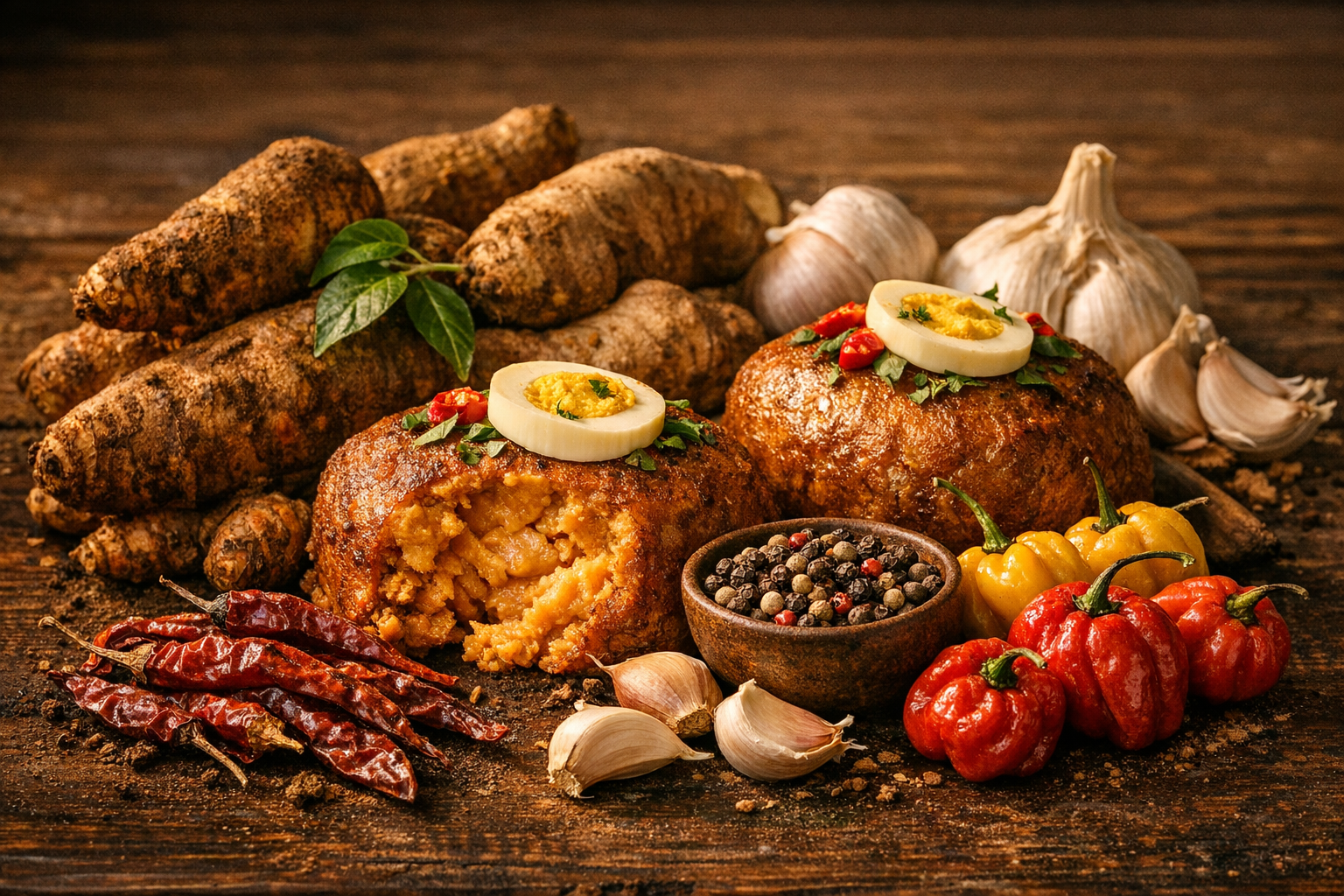
Movement and Meals: The Dance Connection
In West African culture, food and movement have never been separate. Meals are communal events where music, conversation, and often dance are woven into the experience. The harvest season is celebrated with dance. Weddings feature food and movement as one continuous expression of joy. Even the act of preparing food — pounding yam, stirring soup, grinding spices — is itself a physical practice that engages the whole body.
Dance Mogul Magazine's Health & Empowerment Series has already established the science behind why dance is medicine — from its ability to reduce cortisol and inflammation to its power to rewire the brain's stress response. When you combine that movement with the traditional, nutrient-dense foods described in this article, you are building a complete health strategy: the body moves, the gut heals, the blood pressure stabilizes, and the spirit lifts.
This is the foundation that Dance Mogul Magazine is building — a bridge between the world's great cultural health traditions and the modern reader who is ready to take their wellbeing into their own hands. Food, movement, purpose. That is the formula. And West Africa wrote the first chapter of that formula long before anyone thought to put it in a book.
Practical Meal Prep Tips for the Week
Sunday Prep Session (2–3 hours): Cook one large pot of soup or stew (groundnut soup or Efo Riro stores beautifully). Prepare a batch of brown rice or fufu base. Grill or bake a week's worth of plantains. Boil and season black-eyed peas. Wash and chop all greens and vegetables. Portion everything into labeled containers.
Sourcing Organic Ingredients: Many West African ingredients are available at African grocery stores, international markets, and increasingly through online retailers. For organic options, look for locally sourced yams, plantains, and greens at farmers' markets. When buying packaged items like palm oil or groundnut paste, choose brands that are minimally processed and free from additives.
Reducing Sodium: Traditional recipes can sometimes call for seasoning cubes that are high in sodium. Replace these with natural flavor builders — smoked fish, dried crayfish, locust beans, and fresh herbs — that provide umami depth without the blood-pressure risk.
Hydration: West African cultures have a tradition of healing teas and drinks — ginger tea, hibiscus tea (zobo or bissap), and baobab water. These are all excellent hydration options that carry additional health benefits. Hibiscus tea in particular has been studied for its ability to support healthy blood pressure levels.
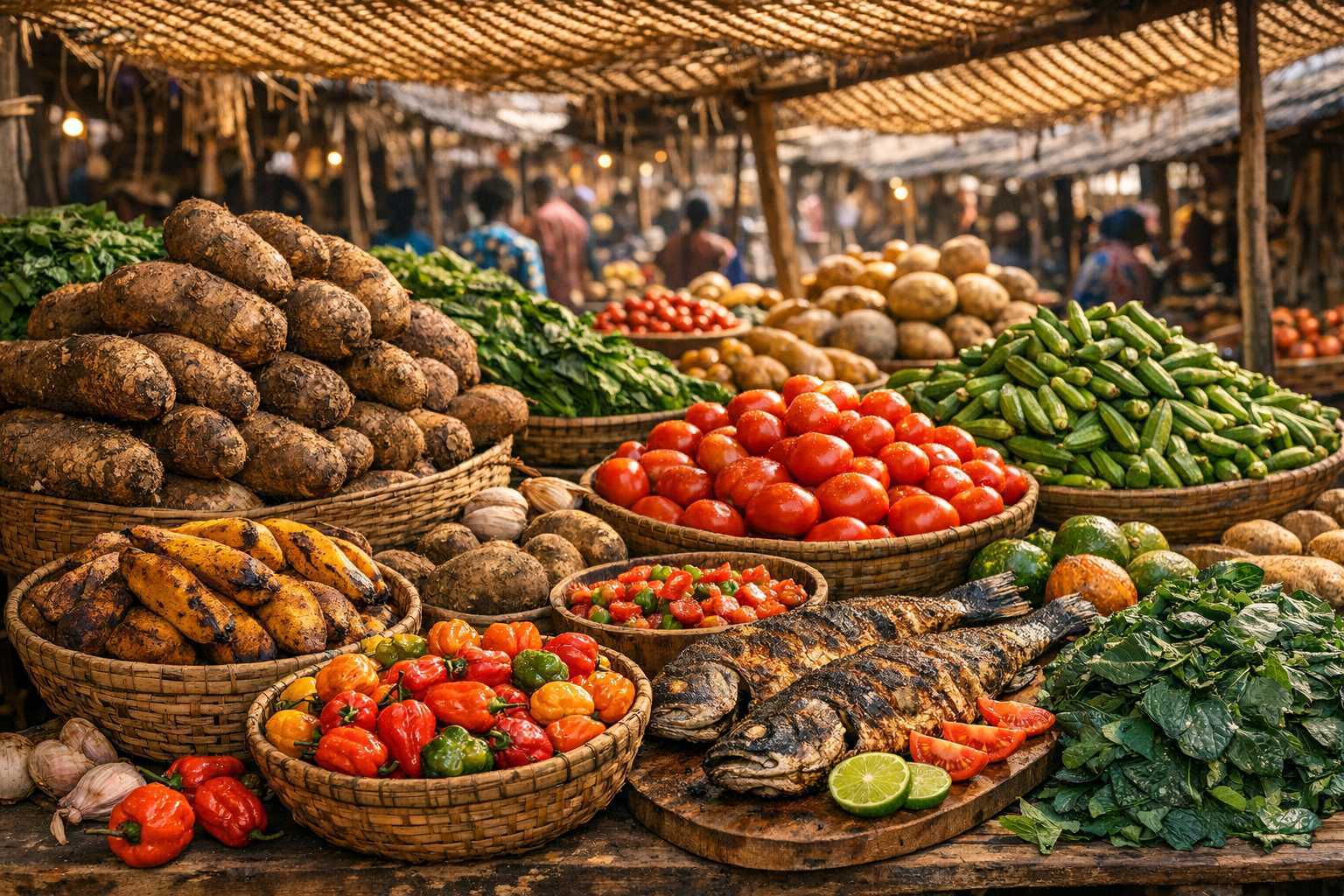
Quick Reference — Blood Pressure Support Foods
High Potassium: Yams, plantains, black-eyed peas, bananas, sweet potatoes
Anti-Inflammatory: Turmeric, ginger, garlic, scotch bonnet peppers, moringa
Fiber-Rich: Okra, black-eyed peas, millet, leafy greens, beans
Omega-3 Sources: Fresh fish (tilapia, snapper, mackerel), groundnuts
Gut Support: Ogi (fermented corn), attiéké (fermented cassava), dawadawa (fermented locust beans)
A Celebration, Not a Correction
Let this article be clear about one thing: the purpose of this series is not to tell anyone that they are eating wrong. It is to celebrate the fact that cultures around the world — starting here with West Africa — have already solved many of the health puzzles that modern medicine is still working on. The knowledge is ancient. The science confirms it. And the food is extraordinary.
West African cuisine is one of the most flavorful, vibrant, and nutritionally rich culinary traditions on earth. Its colors are stunning. Its aromas are unforgettable. Its ability to nourish and heal is backed by centuries of lived experience and a growing body of peer-reviewed research. It deserves to be honored, studied, and shared with the world — not as a novelty, but as a teacher.
Dance Mogul Magazine will continue this series by traveling the globe — through the Caribbean, Japan, India, the Mediterranean, Latin America, and beyond — showing how each culture's traditional organic foods carry their own healing wisdom. The table is being set. And there is room for everyone.
"When you eat the way your ancestors ate, you are not following a trend — you are reclaiming a lineage of health."
What Comes Next
This is the first article in a new series within the Health & Empowerment Series — one that will travel the world, one culture at a time, showing how traditional organic foods are not relics of the past but blueprints for the future. If this article spoke to you, share it with someone who needs to hear it. And stay connected — because the next destination is already being prepared.
Explore the full Health & Empowerment Series to understand how dance as medicine, the food-brain connection, and The Dancer's Prescription all fit together. Knowledge is the first step. Start wherever feels right.
For more resources on self-empowerment, explore our empowerment workbooks — designed for individuals, families, and young people ready to take the next step.
© 2026 Dance Mogul Magazine LLC | dancemogul.com | Inspiring Self-Empowerment Through Dance Culture
Explore the full Health & Empowerment Series to understand how dance as medicine, the food-brain connection, and The Dancer’s Prescription all fit together. For more resources on self-empowerment, explore our empowerment workbooks — designed for individuals, families, and young people ready to take the next step.
© 2026 Dance Mogul Magazine LLC | dancemogul.com | Inspiring Self-Empowerment Through Dance Culture