
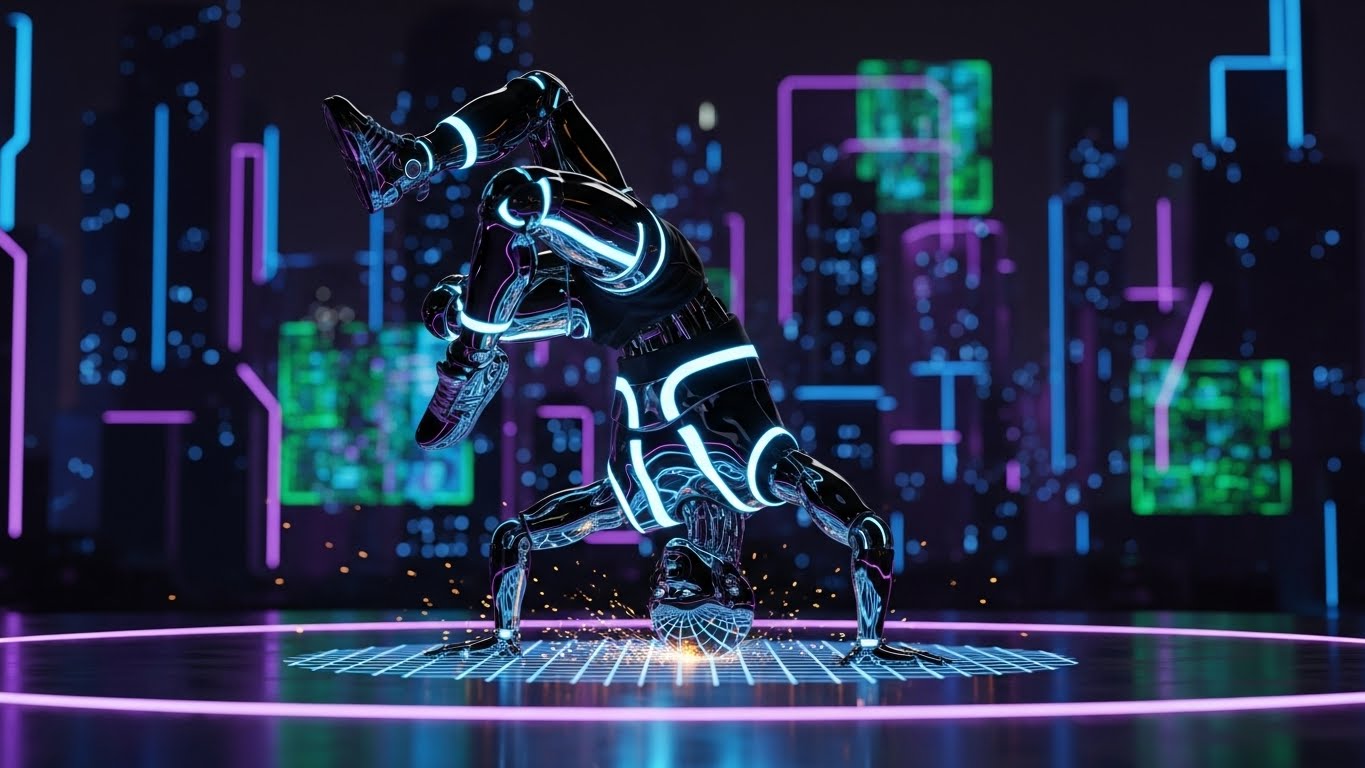
Introduction: Hip-Hop Dance as a Cultural Force
Hip-hop dance is more than movement — it is a living archive of resilience, innovation, and community expression. Born in the streets of New York City in the 1970s, it has evolved into a global cultural language that shapes music, fashion, film, social media, and youth identity worldwide. This article traces the evolution of hip-hop dance from its earliest roots to its modern-day influence, highlighting the pioneers, styles, battles, and cultural shifts that shaped its legacy.
1. The Birth of Hip-Hop Dance (1970s)
Hip-hop dance emerged alongside the rise of DJ culture, block parties, and the early elements of hip-hop: MCing, DJing, graffiti, and knowledge. In the Bronx, young dancers created new ways to express themselves through rhythm, improvisation, and competition.
Key Influences
- DJ Kool Herc’s breakbeats created the foundation for “breaking,” giving dancers extended instrumental sections to showcase footwork, freezes, and power moves.
- Community block parties became incubators for creativity, where dancers battled for respect and neighborhood pride.
- Cultural fusion from African, Caribbean, and Latin communities shaped the movement vocabulary.
Early Styles
- Breaking (B-boying/B-girling)
- Toprock & Downrock
- Power Moves & Freezes
These early forms were raw, athletic, and deeply tied to the music and environment that birthed them.
2. The Expansion Era (1980s): From Streets to Screens
The 1980s marked hip-hop’s first major expansion. As the culture spread beyond New York, dance crews, films, and television brought hip-hop into mainstream visibility.
Major Milestones
- Rock Steady Crew became global ambassadors, performing internationally and appearing in films.
- Movies like Beat Street, Wild Style, and Breakin’ introduced breaking, popping, and locking to worldwide audiences.
- MTV and music videos showcased hip-hop choreography to millions.
New Styles Emerging
- Popping (West Coast)
- Locking (Don Campbell & The Lockers)
- Boogaloo
- Electric Boogie
This era established hip-hop dance as a legitimate art form with commercial potential.
3. The Golden Era (1990s): Choreography, Crews, and Commercialization
The 1990s brought a new wave of structure, technique, and professionalization. Hip-hop dance expanded from freestyle circles into studios, tours, and televised performances.
Key Developments
- Choreographers like Fatima Robinson, Rosero McCoy, and Tina Landon shaped the look of hip-hop in music videos.
- Artists like Aaliyah, Missy Elliott, TLC, and Janet Jackson elevated hip-hop choreography to iconic status.
- Dance crews such as Elite Force Crew pushed the boundaries of freestyle and groove-based movement.
Signature Styles of the 90s
- Hip-hop choreography
- New Jack Swing
- Groove-based freestyle
- Party dances (Running Man, Roger Rabbit, Wop, etc.)
The 90s solidified hip-hop dance as both a commercial powerhouse and a cultural staple.
4. The Millennium Shift (2000s): Globalization & Competition Culture
The 2000s marked a turning point where hip-hop dance became a global phenomenon. Internet culture, international competitions, and new media platforms accelerated its spread.
Major Forces
- YouTube allowed dancers to share tutorials, battles, and performances worldwide.
- Competitions like Juste Debout, Battle of the Year, and World of Dance elevated the skill level and visibility of dancers.
- Choreographers like Shane Sparks, Dave Scott, and the Jabbawockeez brought hip-hop to mainstream television.
New Styles & Movements
- Krump (Tight Eyez & Big Mijo)
- Clowning
- Tutting
- Animation & Robot styles
- Urban choreography (studio-driven, performance-focused)
This era blended freestyle culture with technical precision and global collaboration.
5. The Social Media Era (2010s–Present): Viral Dance Culture
Social media transformed hip-hop dance into a global conversation. Platforms like Instagram, TikTok, and YouTube created new stars, new styles, and new ways of participating in the culture.
Key Shifts
- Viral dances became cultural moments (Nae Nae, Hit the Quan, Renegade, Woah).
- Dance influencers built massive followings and brand partnerships.
- Choreography became shorter, sharper, and optimized for vertical video.
- Dance challenges turned everyday users into participants in hip-hop culture.
Modern Styles
- Litefeet
- Memphis Jookin’
- Chicago Footwork
- Afrobeats fusion
- TikTok-style choreography
Hip-hop dance is now a global digital language, accessible to anyone with a phone.
6. The Cultural Impact of Hip-Hop Dance
Hip-hop dance has influenced nearly every corner of modern culture.
Influence Areas
- Music industry: Artists rely on dancers to shape visual identity.
- Fashion: Streetwear, sneakers, and athletic apparel trends originate from dance communities.
- Film & TV: Hip-hop choreography dominates commercials, movies, and award shows.
- Education: Hip-hop is now taught in universities, studios, and cultural programs worldwide.
- Social movements: Dance has become a tool for activism, unity, and community healing.
Hip-hop dance is no longer a subculture — it is a global cultural force.
7. The Future of Hip-Hop Dance
The next era of hip-hop dance will be shaped by technology, global collaboration, and cultural preservation.
Emerging Trends
- AI-assisted choreography tools
- Virtual reality dance battles
- Cross-cultural fusion styles
- Professionalization of dance careers
- Archiving and preserving OG knowledge
The future belongs to dancers who honor the roots while pushing the boundaries of creativity.
Conclusion: A Legacy Still Being Written
Hip-hop dance began as a form of survival, expression, and community pride. Today, it is a global movement that continues to evolve with every generation. From the Bronx to the world, hip-hop dance remains a testament to creativity, resilience, and the power of culture to unite people across borders.
- Smithsonian Hip-Hop Collection
- Universal Hip-Hop Museum
- Britannica: Hip-Hop Culture
- Mental Fortitude


