
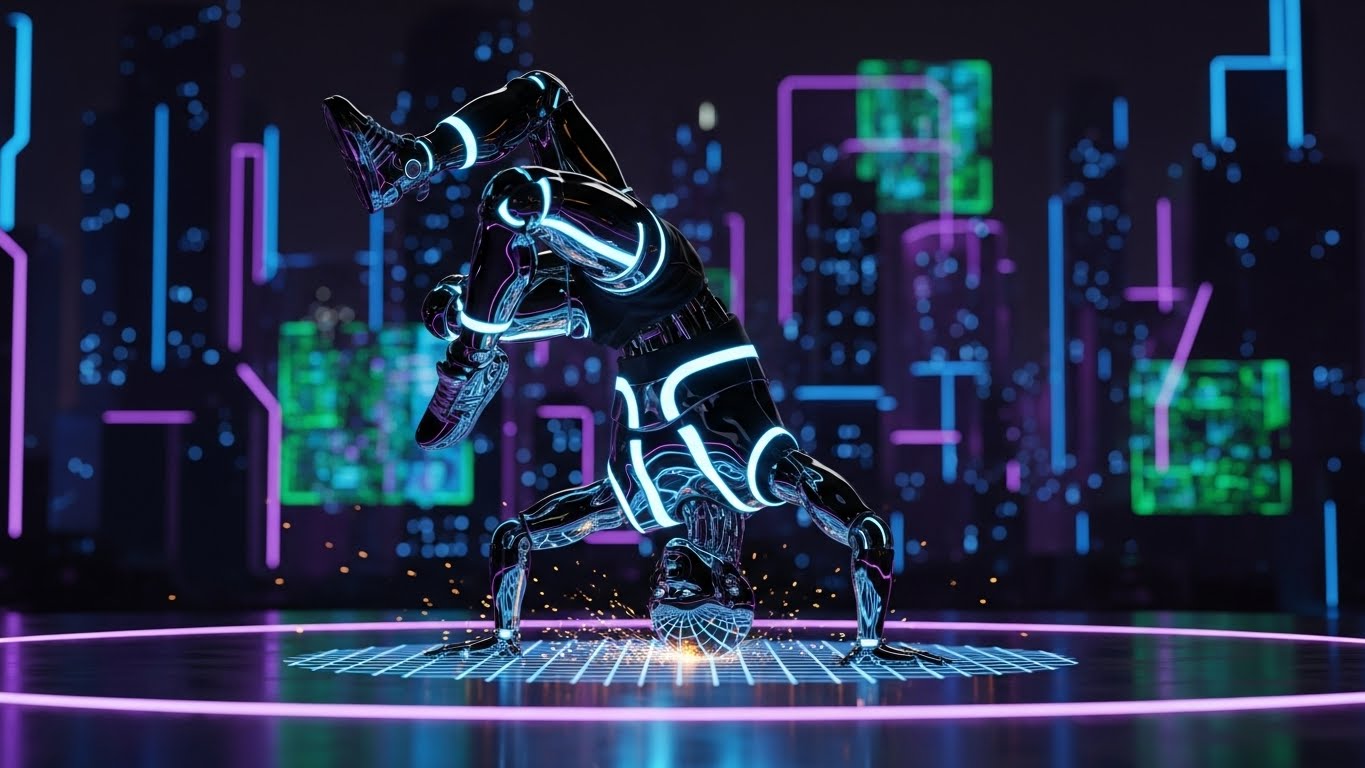
THE DEFINITIVE GUIDE TO HIP‑HOP:
Hip-Hop-Culture-Guide: Understanding the Foundations
Introduction
This Hip Hop Culture Guide breaks down the origins, dance foundations, pioneers, and global influence of Hip-Hop. From the Bronx to the global stage, Hip-Hop has evolved into one of the most powerful cultural movements in history. This guide helps dancers, educators, and creators understand the culture behind the movement — not just the steps, but the story, the struggle, and the spirit.
1. The Birth of Hip-Hop Culture
Hip-Hop began in the early 1970s in the Bronx, created by Black and Latino youth responding to poverty, inequality, and social change. What started as block parties quickly became a cultural revolution.
1.1 The Four Pillars
Hip-Hop is built on:
- DJing
- MCing
- Breaking
- Graffiti Art
These elements formed a creative outlet for expression, identity, and community.
1.2 The Pioneers
Key figures include:
- DJ Kool Herc – Father of the breakbeat
- Afrika Bambaataa – Founder of the Universal Zulu Nation
- Grandmaster Flash – Innovator of DJ techniques
Their contributions shaped the foundation of Hip-Hop culture.
2. The Evolution of Hip-Hop Dance
Hip-Hop dance emerged from street parties, cyphers, and community gatherings. It was raw, expressive, and rooted in individuality.
2.1 Breaking
Breaking (or b‑boying/b‑girling) became the first official Hip-Hop dance style, defined by:
- Toprock
- Footwork
- Freezes
- Power moves
2.2 Party Dances
The 80s and 90s introduced social dances like:
- The Running Man
- The Wop
- The Cabbage Patch
- The Roger Rabbit
These moves spread through music videos and TV.
2.3 New School Styles
As Hip-Hop grew, new styles emerged:
- Popping
- Locking
- Krump
- Litefeet
- House
Each style reflects a different region, era, and cultural influence.
3. Hip-Hop as a Global Movement
Today, Hip-Hop is a worldwide phenomenon influencing:
- Music
- Fashion
- Film
- Dance studios
- Social media
- Education
Countries across Asia, Europe, Africa, and South America have developed their own Hip-Hop communities, adding unique cultural flavors.
3.1 International Competitions
Events like:
- Red Bull BC One
- World of Dance
- Battle of the Year
…have elevated Hip-Hop to global sport‑level recognition.
4. The Cultural Impact of Hip-Hop
Hip-Hop is more than entertainment — it is a voice for the unheard.
4.1 Social Justice
Hip-Hop has addressed:
- Inequality
- Racism
- Police brutality
- Community empowerment
Artists use their platforms to speak truth to power.
4.2 Education & Youth Development
Hip-Hop programs now appear in:
- Schools
- After‑school programs
- Community centers
- Universities
They teach leadership, creativity, and cultural awareness.
5. The Future of Hip-Hop Culture
Hip-Hop continues to evolve through:
- Technology
- AI‑generated music
- Digital choreography
- Virtual battles
- Global collaborations
Despite innovation, the heart of Hip-Hop remains the same: expression, community, and truth.
Conclusion
Hip-Hop is a cultural force that continues to shape the world. This hip hop culture guide highlights its origins, dance styles, pioneers, and global impact — but the story is still being written. As long as people use movement, music, and creativity to express their truth, Hip-Hop will continue to grow, inspire, and transform.
Note: This hip hop culture guide also highlights how the movement evolved through dance, music, and community leadership.
- This hip-hop-culture-guide highlights how the movement shaped global youth identity.”
- “As this hip-hop-culture-guide explains, Hip-Hop continues to evolve through innovation and storytelling.”
- “This hip-hop-culture-guide also explores the connection between dance, music, and community leadership.”
- “Throughout this hip-hop culture guide, we break down the cultural foundations behind the movement.
- The Psychology of Confidence for Young Artists
- The Business of Dance: How to Build a Sustainable Career
- The Future of Dance Education (AI, Online, Hybrid)
- Leadership Through the Arts
- The Importance of Representation in the Arts


