
Dance Culture & History
The Hip-Hop Culture Guide
Hip-hop is more than a dance or a sound — it is a complete culture. Here are its pillars, its values, and why it changed the world.
By Dance Mogul Magazine — The First Black Owned Father-and-Son Dance Publication, Inspiring Self-Empowerment Since 2010
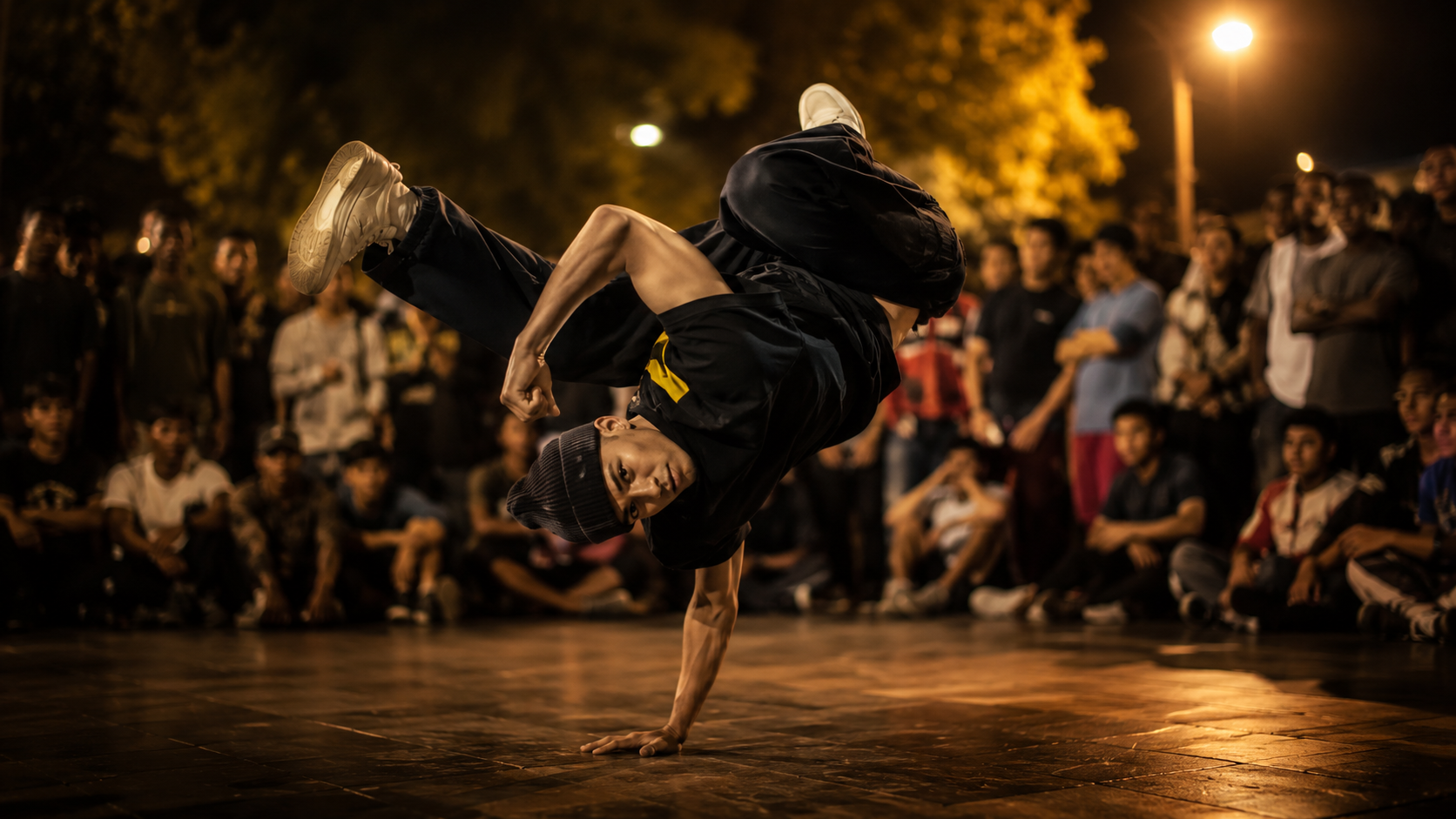
People often use the word "hip-hop" to mean a kind of music, or a style of dance, or a way of dressing. All of that is true, but none of it is complete. Hip-hop is a culture — a full system of expression, identity, and community that emerged from the Bronx in the 1970s and grew into one of the most influential cultural forces on earth. This guide breaks down what hip-hop actually is, so dancers and creatives can move within it with knowledge and respect.
The Pillars of Hip-Hop
Hip-hop is traditionally understood through its core elements, a framework popularized by Afrika Bambaataa and the Universal Zulu Nation. Understanding them shows why hip-hop has always been bigger than any single discipline.
1. DJing
The foundation. DJs like Kool Herc, Grandmaster Flash, and Afrika Bambaataa built the sound by isolating and extending the break, inventing techniques like cutting and scratching. Without the DJ, there is no break — and without the break, there is no breaking.
2. MCing (Rapping)
The voice. The MC started as the person hyping the crowd and evolved into the lyricist — the storyteller who turned rhythm and rhyme into journalism, poetry, and protest.
3. Breaking (B-Boying / B-Girling)
The body. The dance of hip-hop, built on toprock, footwork, power, and freezes, and judged in the cypher. We cover its full arc in our guide to the evolution of hip-hop dance.
4. Graffiti (Writing)
The eyes. Visual artists turned trains and walls into a public gallery, building identity and style through lettering and color when no institution would give them space.
5. Knowledge
The spirit. Often called the fifth element, knowledge is the awareness of history, self, and community that holds the other four together and keeps the culture honest.
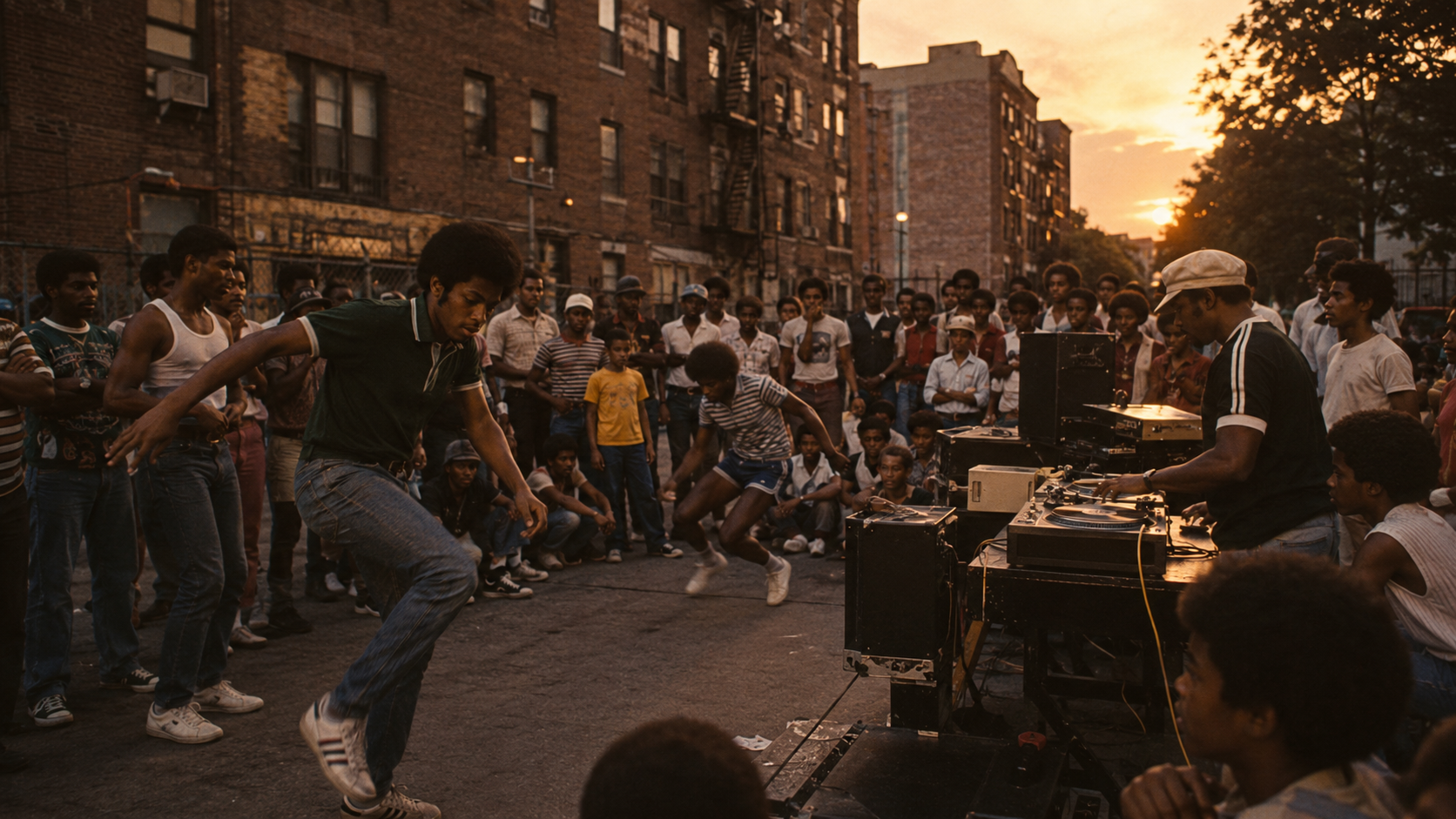
When you respect the elements, you respect the people who built them. That is the difference between participating in a culture and consuming it.
The Values Beneath the Elements
What makes hip-hop a culture rather than a trend is the value system underneath it: creativity from limitation, respect earned through skill, community built through the cypher, and authenticity prized above imitation. These values are why a child in Easton, Lagos, Seoul, or São Paulo can pick up the same culture and make it personal without breaking it.
Why Hip-Hop Changed the World
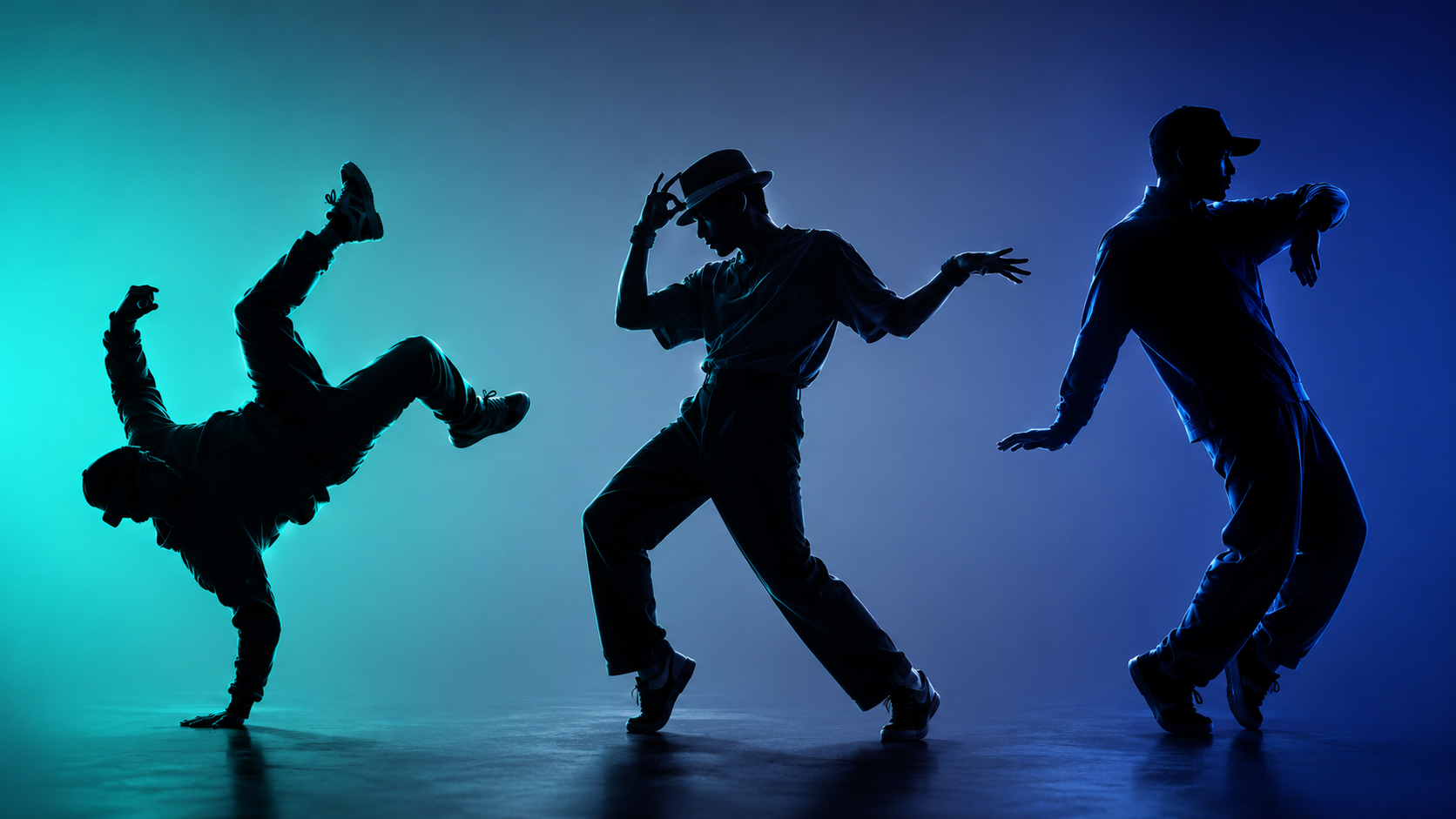
Hip-hop reshaped fashion, language, business, technology, and global youth identity — all from communities that had been written off. That is the deeper lesson: culture built from the ground up, with integrity, can outlast and outshine everything designed to keep it down. Dance Mogul Magazine exists to make sure that story is told with the dignity it deserves.
To see how these cultural roots connect to the wider world of movement, explore the full range of dance styles we cover, and learn how this same discipline shapes character in our piece on how hip-hop dance builds leaders.
Hip-Hop as a Global Language
One of the clearest proofs that hip-hop is a culture and not just a trend is how it travels. A b-boy in Seoul, a popper in Paris, a writer in Lagos, and a choreographer in Easton can all speak the same cultural language without sharing a spoken one. The elements give them a shared grammar. The values give them a shared code. That is what cultures do — they cross borders while keeping their core intact.

Common Misconceptions
A few myths get in the way of understanding hip-hop. The first is that it is only about music. The second is that all street dance is "breakdancing" — a media term that erases distinct styles like locking and popping that have their own histories. The third is that hip-hop is simply a product to be sold. In truth it is a community-built culture with a history, an ethic, and a people behind it. Respecting those facts is the foundation of doing it justice.
How to Participate With Respect
You do not have to be from the Bronx to honor hip-hop — you have to be willing to learn it. Study the pioneers. Credit the styles you use. Support the communities that built the culture. And bring your authentic self rather than a costume. That is how the culture stays alive instead of being hollowed out.
Hip-hop gave a voice to people who were told they had none. Learn it fully, and you carry that voice forward.