Exclusive Interview · Jazz Theatre · The DMM Archive
Dollie Henry MBE
“If no one else was going to make that change, then I would have to be the one to do it.”
The founder of Britain’s premier jazz theatre company sits down in Harlem to talk about being the only one in the room, what “no” is actually worth, and why jazz cannot be separated from where it came from.
A Dance Mogul Magazine Primary Source
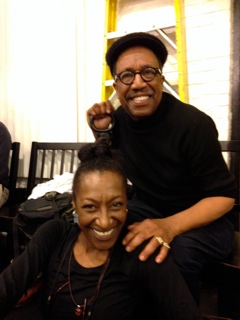
The Conversation
Dollie Henry MBE is the founder and co-artistic director of Body of People (BOP) Jazz Theatre Company, the United Kingdom’s premier jazz theatre company. She sat with Dance Mogul Magazine in Harlem — at the dance theater of George Faison, one of the few mentors she names by name — for a conversation about a five-decade career built almost entirely without a map.
Subject
Dollie Henry MBE
Company
BOP Jazz Theatre, est. 1996
Based
London, United Kingdom
Recorded
Harlem, New York
There was no one ahead of her. Some days it feels like there is no one behind her either.
By Dance Mogul Magazine Editorial Team | Exclusive Interviews
She was born in London in 1962, into a country where a Black child asking to take ballet was an administrative problem before it was an artistic one. She started dancing at four. She trained classically until twelve with the intention of becoming the first Black female ballet dancer in Britain, understood that the companies she was training for had no intention of hiring her, and decided the answer was not to lower the goal but to change the target.
In 1996 she founded her own company because there was nothing in the country for her to join. Thirty years on, Body of People is the UK’s premier jazz theatre company, resident at Morley College London, and Dollie Henry is an MBE.
What follows is the conversation in full. We have edited only for length and clarity. Her positions — on ego, on money, on what jazz owes to the people who made it — are her own, and she does not soften them.
Watch the Conversation
Dollie Henry MBE in conversation with Dance Mogul Magazine. Video: Dance Mogul Magazine / YouTube.
In This Interview
How It Began · “Why Not?” · What “No” Built · The Only One in the Room · Purpose and the Vessel · Technique and Soul · Founding Body of People · History and Foundation · Holding the Line · Coming Home to Harlem · Jazz’s Real Route · Legacy and Last Words
Introductions
Dance Mogul
Welcome to Dance Mogul Magazine. We’re so happy to have you here with us in Harlem, New York. This moment is long overdue, and we are greatly anticipating your insights, your spirit, and your journey into dance. I would love for you to introduce yourself to our readers, because this is truly a historic moment. It’s a time when we need more of this — more voices, more stories, more inspiration.
Dollie Henry
I would like to say how honored and humbled I am to be invited to share myself with you. My name is Dollie Henry, and I’m from London, UK. I’m a jazz theatre choreographer, mentor, educator, and artistic director of my own jazz theatre company in the UK.
That, in itself, brings a lot of pressure, because as the only jazz company, there’s no one ahead of me and, at times, it feels like there’s no one behind me. This can make me feel quite lonely. However, having said that, it also gives me the courage and determination to pursue my creative and artistic journey — not only as an artist but also as a human being. I believe the two are intrinsically linked.
I’m absolutely delighted to be here in New York, presenting myself to you and connecting with the New York dance community on this trip. It’s an honor and an exciting opportunity. Wow, I’m just so grateful for this moment.
How It Began
Dance Mogul
Let’s take a step back, because we want to give some context and help up-and-coming dancers and choreographers get to know you. Could you take us back to the beginning? When did you first discover your passion for dance?
Dollie Henry
My passion for dance came to me — I truly believe it found me, rather than me chasing after it. I started dancing at the age of four. You have to imagine, I’m now at a certain point in my life, and I consider myself a child of the ’60s. To give you some context, I was born in 1962.
At that time in England, there were very few Black artists of any kind, and even fewer young dancers or children exploring what was seen as an artistic form of creativity. I feel incredibly blessed — and still do — that I had two wonderful parents who gave me the freedom and support to step forward and try anything I wanted as a child. They encouraged all of us to explore whatever interested us.
For me, that was dance. Apparently, I was a child with boundless energy and a passion for movement. Whenever music came on or I saw something inspiring on TV, I would get up and start dancing. My parents told me that at the age of two, I saw a commercial featuring Gregory Hines, and I started imitating his tap-dancing moves. So I believe the passion was always there — something I was born with. Dance became a part of me, and I’ve carried it forward to this day. Without that passion, I wouldn’t be where I am now.
“Why Not?”
Dance Mogul
How did you distinguish between simply having a passion for dance and realizing it was something deeper — a real calling? At what point did you decide this wasn’t a fleeting interest, but something you wanted to pursue seriously?
Dollie Henry
As a child, whenever I watched TV, I would see Black dancers, but rarely any Black dancers in leading roles. I would always ask the question, “Why not? Why not?” Those were difficult questions to answer, and many people couldn’t provide me with an explanation. So I felt that my job, my purpose, was to change that. From a very early age, I had this deep sense that I had to make a change. Some people thought I was a bit “out there,” or even crazy. My brothers thought I was a little wild because I had this vision of what needed to be done. It was clear to me that if no one else was going to make that change, then I would have to be the one to do it and deal with whatever came with it.
When I was young, I started my dance training in classical dance. From the age of four to twelve, I was classically trained. My dream at that time was to be the first Black female ballet dancer in the UK. However, as I got older, I realized that this wasn’t likely to happen. There were no Black dancers in ballet companies in the UK, so I wondered how I could change that. I thought, all I can do is be the best I can be.
I worked hard — taking exams and coming out with honors, much to the dismay of my dance schoolteacher. I remember a conversation between my mother and the head of the dance school. My teacher told my mother that it would be fine to enter me for the exam, but that I could just “pass through.” My mother stood on one side, the dance teacher on the other, while they discussed it, with me standing between them, looking up. My mother said: “If my daughter is not good enough to take that exam, it must be because you are not teaching her well.”
It’s not just about leg agility; it’s also about resilience. Sometimes it feels like there’s a scar — a mark left by the struggles we face — but it’s something that’s often covered up.
That moment was when I realized — this is my path. If I’m articulate, if I’m educated, and if I’m smart enough, not only can I talk myself through this, but I can also dance my way through the negativity. And while we may fix certain things by doing what’s right, the scar remains, and we all feel it. I know I feel it, and I have to be very careful not to let it turn into negativity. The way I heal myself is by doing what I love — by following my passion.
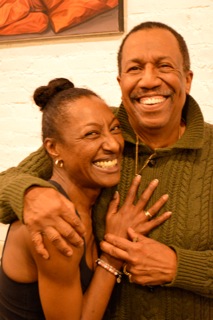
Dollie Henry MBE in Harlem with George Faison — one of the mentors she credits by name. Photograph: Dance Mogul Magazine.
Fighter, or Follower
Dance Mogul
In pursuing your passion in a way that feels right for you, did you find that you had to be a fighter? Could you have been passive, or did you have to be submissive to the disciplines that would take you where you wanted to go?
Dollie Henry
Both. My father was very much the type of person who would say, “If you can’t do it by being educated, then you need to find another way.” So education was key. He always told me that no one could stop me if I knew how to speak, if I had the correct answers, if I knew myself. Once I had that knowledge, it was much easier to navigate obstacles. It’s not about avoiding challenges in a negative way — it’s about seeing them coming and letting them pass by.
On some levels, people might say, “Tell me, you’re not really like that — you’re not that straightforward.” But I am. I go straight in, but I know exactly what I’m doing. I’m not doing it to please anyone else; I must do it to please myself. If it doesn’t please me, it won’t please anyone else. Dance is something that is so physical; it demands your entire life. It’s not something I’ve ever thought about doing part-time. I’ve never been focused on making money from it in the sense of becoming rich and famous.
What I want is to be successful as a Black artist, to be able to stand there and say that I’ve worked since the age of four, and now, at this point in my life, I’ve worked hard to build my own company, to mentor, to educate, and to travel around the world. I’ve made it through my tenacity, my integrity, and my will, along with my pure passion and love for what I do.
Great things come in many colors — so why can’t they come in Black? Great things come in all shades, and we see that all over the world.
My father, as a first-generation immigrant, always emphasized that we still have so much more to climb before we are truly respected in the way we should be. It’s not just happening in America; it’s happening in the UK as well. We are still knocking down so many doors.
For me, I’ve always felt that if you know yourself and take the time to educate yourself, that’s where real strength lies. I may not have come out with massive degrees or PhDs, but I’ve educated myself in ways that matter. My education is an ongoing process, and it’s something that has guided me through all of this.
Reading was the key to everything. I found inspiration in the stories of others — understanding what others had done before me. You cannot reach your goals unless you understand the journey that came before you. It’s been a long journey, but an incredible one. Things attach themselves to you if you’re ready to receive them. If your eyes aren’t open, if you’re not listening, those things won’t be there for you. All of that is part of the education process.
There are things you like and things you don’t, but even the things you don’t like can serve you in some way. Over time, you come to understand why certain things happened or why certain challenges arose. It all contributes to your growth.
What “No” Built
Dance Mogul
That’s a powerful perspective. Tell us about the moments that helped give you the confidence you have now. A lot of people work hard every day and may feel like they’re not getting the recognition they deserve. What were some of the defining moments for you?
Dollie Henry
What helped propel and build my confidence were those moments when someone told me “no.” I can’t count how many times I’ve heard “no” — whether it was being told I wasn’t right for a job or being told, as I mentioned earlier, “she’s not ready.” So, what does “no” mean? For someone else, it might be a setback, but for me, it’s an accelerator. It’s like pressing the gas pedal — “Oh, really? Okay, let me push a little harder.”
For me, when someone says “no,” it pushes me to work twice as hard. I use it as motivation to prove myself and make sure that they’ll never say no to me again. That’s what drives me: believing in myself, even when it takes a long time to get there. There have been times when I’ve felt like breaking down, questioning if I’ll ever make it, but honestly, I don’t give up.
I’ve worked extremely hard to be where I am, and I’m grateful for the journey I’ve had. I’ve deliberately chosen paths and spaces that would challenge me, allow me to grow, and see things in a way that might be different from others. These experiences have shaped me, and even the challenges have taught me valuable lessons. I look at everything with an open mind — anything is possible. Nothing is truly impossible if you put yourself in the right situation.
Dance Mogul
At what point did you decide to transition from being a dancer to being a business owner?
Dollie Henry
I’ve always had that mindset from the beginning. Even when I was dreaming as a dancer, I was already thinking about business. Now, I realize the two go hand in hand — they run together.
The Only One in the Room
Dance Mogul
You mentioned being the only Black student, the only Black person in certain environments. Did that make you feel like your journey would be harder? Or did it motivate you?
Dollie Henry
For me, it was the latter. I always thought, “I’m going to do it anyway.” I had to fight for my life and my dreams. Over the years, people have often misunderstood me. They’ve labeled me as “cutthroat” or “hard,” but that’s not the case. I’m not hard because I want to be. I’m hard because you haven’t stepped in my shoes and lived my life.
I’ve often been labeled a troublemaker, but that’s not who I am. I’m articulate, I speak my mind, and I know what I want. If that makes me a troublemaker, then so be it. When I was in college for three years, I was the only Black student. I didn’t see that as something negative; I saw it as special. I didn’t think, “I must be inferior.” That’s not how I was raised. My parents never told me to be subservient. They told me to keep my head held high, know who I am, and keep pushing forward. So for me, it was never an issue. It was more of an issue for everyone else — because I was a Black girl in that space.
I looked at it differently. I realized I wasn’t the same as everyone else, and that made me unique. It made me special. And honestly, I believed that I was better than them in many ways. Some people saw that as overconfidence, but how can you be overconfident about something you truly love? There’s nothing wrong with that. I often tell my students, “You must believe in yourself, because if you don’t, who will?”
There’s a fine line between ego and introverted ego. An introverted ego is dangerous because you don’t really understand what you’re doing. But an open ego isn’t about showing off or forcing yourself onto others — it’s an inner feeling. I’ve always had this inner sense of who I am and what I wanted to do, and I’ve never deviated from that. I’ve always known this is my purpose, this is why I’m here. So why should I let anyone take that away from me? It’s my choice if I wish to remove myself, but it’s not anyone else’s decision.
Purpose and the Vessel
Dance Mogul
When you talk about your purpose, is it the same passion and drive you felt when you were two or seven years old?
Dollie Henry
Yes, exactly. What I felt at two or seven years old was the spark of my purpose. I may not have had the words to articulate it back then, but my spirit knew. And I truly believe we all have a purpose.
This might sound a bit crazy, but it’s not just me — I’m a vessel. I have to humble myself to the fact that I am a vessel through which something is flowing. I am the conduit for that, whatever it may be, in whatever I do. It’s taken time to understand this. Now I get it. I know why me. Someone has to do this work, and my spirit, my personality, or whoever I am is strong enough to cope with it.
That doesn’t mean I haven’t had days when I’ve broken down and cried until I couldn’t anymore, but I understand now that this is my calling. I wouldn’t be human if I didn’t feel down sometimes, but that has never stopped me. It’s just about taking a step back, taking a breath, and then moving forward. Sometimes you need to pause, look around, and realize that a lot of the things that are stopping you aren’t even about you. They’re about the situation around you. Once you realize that, you can figure out how to move around it and get better.
Dance Mogul
What are some of your accomplishments that made you feel like you were fulfilling your purpose?
Dollie Henry
For me, that connection started very early. As a child, I was in the studio all the time, not just as a dancer, but also as a student who was given opportunities. As a Black student, I had access to the studio, and I took full advantage of that. My question was always, “How can I choreograph while I’m training?” So I asked if it was possible to come in early in the morning and stay late at night, just as long as I had the time to work on my choreography.
I wanted to use every moment to pursue my passion. I was studying during the day, but I wanted to be in the studio by six o’clock in the morning to work on my choreography. I needed that time to create the pieces I wanted to present. Eventually, I started winning awards and competing. I moved on to All England, and then I was taken to Europe. It became clear to me that I was on the right path — why else would I be winning these competitions?
At first, people said it wasn’t likely I’d be able to work with them because I wasn’t old enough. They told me I had to be in my teens before I could work with them. But then they’d wait for me, and I’d come back to college, and the head of the school would say, “We really want her now.” It’s interesting talking about this with you because often I don’t talk about these things. People don’t ask because they don’t really want to know. They’re afraid of what they might find. Because once they really know who I am, they’ll ask, “Why didn’t we give her the opportunities sooner?”
For me now, with a company I’ve had for decades, my entire life has been dance. My whole life has been in the theater. I’ve always been driven to be a visionary, a catalyst in some way. My life has been about making sure art is represented properly. I started at four, and I have no intention of stopping until the work I’ve done proves that we are here, we exist, and I’ve done exactly what I was meant to do. That’s the truth, and I have no problem with it. It’s insane because I’m still doing it, and that must mean something. It must be true. That’s my reality, and it’s amazing.
Technique and Soul
Dance Mogul
You mentioned teaching from a young age. What made you want to give the arts to others?
Dollie Henry
To be completely honest with you, it wasn’t given to me in the way I would have liked. It wasn’t given to me without prejudice. When I was given anything, it felt like, “We’ve got to give this to her because she’s great,” but it wasn’t done in a nice, mentoring way. I had to ask for everything I needed to get to where I wanted to be.
Having said that, when I got it, I gave it my full effort. When I look at students and dancers today, they are in such need of knowing that somebody cares. For me, it’s about showing them that you care about yourself, your art form, and instilling that into the next generation. That was something I didn’t always receive. I always felt my purpose was to give that back to the students: to show them that it’s important to care, to push yourself, and to grow.
But there’s also that balance — pushing them physically while also addressing what’s going on mentally. I don’t think I was always given that mental support, and now I’m here to provide it. It absolutely has to be more than just technique. We are not machines.
When you look at dancers with incredible technique, sometimes they lack soul. Having great technique is important, but what you do with it matters even more. Technique alone will not make you a great dancer.
Dance Mogul
When you’re helping younger dancers connect their physical technique to their soul, how does that feel, being in the center of that process?
Dollie Henry
It’s incredibly exciting when I see it happen. When I see the moment where it clicks for them, when it makes sense. Teaching is difficult, but I think of it more as mentoring. I teach a lot, but in my company we have mentoring programs for dancers who have lost their way. They love dance, but something has happened that has caused them to lose direction. I invite them to spend a month with me and the company. I don’t want anything in return; I just want to help them shed all the baggage and rediscover who they are. Once they understand who they are, everything else will flow from that.
That’s what excites me — seeing someone come in, uncertain and lost, and leave with a renewed sense of purpose. A lot of dancers are afraid. They’ve been told along the way that they won’t make it, that they’re not good enough, that they’re not worthy. And this is especially true for Black students. They are often told, “You will never make it here in England.”
This is a real problem we face: dancers spending thousands of pounds on education, but with no real career prospects at the end of it. For me, being in my position, as a Black woman — because it’s even more difficult for Black women — I feel a sense of pride. I stand there and proudly say, “I’m going to take you, and I’m going to help you get there.” I can give it to somebody else, and that’s my job.
Founding Body of People
Dance Mogul
I’ve heard so many great things about your personality and your purpose, and how you connect technique with soul — that it’s not just about doing it, but living it. You started your company in 1996. Why did you decide to create it?
Dollie Henry
I founded the company in 1996 because I wanted to make sure that the jazz art form would continue, especially in England. In many ways, jazz in England has a warped understanding because it’s often associated with musical theatre, which is predominantly white.
This is not to diminish the value of musical theatre, but if we go back in history, we can see the divide. You have “white jazz” from the musical theatre side, and “Black jazz” from the African American side. Even today, we struggle to bring these two together.
When I founded my company, I knew I wanted it to be led by a Black woman, but I didn’t want it to be exclusively a Black company. I live in a country where diversity is supposed to be the norm, so I wanted to have a diverse group of people. I’ve had men and women from all backgrounds, including people from China, Japan, Italy, France, and of course, Black dancers. That’s what I believe in — true diversity.
I am the only jazz choreographer in the country with a dedicated jazz theatre company. There was nothing for me to go into, so I had to create my own path. My only other option was to work in musical theatre, like Broadway here. But I realized that’s not truly jazz, because it’s been watered down and made palatable for the audience. It’s a moneymaker, not about the art form — it’s a commodity. So if that’s happening, where does that leave me? What am I going to do? Well, I decided to start with myself. Let me start my own company.
Seventeen Years Later
When I was 17, while I was still at college, I decided to speak to the head of the school. She asked me what I was going to do after I graduated, and I told her, “One day, I will have my own company. It will be a jazz company.” She dismissed it.
Seventeen years later, I wrote her a letter: “Dear Miss Lane, I have founded my own company. It is now a limited company called Body of People Jazz Theatre.”
I called it “Body of People” because it wasn’t about me. I wanted to bring the community back into what jazz was all about. If it’s about me, then that’s my ego. Dollie Henry as the name of the company didn’t feel right — it didn’t represent the essence of what I was trying to do. So I spent many sleepless nights for about three months trying to find the right name. I finally landed on “Body of People,” because jazz is about people coming together. And that’s what I wanted — people who believed in the same thing, who wanted to dance for the pure artistic release, not just for the money. Education is a strong part of my philosophy and purpose.
History and Foundation
Dance Mogul
Do you think education is necessary to help bring different cultures together and reconnect them to their original art forms?
Dollie Henry
I believe we need education. What’s missing right now is a deeper understanding of the history behind these art forms and how they intersect. Education not only teaches the technical skills, but also the cultural significance and the values that each style holds. It’s about reconnecting with the roots of the art form and recognizing its deeper purpose beyond just performance.
I’m sure many others feel the same — that we’ve lost our way. We’re currently in a bubble, unsure of what’s ahead of us, and we’ve forgotten what’s come before us. It’s all about the present moment now — “I want it now, I have it now.” But we’ve forgotten the importance of understanding our history, and where we’re going with it. We’re just messing it up. For me, it’s about staying true to yourself, understanding where you’ve come from, and knowing where you want to go. I’m not trying to change anyone’s perception; I’m just offering another way of doing things.
It doesn’t have to be about money — it should be about your heart. The heart is such a huge thing, and I think we’ve lost sight of it along the way. Everything has become commercialized. I feel that history is being pushed aside, and we need to reintroduce it to create a real foundation. We’ve lost that foundation, and now we’re floating.
If we lose the understanding of where it came from, we lose everything.
It doesn’t matter whether I look at young students today — Black, white, whatever — many of them don’t know their history. They don’t know why they do what they do; they’re just doing it because that’s the way it is. That’s fine for now, but what happens when we lose that connection to the past, and the next generation doesn’t know where they came from?
I still look at the people who came before me, and I stand on their shoulders, saying, “Thank you for giving me the opportunity to be here.” I can’t negate the fact that they worked hard, sacrificed, and gave back. We must respect that, and it all comes down to respect — not just for others, but for ourselves. And respect for what has come before us.
I think, in the past, people didn’t quite understand me because what I was saying was so different. It was different from what everyone else was doing. I wasn’t trying to do what everyone else was doing; I was trying to create something that didn’t exist before, something that was needed. I wanted to make it known that this exists, and it can’t be ignored. We can’t change the fact that we are Black, and we can’t change the fact that we are white, but we can come together, we can understand each other, we can work together, and we can create something new. But we must never forget where it came from.
This understanding comes through education, discussion, and everyone coming together. There’s not a show we do where we don’t sit together as a team. It’s not about just showing up for a performance and saying, “Isn’t that nice?” It’s about building a community, working as one, and sharing as one. I think a lot of people today are so desperate to be something, but they don’t even know what that something is.
When I reflect on what you’re asking about, I think about the young people, and my mind goes to this question: How did I hold it together? How did I stay firm in my beliefs when everyone else seemed to be going in the opposite direction? It wasn’t easy. I had to stand firm in what I knew to be the truth, even when it meant walking alone or with only one or two people beside me. I had to say, “It’s okay if they’re going this way, but I’m going in this direction. I know this is the right path for me, and this is truth.” I was prepared to stand alone in the cold if necessary, because I knew I was walking in truth.
Holding the Line
Dance Mogul
How did you maintain your path amid peer pressure as dance and culture became commercialized?
Dollie Henry
That’s a tough question to answer because, in a way, it’s something you either know or you don’t. I’ve always had integrity in what I do. If I don’t believe in something, I simply won’t do it. But if I believe in something, I’ll stick with it. I’ve always known, since I was younger, that my purpose is tied to this work. When you know your purpose, it’s hard to be swayed. It’s not about money. The money will come and go, but the purpose remains.
As I said earlier, this isn’t about the money — it’s about sharing the art, lighting people up, and making them part of something greater. It’s a positive thing, a joyful thing. Money is not everything. We all know it can mess things up, but the art — the feeling of it — is what truly matters.
But I’ll answer your question directly. It’s about integrity. That’s where I draw my line. I’m not a millionaire, and I don’t expect to be, but that’s not why I do what I do. If money were the driving force, I’d probably have walked away a long time ago. I’m rich in other ways. People often come to my home, and they ask, “What do you have that’s so valuable?” And I say, “It’s not about things. It’s the energy, the purpose behind what I do. I have everything I need in that.”
I take care of it because I respect it now, more than ever. When something is broken, it doesn’t matter anymore — what’s important is that I can get up, kick my leg tomorrow, and teach the next generation of dancers. I can share the joy of dance with others. Even when someone walks in the door feeling at their lowest, I know that when they leave, they’ll feel better about themselves because they’ve experienced something real and true.
Coming Home to Harlem
Dollie Henry
As for spreading these values here in the U.S., I’ve been coming to New York for the past 23 or 24 years, and it feels like home to me. Whenever I’m here, I feel like I’m coming home, just as much as I do in England. But I’ve always said I’m a child of the world — wherever I am, I make it my home. It’s not hard for me because I don’t come in with a sense of entitlement. I’m not trying to take anything from anyone. I’m here to share something that may not be as visible anymore. I want to collaborate, make new friends, and build relationships that will last a lifetime.
Being here in Harlem in particular, I feel connected to my heritage. I have West Indian roots, some Indian heritage, Irish, Scottish, and a little bit of American influence, too. People often say I could easily be American, and in many ways, I feel that connection. It’s about recognizing that, despite the labels, we’re all humans with shared experiences.
Over the years, I’ve had the opportunity to teach here. I’ve worked with amazing people like George Faison and others, and they’ve been mentors to me. In the UK, I never had Black mentors to look up to, so I had to find my own way. I had to be my own role model, to say, “Okay, someone has to do this, and it’s going to be me.” Wherever I am, I feel like I’m just part of the whole. Coming back here, teaching next week, and giving masterclasses — I’m truly delighted and really looking forward to it. I believe it’s going to open up minds and help people truly discover who they are. It’s going to make them understand what they’re really doing and what they’re saying about the art form of jazz. Right now, jazz is losing its way, and I don’t think we should let that happen. It’s our art form, and no matter where we are in the world, it’s still ours.
The Correction She Keeps Making
Jazz’s Real Route
In many ways, I see it as part of the mentoring program I did in January in England. Many of the students didn’t understand the full journey of jazz and where it came from. They assumed it only came from America.
Africa → the West Indies → South America → America → the world
But, no — it originated from Africa, passed through the West Indies, traveled to South America, then to America, and eventually went around the world. Yes, it has changed along the way — that’s natural, because jazz is a contemporary art form, and it evolves. But we mustn’t forget where it came from or what it stands for.
The reason we do it is because we are a community of people with something to say. We express that through our bodies, our voices, and our actions. Jazz needs to be understood, respected, and celebrated.
Dance as Healer
Dollie Henry
In my classes, I try to help students connect to that deeper meaning. I want them to understand that dance, especially jazz, is a healer. Honestly, when I’ve been down, the one thing I know I can do to heal myself is dance. It’s not just about performing or making money — it’s about healing. I think somewhere along the way, people have forgotten that dance has this power. For me, it’s saved me — it’s saved me from despair and from losing my mind. That’s something I want others to rediscover, too. It’s not just an art form; it’s so much more than that.
Gratitude, Legacy, Last Words
Dance Mogul
In closing, is there anyone you would like to thank who has helped you become the great person you are today?
Dollie Henry
Thank you. There are so many people I could thank, but I’ll start with George Faison. I could even start with you, because you’re here helping me right now. So, thank you for giving me the opportunity to speak and be part of what you’re doing. Life has been a wonderful thing, and you make out of it what you can. At the end of the day, it’s your choice.
I’d also like to thank myself for not giving up. I want to thank myself for having the tenacity and determination to stick with what I believe in, because it has been really hard.
I’d like to thank my parents for giving me the opportunity to put those dancing shoes on. They allowed me to pursue my dreams, and I know so many children don’t have that same opportunity. It’s not about favoritism or wealth — it’s about vision. They had the vision to give their children the chance to be better than they were, and I thank them for that.
Jazz has given me a life. This art form has allowed me to see things that I would never have seen, to travel, and to experience the world in a totally different way. It has opened my heart and allowed me to be respectful of others.
Dance Mogul
What would you like your legacy to be?
Dollie Henry
That’s a tough question. In England, I’d like my legacy to be that I was the woman who kept the jazz art form alive and thriving. I want people to know that I brought people together through jazz, and that the work continues even after I’m gone. It’s about the impact that endures, and I’m doing it with passion. If it happens, it happens. If it doesn’t, that’s okay — I’m still doing it anyway.
Dance Mogul
Any last words you would like to share?
Dollie Henry
Live the dream. If you have a dream and you believe in it, go ahead and pursue it. If it doesn’t work, it’s okay — you haven’t failed, at least you tried. For me, trying is the most important thing. Don’t stop just because someone tells you no. Everyone told me no, and without being rude, I just thought, “Okay, that’s your opinion, but it’s not mine.” And that’s how I’ve always moved forward.
If you hear a “no,” say “Thank you” and keep going.
Dollie Henry MBE
Dance Mogul
Thank you so much, Dollie. We truly appreciate you, and we look forward to following you on your journey.
Archive Note
Why This Interview Is a Primary Source
British jazz dance has been documented far less thoroughly than its American parent tradition. There is no comprehensive published history of the form in the UK, and the practitioners who built it are, for the most part, still working rather than being written about.
This conversation is one of the few extended, on-the-record accounts of how a jazz theatre company was established in Britain, by the person who established it. Dance Mogul Magazine holds it as a primary source document. Researchers, students and journalists are welcome to cite it — see how to cite Dance Mogul Magazine.
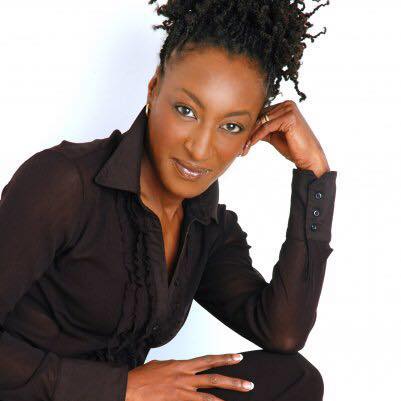
Connect
Dollie Henry MBE — Founder & Co-Artistic Director,
Body of People (BOP) Jazz Theatre Company, London.
Read Next
• The companion feature: Dollie Henry MBE — UK jazz theatre pioneer, covering Body of People, the two-jazz divide, and the lineage of the form.
• Explore the forms and lineages in our dance styles hub.
• More conversations in DMM exclusive interviews.
• Browse the print and digital catalogue in the Dance Mogul Magazine store.
Interview conducted by Dance Mogul Magazine in Harlem, New York. Edited for length and clarity.
© 2026 Dance Mogul Magazine LLC | dancemogul.com | Inspiring Self-Empowerment Through Dance Culture