
Health & Empowerment Series | Global Organic Meal Prep
Italian Organic Meal Prep: How the Mediterranean Diet Fuels the World’s Healthiest People
Global Organic Meal Prep Series — Article 2 of 20
By Dance Mogul Magazine | Health & Empowerment Series | Global Organic Meal Prep
Why Italy Belongs in the Global Organic Meal Prep Series
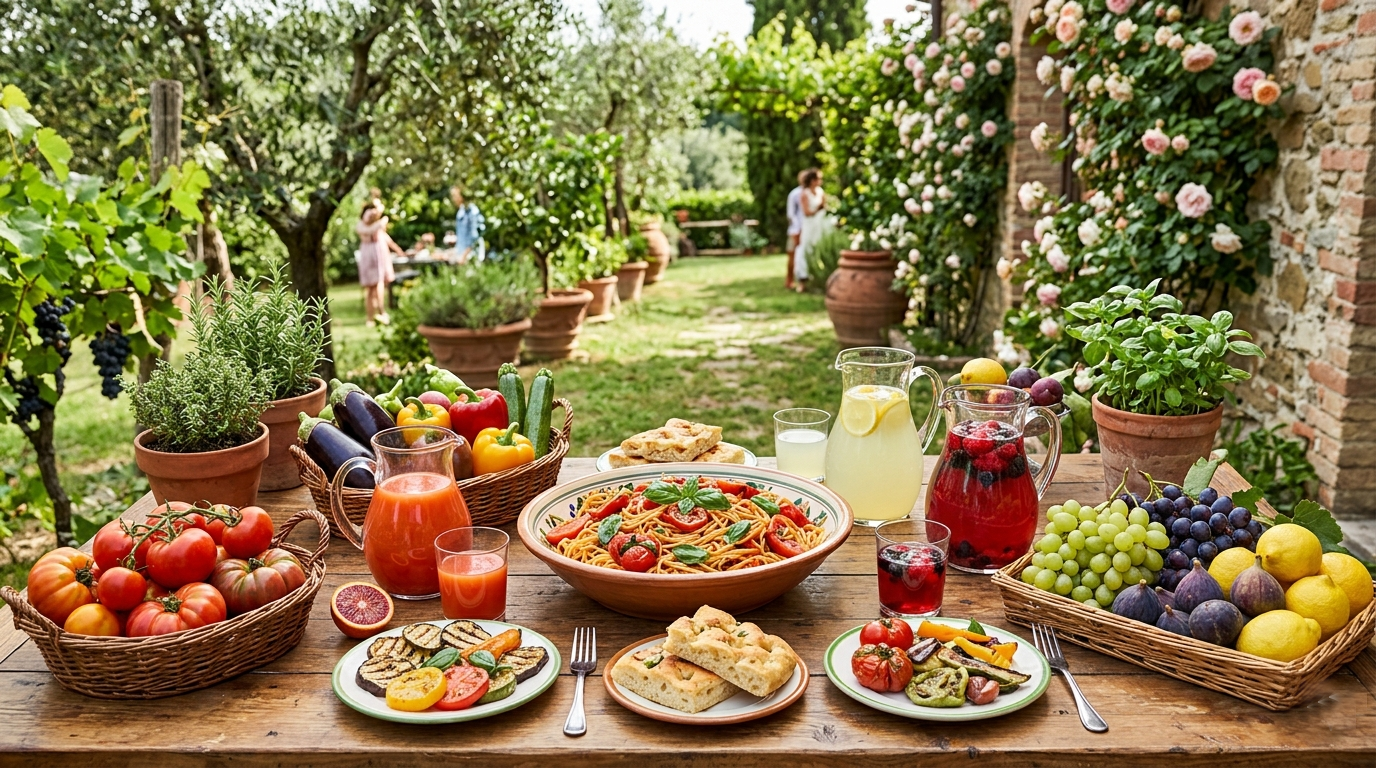
Italy is not just a country that eats well — it is a country that lives well because of what it eats. The Mediterranean diet, born from Italian and Greek kitchens, is the most studied dietary pattern in modern nutritional science. Decades of clinical research — including the landmark PREDIMED trial involving over 7,400 participants — confirm what Italian nonnas have known for centuries: olive oil, fresh vegetables, legumes, whole grains, and wild-caught fish protect the heart, reduce inflammation, lower the risk of type 2 diabetes, and extend life by measurable years.
Italy also gave the world the Slow Food movement, founded in 1986 as a direct challenge to fast food culture. The movement insists that meals should be prepared with care, sourced locally, eaten slowly, and shared with others. For dancers and athletes, this philosophy is especially powerful. The body that moves with grace must be fed with intention. Italy understood this long before modern sports nutrition existed.
Italy’s regional diversity makes its food culture even richer. From the seafood traditions of Sicily and Puglia to the truffle-rich forests of Piedmont, from the citrus groves of Campania to the vineyards of Tuscany, every region contributes unique ingredients and techniques to the national table. This is not one diet — it is a mosaic of local food wisdom refined over millennia.
The Italian Organic Meal Prep Healing Pantry
Extra-Virgin Olive Oil: The cornerstone of Italian health. Rich in oleic acid and polyphenols, EVOO reduces LDL cholesterol, lowers blood pressure, and fights chronic inflammation at the cellular level. Studies show that populations consuming 3–4 tablespoons of EVOO daily have significantly lower rates of cardiovascular disease. Use it generously — drizzled over vegetables, in sauces, as a finishing oil, and even for light sautéing.
Tomatoes: Italy’s beloved San Marzano tomatoes are packed with lycopene, a powerful antioxidant linked to reduced risk of heart disease, prostate health, and protection against UV skin damage. Cooking tomatoes in olive oil dramatically increases lycopene absorption, making classic Italian sauces one of the most efficient ways to deliver this nutrient.
Legumes: Cannellini beans, chickpeas, borlotti beans, and lentils are staples of the Italian pantry. They provide plant-based protein, soluble fiber, iron, and B vitamins. Legumes stabilize blood sugar and deliver sustained energy — critical for dancers who need consistent fuel through long rehearsals without the crash that refined carbohydrates cause.
Fresh Herbs: Basil, oregano, rosemary, sage, and thyme are not just flavor — they are concentrated sources of antioxidants and anti-inflammatory compounds. Rosemary alone contains carnosic acid, which research links to improved memory and cognitive function. Italian cooking treats herbs as medicine, and the science confirms the tradition.
Wild-Caught Fish: Sardines, anchovies, branzino, and swordfish deliver omega-3 fatty acids essential for joint health, brain function, and cardiovascular protection. Italian coastal communities that eat fish three to five times per week show some of the longest lifespans and lowest rates of cognitive decline in Europe.
Whole Grains: Farro, barley, and whole-wheat pasta are Italian staples that provide complex carbohydrates, fiber, and minerals. Unlike refined grains, these slow-releasing carbs prevent blood sugar spikes and support steady energy throughout the day.
5-Day Italian Organic Meal Prep Plan
Day 1 — Tuscany: Breakfast: whole-grain fettunta (grilled bread rubbed with garlic, drizzled with EVOO, topped with fresh tomato). Lunch: ribollita (Tuscan bread and vegetable soup with cannellini beans, kale, and Parmigiano rind). Dinner: grilled branzino with roasted fennel, capers, and lemon, served over a bed of arugula.
Day 2 — Sicily: Breakfast: fresh ricotta with wildflower honey, pistachios, and a drizzle of olive oil. Lunch: caponata (sweet-and-sour eggplant, tomato, olive, and caper stew) served over farro with fresh basil. Dinner: sardines baked with breadcrumbs, pine nuts, currants, and saffron — a classic Palermo preparation.
Day 3 — Liguria: Breakfast: yogurt with walnuts, fresh figs, and a drizzle of aged balsamic. Lunch: minestrone soup with seasonal vegetables, borlotti beans, and a generous pesto drizzle. Dinner: whole-wheat trofie pasta with pesto Genovese, green beans, and potatoes — the classic Ligurian combination.
Day 4 — Puglia: Breakfast: frisella (dried bread) soaked and topped with diced tomatoes, olive oil, oregano, and a pinch of sea salt. Lunch: orecchiette with broccoli rabe, garlic, chili flakes, and anchovy. Dinner: grilled octopus with a warm chickpea salad dressed in lemon vinaigrette and fresh parsley.
Day 5 — Emilia-Romagna: Breakfast: whole-grain toast with aged balsamic vinegar and shaved Parmigiano-Reggiano. Lunch: lentil soup with rosemary, garlic, and a swirl of EVOO. Dinner: baked chicken thighs with roasted peppers, cherry tomatoes, olives, and fresh oregano.
Why Italian Organic Meal Prep Works for Dancers
The Italian diet delivers exactly what active bodies need: sustained energy from complex carbohydrates, anti-inflammatory fats from olive oil, lean protein from fish and legumes, and a flood of micronutrients from fresh vegetables and herbs. The emphasis on whole, seasonal, minimally processed ingredients means the body receives nutrition in its most bioavailable form — the way nature intended it to be absorbed.
Italy’s communal approach to meals also matters for performance. Eating slowly, sharing food, and savoring flavors reduces cortisol (the stress hormone), improves digestion, and reinforces the vital connection between nourishment and joy. Research published in the British Medical Journal found that eating quickly is associated with higher rates of obesity and metabolic syndrome. Italy’s slow, deliberate approach to the table is itself a health intervention. For dancers who push their bodies to the limit daily, this holistic approach to eating is not a luxury — it is a necessity.
“Italy teaches that the best food is simple food — prepared with love, shared with purpose, and rooted in the land that grew it.”
Practical Italian Organic Meal Prep Tips
Sunday Prep: Make a large pot of tomato sauce (sugo) using San Marzano tomatoes, garlic, basil, and EVOO — it keeps all week and improves with time. Cook a batch of cannellini beans or chickpeas. Wash and portion salad greens. Prepare a jar of lemon-herb vinaigrette. Grill or bake a batch of fish fillets and portion them for the week ahead.
Sourcing: Invest in quality extra-virgin olive oil — it is the single most important ingredient in this tradition. Look for cold-pressed, single-origin, harvest-dated EVOO. San Marzano tomatoes with the DOP certification are worth the small premium for their superior flavor and lycopene content. Fresh herbs like basil, rosemary, and oregano can be grown on a windowsill year-round for pennies.
Hydration: Italians drink water with every meal, often sparkling (frizzante). Herbal teas are traditional and therapeutic — chamomile after dinner to calm the nervous system, fennel tea for digestion, and lemon water first thing in the morning to alkalize the body and kickstart metabolism.
A Culture Worth Celebrating
Italy did not invent the concept of eating well, but it may have perfected the art of it. From the sun-drenched olive groves of Puglia to the fishing boats of Sicily, from the ancient grain fields of Sardinia to the herb gardens of Campania, Italian food culture is a living testament to what happens when a people honor their land, their traditions, and their bodies. The Italian table is not just a place to eat — it is a place to heal, to connect, and to celebrate life itself. For the global dance community, Italy’s message is timeless: eat real food, eat together, and let every meal be an act of self-respect.
Continue Exploring the Global Organic Meal Prep Series
Health & Empowerment Series • West African Organic Meal Prep • Spanish Organic Meal Prep • Why Dance Is Medicine • The Dancer’s Prescription • The Food-Brain Connection • Workbooks & Guides • Japanese Organic Meal Prep • Icelandic Organic Meal Prep