
Dance Mogul Magazine • Archival Feature
Celebrating Black Creative Directors
& Choreographers
"They built the language of movement that the world copies today. From Broadway to Hollywood, from Soul Train to TikTok, from the Apollo to the Super Bowl — Black movement is the root system of global entertainment."
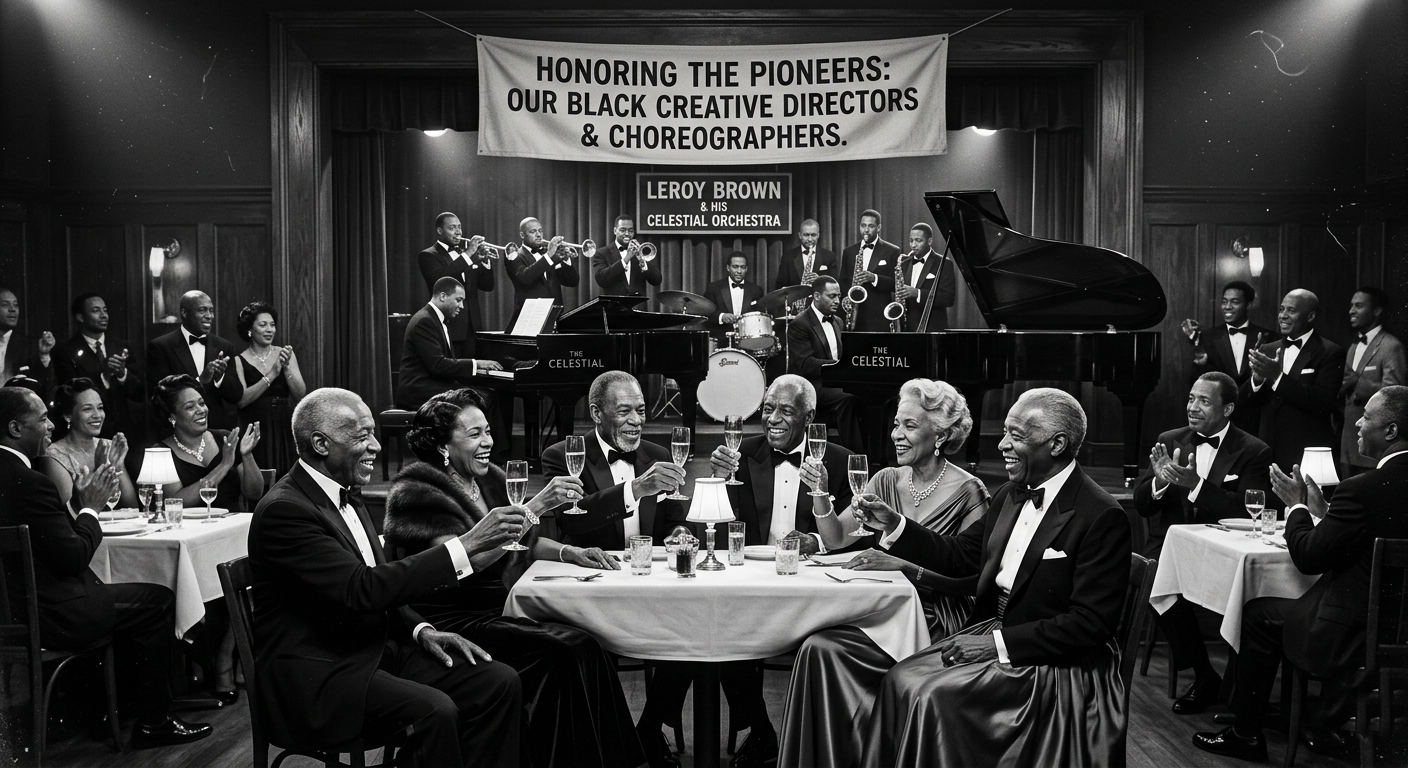
The Way They Deserve to Be Remembered
Black dancers, choreographers, and creative directors built the blueprint of American entertainment. They shaped the stages, the screens, the tours, the videos, the musicals, the award shows, and the cultural moments the world calls "iconic." They were the architects of movement — the keepers of rhythm, the translators of emotion, the innovators who turned struggle into style, and style into global language.
Some became famous. Many did not. But all of them changed the world. They carried the culture on their backs — often uncredited, often underpaid, often erased — but always essential.
This archive exists because their work deserves permanence. Their names deserve to be spoken. Their stories deserve to be preserved. Their contributions deserve to be taught. Their legacy deserves to be honored. And because without them, there is no "industry."
Era I • 1926–1959
Foundational Era
The architects of Black movement language
1. Katherine Dunham
(1909–2006)Dancer • Anthropologist • Choreographer • Cultural Architect
Called the "matriarch and queen mother of Black dance," Dunham created the Dunham Technique — a revolutionary fusion of African diasporic movement, Caribbean ritual, and modern dance that became the first codified African-American concert dance technique. She founded the first self-supporting Black dance company in the 1940s, opened dance schools in New York, Paris, Stockholm, and Rome, and became the first African-American to choreograph for the Metropolitan Opera (Aida, 1963). Her fieldwork in Haiti, Jamaica, Martinique, and Trinidad as a University of Chicago–trained anthropologist laid the foundation for the entire sub-discipline of dance anthropology.
Stage & Screen: Cabin in the Sky (Broadway, 1940), Stormy Weather (film, 1943), Tropical Revue (national tour), Bal Negre (Belasco Theater, NYC), Bamboche (Broadway, 1962), Treemonisha (opera, 1972). Toured internationally through the 1940s–1960s, including London's Prince of Wales Theatre and venues across Europe, Latin America, and Asia.
Awards & Recognitions
Kennedy Center Honors (1983) • National Medal of Arts (1989) • Presidential Medal of Freedom nominee • Albert Schweitzer Music Award (1979, Carnegie Hall) • Named one of "America's Irreplaceable Dance Treasures" (Dance Heritage Coalition, 2000) • Haitian Légion d'Honneur et Merite (Grand Officer) • Southern Cross Award, Brazil • Samuel H. Scripps Award (American Dance Festival) • UNESCO Medal of Artistic Merit in Dance • Star on the St. Louis Walk of Fame • Black Filmmakers Hall of Fame (1974) • 14 honorary doctoral degrees including Harvard and USC • Library of Congress Katherine Dunham Legacy Project
Sources: Library of Congress, Kennedy Center, Britannica, Alvin Ailey American Dance Theater archives
2. Pearl Primus
(1919–1994)Dancer • Anthropologist • Choreographer
Pearl Primus brought African and Caribbean movement to American concert dance with unmatched power and scholarship. Trained at the New Dance Group in New York, she earned her PhD in anthropology and conducted fieldwork across Africa, integrating authentic traditional movement into modern concert settings. Her leap — captured in iconic photographs — became a symbol of Black artistic freedom. She was among the first to use dance as a vehicle for social justice, creating works that addressed racial violence and inequality.
Signature Works: Strange Fruit (1943), African Ceremonial (1944), The Negro Speaks of Rivers (inspired by Langston Hughes). Performed at Café Society, Broadway's Belasco Theater, and international stages across West Africa, Central Africa, and the Caribbean.
Awards & Recognitions
Named one of "America's Irreplaceable Dance Treasures" (Dance Heritage Coalition, 2000) • National Medal of Arts (1991) • Rosenwald Fellowship • Last Great Witch Doctor of Dance (named by The New York Times) • Star Designation, National Museum of Dance
3. Bill "Bojangles" Robinson
(1878–1949)Tap Dancer • Actor • Innovator
Robinson set the standard for tap dance performance with his clarity of footwork and extraordinary charisma. He was the highest-paid Black entertainer in the first half of the 20th century and is credited with popularizing the "stair dance," performed famously with Shirley Temple in The Little Colonel (1935). Robinson's influence on tap is foundational — he shifted the art from flat-footed "buck" dancing to an upright, elegant style performed on the balls of the feet.
Stage & Screen: Blackbirds of 1928 (Broadway), The Hot Mikado (1939 World's Fair), Stormy Weather (1943), The Little Colonel, The Littlest Rebel, Rebecca of Sunnybrook Farm (all with Shirley Temple). Performed on the vaudeville circuit, at the Cotton Club, and on major radio broadcasts.
Awards & Recognitions
National Day of Celebration: May 25 was declared "National Tap Dance Day" by Congress in 1989, honoring Robinson's birthday • Inducted into the National Museum of Dance Hall of Fame • Star on the Hollywood Walk of Fame • Guinness World Record holder for running backward
4. The Nicholas Brothers (Fayard & Harold)
Fayard (1914–2006) • Harold (1921–2000)Tap Dancers • Film Performers • Innovators
The Nicholas Brothers' acrobatic tap style — featuring gravity-defying splits, flips, and synchronized precision — remains unmatched in film history. Their legendary sequence in Stormy Weather (1943) has been called the greatest musical number ever filmed. Fred Astaire reportedly called it "the greatest dance sequence ever filmed." Despite racism barring them from leading roles in major Hollywood films, the Brothers performed internationally to massive audiences across Europe, South America, and Africa.
Stage & Screen: Stormy Weather (1943), Down Argentine Way (1940), Sun Valley Serenade (1941), Orchestra Wives (1942), The Pirate (1948, with Gene Kelly). Cotton Club headliners (ages 11 and 7), Broadway appearances, European concert tours, TV appearances on The Ed Sullivan Show.
Awards & Recognitions
Kennedy Center Honors (Fayard, 1991; Harold, posthumous tribute) • Star on the Hollywood Walk of Fame • Named "America's Irreplaceable Dance Treasures" (Dance Heritage Coalition) • National Museum of Dance Hall of Fame • Tony Award, Best Choreography nomination (Fayard, Black and Blue, 1989)
5. Asadata Dafora
(1890–1965)Choreographer • Composer • African Dance Pioneer
Born in Sierra Leone, Dafora introduced authentic African theatrical dance to American stages. His 1934 production Kykunkor (The Witch Woman) at the Unity Theatre in New York was a landmark — the first full-length African opera-dance presented in the United States. The work influenced both Katherine Dunham and Alvin Ailey, who cited Dafora's movement vocabulary in the creation of Revelations.
Venues & Platforms: Unity Theatre (NYC), Carnegie Hall (concert performances), the Federal Theatre Project, New York concert dance circuits of the 1930s–1950s.
6. Talley Beatty
(1918–1995)Dancer • Choreographer
A protégé of Katherine Dunham, Beatty became a modern dance force whose work bridged classical technique and Black storytelling. He performed in the film Carnival of Rhythm (1941) at age 15 and went on to create landmark works including The Road of the Phoebe Snow (1959) and Come and Get the Beauty of It Hot (1960), both of which explored urban Black life through jazz-inflected modern dance. His choreography was performed by Alvin Ailey American Dance Theater and Dance Theatre of Harlem.
7. Donald McKayle
(1930–2018)Choreographer • Director
McKayle's works explored Black life with emotional depth and technical rigor. Rainbow 'Round My Shoulder (1959) and Games (1951) are considered masterpieces of American modern dance. He choreographed for Broadway (Raisin, Sophisticated Ladies), directed for television, and received Tony nominations for choreography. His career spanned six decades of teaching, performing, and creating works that depicted the full complexity of the Black American experience.
Awards & Recognitions
Two Tony Award nominations (Choreography) • Capezio Award • American Dance Festival Heritage Award • Named "America's Irreplaceable Dance Treasure" (Dance Heritage Coalition) • Living Legend Award, International Association of Blacks in Dance
8. Alvin Ailey
(1931–1989)Dancer • Choreographer • Founder, Alvin Ailey American Dance Theater
Ailey created Revelations in 1960 — now one of the most performed modern dance works in history, seen by over 23 million people across 71 countries. Drawing on his childhood in Jim Crow Texas, he built the Alvin Ailey American Dance Theater into a global institution that served as a cultural ambassador for the United States. The company was the first American modern-dance troupe to tour the Soviet Union since Isadora Duncan in the 1920s, receiving a 23-minute standing ovation in Leningrad. His choreography for the 1968 Olympics opening ceremony in Mexico City and stagings for the Metropolitan Opera, American Ballet Theatre, and the Kennedy Center opening (Mass, 1971) cemented his legacy as the most important Black choreographer of the 20th century.
Global Reach: Revelations performed at the White House for multiple presidencies (Carter and Clinton inaugurations), the 1968 Olympic Opening Ceremonies, NBC's Rockefeller Center Christmas broadcast, and on stages in over 71 countries. The Ailey company has performed for more than 25 million people worldwide.
Awards & Recognitions
Presidential Medal of Freedom (2014, posthumous, from President Obama) • Kennedy Center Honors (1988) • Spingarn Medal, NAACP (1976) • Samuel H. Scripps American Dance Festival Award (1987) • Grand Prix Italia • Capezio Award (1979) • Dance Magazine Award (1975) • Handel Medallion (NYC) • National Museum of Dance Hall of Fame (1988) • U.S. Postal Service commemorative stamp • "Alvin Ailey Way" street designation, Manhattan • Guggenheim Fellowship • Honorary doctorates from Princeton, Bard, and Adelphi
Sources: PBS American Masters, Alvin Ailey Dance Foundation, Kennedy Center, NAACP
Era II • 1960–1979
Modern & Classical Era
The era that shaped institutions and global stages
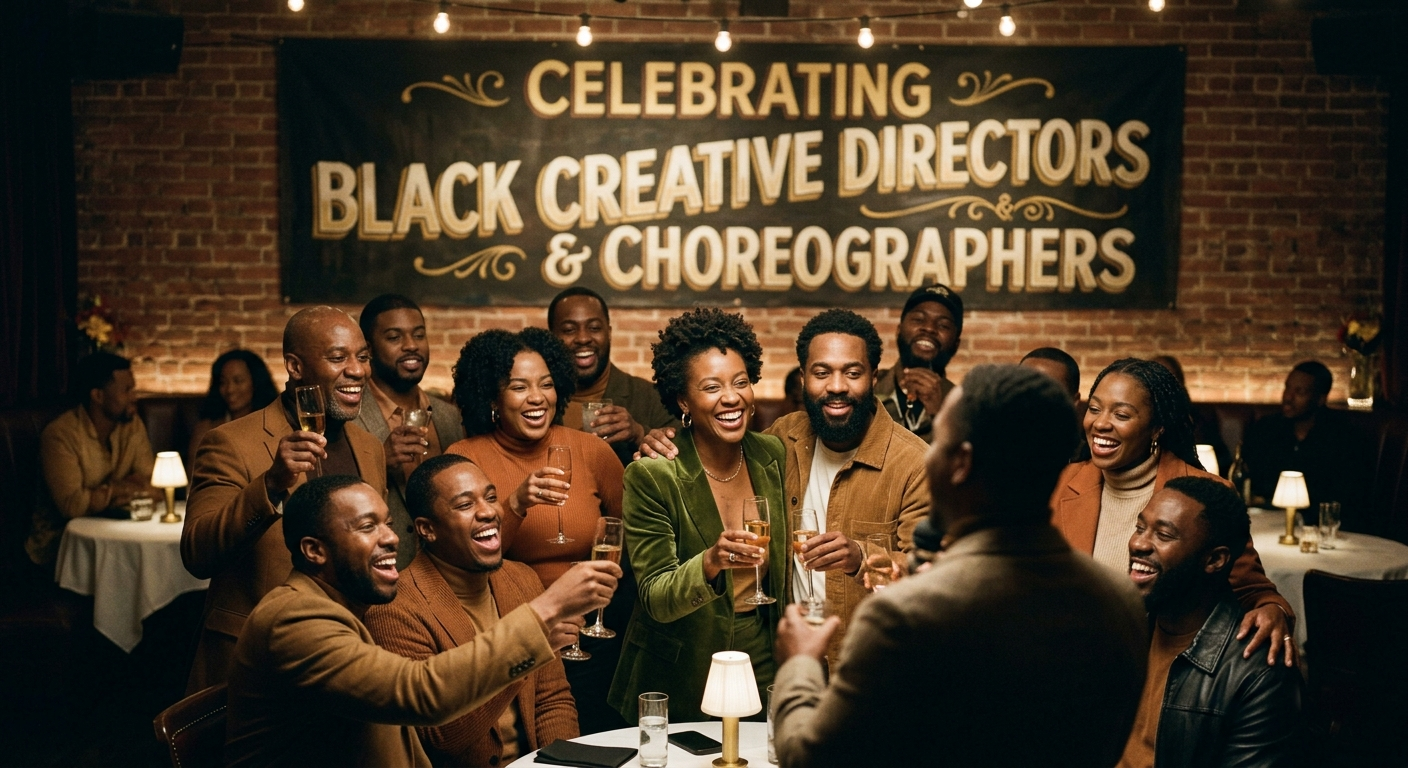
9. Judith Jamison
Dancer • Artistic Director, Alvin Ailey American Dance Theater (1989–2011)
Ailey's muse and eventual successor, Jamison led the company for 21 years, transforming it into a global cultural institution. Her iconic solo in Cry (1971) — dedicated by Ailey to "all Black women everywhere, especially our mothers" — remains one of the defining performances in modern dance history. Under her directorship, the Ailey organization expanded to include a school, junior company, and arts-in-education programs reaching millions.
Awards & Recognitions
National Medal of Arts (2001, shared with the Ailey Foundation) • Kennedy Center Honors (1999) • Prime Time Emmy nomination • Naa (Queen Mother) Akuyea Shika of Ghana • Named "America's Irreplaceable Dance Treasure" • New York Dance and Performance Bessie Award
10. Carmen de Lavallade
Dancer • Actress • Choreographer
A cross-disciplinary icon whose elegance shaped both modern dance and film, de Lavallade performed with Lester Horton's company, Alvin Ailey American Dance Theater, and the Metropolitan Opera Ballet. She appeared in the films Carmen Jones (1954) and Lydia Bailey (1952) and on major TV broadcasts. Her career spanned teaching at Yale and performing into her 80s.
Awards & Recognitions
Kennedy Center Honors (2017) • Dance Magazine Award • Capezio Award • Bessie Award for Lifetime Achievement
11–12. Geoffrey Holder & George Faison
Choreographer • Director • Designer (Holder) | Choreographer • Director (Faison)
Together, these visionaries defined The Wiz (1975), the groundbreaking all-Black Broadway retelling of The Wizard of Oz. Faison became the first Black choreographer to win a Tony Award for his work on the show. Holder won two Tony Awards in a single night — for Best Direction and Best Costume Design — the only person ever to do so for the same production. The Wiz ran for 1,672 performances and was adapted into a major 1978 film starring Diana Ross and Michael Jackson, exposing their choreographic vision to a global audience of millions.
Awards & Recognitions
George Faison: Tony Award, Best Choreography (The Wiz, 1975) — first Black recipient in the category • AUDELCO Award
Geoffrey Holder: Two Tony Awards (The Wiz, Direction + Costume Design) • Guggenheim Fellowship • Clio Award (7-Up commercials) • Trinidad & Tobago national honor
13. Arthur Mitchell
Dancer • Founder, Dance Theatre of Harlem
The first Black principal dancer at New York City Ballet (1956), Mitchell broke barriers in classical ballet at the highest level. Following the assassination of Martin Luther King Jr. in 1968, he founded Dance Theatre of Harlem — the first major Black classical ballet institution — providing training and performance opportunities where none had existed. The company toured internationally, including a landmark season in South Africa during apartheid.
Awards & Recognitions
National Medal of Arts (1995) • Kennedy Center Honors (1993) • MacArthur Fellowship • School of American Ballet Distinguished Service Award • Heinz Award
14. Louis Johnson
(1930–2020)Dancer • Choreographer • Director • Educator
A genre-crossing force who moved fluidly between ballet, Broadway, opera, and film, Johnson was among the first Black students at George Balanchine's School of American Ballet (1950) and appeared as a guest artist with New York City Ballet in Jerome Robbins' Ballade (1952). He choreographed the 1978 film adaptation of The Wiz starring Diana Ross and Michael Jackson — bringing Motown-era movement to the silver screen on a global scale. His ballet Forces of Rhythm (1972) became a signature work for Dance Theatre of Harlem. As an educator, he founded Howard University's Dance Department, taught the first Black theatre course at Yale, and ran the Henry Street Settlement Dance Department in NYC for two decades.
Stage & Screen: Broadway: Purlie (Tony-nominated choreography, 1970), Lost in the Stars, Treemonisha, Black Nativity (Langston Hughes), House of Flowers, Damn Yankees (Bob Fosse). Film: The Wiz (1978), Cotton Comes to Harlem (1970). Opera: Metropolitan Opera productions of La Gioconda and Aida (starring Leontyne Price). Created works for Alvin Ailey American Dance Theater, Dance Theatre of Harlem, Cincinnati Ballet, Joffrey Ballet, and Philadanco.
Awards & Recognitions
Tony Award nomination, Best Choreography (Purlie, 1970) • Pioneer Award, Kennedy Center • Recognition from the International Association of Blacks in Dance • NAACP California Chapter Honor • SAB Trailblazer designation, School of American Ballet
Sources: Wikipedia, Alvin Ailey American Dance Theater, School of American Ballet, The HistoryMakers, Dance Theatre of Harlem
Era III • 1980–1995
Broadway & Film Golden Era
The era of triple threats and cinematic choreography
15. Debbie Allen
Dancer • Actress • Choreographer • Director • Producer
One of the most influential Black women in entertainment history, Allen's career spans five decades across every major medium. As Lydia Grant on Fame (1982–87), she delivered one of television's most iconic lines: "You want fame? Well, fame costs. And right here is where you start paying — in sweat." She choreographed the Academy Awards a record 10 times, directed over 80 episodes of A Different World, and served as executive producer and director on Grey's Anatomy, Scandal, How to Get Away with Murder, and Empire. She has choreographed and directed for Michael Jackson, Janet Jackson, Whitney Houston, Mariah Carey, and Dolly Parton.
Broadcast & Venue Impact: Fame ran for 136 episodes in syndication worldwide. A Different World — which Allen transformed from a Cosby spin-off into one of the most socially relevant sitcoms of its era — was a top-10 rated show and is widely credited with increasing enrollment at HBCUs. Her Academy Awards choreography was broadcast to over 40 million viewers annually for a decade. She produced Amistad (1997, directed by Steven Spielberg). In 2001, she founded the Debbie Allen Dance Academy in Los Angeles, training the next generation.
Awards & Recognitions
Academy Honorary Award (2026) • Kennedy Center Honors (2020) • 5 Primetime Emmy Awards (including record-tying 4 for choreography) • 22 Emmy nominations • Golden Globe Award, Best Actress (Fame) • 2 Tony Award nominations (West Side Story, Sweet Charity) • Drama Desk Award • Olivier Award (Cat on a Hot Tin Roof) • National Medal of Arts (2021) • 10 NAACP Image Awards • Television Academy Governors Award (2021) • Television Academy Hall of Fame (2022) • Star on the Hollywood Walk of Fame • 5 NAACP Image Awards • Astaire Award (Best Dancer) • 4 honorary doctorate degrees • Netflix documentary: Dance Dreams: Hot Chocolate Nutcracker (2020)
Sources: Television Academy, Kennedy Center, Wikipedia, Gold Derby, Yale, Broadway World
16. Ben Vereen
Dancer • Actor • Singer • Director
A Broadway titan and one of the most versatile Black performers of his generation, Vereen electrified audiences with his galvanizing performance as The Leading Player in Pippin (1973), winning the Tony Award and Drama Desk Award for Best Actor in a Musical. Mentored by Bob Fosse, Sammy Davis Jr., and the tradition of Black performance itself, he became a household name through his Emmy-nominated role as Chicken George in Roots (1977) — the most-watched miniseries in American television history at the time (~130 million viewers for the finale). His self-titled special Ben Vereen: His Roots won seven Emmy Awards. In 1975, he became the first simultaneous winner of "Entertainer of the Year," "Rising Star," and "Song and Dance Star" from the American Guild of Variety Artists.
Stage & Screen: Broadway: Pippin, Jesus Christ Superstar (Tony nom.), Hair, Jelly's Last Jam, Chicago, Wicked (as The Wizard), Fosse, Grind, I'm Not Rappaport. Film: Sweet Charity (1969), All That Jazz (1979, with Bob Fosse), Top Five (2014). Television: Roots, The Fresh Prince of Bel-Air, Grey's Anatomy, How I Met Your Mother, Star Trek: The Next Generation. Performed at the Washington Monument for 100,000+ attendees (July 4th) and at the Ford Theatre reopening for President Obama.
Awards & Recognitions
Tony Award, Best Actor in a Musical (Pippin, 1973) • Drama Desk Award (Pippin) • Emmy nomination (Roots, 1977) • Golden Globe nomination (Ellis Island) • 7 Emmy Awards (TV special Ben Vereen: His Roots) • 3 NAACP Image Awards • Juneteenth Legacy Award (Broadway League, inaugural recipient) • Sidney Poitier Lifetime Achievement Award (National Black Theatre Festival) • Lifetime Achievement Award, Chita Rivera Awards • American Theatre Hall of Fame (2011) • National Museum of Dance Hall of Fame (2012) • Eleanor Roosevelt Humanitarian Award • Ben Vereen Scholarship for the Performing Arts, Medgar Evers College • Honorary doctorates from Emerson College, University of Arizona, Columbia College Chicago, and St. Francis College
Sources: Wikipedia, PBS Broadway, Broadway World, The Cooper Company, CBS News
17–18. Gregory Hines & Savion Glover
Tap Dancers • Choreographers • Mentors
Hines revived mainstream interest in tap in the 1980s–90s through film (Tap, White Nights with Mikhail Baryshnikov), Broadway (Jelly's Last Jam), and television (The Gregory Hines Show). He personally mentored Savion Glover, who went on to revolutionize the form with Bring in 'da Noise, Bring in 'da Funk (1996), winning the Tony Award for Best Choreography at age 22. Glover also choreographed the Oscar-winning Happy Feet (2006) and became the youngest-ever recipient of a National Endowment for the Arts fellowship for choreography.
Awards & Recognitions
Gregory Hines: Tony Award, Best Actor in a Musical (Jelly's Last Jam, 1992) • National Tap Dance Day founder • Dance Magazine Award
Savion Glover: Tony Award, Best Choreography (Bring in 'da Noise, Bring in 'da Funk, 1996) • Dance Heritage Coalition "Irreplaceable Dance Treasure"
19. Michael Peters
Dancer • Choreographer • Director
Peters was the architect behind two of the most commercially impactful music videos in history: Michael Jackson's Beat It (1982) and Thriller (1983). Thriller alone is estimated to have been viewed over 1 billion times and is considered the most influential music video ever made. It transformed MTV, helped break the network's racial barriers, and established choreography as central to pop music performance. Peters also choreographed A Chorus Line on film and Dreamgirls on Broadway.
Commercial Impact: Thriller the album sold over 70 million copies worldwide, making it the best-selling album of all time. The music video's choreography became a global cultural phenomenon — replicated by millions from Manila to Mexico City. Beat It has over 900 million YouTube views.
Awards & Recognitions
Emmy Award, Outstanding Choreography • Tony Award nomination (Dreamgirls) • MTV Video Music Award • American Music Award for Video contributions
20. Otis Sallid
Choreographer • Director • Producer • Founder, Museum of African American Dance
Born and raised in Harlem, Sallid trained under Alvin Ailey, Louis Johnson, Pearl Primus, Geoffrey Holder, and Thelma Hill before performing his way through landmark Broadway shows including The Wiz, Purlie, Hallelujah Baby!, Two Gentlemen of Verona, and Don't Bother Me, I Can't Cope. He became Spike Lee's go-to choreographer, creating the unforgettable musical sequences for School Daze (1988), Do the Right Thing (1989), and Malcolm X (1992). He conceived the hit Broadway revue Smokey Joe's Café (1995) and choreographed the 69th Academy Awards. Debbie Allen invited him to assist on Fame, where he learned to direct and choreograph for film — experience he calls his "personal film school."
Full Scope: Film: School Daze, Do the Right Thing, Malcolm X, Sister Act II, Swing Kids, Black Nativity. Television: Directed episodes of Living Single, A Different World, For Your Love, Moesha, The Steve Harvey Show; created opening sequences for It's Showtime at the Apollo, Living Single, Suddenly Susan, The Jeff Foxworthy Show. Stage: Smokey Joe's Café (conceived + choreographed), Mariah Carey's "All I Want for Christmas" at Beacon Theater (NYC). Choreographed the Academy Awards and Grammy Awards. Children's TV: Gullah Gullah Island (Nickelodeon), Out of the Box (Disney Channel). Commercial director for Ford, Coca-Cola, McDonald's, Sprite, General Motors. Founded the Museum of African American Dance — a digital archive preserving Black dance history.
Awards & Recognitions
Bob Fosse L.A. Choreographers Dance Award (for Swing Kids) • MTV Award • Music Video Producers Award • Multiple commercial awards (Fortune 500 campaigns)
Sources: OtisSallid.com, Atlanta Journal-Constitution, BFI, Atlanta Film & TV
21. Lester Wilson
(1942–1993)Dancer • Choreographer • Actor
A Juilliard-trained dancer discovered by Bob Fosse while performing at the African Room in Harlem, Wilson choreographed one of the most commercially successful films of the 1970s: Saturday Night Fever (1977). He coached John Travolta in the disco routines that became central to the film's identity and cultural impact — the film grossed $237 million worldwide and its soundtrack remains one of the best-selling albums in history. Mentored by both Fosse and Josephine Baker, Wilson's career spanned Broadway, international stages, Las Vegas spectaculars, and Hollywood. He also choreographed Sister Act (1992), Beat Street (1984), Scrooged (1988), and The Last Dragon (1985).
Full Scope: Broadway: Grind (with Ben Vereen), Me and Bessie. Film: Saturday Night Fever, Sister Act, Beat Street, Scrooged, Hot Shots! Las Vegas: choreographed for Diana Ross, Liza Minnelli, Ann-Margret, Gladys Knight, and Billy Crystal. International: toured with Sammy Davis Jr. in Golden Boy (London); choreographed Johnny Hallyday's show at the Palais des Sports, Paris (1969); first American to receive the German equivalent of an Emmy Award (Golden Kamera) at the 1968 Olympic Arts Festival in Munich.
Awards & Recognitions
Emmy Award nomination, Outstanding Choreography (ABC's American Dance Honors, 1991) • Golden Kamera Award (Germany, first American recipient) • Major contributor to AIDS Project Los Angeles through benefit choreography
Sources: Wikipedia, Grokipedia, Brooklyn Fit Chick, IMDb, LinkedIn (Noel Hankin tribute)
Era IV • 1995–2010
Commercial & Music Video Era
The era that shaped MTV, BET, and pop performance
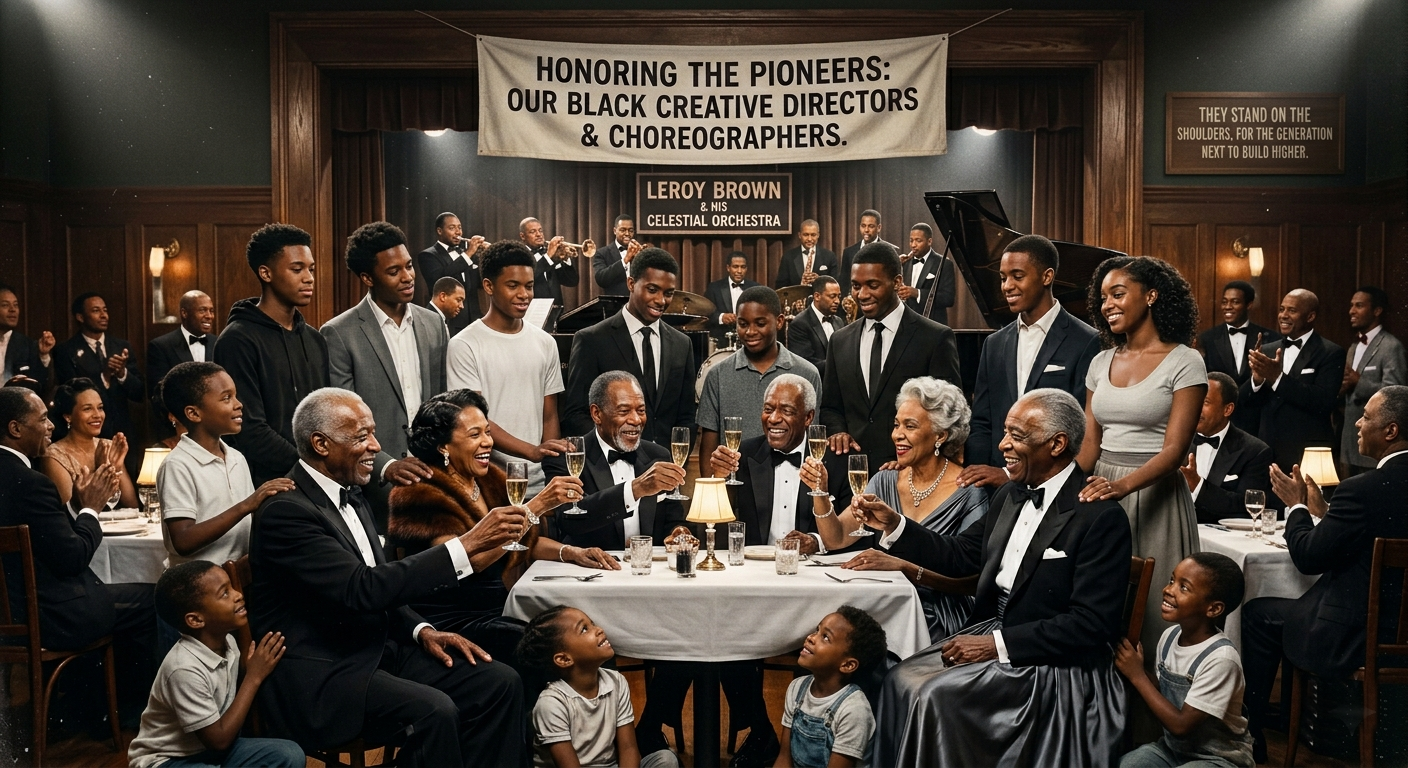
22. Frank Gatson Jr.
Dancer → Choreographer → Creative Director
The most awarded choreographer in MTV history and the creative architect behind Beyoncé's visual identity since the Destiny's Child era, Gatson has choreographed and directed over 300 music videos. His partnership with Beyoncé — spanning the I Am… World Tour (2009), Super Bowl XLVII Halftime Show (2013), The Mrs. Carter Show World Tour, and iconic videos including "Single Ladies," "Crazy in Love," "Run the World (Girls)," and "Formation" — represents one of the most prolific creative collaborations in pop history. He trained at Broadway Dance Center and with Alvin Ailey, and his early career included dancing in Michael Jackson's Smooth Criminal video and serving as Director of Choreography at Motown and Bad Boy Records.
Full Scope of Work: Creative Director for Beyoncé, Kelly Rowland, Rihanna, Jennifer Lopez, Brandy, En Vogue, and Muni Long. Choreographed for Destiny's Child, TLC, Usher, R. Kelly, Toni Braxton, Michael Jackson, Mariah Carey, Nelly Furtado, Ne-Yo, The Band Perry, Fifth Harmony, and Little Mix. Directed commercial campaigns for L'Oréal, Pepsi, Converse, and Reebok. Choreographed Disney's Hercules (The Muses). Featured on The Oprah Winfrey Show (40-minute feature), CNN's Ones to Watch, and BET's Chasing Destiny (co-host with Kelly Rowland). Managed Tyrese Gibson and Luke James.
Broadcast Platforms: Super Bowl XLVII (115.3 million viewers), Grammy Awards (multiple years), Soul Train Awards, BET Awards, American Music Awards, Billboard Music Awards, Academy of Country Music Awards, Saturday Night Live (Beyoncé, En Vogue, Destiny's Child performances), The Oprah Winfrey Show.
Awards & Recognitions
6 MTV Video Music Awards for Best Choreography (record holder): "My Lovin'" (1992), "Free Your Mind" (1993), "Whatta Man" (1994), "Crazy in Love" (2003), "Single Ladies" (2009), "Run the World (Girls)" (2012) • 3 MVPA Awards • Grammy Award nomination (co-director, Beyoncé's I Am… Yours) • Co-Founder, YWCA Intergenerational Performing Arts Center, Milwaukee • MFA in Theatre and Dance, University of Wisconsin
Sources: Dance Mogul Magazine, Billboard, IMDb, Wikipedia, Chokolate Creative Agency
23. Fatima Robinson
Choreographer → Creative Director
Robinson's fingerprints are on some of the most defining music videos and live performances of the late 1990s and 2000s. A self-taught dancer discovered at a party, she choreographed Aaliyah's Are You That Somebody? and Try Again, Michael Jackson's Remember the Time, The Black Eyed Peas' Boom Boom Pow, Mary J. Blige's tours, and The Weeknd's Super Bowl LV Halftime Show (2021). She also directed commercial campaigns for brands including Apple, Gap, and Samsung and choreographed for Dreamgirls (2006 film).
Broadcast Reach: Super Bowl LV Halftime Show (~100 million viewers), Academy Awards, Grammy Awards, BET Awards, Coachella, American Music Awards.
Awards & Recognitions
MTV Video Music Award for Best Choreography • Emmy Award nomination • NAACP Image Award nomination • American Choreography Awards
30. Laurieann Gibson
Choreographer → Creative Director
Known as "BOOMKACK" for the explosive energy she brings to every production, Gibson was the creative director behind Lady Gaga's most iconic visual era — choreographing and co-directing Bad Romance, Telephone, Alejandro, Paparazzi, and Born This Way, as well as the Monster Ball Tour. She also choreographed for Diddy, Nicki Minaj, Beyoncé, Katy Perry, and Alicia Keys, and served as creative director for Nicki Minaj's Pink Friday era. Gibson also directed and choreographed for The Wiz Live! on NBC (2015) and starred on the BET reality series Born to Dance and MTV's Making the Band.
Broadcast Reach: MTV Video Music Awards (Lady Gaga performances, 2009–2011), Super Bowl (Diddy), Grammy Awards, The Wiz Live! on NBC (~11.5 million viewers), BET Awards, American Music Awards. Lady Gaga's Bad Romance video has surpassed 1.8 billion YouTube views.
Awards & Recognitions
MTV Video Music Award for Best Choreography • BET Choreographer of the Year • Canadian of Jamaican descent who broke barriers as a creative director for pop's biggest acts
Additional Architects of the Era
Hi-Hat (Nadine Colquhoun) — Missy Elliott's movement architect, choreographing groundbreaking videos including Work It, Get Ur Freak On, and Lose Control. These videos redefined how movement, editing, and visual effects could merge in music video production.
Jamaica Craft — The R&B movement blueprint, choreographing for Usher, Ciara, and Ne-Yo during the peak of their respective careers. Usher's Yeah! and Ciara's Goodies were among the best-selling singles of the 2000s.
Jamal Sims — Choreographer and creative producer behind Disney's Descendants franchise (3 films, 100+ million viewers combined), RuPaul's Drag Race, and Hairspray Live! on NBC. Also choreographed Step Up Revolution and served as creative director for major tours.
Rich & Tone Talauega — Michael Jackson collaborators who shaped pop movement across decades, working on Ghosts, Blood on the Dance Floor, and Jackson's final rehearsals documented in This Is It (2009 film, $261 million worldwide gross).
Chuck Maldonado — A four-time award-winning choreographer behind Stomp the Yard (2007, $75.4M box office), Step Up Revolution (2012), and Chris Brown performances. His work expanded the commercial visibility of step and hip-hop choreography in mainstream Hollywood.
Rosero McCoy — Film, TV, Disney, and commercial dance mainstay with credits spanning The Proud Family, Stomp the Yard 2, and major commercial campaigns.
Anthony Burrell — Choreographer for Beyoncé, Mariah Carey, and Brandy, known for detailed movement architecture across videos, tours, and television performances.
Aakomon "AJ" Jones — Usher's primary choreographer for tours and major live events, also contributing choreography for film productions.
Sean Cheesman — Choreographer for Whitney Houston, Janet Jackson, and television shows including So You Think You Can Dance Canada.
Jimmy Smith — Jennifer Lopez's longtime dance captain and movement leader, serving as the connective tissue between choreographic vision and J.Lo's iconic live performances across tours, award shows, and residencies. As dance captain, Smith ensured seamless execution across massive productions including world tours and the Super Bowl LIV Halftime Show (2020, ~103 million viewers).
Era V • 2010–2026
Modern Global Era
The era of viral choreography, global tours, and creative direction
33. JaQuel Knight
Choreographer → Creative Director → Copyright Pioneer
Knight made history as the first commercial choreographer to copyright dance moves — beginning with the "Single Ladies" hand flick, registered with the U.S. Copyright Office. Scouted by Frank Gatson Jr. at age 18, he became Beyoncé's primary choreographer for over 15 years, working on Single Ladies, Formation, Drunk in Love, Diva, the Lemonade visual album, Black Is King, and the historic Coachella Homecoming performance (2018). He also choreographed the Jennifer Lopez & Shakira Super Bowl LIV Halftime Show (2020) and Cardi B & Megan Thee Stallion's WAP video. He launched Knight Choreography & Music Publishing Inc. to protect choreographers' intellectual property.
Global Reach: "Single Ladies" video has over 900 million YouTube views. Super Bowl LIV (~103 million viewers), Coachella Homecoming (worldwide livestream + Netflix documentary with 1.1 million first-week viewers). WAP video surpassed 600 million views. Television choreography for The X Factor, The Voice, Dancing with the Stars, Good Morning America, and Britain's Got Talent.
Awards & Recognitions
2 MTV Video Music Awards for Best Choreography ("Single Ladies," 2009; "Formation," 2016) • First choreographer to copyright commercial dance moves (U.S. Copyright Office) • First choreographer to appear on the cover of Billboard magazine • Founded JaQuel Knight Foundation for dancers • Featured in Dance Magazine, Variety, Billboard, and The Root
Sources: Billboard, Variety, Dance Magazine, Wikipedia, Yahoo Life
34. Sean Bankhead
Choreographer → Creative Director
Bankhead is the creative force behind some of the most viral performances of the 2020s — most notably Normani's legendary VMAs performance of Motivation (2019), which went viral and was compared to Janet Jackson's iconic VMAs moments. He has also choreographed for Lil Nas X (Montero, Industry Baby), Cardi B, Missy Elliott, and Kehlani. His work merges hip-hop, vogueing, and contemporary movement with cinematic storytelling, making him one of the most in-demand creative directors in the industry.
Viral Impact: Lil Nas X's Montero (Call Me By Your Name) video surpassed 650 million YouTube views. Industry Baby video surpassed 800 million views. Normani's Motivation VMAs performance generated 28 million social media impressions in 24 hours.
35. Parris Goebel
Choreographer → Creative Director
The New Zealand-born choreographer of Samoan descent became a global force through her work on Rihanna's Savage X Fenty shows, Justin Bieber's Sorry (over 3.5 billion YouTube views), and Jennifer Lopez's Super Bowl LIV Halftime Show. She creative-directed all volumes of the Savage X Fenty show on Amazon Prime and directed choreography for Samsung, Google, and major global campaigns. Her dance crew, The Royal Family, has won the World Hip Hop Dance Championship multiple times.
Awards & Recognitions
MTV Video Music Award for Best Choreography ("Sorry," 2016) • New Zealand Order of Merit (2017) • World Hip Hop Dance Championship winner (multiple years) • Emmy Award nomination (Savage X Fenty) • Forbes 30 Under 30
The New Guard — Shaping What Comes Next
Chris Grant — Dancer turned choreographer and creative director for Beyoncé, Lady Gaga, and K-pop acts. Featured on CNN's Ones to Watch segment alongside Frank Gatson Jr. Co-choreographer of "Formation" (MTV VMA winner).
Sienna Lalau — Choreographer for BTS and global pop, helping bridge American choreographic tradition into the K-pop international market. BTS's Dynamite music video has over 1.9 billion YouTube views.
Tanisha Scott — Choreographer for Rihanna and Sean Paul. Her work on Sean Paul's Get Busy and Rihanna's tours helped define dancehall-influenced choreography in mainstream pop.
Sherrie Silver — Choreographer of Childish Gambino's This Is America (2018), a cultural phenomenon that won the Grammy for Song of the Year and Record of the Year. The video has surpassed 900 million YouTube views and was widely analyzed in news, academic, and cultural outlets worldwide.
Ashley Everett — Beyoncé's longtime dance captain and movement leader for over a decade, serving as the connective tissue between choreographic vision and live execution on every major tour, including The Formation World Tour, On The Run II, and Renaissance World Tour.
Danielle Polanco — Dancer and choreographer who worked with Beyoncé, Jennifer Lopez, and Jay-Z, known for her powerful performance presence in some of the most viewed music videos of the 2000s.
Rhapsody James — Commercial dance pioneer who choreographed for major artists and helped expand the role of creative direction in pop performance.
Aisha Francis — A pioneer in heels technique who helped legitimize and formalize a dance style that had long existed but lacked institutional recognition.
Kendra Oyesanya — A modern commercial dance figure who has expanded into acting and movement artistry, representing the multi-disciplinary future of dance careers.
Brian & Scott Nicholson — Ariana Grande's movement architects, shaping her concert and tour choreography across the Sweetener, Thank U Next, and Yours Truly world tours.
Keone & Mari Madrid — Known for narrative-driven choreography that has garnered hundreds of millions of YouTube views, bringing storytelling movement to a global digital audience. Their work with Justin Bieber and other major acts bridges concert dance artistry with commercial pop.
Kyle Hanagami — Global pop choreographer whose YouTube choreography videos have collectively surpassed 2 billion views, making him one of the most-watched choreographers in digital history.
The Lineage Continues
This archive is not the end of the story. It is the record of a century of brilliance — a lineage of artists who built the stages others now stand on.
Black movement is not a trend. It is a tradition. A language. A legacy. A force that shaped the world and continues to shape it.
These names are the pillars. The architects. The innovators. The ones who made the world move.
This page is a living archive. If you have corrections, additional recognitions, or stories about these artists, contact Dance Mogul Magazine at dancemogulmagazine@gmail.com or connect with us on Instagram @dance_mogul_magazine.
Dance Mogul Magazine • Inspiring Self-Empowerment Through Dance Culture
© 2026 Dance Mogul Magazine LLC. All rights reserved.