
Health & Empowerment Series | Global Organic Meal Prep
Israeli Organic Meal Prep: How Mediterranean and Middle Eastern Traditions Fuel Extraordinary Health
Global Organic Meal Prep Series — Article 10 of 20
By Dance Mogul Magazine | Health & Empowerment Series | Global Organic Meal Prep
Why Israel Belongs in the Global Organic Meal Prep Series
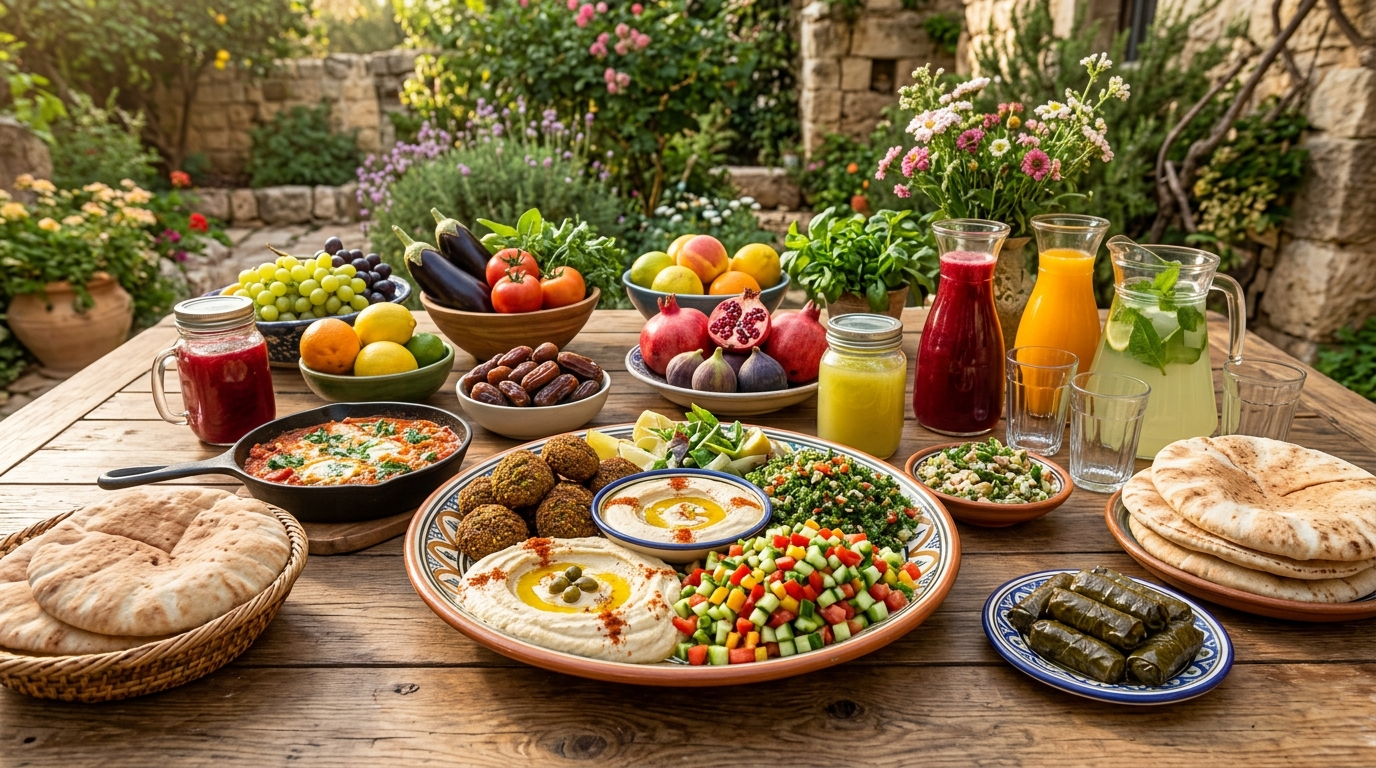
Israel ranks among the top ten healthiest countries in the world, with a life expectancy exceeding 82 years and some of the lowest rates of cardiovascular mortality in the developed world. The Israeli diet sits at the crossroads of Mediterranean and Middle Eastern traditions — a fusion of fresh vegetables, legumes, olive oil, tahini, herbs, whole grains, and communal eating practices that dates back thousands of years. The average Israeli consumes more fresh fruits and vegetables per capita than almost any other nation — a habit that drives the country’s remarkable health statistics.
Israel’s food culture is also shaped by the kibbutz tradition of communal agriculture and shared meals, and by the dietary laws of kashrut, which emphasize cleanliness, intentionality, and structure in eating. The result is a food culture that is simultaneously ancient and innovative — rooted in the land but constantly evolving. For dancers and active people, Israel demonstrates that a plant-forward, flavor-rich diet can sustain extraordinary physical performance while protecting long-term health.
The Israeli Organic Meal Prep Healing Pantry
Chickpeas and Hummus: Hummus is consumed at nearly every Israeli meal. Chickpeas are rich in plant protein, fiber, folate, iron, and manganese. They stabilize blood sugar, support digestive health, and provide sustained energy. Studies show that regular chickpea consumption is associated with lower BMI and reduced risk of metabolic syndrome.
Tahini: Ground sesame paste is Israel’s most versatile condiment and a nutritional powerhouse. Tahini delivers healthy fats, calcium, iron, magnesium, and zinc. It supports bone density, muscle function, and cardiovascular health. Two tablespoons provide more calcium than a glass of milk.
Fresh Vegetables: Israelis eat enormous quantities of tomatoes, cucumbers, peppers, eggplant, and leafy greens — often at breakfast. This daily flood of fiber, vitamins, and antioxidants supports every system in the body and creates the anti-inflammatory foundation that active people need.
Olive Oil: As a Mediterranean country, Israel shares the olive oil traditions of Greece, Italy, and Spain. Extra-virgin olive oil delivers monounsaturated fats, polyphenols, and oleocanthal — a compound with anti-inflammatory effects comparable to ibuprofen.
Za’atar and Sumac: These iconic spice blends are used daily across Israeli cuisine. Za’atar (thyme, oregano, sesame, and sumac) is rich in antioxidants and antimicrobial compounds. Sumac provides vitamin C and has demonstrated anti-inflammatory and blood-sugar-lowering effects in clinical studies.
5-Day Israeli Organic Meal Prep Plan
Day 1 — Tel Aviv: Breakfast: Israeli salad (diced tomato, cucumber, onion, lemon, olive oil) with hummus, boiled eggs, and warm pita. Lunch: sabich (pita stuffed with fried eggplant, hard-boiled egg, tahini, amba, and salad). Dinner: grilled chicken thighs with roasted cauliflower, tahini drizzle, and tabbouleh.
Day 2 — Jerusalem: Breakfast: shakshuka (eggs poached in spiced tomato sauce) with crusty bread. Lunch: falafel plate with hummus, pickled turnips, Israeli salad, and tahini. Dinner: baked fish with chermoula (herb-spice paste), roasted sweet potatoes, and steamed green beans.
Day 3 — Haifa: Breakfast: labneh (strained yogurt) with olive oil, za’atar, cherry tomatoes, and flatbread. Lunch: lentil soup with cumin, lemon, and fresh herbs. Dinner: lamb kofta with grilled vegetables, tahini sauce, and brown rice.
Day 4 — Galilee: Breakfast: whole-grain toast with avocado, sumac, sesame seeds, and a fried egg. Lunch: fattoush salad (mixed greens, radish, herbs, crispy pita) with grilled halloumi. Dinner: stuffed peppers with rice, ground beef, pine nuts, and cinnamon, served with a cucumber-yogurt side.
Day 5 — Negev: Breakfast: granola with dates, pistachios, yogurt, and pomegranate seeds. Lunch: roasted eggplant with tahini, pomegranate, and fresh mint. Dinner: grilled sea bass with a warm chickpea salad, roasted red peppers, and lemon-herb dressing.
Why Israeli Organic Meal Prep Works for Dancers
The Israeli diet is naturally high in plant-based protein (chickpeas, lentils, tahini), anti-inflammatory fats (olive oil, sesame), and antioxidant-rich vegetables consumed at every meal. This combination creates a dietary foundation that reduces joint inflammation, stabilizes blood sugar for consistent energy, supports muscle recovery through complete amino acid profiles, and protects cardiovascular health through daily doses of fiber and healthy fats. The abundance of fresh herbs and spices adds layers of bioactive compounds that collectively support immune function and cognitive sharpness.
Israel’s communal eating culture also matters. Meals are shared, savored, and treated as moments of connection — not rushed obligations. This approach reduces stress, improves digestion, and reinforces the understanding that food is both fuel and joy. For dancers who need to maintain peak physical condition while protecting mental health, Israel’s approach is a powerful model.
“Israel teaches that the healthiest meals are the ones shared with others — abundant in plants, rich in history, and prepared with love.”
Practical Israeli Organic Meal Prep Tips
Sunday Prep: Make a large batch of hummus and tahini sauce. Cook chickpeas and lentils. Dice vegetables for Israeli salad (store separately from dressing). Prepare a shakshuka base (tomato sauce with spices). Roast a tray of eggplant and cauliflower. Bake or grill protein (chicken, fish, or kofta) for the week.
Sourcing: Chickpeas, tahini, and za’atar are available at most grocery stores. Quality tahini should have one ingredient: sesame seeds. Look for sumac at Middle Eastern markets or spice shops. Fresh pita is best from a bakery, but good-quality store-bought works for meal prep.
Hydration: Israelis drink water constantly in the warm climate. Fresh lemonade with mint (limonana) is a national favorite. Turkish-style coffee is enjoyed in small, strong cups. Herbal teas with sage (maramia) are traditional and soothing.
A Culture Worth Celebrating
Israel’s food culture is a living mosaic — shaped by Jewish, Arab, Druze, Bedouin, and immigrant traditions from across the Middle East, North Africa, Europe, and Central Asia. What unites these diverse influences is a shared reverence for fresh ingredients, bold flavors, and the act of gathering around a table. The Israeli plate is generous, colorful, and deeply nourishing. For the global dance community, Israel’s message is both ancient and urgent: eat from the earth, share with your community, and trust that food rooted in tradition heals the body and feeds the soul.
Continue Exploring the Global Organic Meal Prep Series
Health & Empowerment Series • West African Organic Meal Prep • Spanish Organic Meal Prep • Italian Organic Meal Prep • Japanese Organic Meal Prep • Icelandic Organic Meal Prep • Why Dance Is Medicine • The Dancer’s Prescription • Workbooks & Guides • Greek Organic Meal Prep