
Health & Empowerment Series | Global Organic Meal Prep
Canadian Organic Meal Prep: How Indigenous Traditions and Multicultural Diversity Build Resilient Health
Global Organic Meal Prep Series — Article 19 of 20
By Dance Mogul Magazine | Health & Empowerment Series | Global Organic Meal Prep
Why Canada Belongs in the Global Organic Meal Prep Series
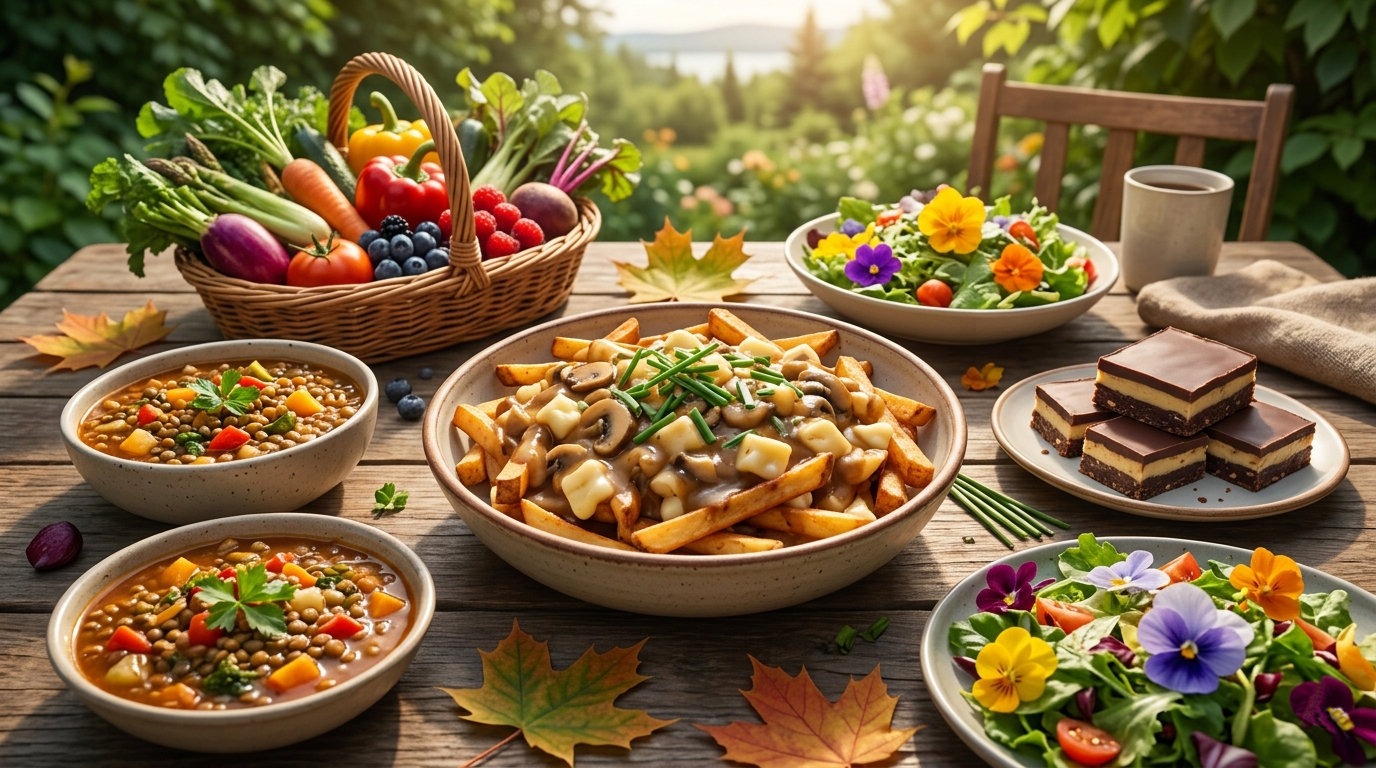
Canada is the second-largest country on earth, and its vast landscape produces some of the world’s cleanest food: wild Pacific salmon from British Columbia, wild blueberries from the Atlantic provinces, grass-fed bison from the prairies, maple syrup from Quebec’s ancient forests, and Arctic char from northern waters so pristine they define the word pure. Canada’s Indigenous peoples — First Nations, Inuit, and Métis — carry food traditions stretching back thousands of years that honor the land, the water, and the animals that sustain life.
Modern Canada is also one of the most multicultural nations on earth, and its food culture reflects that diversity. Chinese, Indian, Italian, Filipino, Middle Eastern, Caribbean, and African culinary traditions converge in Canadian cities, creating a food landscape that is extraordinarily diverse and health-forward. Canada’s organic food market has grown steadily, and the country maintains strict regulations on antibiotic and hormone use in livestock. For dancers, Canada offers the best of both worlds: ancestral food wisdom from Indigenous traditions and modern nutritional diversity from its multicultural communities.
The Canadian Organic Meal Prep Healing Pantry
Wild Salmon: British Columbia’s wild Pacific salmon (sockeye, coho, chinook) is among the finest in the world. Rich in omega-3 fatty acids, vitamin D, astaxanthin (a powerful antioxidant that gives salmon its red color), and high-quality protein, wild salmon supports cardiovascular health, reduces inflammation, and protects brain function.
Wild Blueberries: Canada produces the majority of the world’s wild (lowbush) blueberries, primarily from Atlantic provinces. Wild blueberries contain twice the antioxidant capacity of cultivated varieties and are among the highest-ranking foods on the ORAC (Oxygen Radical Absorbance Capacity) scale.
Maple Syrup: Quebec produces over 70 percent of the world’s maple syrup. Pure maple syrup contains over 60 unique polyphenols, minerals (manganese, zinc, calcium), and has a lower glycemic index than refined sugar. It is a natural sweetener with demonstrated anti-inflammatory and antioxidant properties.
Bison: North America’s original red meat is leaner than beef, higher in protein, and richer in iron, B12, and omega-3s when grass-fed. Bison was the foundational food of Plains Indigenous peoples for thousands of years and is now raised sustainably across the Canadian prairies.
Wild Rice: True wild rice (manoomin) is an Indigenous sacred food harvested by Anishinaabe and Ojibwe peoples from lakes in Ontario and Manitoba. It is not technically rice but an aquatic grass seed — higher in protein, fiber, and antioxidants than any cultivated grain, and a complete source of essential amino acids.
5-Day Canadian Organic Meal Prep Plan
Day 1 — Vancouver: Breakfast: smoked salmon on whole-grain toast with cream cheese, capers, and dill. Lunch: wild rice bowl with roasted squash, cranberries, pecans, and a maple vinaigrette. Dinner: cedar-planked salmon with grilled asparagus and roasted fingerling potatoes.
Day 2 — Montreal: Breakfast: buckwheat crêpes with wild blueberries, yogurt, and maple syrup. Lunch: pea soup (soupe aux pois) with crusty bread and aged cheddar. Dinner: braised chicken with root vegetables, thyme, and a splash of apple cider.
Day 3 — Toronto: Breakfast: oatmeal with maple syrup, walnuts, and sliced apple. Lunch: lentil and sweet potato curry (reflecting Canada’s South Asian community) with brown rice. Dinner: bison burger on a whole-grain bun with roasted beet salad and avocado.
Day 4 — Halifax: Breakfast: yogurt with wild blueberries, granola, and a drizzle of maple syrup. Lunch: seafood chowder with haddock, potatoes, and corn. Dinner: pan-seared Arctic char with wild rice, steamed broccoli, and lemon butter.
Day 5 — Calgary: Breakfast: eggs scrambled with smoked salmon, chives, and whole-grain toast. Lunch: bison chili with kidney beans, peppers, and cornbread. Dinner: roasted chicken with maple-glazed carrots, mashed potatoes, and a green salad.
Why Canadian Organic Meal Prep Works for Dancers
Canada’s food resources align precisely with what active bodies need. Wild salmon delivers the omega-3s essential for joint protection and cardiovascular endurance. Wild blueberries provide antioxidant protection against the oxidative stress of intense physical training. Bison offers clean, lean protein for muscle repair without the inflammatory load of processed meats. Wild rice provides complex carbohydrates and complete protein in a single food. And maple syrup offers a natural, mineral-rich energy source for quick fuel before or after rehearsal.
Canada’s multicultural food landscape also gives dancers access to global healing traditions within a single country. Chinese herbal soups, Indian turmeric-rich curries, Japanese miso bowls, and Caribbean callaloo are all part of everyday Canadian eating. This diversity means dancers can draw from multiple health-promoting traditions without leaving their neighborhood — building a diet that is as varied and resilient as Canada itself.
“Canada teaches that the richest food culture honors its Indigenous roots while embracing the diversity of every community that calls it home.”
Practical Canadian Organic Meal Prep Tips
Sunday Prep: Bake or grill salmon fillets. Cook a pot of wild rice. Roast root vegetables and squash. Make a maple vinaigrette. Portion wild blueberries (frozen work perfectly). Prepare a pot of lentil or pea soup.
Sourcing: Wild Pacific salmon is available fresh or frozen at most grocery stores. Wild blueberries are widely available frozen (look for “wild” on the label — they are smaller and darker than cultivated). True wild rice is available at natural food stores and Indigenous food suppliers. Bison is increasingly stocked at grocery stores and butcher shops. Pure maple syrup should be the only ingredient on the label.
Hydration: Clean water is abundant across Canada. Herbal teas with Labrador tea (an Indigenous plant) and cranberry are traditional. Coffee is a national staple, enjoyed moderately. Maple water (the sap collected before it becomes syrup) is a natural hydration drink rich in minerals and antioxidants.
A Culture Worth Celebrating
Canada is a country where Indigenous food sovereignty and multicultural culinary excellence can coexist and strengthen one another. The First Nations, Inuit, and Métis peoples who have stewarded this land for millennia carry food wisdom that modern nutrition is only beginning to validate. When that wisdom converges with the culinary traditions of communities from every corner of the globe, the result is a food culture of extraordinary depth and diversity. For the global dance community, Canada’s message is both inclusive and inspiring: honor every tradition that heals, protect the land that feeds you, and build your health on the widest possible foundation of clean, whole food.
Continue Exploring the Global Organic Meal Prep Series
Health & Empowerment Series • West African Organic Meal Prep • Spanish Organic Meal Prep • Italian Organic Meal Prep • Japanese Organic Meal Prep • Icelandic Organic Meal Prep • Why Dance Is Medicine • The Dancer’s Prescription • Workbooks & Guides • New Zealand Organic Meal Prep