
Health & Empowerment Series | Global Organic Meal Prep
Danish Organic Meal Prep: How New Nordic Cuisine and Hygge Culture Build Lasting Health
Global Organic Meal Prep Series — Article 20 of 20
By Dance Mogul Magazine | Health & Empowerment Series | Global Organic Meal Prep
Why Denmark Belongs in the Global Organic Meal Prep Series
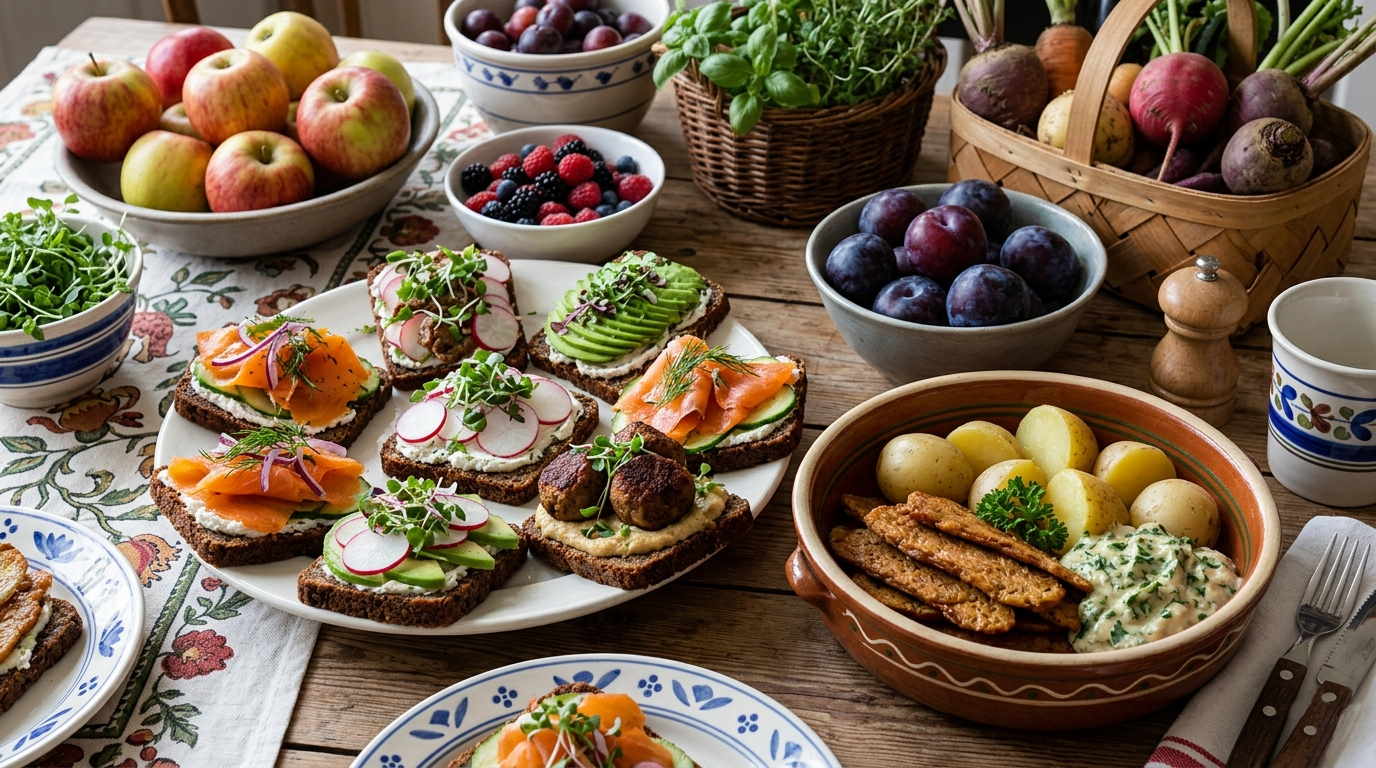
Denmark is a small nation that punches far above its weight in global health and culinary innovation. Danish life expectancy is among the highest in Europe, obesity rates are among the lowest in the Western world, and the country leads the planet in organic food consumption — over 13 percent of total food sales are certified organic, the highest percentage of any nation on earth. Denmark is also the birthplace of the New Nordic Cuisine movement, which revolutionized how the world thinks about Scandinavian food by elevating local, seasonal, foraged, and fermented ingredients to the highest levels of culinary art.
The Danish concept of hygge — a warm, cozy sense of contentment shared with others — permeates the country’s food culture. Meals are not rushed. They are moments of connection, comfort, and quiet pleasure. Danish food is honest, seasonal, and rooted in the land: dense rye bread, fermented dairy, pickled and preserved vegetables, North Sea fish, and ingredients foraged from forests, beaches, and meadows. For dancers, Denmark offers the final lesson in this series — and perhaps the most complete: health is built on clean food, shared meals, and the simple joy of eating well.
The Danish Organic Meal Prep Healing Pantry
Rye Bread (Rugbrød): Denmark’s iconic dense, dark sourdough rye bread is consumed at virtually every meal. It is one of the most nutrient-dense breads in the world — high in fiber, B vitamins, iron, magnesium, and resistant starch (a prebiotic that feeds beneficial gut bacteria). Danish rye has a very low glycemic index, making it ideal for sustained energy.
Fermented and Pickled Foods: Danes have preserved food through fermentation for centuries. Pickled herring, fermented cabbage, pickled beets, and cultured dairy (koldskål, ymer) provide probiotics, enzymes, and vitamins that support gut health and immune function. The New Nordic movement has elevated fermentation to an art form.
North Sea Fish: Herring, plaice, cod, and mackerel from the cold waters surrounding Denmark deliver omega-3 fatty acids, lean protein, vitamin D, and selenium. Smoked and pickled preparations are traditional and preserve nutritional value while adding probiotic benefits.
Root Vegetables: Carrots, parsnips, celeriac, beets, and Jerusalem artichokes form the hearty base of Danish cooking. Roasted, mashed, or fermented, these vegetables provide complex carbohydrates, potassium, fiber, and a range of vitamins that sustain energy and support cardiovascular health.
Foraged Ingredients: Wild garlic (ramsøns), elderflower, sea buckthorn, nettles, and beach herbs are integral to New Nordic cuisine. These wild ingredients are extraordinarily nutrient-dense and deliver bioactive compounds that cultivated varieties often lack.
5-Day Danish Organic Meal Prep Plan
Day 1 — Copenhagen: Breakfast: rugbrød with avocado, a soft-boiled egg, and radish slices. Lunch: smørrebrød (open-faced rye sandwich) with pickled herring, onions, capers, and sour cream. Dinner: pan-seared plaice with new potatoes, remoulade, and steamed asparagus.
Day 2 — Aarhus: Breakfast: yogurt (ymer) with muesli, apple, and honey. Lunch: roasted beetroot and goat cheese salad with walnuts and a honey-mustard dressing. Dinner: roasted pork with crackling, braised red cabbage, caramelized potatoes, and gravy.
Day 3 — Odense: Breakfast: oatmeal porridge with sea buckthorn berries and toasted seeds. Lunch: smørrebrød with smoked salmon, cream cheese, dill, and lemon on rye. Dinner: chicken soup with root vegetables, parsley, and dumplings.
Day 4 — Skagen: Breakfast: rugbrød with aged cheese, butter, and sliced bell pepper. Lunch: shrimp salad (Skagen toast) with lemon mayo, dill, and rye toast. Dinner: baked cod with parsley sauce, boiled potatoes, and steamed greens.
Day 5 — Bornholm: Breakfast: koldskål (cold buttermilk soup) with kammerjunkere (small biscuits) and fresh strawberries. Lunch: smoked herring on rye with egg yolk, chives, and radish. Dinner: lamb shank braised with root vegetables, thyme, and red wine, served with mashed celeriac.
Why Danish Organic Meal Prep Works for Dancers
Denmark’s diet combines the gut-healing power of fermented foods with the sustained energy of whole-grain rye, the anti-inflammatory protection of North Sea fish, and the nutrient density of root vegetables and wild ingredients. For dancers, this means a daily dietary foundation that supports digestive health, stabilizes blood sugar, reduces joint inflammation, and delivers a broad spectrum of micronutrients in every meal. The resistant starch in Danish rye bread feeds beneficial gut bacteria — a prebiotic effect that enhances the probiotic benefits of fermented dairy and pickled vegetables.
Denmark’s cycling culture (50 percent of Copenhagen residents commute by bicycle) reinforces the dietary foundation with daily low-impact movement. And the hygge approach to meals — warm, unhurried, shared with loved ones — reduces the cortisol and stress that compromise both performance and recovery. Denmark demonstrates that the complete picture of health integrates food, movement, rest, and human connection into a single, sustainable way of living.
“Denmark teaches that the highest expression of health is also the simplest: clean food, shared warmth, and the quiet discipline of eating well every day.”
Practical Danish Organic Meal Prep Tips
Sunday Prep: Bake or buy dense Danish-style rugbrød (it keeps well for a week). Prepare pickled beets and quick-pickled cucumbers. Cook a batch of root vegetables (roasted or boiled). Portion yogurt with toppings. Make a large pot of soup (chicken, fish, or root vegetable). Prepare smørrebrød toppings for the week’s lunches.
Sourcing: Dense Scandinavian rye bread is available at European bakeries, natural food stores, and online. Pickled herring is widely available in jars at most grocery stores. Sea buckthorn berries and juice can be found at health food stores and online. Quality Danish-style cheeses are available at specialty shops. Wild garlic appears seasonally at farmers’ markets in many regions.
Hydration: Danes drink water, herbal teas, and moderate amounts of coffee. Elderflower cordial diluted with sparkling water is a beloved summer drink. Koldskål (cold buttermilk soup) doubles as a refreshing, probiotic-rich beverage in warm weather.
A Culture Worth Celebrating
Denmark closes this series the way it should be closed: with a reminder that the healthiest food on earth is not exotic, expensive, or complicated. It is rye bread baked with patience. It is herring pulled from cold northern seas. It is vegetables roasted until sweet. It is a meal shared in warmth with people you love. Denmark’s New Nordic movement proved to the world that Scandinavian food — once dismissed as plain — is among the most innovative, sustainable, and health-promoting on the planet. For the global dance community, Denmark’s final message is both a conclusion and a beginning: eat with intention, move with joy, share with generosity, and trust that the simplest food, prepared with care, will carry you further than anything else.
Continue Exploring the Global Organic Meal Prep Series
Health & Empowerment Series • West African Organic Meal Prep • Spanish Organic Meal Prep • Italian Organic Meal Prep • Japanese Organic Meal Prep • Icelandic Organic Meal Prep • Why Dance Is Medicine • The Dancer’s Prescription • Workbooks & Guides • Swedish Organic Meal Prep • Finnish Organic Meal Prep