
Dancer Spotlight • Legacy Feature
Thelma Davis: The Un-Sung Soul Train Dancer Whose Legacy Still Moves Us
From South Central LA to the Soul Train stage, from Michael Jackson’s Thriller to the dance floors of Tokyo — the life and legacy of one of the original Soul Train dancers.
By Dance Mogul Magazine Staff
Watch the Interview
Part 1
Part 2
Recruited at the Beginning
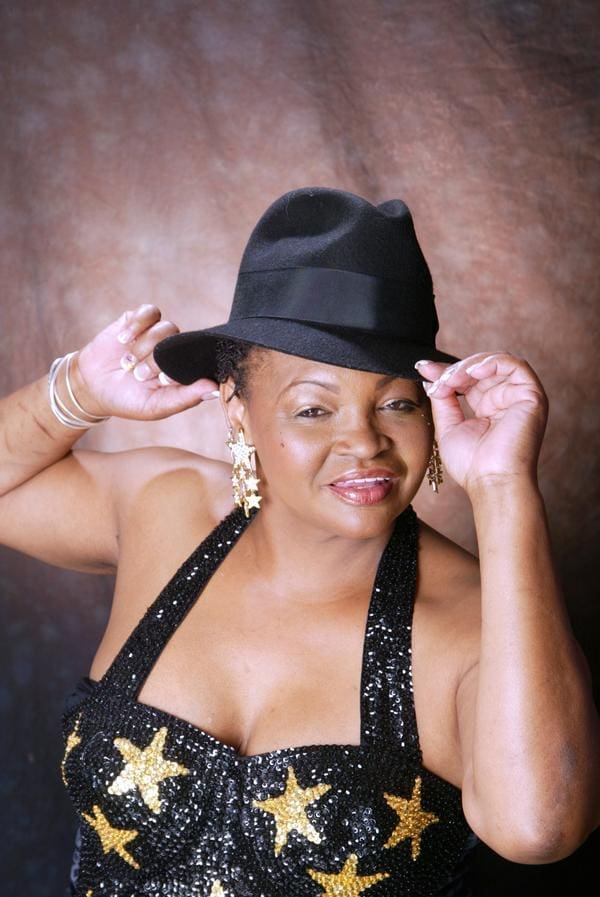
In 1971, a young dancer from South Central Los Angeles was recruited as one of the original lead dancers on a new syndicated television show called Soul Train. Her name was Thelma Davis, and she had no idea that stepping onto that stage would place her into the living rooms of millions of Americans and turn her into a role model for an entire generation of young Black girls who saw themselves reflected in her grace, beauty, and undeniable skill.
Thelma didn’t arrive on the Soul Train set by accident. Her dance training began around the age of four with ballet, but she quickly realized that the formal discipline of classical technique wasn’t where her spirit lived. She moved into modern dance, then found her true home in jazz. By the age of ten, she was already performing professionally across the Southern California area. She studied under legendary choreographers including Claude Thompson, Michael Peters, Debbie Allen, Lula Washington, Jan Blunt, and Nzingha Camara — a lineage that stretched from Dunham technique to contemporary jazz to West African dance. By the time Soul Train came calling, Thelma was already a fully formed artist.
“I remember being in awe of the impact I had, as a Soul Train dancer, on teenagers and adults across the country… national television placed me into the living rooms of millions of people. It was mind-boggling.”
— Thelma Davis

Working With the Greats
What set Thelma apart on the Soul Train stage was the way she moved — elegant but powerful, polished but free. With her signature short-cut afro and a style that proved a woman could “get down” with grace, she became one of the most identifiable and beloved female dancers in the show’s history. But her career extended far beyond the Soul Train line.
Thelma performed alongside some of the biggest names in entertainment. She danced for Diana Ross, worked with Michael Jackson and the Jackson Five on television specials, appeared in productions with Chevy Chase and Jerry Lewis, and took ensemble roles on the television series Fame and A Different World. Each credit represented another chapter in a career built on versatility, professionalism, and an unwavering love for the craft.

Taking Black Dance Global
Thelma’s impact didn’t stop at American borders. She lived and worked in Japan for over five years, where she produced, choreographed, and performed in dance productions across Osaka and Tokyo. She trained Japanese dance instructors in West Coast style, served as the featured dancer and choreographer at the St. Tropez Club, and opened and managed Let’s Dance Academy. Her international work also took her to Seoul, South Korea and London, England, where she taught jazz, hip-hop, and aerobics while coordinating the openings of new dance studios. She didn’t just export American dance culture — she built infrastructure for it in countries that were hungry to learn.
“The life experiences that have had the greatest impact on me are those centered around injustices towards people of color all over the world.”
— Thelma Davis
A Legacy Recognized
In February 2025, Thelma’s story reached a new generation when BET premiered her episode of I Was a Soul Train Dancer (Season 7, Episode 1). The episode followed her journey from South Central LA to the Soul Train stage, through the disco and early hip-hop eras, her role in Michael Jackson’s Thriller, her work with Diana Ross, and her rise as a choreographer in Japan. For many viewers, it was the first time they had heard the full scope of a career that had been quietly shaping dance culture for over five decades.
Today, Thelma Davis Martin continues to pour into her community. She serves as the Owner and CEO of Kreative Artistry, an event planning and floral design company. She works as a Youth Oratorical Coach, sits as a board member of the Leimert Park Theater consortium in Los Angeles, and is an in-demand educational panelist and authority on historical dance history. She has also been recognized by the Hollywood Bowl and the Los Angeles Philharmonic for her contributions to dance culture.
Why This Story Matters
The title of Dance Mogul Magazine’s original feature on Thelma said it plainly: “Un-Sung.” That word carried weight then and carries even more now. The original Soul Train dancers didn’t just entertain — they defined an era of Black visual culture on television. They set fashion trends, popularized dance styles, and gave millions of young Black Americans permission to see themselves as beautiful, creative, and powerful. Thelma Davis was at the center of that movement from day one, and the fact that her story is still being told — on BET, on dance history panels, and right here — is proof that real legacy doesn’t expire. It just waits for the world to catch up.
Connect With Thelma Davis Martin
Visit her official website at thelmdiva.net. Watch her full BET episode of I Was a Soul Train Dancer. For more stories from the pioneers of Black dance culture, explore the Dance Mogul Magazine Dance Styles Hub.
Dance Mogul Magazine — Inspiring Self-Empowerment Through Dance Culture.


