
Jersey Club is now a global sound — but it was built block by block in Newark’s skating rinks, ballrooms, and college gymnasiums. This Dance Mogul Magazine feature pairs the documented origins of the culture with a firsthand account from Anthony “Solo” Harris of the EnVy Dance Group, interviewed by Kamille King — the dancer’s perspective on where Jersey Club really comes from.

What Is Jersey Club? Origins in Newark, New Jersey
Jersey Club is a fast, bouncy style of dance music that originated in Newark, New Jersey, in the late 1990s and early 2000s. It was first known as Brick City Club — a nod to Newark’s nickname — and grew out of the uptempo, house-and-hip-hop hybrid of Baltimore Club. The sound is defined by a driving groove near 130–140 BPM, triplet kick-drum patterns, chopped vocal samples, and the now-signature “bed squeak” that producers built into the beat.
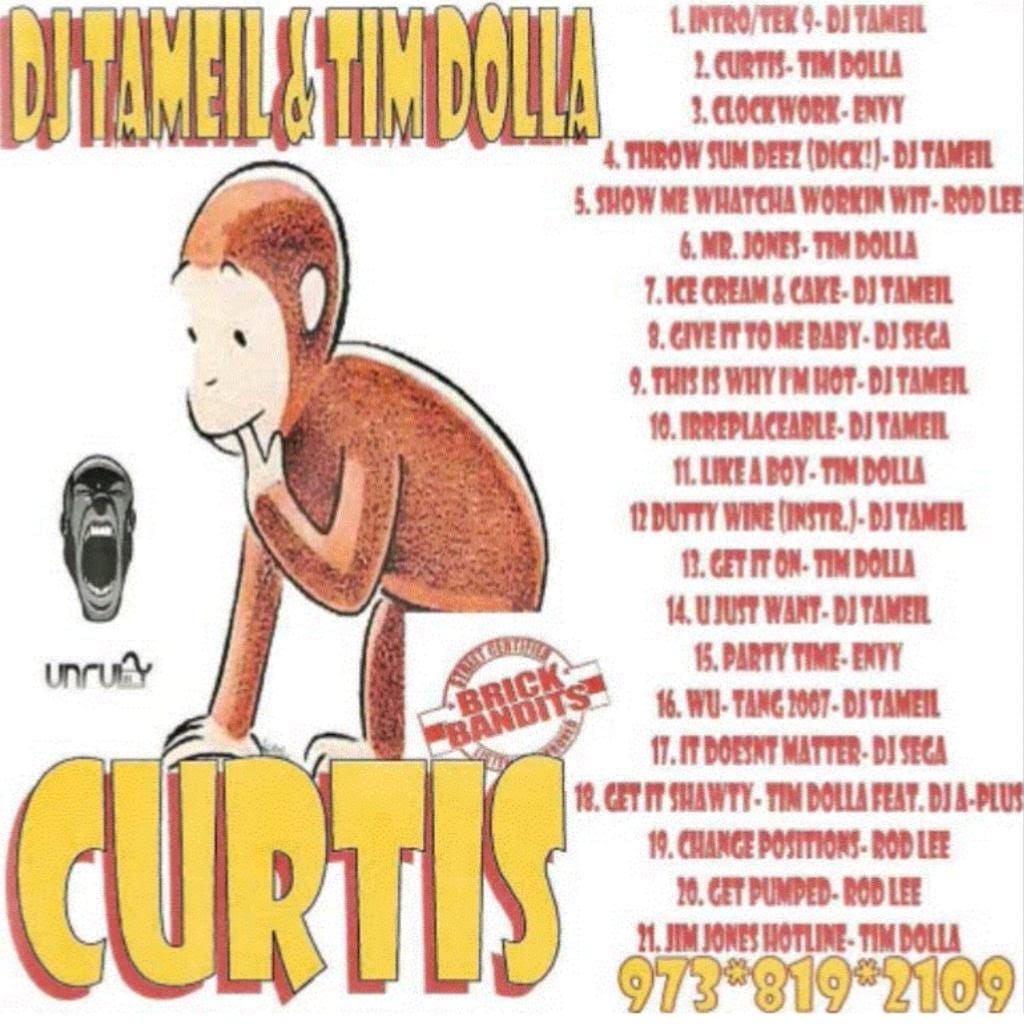
The genre was pioneered by DJ Tameil alongside Mike V, DJ Tim Dolla, and DJ Black Mic of the Brick Bandits crew. Tameil began pressing his own club records in 2001 and selling burned CDs on Broad Street in downtown Newark; he coined the name “Brick City Club” in 2002. As the music spread beyond Newark — carried by college campuses, MySpace, and a new wave of producers around 2005 — the genre was renamed Jersey Club. Crucially, the parties that powered it, including those at the Branch Brook Skating Rink, were known as safe spaces for young people in the city.
But Jersey Club was never only music. From the very beginning it was a dance culture — DJs called out moves on the mic all night, dance battles became central, and crews turned skating rinks and school cafeterias into stages. That is the part of the story told here, by someone who lived it.
A Timeline of Jersey Club & the EnVy Dance Group
A documented timeline of the culture — combining the broader history of the genre with the firsthand milestones Anthony “Solo” Harris shares in the interview below.
The Dancer’s Perspective: Anthony “Solo” Harris
EnVy was made up of a special group of guys with high ambitions, and that propelled us to break down a lot of doors and do things first — so others could walk through.
— Anthony “Solo” Harris
Is the Culture Traveling Beyond Jersey?
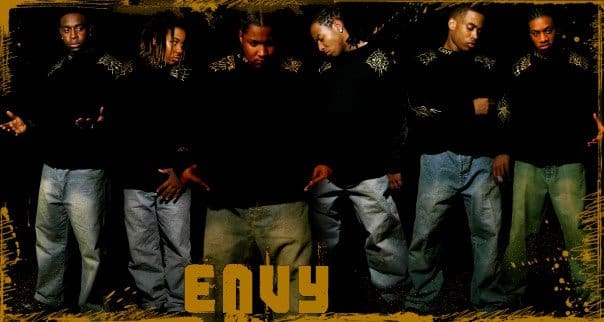
Absolutely — and not just because of the internet. This was happening even before social media, as DJs and producers were making CDs and performing gigs outside of the state. The top dance groups, The Brick City Dancers and EnVy Dance Group, were also performing in other states during the early years. I’m a member of EnVy, and my dad was the dance coach for The Brick City Dancers, so I can confidently say that what I’m stating is factual and documented through video.
EnVy Dance Group on 106 & Park · 2006 & 2008
We are, and forever will be, the pure essence of Jersey Club. People dance, make music, and build a reputation off of it because we showed them how it’s done — all together.
What EnVy Meant to the Movement
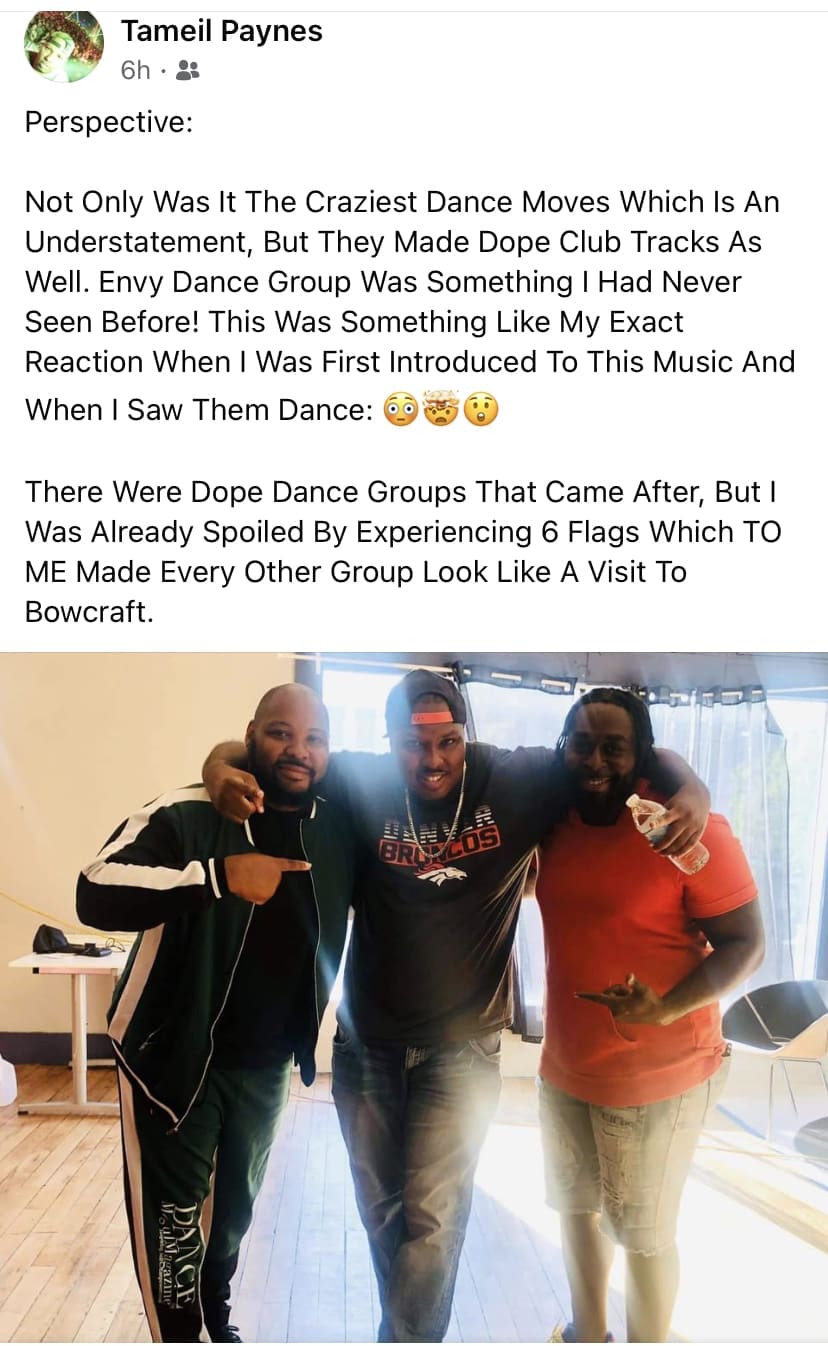
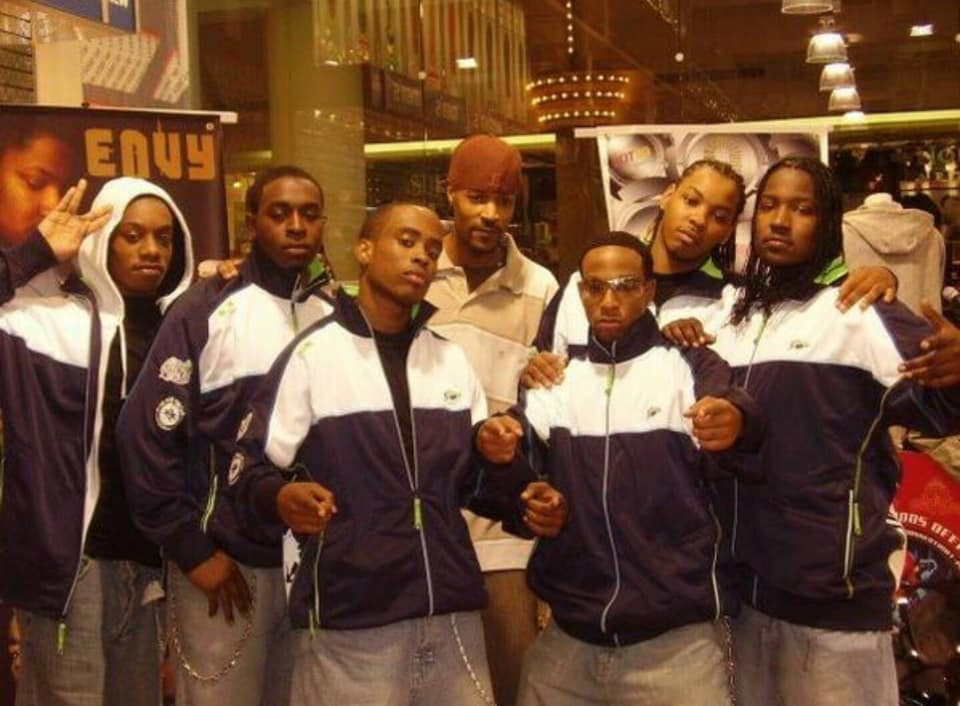
Certainly. If The Brick City Dancers represented the second generation of street dancing in New Jersey, we were the third generation. We — Jerryl, Anthony, Maurice, Quason, Chris, Ayman, and Zachary, also known as Butta, Solo, Mo Chedda, Swift, Hitman, Ice, and Ziplock — formed the EnVy Dance Group in 2003. I want to clarify that what we were doing wasn’t solely rooted in Jersey Club. In terms of street dance and early entrepreneurship in the culture, we represented a lot more, especially when you look back at all that we achieved.
We carried on from where The Brick City Dancers left off. We were the new kids partying at skating rinks like Branch Brook and Skate 22. We kept contributing to the culture at college campuses such as Bloomfield College, William Paterson, Montclair, and Seton Hall. EnVy performed at these venues, and people identified with what we were doing — just as we had identified with The Brick City Dancers. It was a continuation, but it evolved. The dancing and the music evolved. I’m not saying we were better; we were just different.
The new millennium marked the era of choreography and technique. When the film “You Got Served” was released in 2004, it inspired many groups and routines, but we were already operating at a high level. By the time the movie came out, we were prepared to take off and be embraced, because we were already polished enough. We brought a different visual dimension to Jersey Club music.
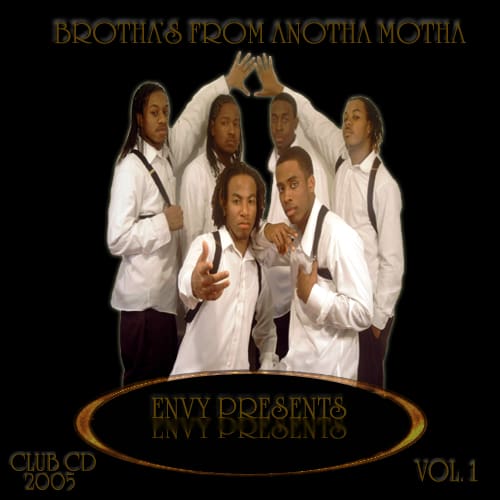
We were so dedicated to it that we started creating our own club music in 2004–2005. We were the first dancers to release two full albums: “BFAM” and “Club Tracks 2 EnVy.” “Club Tracks 2 EnVy” became incredibly popular and was picked up by the legendary DJ Ran, who was the marketing director for the Against All Odds clothing store at the time. He signed us to a marketing and distribution deal that involved music, a clothing sponsorship, and paid performances at the AAO stores that opened around the country.
How the Brotherhood Came Together
I was already dancing, doing my own thing, shuttling between my mom’s place in Newark and my dad’s place in Piscataway. During the summers, I would stay with my mom. In the summer of 2001, my best friend Ricardo saw some kids dancing and rushed to get me. I introduced myself, and we all started dancing together. The guys were dancing with a group of girls who called themselves RAW; most of them were from ARTS High School. As a new member, I could sense a bit of standoffishness in the energy — it was like, “Who is this guy?” But I connected well with Maurice (Mo Chedda), who was happy to have another guy around who could do street dancing, since they were focused on choreography and commercial-style routines. Butta, Chedda, and Hitman were exceptional street dancers who could perform all the club dances. After about two days, I had to return to school in Piscataway, and we lost touch.
By the fall of 2003, I had a website. I was the first dancer to upload Jersey Club videos of myself, my peers, and the pioneers before us through urbanvision.net. Mind you, this was in 2002 — before YouTube and social media existed. Urbanvision.net was created by my father as an outlet for me to express myself and stay focused, especially since I was mischievous in school. Whenever I did well, my dad would take me to Skate 22, where they played local Jersey Club songs by pioneers like DJ Tameil and the Brick Bandits. He would record my performances and upload them to the site. In 2003, we expanded it to include friends and associates (during the era when AIM was popular).
A young man named Earl, who was attending school in Virginia, contacted me on AIM and insisted that I meet his friend Quason (Swift) from West Orange. We exchanged screen names, and Quason told me I should meet some other talented guys at Bloomfield College. I did — and those guys turned out to be Butta, Chedda, and Hitman. Fate brought us together once again. At that time, they also danced with several dancers from East Orange, including Juice, Chris, Fred Jo, Fab, Ricky, Gary, Barry, and John Bo, who later formed their own group, Infamous Envy. We all appeared on the dance DVD “Da Sample.”
This marked the beginning of using the internet to connect and promote ourselves. Urbanvision.net was set up like Worldstar, showcasing clips of dancers from all over New Jersey. That inspired the creation of a classic dance DVD called “Da Sample,” featuring young kids from across the state dancing to Jersey Club music.
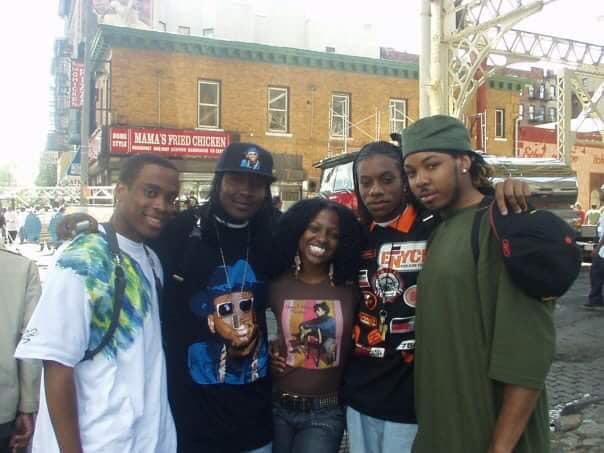
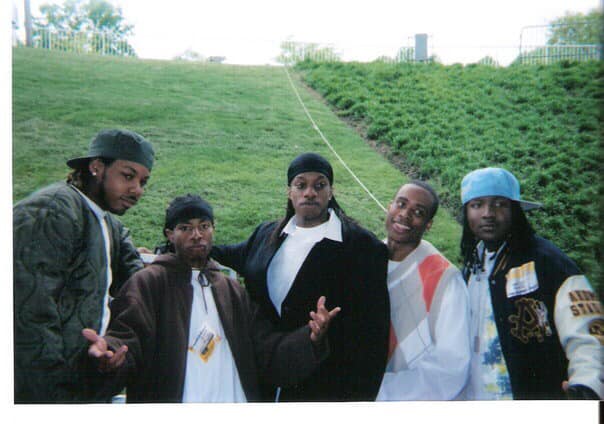
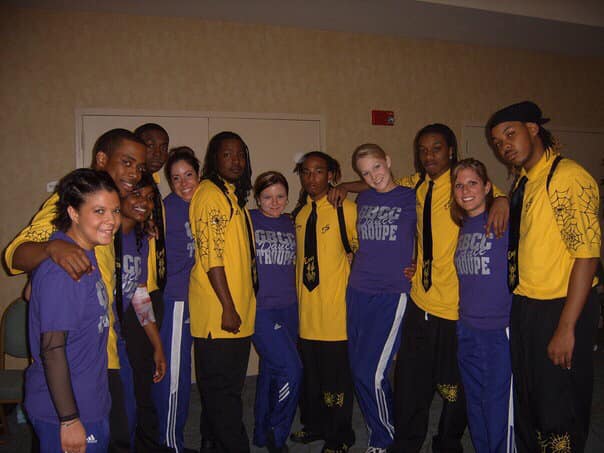
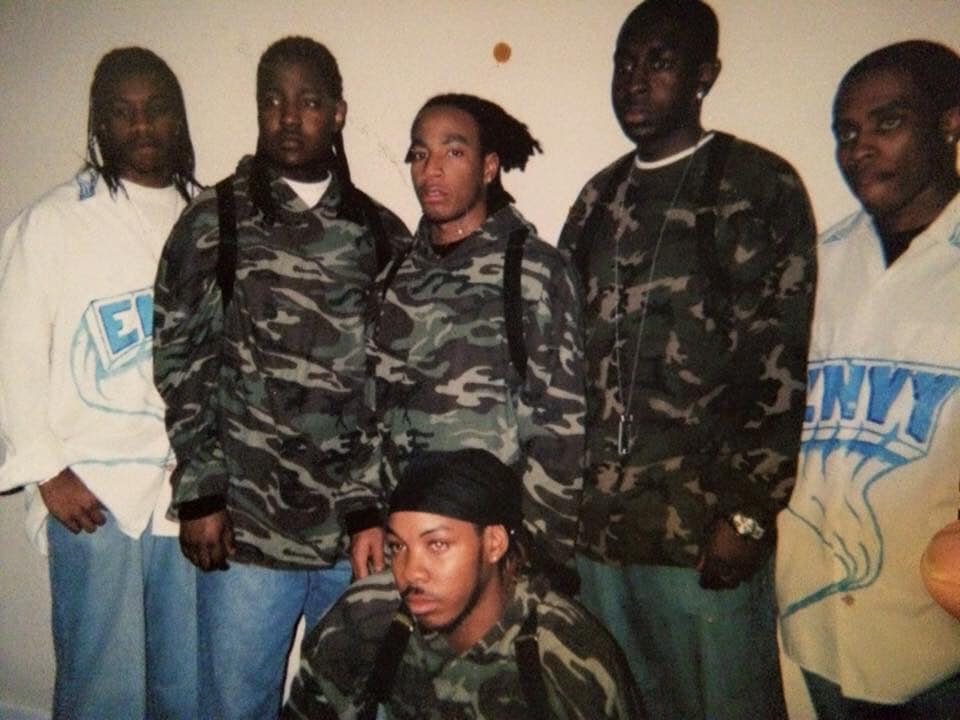
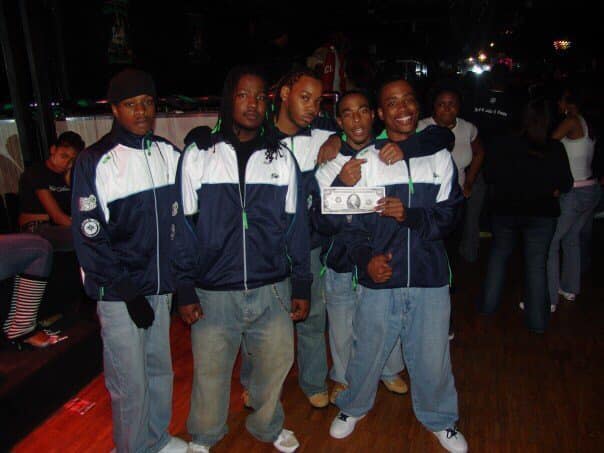
These are the grassroots of the energy you see today.
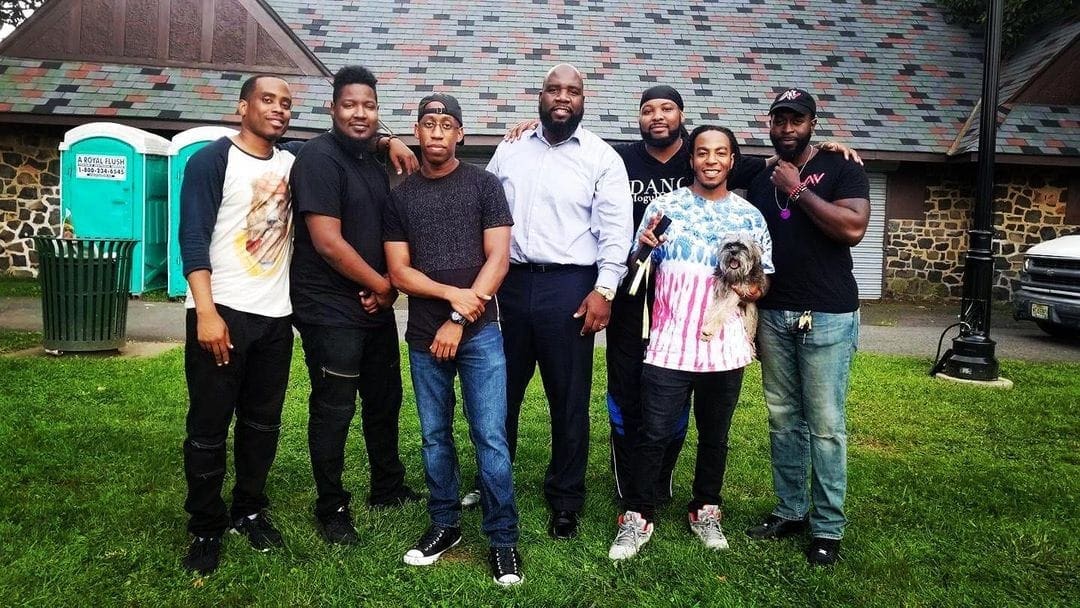
Only a few individuals have lived these stories, because they were part of the journey. I also want to acknowledge the other dance groups that made that era worthwhile — we weren’t the only ones spreading Jersey culture, music, and dance. Special shoutout to Illmatic Force, Da Emperorz, Infamous Envy, BDS, A-GAME, The MISFITZ, NYCE, ADDICTIVE, SKILLZMATIC, LIL EMPZ, LILMATIC, ROUND 1, and every other group and individual who feels they played a part or supported the movement. Thank you. I sincerely appreciate you.
The popularity of our work led EnVy and me into entrepreneurship — hosting the biggest dance events in New Jersey at the time, performing on stages nationwide, and appearing on television. EnVy revitalized New Jersey’s street dance culture at the turn of the new millennium. We produced some of the first dance visuals for Jersey Club music, past and present, and we even created our own brand of club music. EnVy was the first street dance group in New Jersey to headline at the Prudential Center, perform multiple times on national television, and sell out the legendary Symphony Hall with our annual dance competition, “Dance Warz” — and, most importantly, to teach the youth in our community, which we still do today.
The Story Behind the Film “LIT”
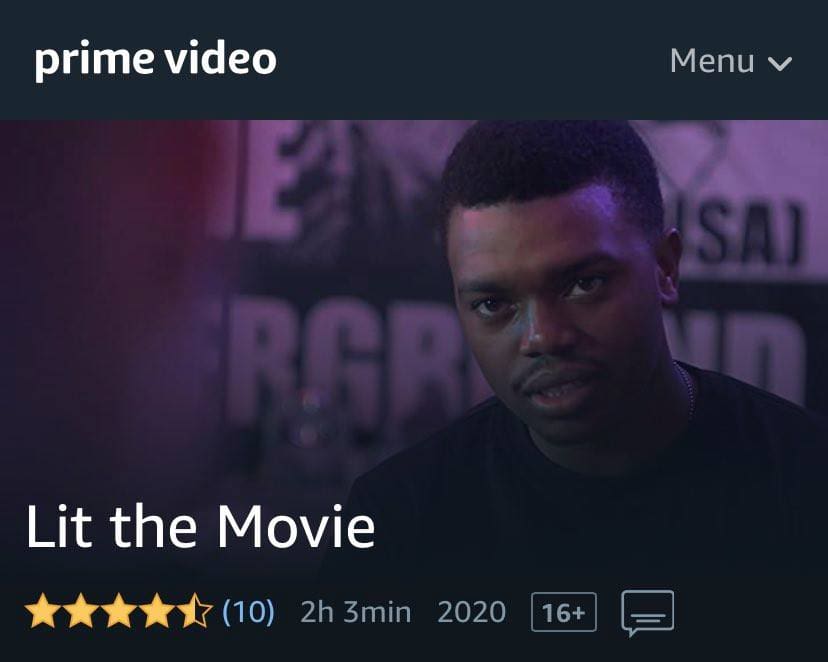
The HallMills Network LLC understood that things don’t just exist without a reason. They recognized that there was a source behind the content they were bringing to the big screen. It takes setting aside ego and pride to be fully engaged in a process — to work on something you envisioned, invested your hard-earned money into, and then poured even more energy into. But that’s exactly what they did.
They brought us in because they understood that Jersey has a dance legacy spanning forty years and holding tremendous value. They recognized our direct connections and contributions to the Brick City and Jersey Club culture, knowing we were there from the very beginning. It’s that understanding — and the willingness to collaborate with brothers and sisters inside and outside the state — that gives this project an undeniable, unstoppable nucleus of energy. I’m grateful for the opportunity to contribute and to keep sharing this energy with the masses.
The New Generation — and the Role of an Elder
As a whole and as a culture, I believe we could be much further along and more progressive, but I recognize there have been gaps in knowledge and guidance at times — and I take responsibility for my part in that. As men, our egos can get the best of us, and a lack of self-awareness can keep us from connecting with our brothers and sisters. Still, I see hope and promise for the new generation and the culture itself.
Now we have major Jersey Club artists like Kia, DJ LILMAN, Cookie Kawaii, Uniiqu3, DJ JAYHOOD, R3LL, DJ SLiink, and Jersey Gods taking the music to an international level — which is fantastic. But I still believe the dancers and the art of dancing need to be at the forefront, treated as the headliners. That’s how it has always been, from my era to the era before me. The dancers bring the music to life and create the visuals that draw people in. People enjoy music, but they love to dance and watch dancing. Everyone in the industry knows this — which is why Beyoncé performs with more than thirty dancers on stage.
Shoutout to the young people doing their thing: E.V.O., The DoJo, Defiance, Dynamic Dynasty, Team Lilman, YFD, YB, LinkUpTuesdays, The LAB Brothers and Sisters, Rahway Labz, and all the current dancers and groups across North and South Jersey having fun and staying out of trouble. I believe my role now is to coach and share wisdom when I can. If people embrace it, that’s great. If they don’t, that’s fine too.
I still make a difference through the dance work I’ve been dedicated to since 2003. I collaborate with people in the culture who understand that preserving its legacy is vital while allowing it to grow. I own my own dance studio, “Solo Expression,” and I continue to provide Dance Warz and the BFAM School Assembly as platforms to nurture local talent and help young people realize their dreams. So I can never be sad or angry about any outcome. I’m always grateful — and I hope that’s the most important lesson everyone in the culture learns: to be humble and grateful. Everyone has their season, and while seasons change, leaves fall, and branches break, the root will always be there.
EnVy & Jersey Club Archive Footage
A living record of performances, tributes, and milestones from the EnVy Dance Group and the wider Jersey Club community — preserved by Dance Mogul Magazine.
Jersey Club: Frequently Asked Questions
What is Jersey Club?
Jersey Club is a fast, bouncy style of dance music and the dance culture built around it, originating in Newark, New Jersey. Known for tempos near 130–140 BPM, triplet kick patterns, chopped vocal samples, and the signature “bed squeak,” it grew out of Baltimore Club and became its own distinct sound.
Where did Jersey Club originate?
Jersey Club originated in Newark, New Jersey, in the late 1990s and early 2000s. It was first called “Brick City Club” after Newark’s nickname, then renamed Jersey Club as it spread beyond the city.
Who created Jersey Club?
The genre was pioneered by DJ Tameil along with Mike V, DJ Tim Dolla, and DJ Black Mic of the Brick Bandits crew. DJ Tameil is widely credited with establishing the sound and coining the name “Brick City Club” in 2002.
What is the difference between Jersey Club music and Jersey Club dance?
Jersey Club music is the production side — the beats, samples, and records. Jersey Club dance is the movement culture that grew alongside it, where DJs called out moves on the mic and crews battled at parties, skating rinks, and on stage. As Anthony “Solo” Harris explains, the dancers brought the music to life and were often the headliners.
What is Brick City Club?
“Brick City Club” is the original name for Jersey Club, referencing Newark’s nickname, “Brick City.” The name changed to Jersey Club around 2005 as the music spread beyond Newark to producers and dancers across the state.
Who are the Jersey Club pioneers?
On the music side, pioneers include DJ Tameil, DJ Tim Dolla, Mike V, and DJ Black Mic of the Brick Bandits. On the dance side, New Jersey crews such as The Brick City Dancers and the EnVy Dance Group helped build and spread the culture.
Who were the Brick City Dancers?
The Brick City Dancers were an early New Jersey street-dance group — described by Anthony “Solo” Harris as the second generation of the culture — whose work EnVy (the third generation) carried forward. Solo’s father served as the group’s dance coach.
What was the EnVy Dance Group?
EnVy was a New Jersey street-dance group formed in 2003 by Jerryl, Anthony, Maurice, Quason, Chris, Ayman, and Zachary (Butta, Solo, Mo Chedda, Swift, Hitman, Ice, and Ziplock). They were among the first dancers to release their own club albums, headlined the Prudential Center, appeared on BET’s 106 & Park, and produced early dance visuals for Jersey Club music.
Who is Anthony “Solo” Harris?
Anthony “Solo” Harris is an original member of the EnVy Dance Group and a New Jersey dancer, choreographer, and educator. He runs the Solo Expression dance studio and continues the culture through the Dance Warz competition and the BFAM School Assembly.
Preserving the Legacy
Anthony “Solo” Harris and the EnVy Dance Group are the connective tissue between Jersey Club’s founding era and its global present. Their story is a reminder that every viral moment has a foundation — built by dancers who showed up, organized, and documented the culture long before it was easy to do so. Dance Mogul Magazine is honored to preserve that record for the next generation of movers and leaders.