
Dance Culture & History
The Evolution of Hip-Hop Dance
From a Bronx block party to a global language of movement — how hip-hop dance grew, who built it, and why it still belongs to the people.
By Dance Mogul Magazine — The First Black Owned Father-and-Son Dance Publication, Inspiring Self-Empowerment Since 2010
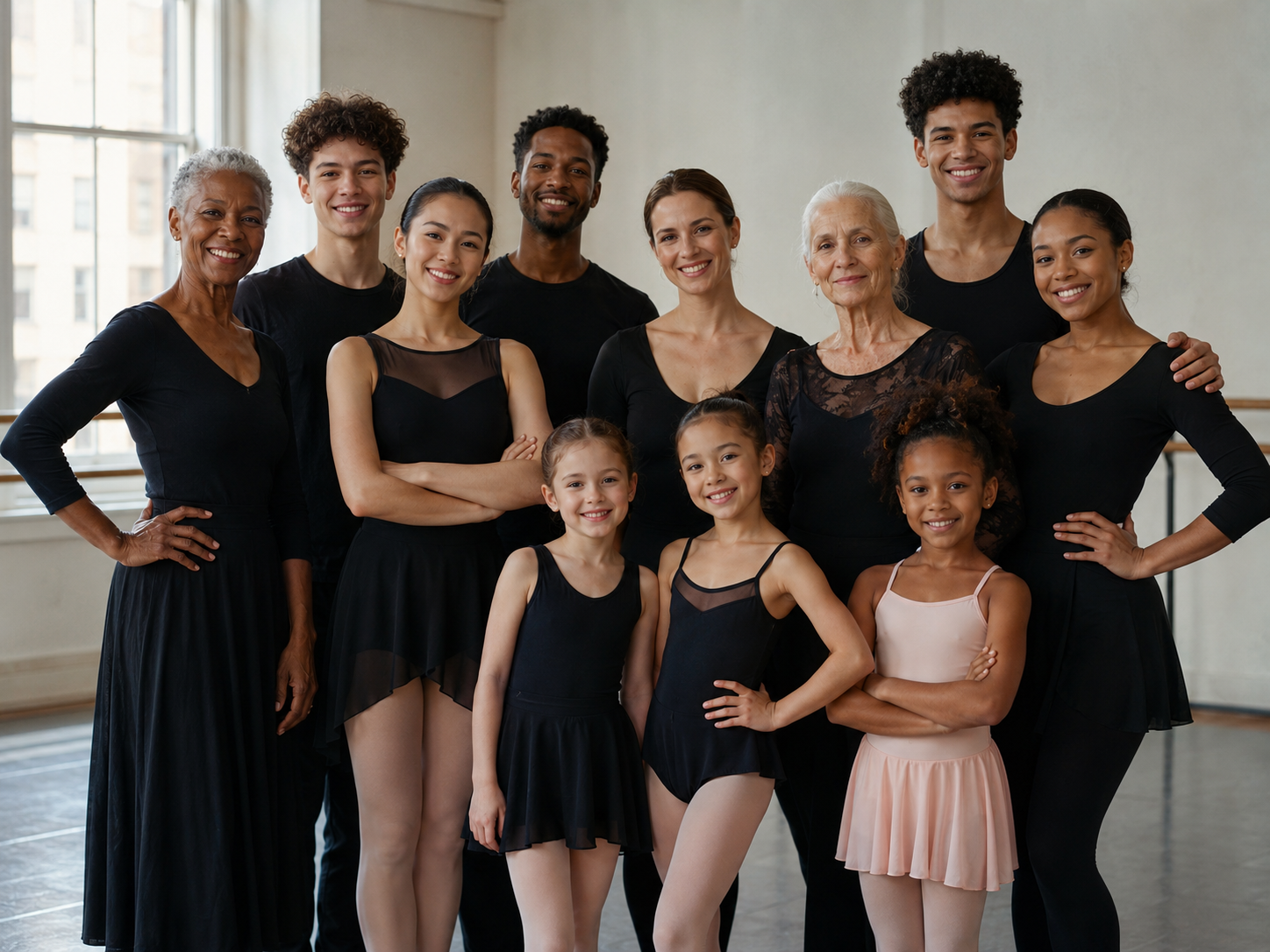
Hip-hop dance is one of the few art forms in the world that can be traced almost to a single moment and place: the Bronx, New York, in the early 1970s. What began as kids dancing to the rhythmic break of a funk record at a neighborhood party became, within two generations, a movement vocabulary spoken on every continent. This is the story of how that happened — and why understanding the evolution matters for every dancer who steps onto a floor today.
The Spark: The South Bronx, 1973
On August 11, 1973, a teenager named Clive Campbell — better known as DJ Kool Herc — threw a back-to-school party in the rec room at 1520 Sedgwick Avenue. Instead of playing songs straight through, he isolated and looped the "break," the percussive instrumental section where the drums and bass took over. Dancers waited for that break to explode. They became known as break-boys and break-girls — b-boys and b-girls.
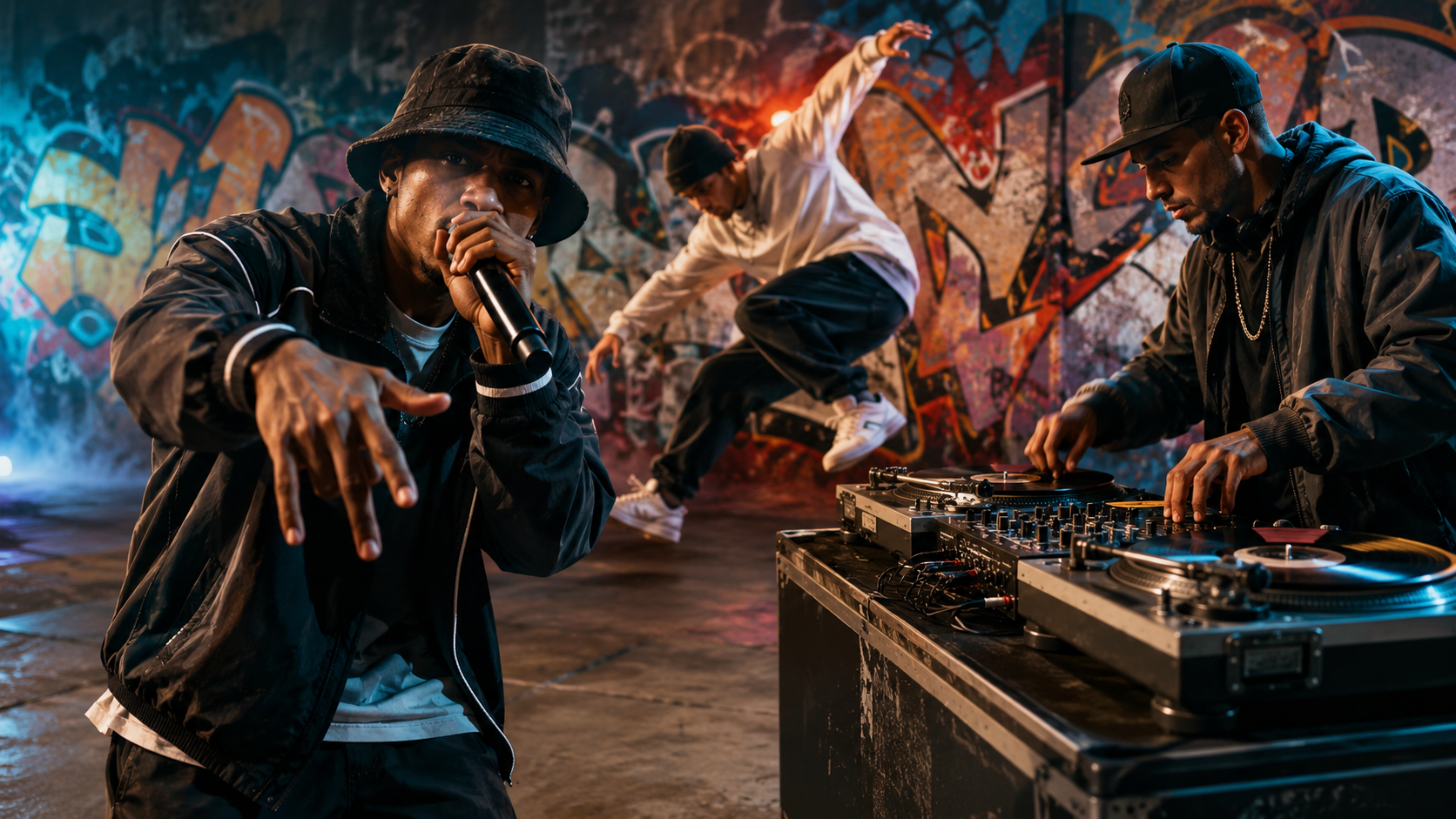
This was not choreography handed down from an institution. It was created by young people who took what they had — their bodies, the concrete, and the music — and turned it into art. That origin is the soul of everything that followed.
Hip-hop wasn’t created in a classroom. It was created by kids who transformed the streets into a stage. That’s where the power comes from.
The First Wave: Breaking / B-Boying
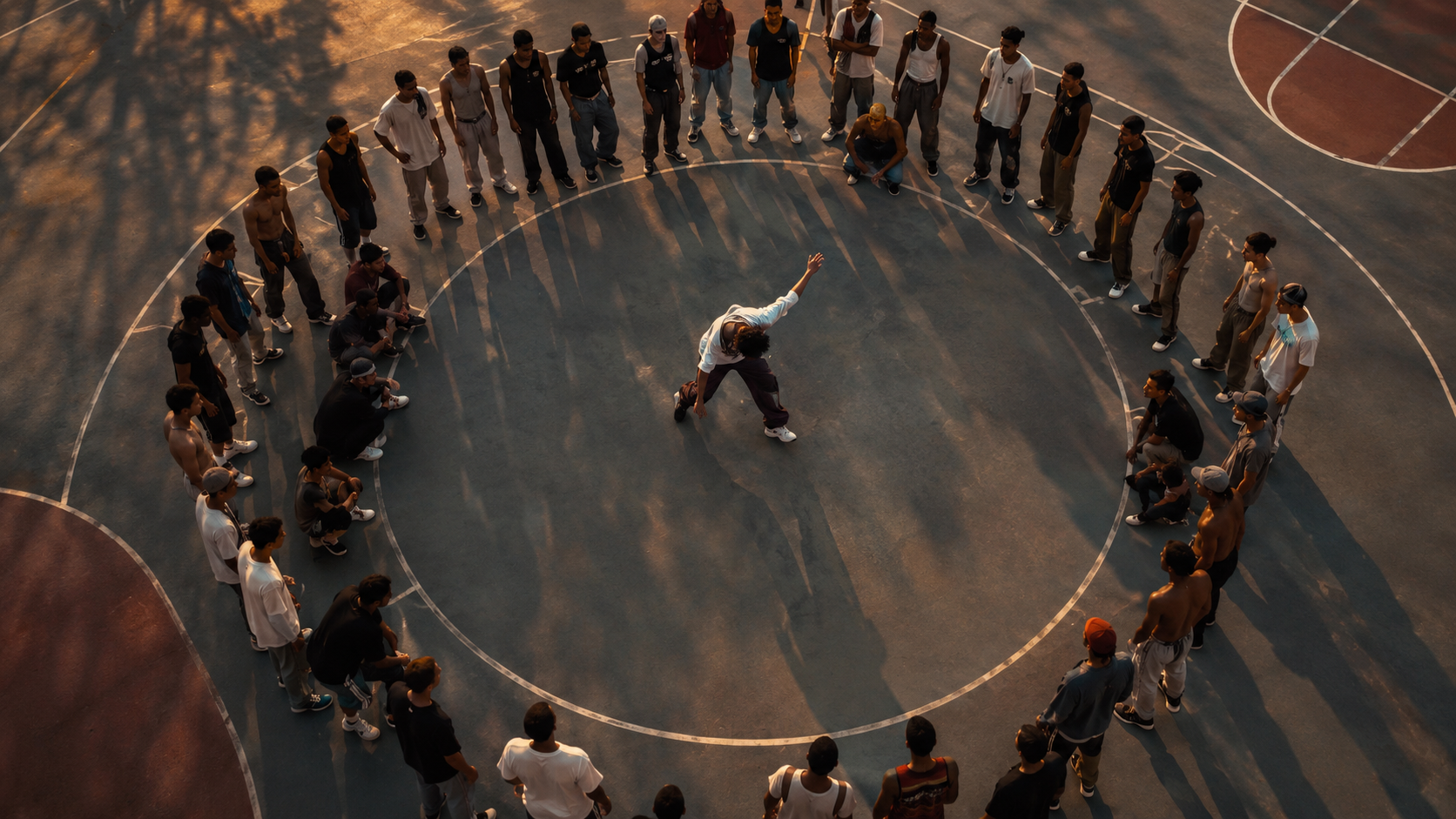
Breaking became the first organized dance of hip-hop culture. It built itself around four core components — toprock (the standing footwork that opens a set), downrock or footwork (intricate ground patterns built on the six-step), power moves (windmills, flares, headspins), and freezes (held positions that punctuate the music). Crews like the Rock Steady Crew turned breaking into a competitive, communal art form defined by the cypher: the circle where dancers trade rounds and earn respect.
The West Coast Story: Funk Styles
While breaking grew on the East Coast, an entirely separate movement was developing in California — and it is important to honor it correctly, because the two are often wrongly merged. In Los Angeles, Don Campbell created locking, a style built on sharp, frozen "locks" punctuated by points, claps, and comedic showmanship. In Fresno, Boogaloo Sam developed popping and the Boogaloo, contracting and releasing the muscles to hit on the beat. These funk styles spread to living rooms across America through Soul Train.
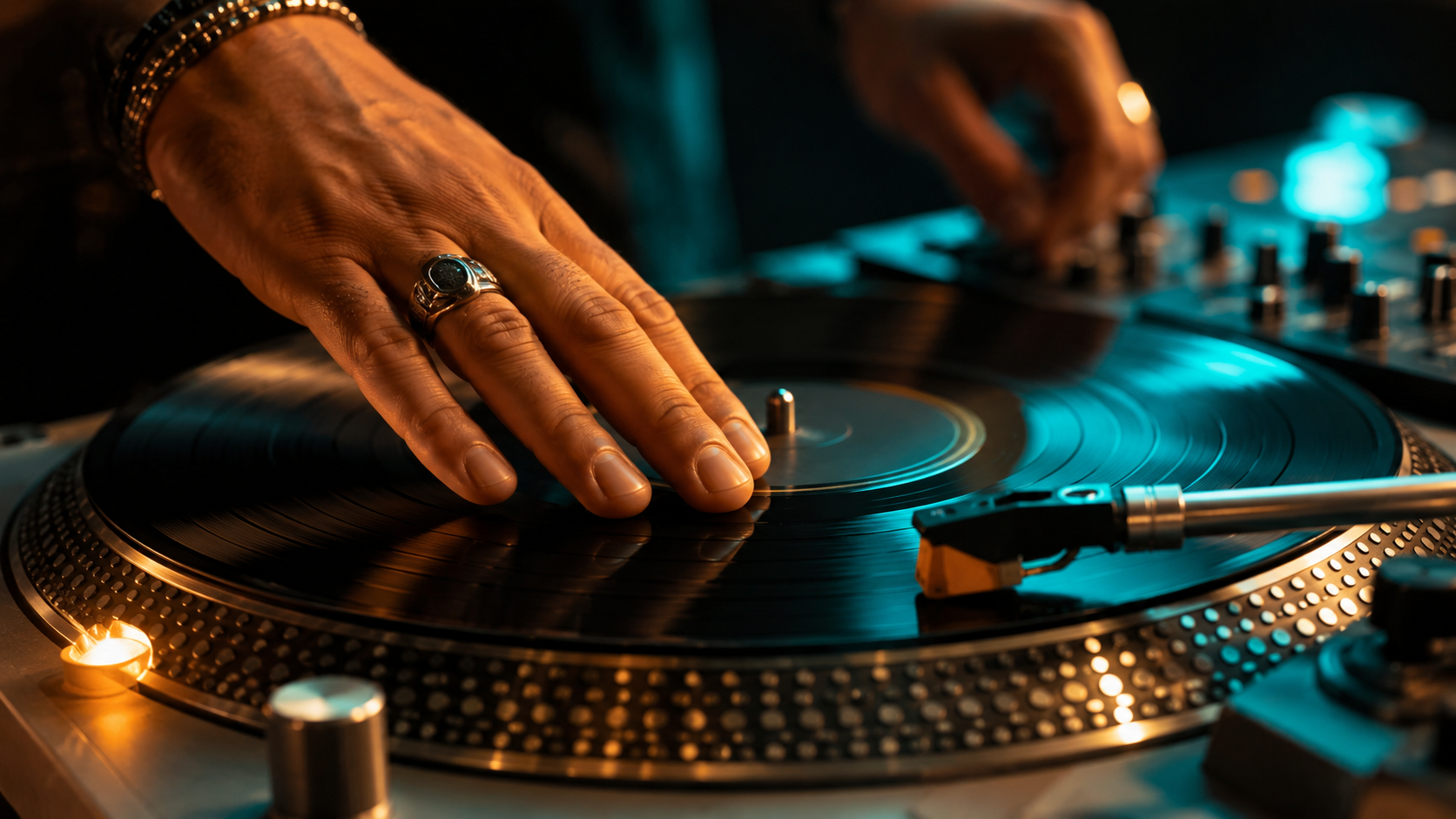
To go deeper on the dancers who carried these styles to television and made them iconic, read our feature on the Soul Train dancers and their cultural legacy.
Going Global: From Cyphers to Stages
Through the 1980s and 1990s, film, music video, and touring carried hip-hop dance worldwide. New vocabularies emerged — house dance in the clubs of Chicago and New York, krumping in Los Angeles, and the choreographed "urban" or commercial style that now fills concert tours and award shows. Countries that had never seen a Bronx block party built their own thriving scenes, each adding accent and innovation while honoring the foundation.
Hip-Hop Dance Today
Today hip-hop dance lives in studios, conventions, universities, the Olympics (breaking made its debut as an Olympic sport), and on screens of every size. The challenge of this era is preservation: as the art becomes more commercial and more global, the responsibility to remember its origins grows heavier. That is the work Dance Mogul Magazine has committed to since 2010 — documenting the culture with the same depth and respect given to any other global art form.
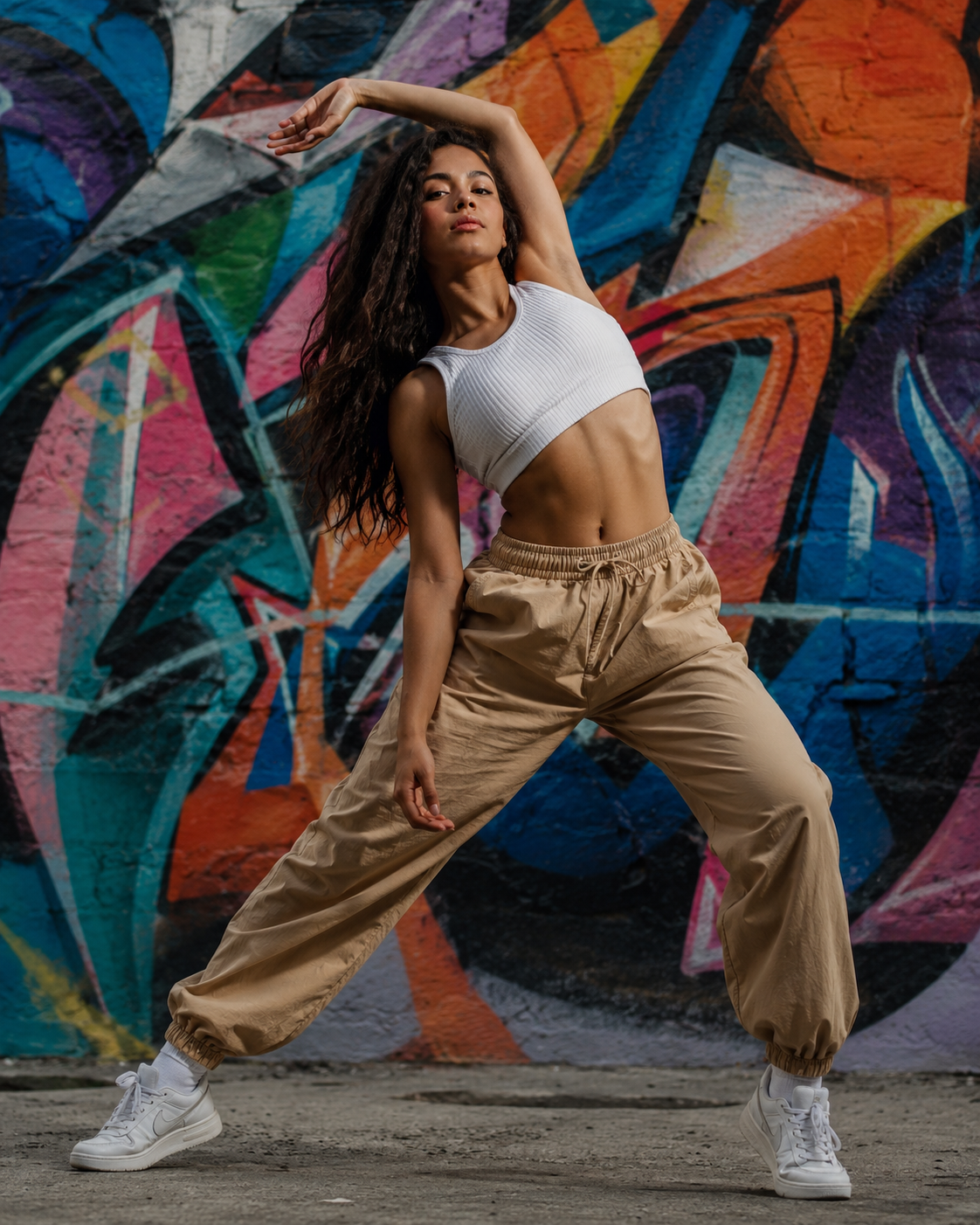
Hip-hop dance is part of a much larger story of movement and identity. Explore the full range of traditions we cover in our guide to the dance styles and cultures DMM documents, and trace the deeper roots in our history of Black Dance from the beginning of time to the world stage.
The Second and Third Waves: House, Krump, and Commercial
Hip-hop dance never stopped evolving. In the clubs of Chicago and New York, house dance grew from the same roots with fast, fluid footwork built on four-on-the-floor rhythms. In early-2000s Los Angeles, krumping emerged as a raw, expressive release — a dance born from struggle and faith that gave young people a way to channel intensity without violence. And as television, touring, and film grew, a choreographed commercial style developed that filled award shows, tours, and music videos, carrying the foundation into the mainstream entertainment economy.
Women Built This Too
The history of hip-hop dance is too often told as a story of men, but b-girls, lockers, poppers, and choreographers have shaped every era. Honoring the full record — including the women who innovated and led — is part of telling the truth about where this culture came from and where it is going.
What Every Dancer Should Take From This
You do not have to memorize every date to dance with respect. But you should know three things: where your style came from, who built it, and why it mattered to them. That awareness changes how you move. It turns imitation into honor, and steps into storytelling.
Hip-hop began with young people who believed their movement mattered. It still does. Keep learning, keep honoring the source, and keep building.