
Media & Technology
Dance Photography: How to Capture the Poetry of Motion
From studio sessions to stage performances, the art and craft of freezing movement into lasting visual stories.
By Dance Mogul Magazine
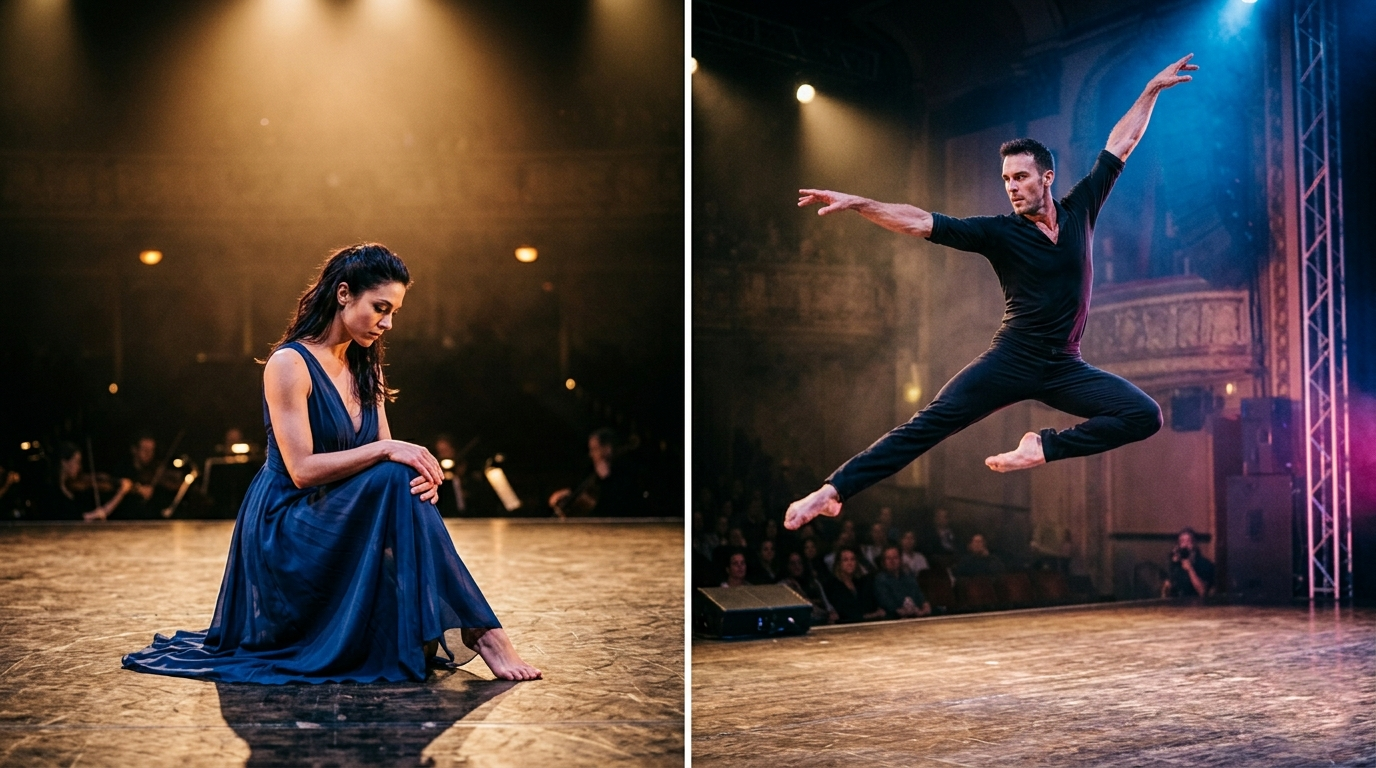
Dance photography sits at the intersection of two powerful art forms — movement and image-making. It requires not only technical mastery but also an intuitive understanding of rhythm, timing, emotion, and the human body in motion. A leap lasts less than a second. A turn is a blur of energy. A gesture can be missed in the blink of an eye. Yet the dance photographer's purpose is to transform these fleeting moments into lasting visual poetry.
In a world where dance is increasingly global, digital, and interdisciplinary, dance photography has become more essential than ever. It documents culture, preserves legacy, elevates artistry, and shapes how audiences understand movement. Whether created in a studio, on stage, or in the streets, dance photography is a powerful storytelling tool that reveals the soul of the dancer and the vision of the choreographer.
The Art of Freezing Motion
At its core, dance photography is about capturing motion in a way that feels alive even when the image is still. This requires a deep understanding of timing. Photographers must anticipate the peak moment of a movement — the height of a jump, the full extension of a leg, the precise instant when a dancer's face reveals raw emotion. Unlike sports photography, where the goal is often to document action, dance photography aims to elevate action into art.
Lighting plays a crucial role. In studio settings, photographers use strobes to freeze motion with crisp clarity, allowing experimentation with shadows, highlights, and sculptural lighting that emphasizes the dancer's form. On stage, photographers must adapt to theatrical lighting — dramatic, unpredictable, and constantly shifting. The challenge is to capture the essence of a performance without disrupting it, relying on fast lenses, high ISO settings, and a sharp eye for composition.
The best dance photographs do more than freeze movement. They reveal intention. A perfectly timed shot can show the strength behind a lift, the vulnerability in a gesture, or the explosive power of a breakdancer mid-air. These images become visual signatures of the dancer's artistry and serve as permanent records of moments that would otherwise vanish.
Understanding the Dancer's Body
Dance photography demands a sensitivity to anatomy and technique. A photographer who understands dance — through training, observation, or collaboration — can anticipate movements and capture them at the most compelling angles. Dance is full of nuances: the line of the foot, the placement of the arms, the tilt of the head, the engagement of the core. A dancer may execute a technically perfect movement, but if the photographer captures it a fraction of a second too early or too late, the image can appear awkward or incomplete.
This is why communication between dancer and photographer is essential. Many successful dance photographers work closely with dancers, reviewing images together and adjusting poses or timing so the final result honors the dancer's technique. In editorial or conceptual dance photography, the body becomes a canvas for storytelling — elongated, abstracted, or juxtaposed against unexpected environments. The photographer must balance artistic vision with respect for the dancer's physical integrity. A beautiful image should never compromise the dancer's safety or form.
The Power of Environment and Setting
Dance photography is not limited to studios and stages. Increasingly, photographers are taking dancers into unconventional spaces — urban streets, rooftops, forests, beaches, abandoned buildings — to create striking contrasts between the fluidity of movement and the rigidity of the environment. These settings add layers of meaning to every image.
A dancer leaping between skyscrapers symbolizes ambition and resilience. A contemporary dancer moving through a forest evokes themes of nature, grounding, and ancestral connection. A ballerina in pointe shoes on a subway platform becomes a commentary on discipline, grit, and the collision between classical art and modern life. The environment also influences the choreography of the shoot — uneven terrain, weather conditions, and public spaces require adaptability and careful attention to safety.
"When done well, environmental dance photography becomes a dialogue between the dancer and the world around them."
Emotion as the Invisible Subject
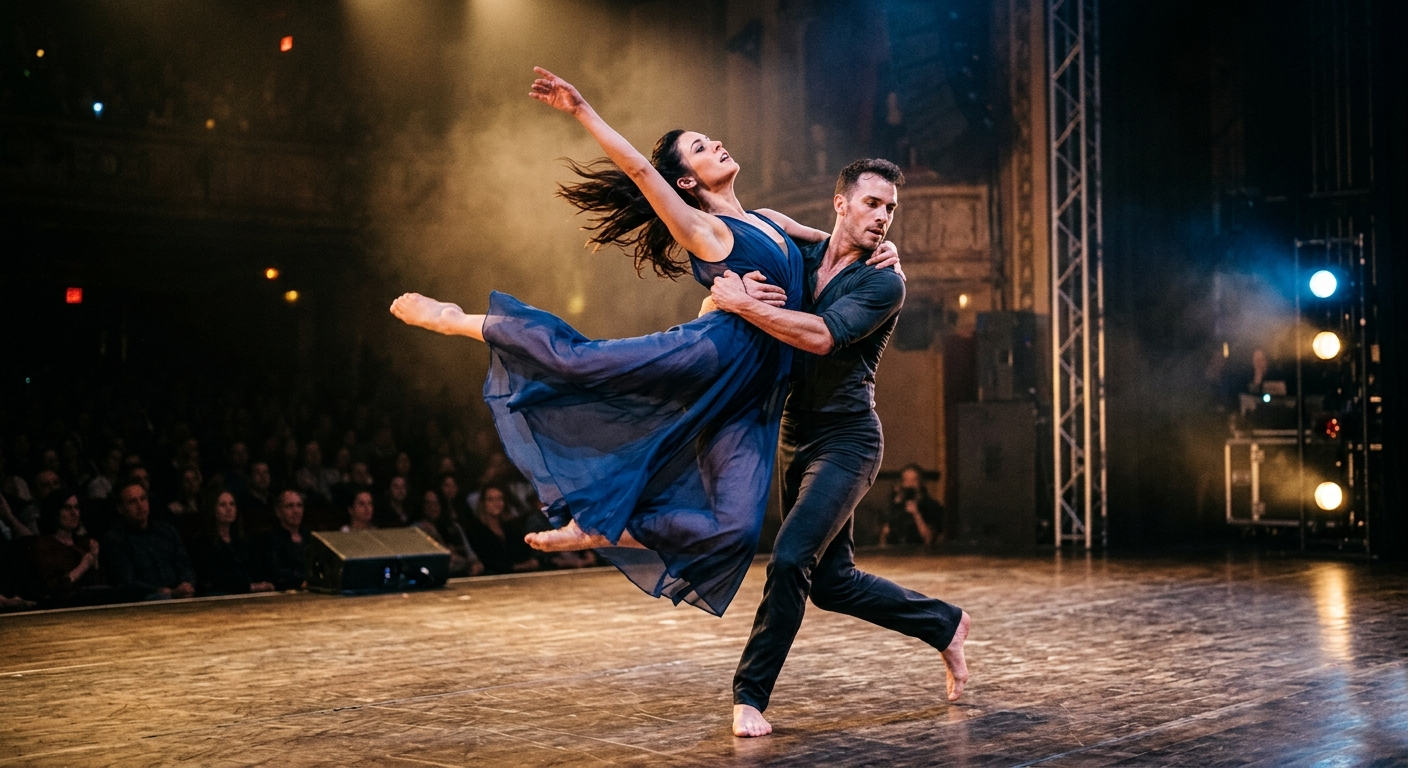
While dance photography often highlights physicality, the emotional dimension is equally important. Dance is a language of feeling, and the camera must translate that feeling into a visual narrative. A photograph that captures emotion — joy, sorrow, intensity, serenity — resonates more deeply with every viewer who encounters it.
Facial expression is one part of this, but emotion can also be conveyed through posture, gesture, and energy. A dancer's body can express longing through an outstretched arm, defiance through a grounded stance, or freedom through a soaring leap. The photographer's job is to recognize these emotional cues and frame them in a way that amplifies their impact. Lighting, color, and composition all shape emotional tone — soft, diffused light creates intimacy; harsh shadows evoke drama; wide shots can convey isolation, while tight close-ups draw attention to the tension in a hand or the focus in a dancer's eyes.
The Collaborative Process
Dance photography is inherently collaborative. It requires trust between photographer and dancer, as well as a shared vision. Before a shoot, many photographers discuss concepts, review reference images, and plan movements with the dancer. During the shoot, communication is constant — the photographer may guide the dancer through poses, adjust angles, or request repetitions of movements, while the dancer offers creative ideas or variations that better express the concept.
In performance photography, the collaboration is more indirect. The photographer must respect the choreographer's vision and the integrity of the performance while capturing compelling images. This requires discretion, timing, and an ability to anticipate key moments without interfering with the dancers or the audience. The strongest dance photography emerges from this kind of creative partnership — where both artist and image-maker elevate each other's work.
Technology and the Evolution of Dance Photography
Advancements in camera technology have expanded what is possible. High-speed shutters, improved autofocus systems, and low-light capabilities allow photographers to capture movement with unprecedented clarity. Mirrorless cameras have become popular for their speed, silent shooting modes, and real-time exposure previews — all of which are invaluable in live performance settings.
Post-production tools also play a significant role. Editing software allows photographers to refine color, contrast, and sharpness, enhancing mood without altering the authenticity of the movement. Some artists experiment with motion blur, double exposures, or digital composites to create surreal interpretations of dance. Social media platforms have further transformed the landscape — dancers use images to build personal brands, promote performances, and connect with global audiences, while photographers gain visibility and opportunities through online portfolios and viral content.
Preserving Legacy Through Images
Dance is an art form that lives in the body and disappears in the moment. Photography preserves these moments for future generations. For choreographers, dance photography documents their creative work. For dance companies, it becomes part of their institutional history. For dancers, it captures their evolution, their artistry, and their legacy. A single photograph can become the defining image of a career.
In the context of cultural preservation, dance photography plays an even more vital role. It documents traditions, styles across the global dance spectrum, and communities that might otherwise be overlooked. From West African dance to hip-hop, flamenco, ballet, and contemporary forms, photography ensures that these cultural expressions are seen, remembered, and respected.
The Future of Dance Photography
As technology, culture, and dance itself continue to evolve, dance photography will evolve with them. Motion capture, AI-assisted editing, and immersive media may expand how dance is documented and experienced. The future will likely bring more interdisciplinary collaborations, more experimentation with environments and visual effects, and more global representation. To explore how technology is reshaping the dance world, visit The Future of Dance Technology & Innovation.
Yet the essence of dance photography will remain the same: the pursuit of capturing the beauty, power, and humanity of movement.
Final Thoughts
Dance photography is more than a technical skill — it is a way of seeing. It requires patience, intuition, and a deep respect for the art of movement. Through the lens, photographers become witnesses to the poetry of the body, the emotion of performance, and the cultural significance of dance. They freeze moments that would otherwise vanish, transforming them into images that inspire, educate, and endure.
In a world where everything moves quickly, dance photography reminds us to pause and appreciate the beauty of motion. It captures not just what dancers do, but who they are — artists, storytellers, athletes, and visionaries. And in doing so, it ensures that the language of dance continues to speak long after the music stops.