
Health & Empowerment Series
Treatment-Resistant Depression -- And the Dance Floor That Helped
When nothing else works, researchers are turning to movement. The results are rewriting the rulebook.
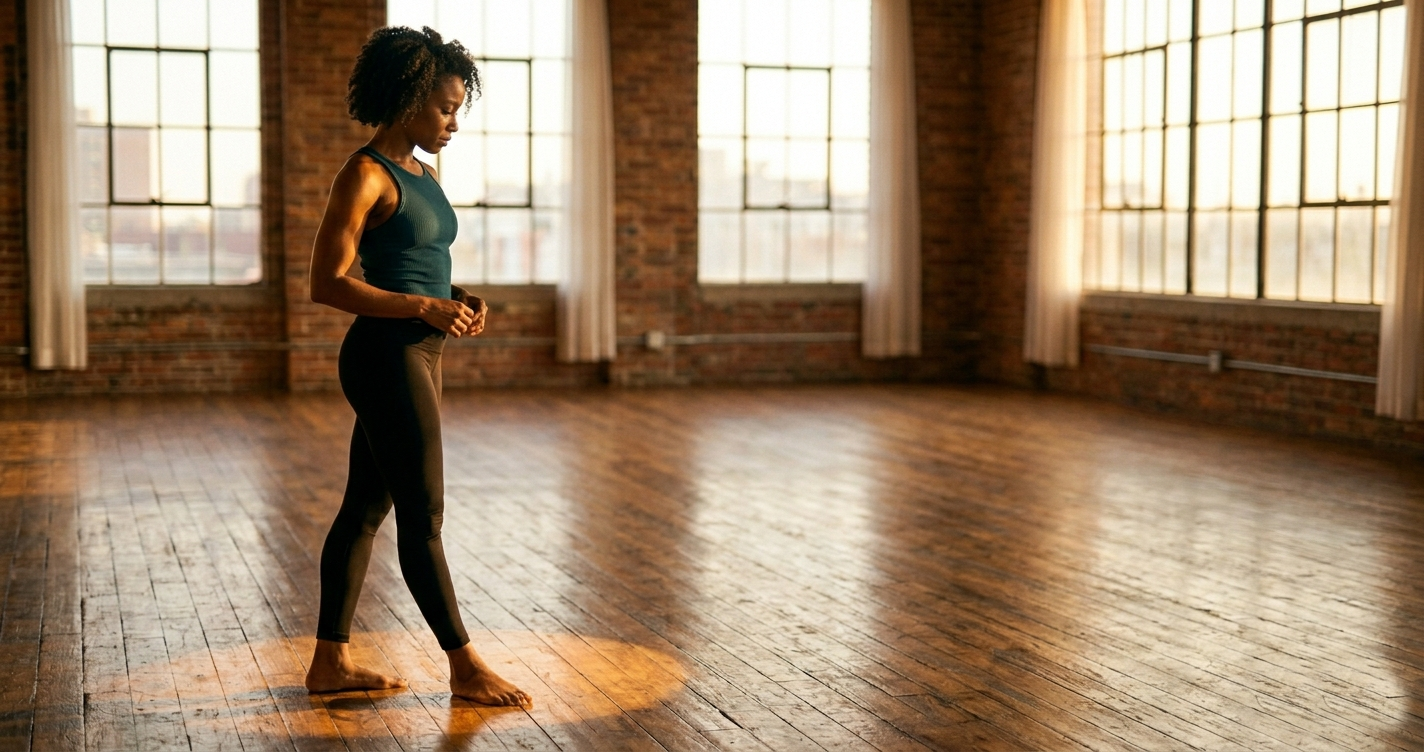
Treatment-Resistant Depression -- A Silent Crisis
Treatment-resistant depression (TRD) is defined as depression that has not responded to at least two adequate courses of antidepressant therapy. It affects a significant portion of those living with major depressive disorder. Standard tools have failed them. For years, the clinical world had very few alternative paths to offer.
Where Dance Entered the Picture
A groundbreaking 2025 study published in ScienceDirect became the first to specifically explore Dance Movement Therapy for adults with treatment-resistant depression. Three participants attended 12 weekly, 45-minute group DMT sessions. Researchers measured outcomes at four time points using the Perceived Stress Scale, interoceptive awareness instruments, and cortisol from hair samples -- a biological marker that captures stress levels over weeks, not just moments.
For those the system has failed, the dance floor may be the next frontier. Science is beginning to prove it.
What the Sessions Revealed
Participants reported a changed relationship with their own bodies. The sessions shifted what researchers called negative somatic associations -- the deeply ingrained physical sense of depression that lives in the body, not just the mind. They developed greater emotional regulation capacity and a new, body-based form of self-assessment they could use outside of sessions.
The Systematic Review That Followed
A 2024 systematic review confirmed that dance therapy shows beneficial effects specifically on emotional resilience, problem-oriented coping, and stress management in adults dealing with both depression and stress -- exactly the co-occurring clusters that define treatment-resistant depression. Researchers called for biopsychosocial, holistic treatment frameworks and placed dance therapy squarely within that emerging standard.
Why This Matters for Our Community
Black communities carry a disproportionate burden of undiagnosed and undertreated depression, compounded by longstanding mistrust of pharmaceutical-first treatment systems. Dance is a healing tradition that predates clinical medicine. The science is catching up to what our culture has always known: when the body moves, the spirit follows.
More From This Series
- Why Dance Is Medicine
- What Doctors Are Now Prescribing Instead of Pills
- Your Body Knows Before Your Brain Does
- Bachata Saved My Life
- Why 12 Weeks on the Dance Floor Changes Everything
- What You Eat Is Talking to Your Brain
- Go Outside. It's Medicine.
- The Dancer's Prescription: Move, Eat, Shine
- Why Men Won't Ask for Help (And What Actually Works)
- Your Gut Is Depressed Too
- The 12-Week Reset
© 2026 Dance Mogul Magazine LLC | dancemogul.com | Inspiring Self-Empowerment Through Dance Culture