
Hip Hop International | The Olympics of Street Dance
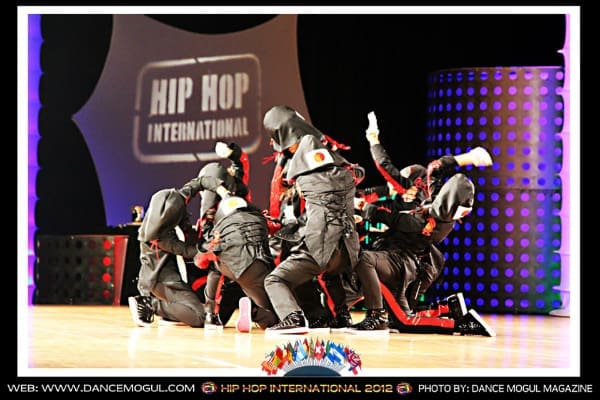
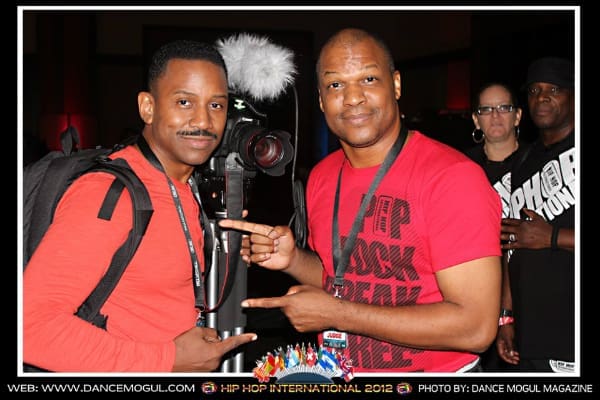
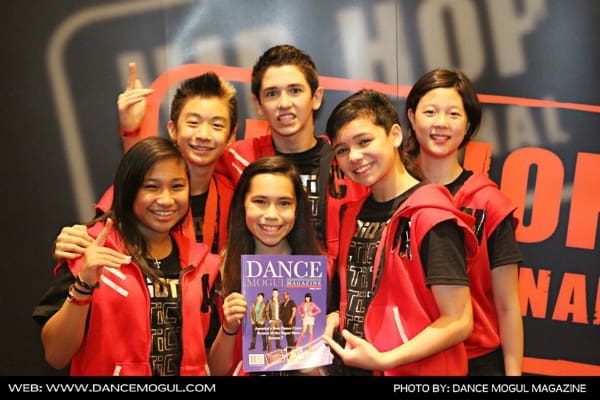
While much of mainstream media overlooked it, Dance Mogul Magazine was on the floor documenting this historic gathering of the world's street dance community — the photographs below are part of that first-hand coverage.
For more than two decades, one organization has done what no governing body in street dance ever managed before it: gather the world's best crews under one roof, judge them by a shared standard, and broadcast the results to the planet. That organization is Hip Hop International — and the championship it built remains, in spirit and in scale, the closest thing street dance has to an Olympics.
Hip Hop International (HHI) was founded in 2002 and is based in Los Angeles, California. From the beginning, its mission was twofold — to elevate competitive street dance into a globally recognized art form, and to give the crews who lived inside the culture a legitimate world stage. HHI produces several live and televised properties, including the World Hip Hop Dance Championship, the USA Hip Hop Dance Championship, the World Battles, and the World Moves dance workshops. Its co-founders, Howard and Karen Schwartz, also created the landmark MTV competition series America's Best Dance Crew, which carried street dance into millions of living rooms and turned crews like the JabbaWockeeZ and Quest Crew into household names.
When Dance Mogul Magazine first covered HHI in 2013, the organization was already recognized in more than 100 countries through its broadcasts on MTV and a web of international networks. More than a decade later, that reach has only deepened — and the story of how street dance went from the cypher to the world stage is worth telling again, with fresh eyes and current facts.
// Section 01The Original Coverage — 43 Nations in Las Vegas
The article that started this story captured a moment in motion. Street dance fans, dancers, and choreographers from a record 43 nations had turned out in full force for the USA and World Hip Hop Dance Championships in Las Vegas. The schedule was relentless — days and nights packed with elite competition, informative workshops taught by iconic choreographers, and nightly parties, all folded into a single week of nonstop excitement.
What made HHI different even then was its insistence on structure. The organization is represented around the world by official licensees who respect the origins of hip-hop and who conduct their events under HHI's authority. Those licensees run national qualifiers that determine which crews earn the right to represent their countries on the world stage — across Dance Crew, MiniCrew, Junior, Varsity, and the explosive large-format MegaCrew divisions, as well as the World Battles in Bboy, Popping, Locking, and All Styles. Dance Mogul Magazine was honored to cover HHI and feature the event, documenting a culture that was quietly building the institutions it had always deserved.
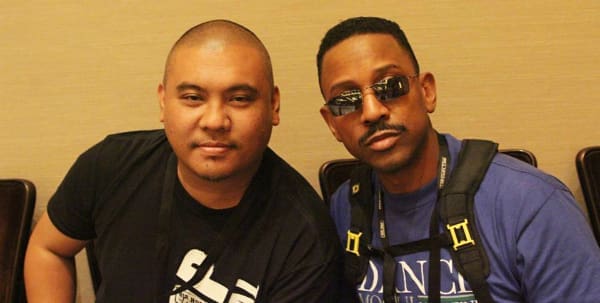
This matters more than a byline. At a time when major outlets paid little attention to competitive street dance, Dance Mogul Magazine showed up, camera in hand, and captured the energy of the floor as it happened. The images that follow are part of that archive — a record of a historic week that the wider press largely missed.
From the Floor — Las Vegas
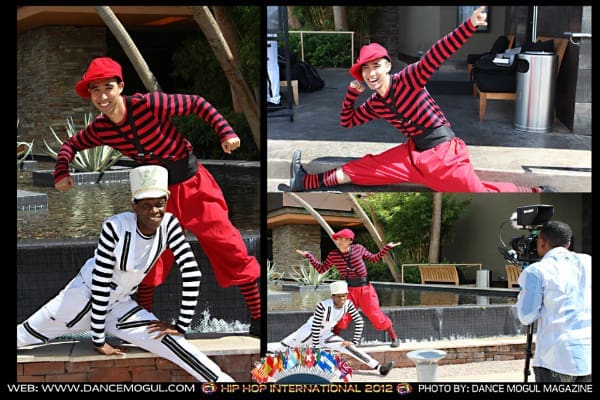
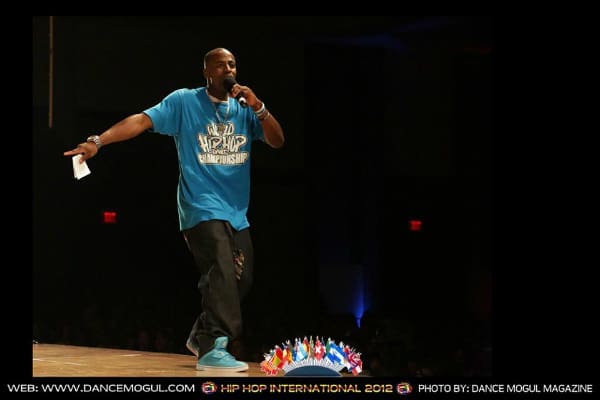
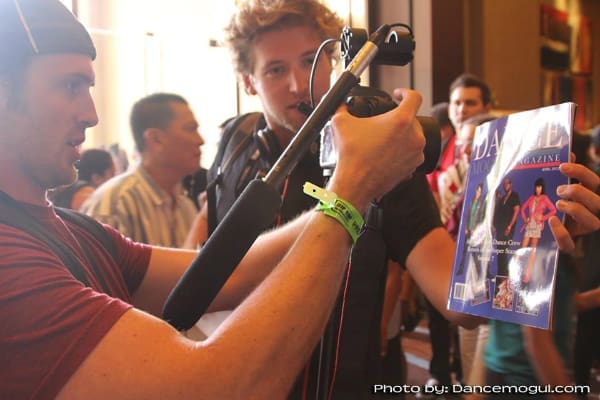
First-hand coverage of the USA & World Hip Hop Dance Championships.





// Section 02From Las Vegas to Phoenix: Where the Championship Stands Now
The competition has grown into what is widely described as the largest dance competition in the world, with more than fifty countries competing each year. It has run annually since its 2002 inception, pausing only in 2020 during the COVID-19 pandemic before roaring back to full scale.
The most recent World Hip Hop Dance Championship moved the action to the Arizona Grand Resort & Spa in Phoenix, Arizona, running from late July into the first days of August 2025. As always, the week opened with a Parade of Nations and rolled through preliminary, semi-final, and final rounds across every division. When the dust settled, the MegaCrew world title went to Legit Status of the Philippines, with Entity Dance Family of Spain taking silver and Kookies N Kream of Australia earning bronze — a podium that underscores just how global the championship has become.
Stateside, the USA Hip Hop Dance Championship continues to function as the gateway to Team USA, uniting crews from across the country in Los Angeles for the biggest weekend in American hip-hop dance. Winners earn the right to represent the USA at the following year's World Championship. Wrapped around the competition are the World Moves workshops — original sessions led by some of the most recognized and influential choreographers in the world — and the chance to meet, learn from, and socialize with the living legends and icons of hip-hop dance.
It is an experience of a lifetime — a place where a teenager from a small studio can share a floor with the icons who invented the moves they grew up imitating.
// Section 03When Street Dance Truly Became Olympic
For years, calling HHI "the Olympics of street dance" was a metaphor — an accurate one, but a metaphor all the same. Then the metaphor became literal. At the Paris 2024 Olympic Games, breaking made its official debut as an Olympic sport, with b-boys and b-girls competing for medals on the same global stage as track athletes and gymnasts. It was a watershed moment for a culture born in the parks and rec rooms of the Bronx in the 1970s.
It is worth being precise: Olympic breaking and the World Hip Hop Dance Championship are separate competitions with different formats and governing structures. Olympic breaking is a one-on-one battle discipline, while HHI's signature events are crew-based choreographed showcases. But the two share a lineage and a destination. Both are proof of the same truth — that street dance, long dismissed as informal or fringe, has earned its place among the most respected competitive art forms on earth. HHI helped lay that groundwork for more than twenty years, building the audiences, the standards, and the global pipeline that made a moment like Paris feel less like a surprise and more like an arrival.
The Legends We've Lost Since 2013
Any honest update to a story like this one must pause to honor the pioneers who shaped these dances and who have passed on since Dance Mogul Magazine first published this feature. The styles celebrated under the HHI banner — locking, popping, bboying, and the rest — did not appear from nowhere. They were invented, named, and carried forward by real people, and the culture owes them an unpayable debt.
The inventor of locking, Don Campbell created an entire foundational style of street dance almost by accident on a Los Angeles dance floor, then spent his life sharing it. He passed away in 2020 at the age of 69, leaving behind a vocabulary of movement that lives in every crew that locks a freeze into place.
A founding member of The Original Lockers and a star of the films Breakin' and Breakin' 2: Electric Boogaloo, Shabba-Doo helped carry street dance from the streets to the screen, inspiring a generation of dancers worldwide. He passed in December 2020 at 65.
A Soul Train dancer and a master and historian of waacking, Proctor was central to preserving and teaching the style for new generations across the globe. His passing in 2020 was a profound loss to the dance community he gave so much to.
Their names belong in the same breath as every world champion crowned on an HHI stage. To honor them more fully, explore The Legacy and our tribute to Soul Train Dancers here on Dance Mogul Magazine.
// Section 04How the Championship Works
For dancers and crews dreaming of the world stage, the path is clear and merit-based. National qualifications within each HHI affiliate country are conducted annually to determine who advances to the World Hip Hop Dance Championship and World Battles. Crews from countries without a qualifying event can contact Hip Hop International to request a special invitation. Everything runs under HHI's official rules and regulations, which keep judging consistent from one continent to the next.
What HHI Produces
- World Hip Hop Dance Championship — the #1 dance crew championship on earth, drawing 50+ nations.
- USA Hip Hop Dance Championship — the national qualifier that builds Team USA.
- World Battles — one-on-one and crew battles in Bboy, Popping, Locking, and All Styles.
- World Moves Workshops — original classes taught by elite global choreographers.
- Divisions — MiniCrew, Junior, Varsity, Adult, and the large-format MegaCrew.
// Section 05Why It Still Matters
More than a decade after Dance Mogul Magazine first walked the floor of an HHI championship, the organization's importance has only sharpened. In a world where street dance now lives on Olympic broadcasts, viral feeds, and stadium tours, HHI remains the institution that treated these dancers like world-class athletes before almost anyone else would. It gave crews a destination, gave nations a reason to invest in their youth dance programs, and gave the culture a shared standard of excellence to chase.
The teenagers who once watched HHI on MTV are now the choreographers, judges, and studio owners shaping the next generation. The crews who lifted trophies in Las Vegas paved the way for the ones who now compete in Phoenix and beyond. And the legends who built the foundation — many of them now gone — are remembered every time a young dancer steps onto an HHI stage and discovers that the dream is real, the path is open, and the world really is watching.
Dance Mogul Magazine will continue to document this culture as it grows — from the cypher to the championship to the Olympic podium. For more stories of the artists driving street dance forward, visit our Featured Artist page and read our Exclusive Interviews with the choreographers and dancers shaping the movement today.


