
Kebahb Glanville: Becoming Stronger by Inspiring Others — Then and Now
When Dance Mogul interviewed Kebahb Glanville in 2017, he spoke about training, mentorship, confidence and the business of dance. This expanded archive edition preserves that complete conversation and adds a look at the professional journey that followed.

Archives become powerful when they allow a publication to look backward and forward at the same time. In February 2017, Dance Mogul Magazine spoke with a young Kebahb Glanville about what inspired him to dance, how he stayed focused and what dancers needed to build sustainable careers.
At the time, he described a future built on continuous training, goal setting and a belief that dance should be understood as both an art and a profession. Nearly a decade later, his public career gives those early answers new weight. The interview now reads as more than a snapshot of an emerging dancer. It contains the blueprint of the creative professional he was working to become.
The complete 2017 Dance Mogul interview
Dance Mogul: What inspired you to start dancing?
Kebahb Glanville: I was inspired to dance at a very young age. The mere sound of music from TV commercials, videos, the radio or someone singing inspired me to move. These moves eventually became my way of expressing my thoughts in a more structured fashion as I began watching Janet Jackson, Usher and Chris Brown and trying to emulate their every step.
Dance Mogul: With everything going on in the world, how do you stay focused on your passion?
Kebahb Glanville: The way that I stay focused on my passion in this ever-changing world is through continuous training and goal setting. I keep my eye on the prize, as I know exactly where I want to be in the next couple of years.
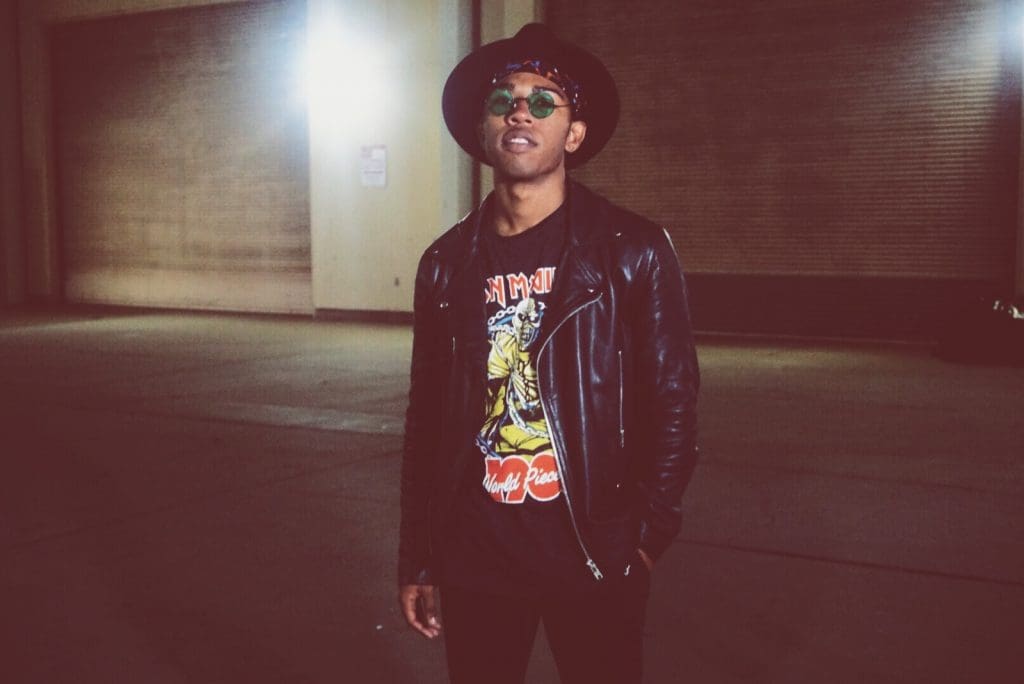
Dance Mogul: What are some of the things that concern you in society today when you think about your future?
Kebahb Glanville: My main concern in society today is the future of dance. It is imperative that dance is understood as a profession and art, and not a hobby. Therefore, I think it is so important to be a part of the next generation of dancers who not only show the passion but stress the business side of dance.
Dance Mogul: How can dance bring about change in today’s society?
Kebahb Glanville: Dance can bring change in today’s society through diversity, unity and storytelling.
Dance Mogul: What does the month of February mean to you?
Kebahb Glanville: The month of February means to me history, knowledge, hardships and celebrating success.
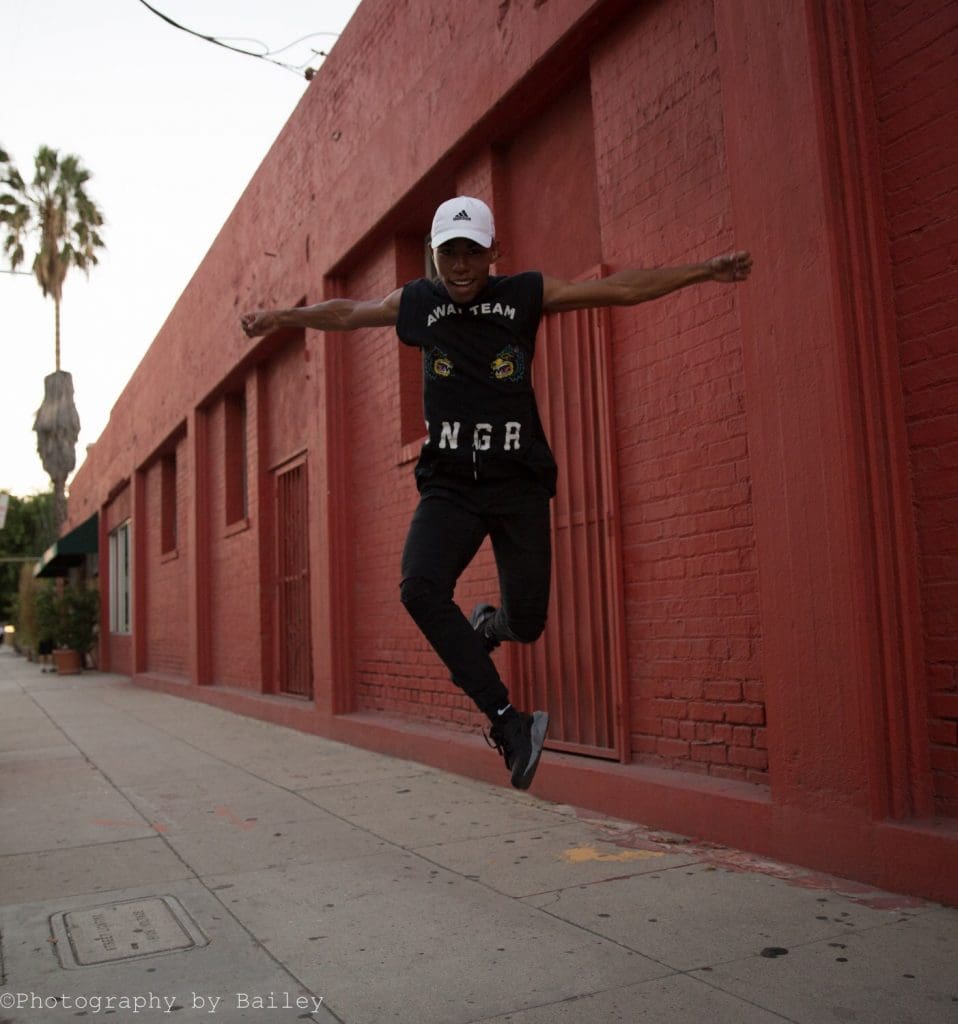
Dance Mogul: What are you currently working toward in 2017?
Kebahb Glanville: In 2017, I am currently working toward becoming a stronger dancer, artist and person. In addition, I want to inspire others to follow their dreams.
Dance Mogul: As a dancer, what can you say dancers need at this moment in time to help them be successful?
Kebahb Glanville: A support system that will encourage their goals and celebrate their achievements. I believe that dancers need to be appreciated more in the industry. Most dancers themselves need the confidence and drive to keep pushing. As an artist, you want to see growth each year and challenge yourself to do things that may seem impossible.
Dance Mogul: What advice do you have for younger dancers coming up behind you?
Kebahb Glanville: The advice I have for younger dancers is to truly understand your craft. Take time to educate yourself on all things that dance has to offer, including history, genres, important figures and how to move dance forward. If family and friends don’t understand your vision, don’t let that be an obstacle for your future. The sky is the limit when you believe in your gift.
“The sky is the limit when you believe in your gift.” — Kebahb Glanville, speaking with Dance Mogul in 2017
Dance Mogul: How important is mentorship to a dancer?
Kebahb Glanville: I think mentorship is a great resource for dancers trying to find their path. It helps a dancer to train harder, to create a vision and set goals.
Dance Mogul: Is there anyone you would like to thank for helping you on your journey thus far?
Kebahb Glanville: First and foremost, I would like to thank God. My faith has helped me stay focused. Additionally, I would like to thank my family for helping me through this journey throughout the tough times. I want to give a special thank you to my mom, who has taken the time to guide, encourage and motivate me to always give one hundred percent in life.
The early interview already contained the blueprint
The most revealing part of the 2017 conversation was not simply the list of artists who inspired Glanville. It was his awareness that longevity requires more than movement ability. He spoke about training, setting goals, understanding dance history, building a support system and learning the business side of the profession.
Those ideas are closely connected. Training develops the body, but professional growth also requires self-knowledge, relationships, resilience and an understanding of how the industry works. Glanville was already describing dance as a complete career ecosystem rather than a sequence of performances.
His answer about change also remains timely. Dance can build diversity, unity and storytelling because movement allows people to communicate across differences in language and background. Yet those possibilities are strongest when dancers are recognized as contributors, creators and professionals—not treated as interchangeable figures behind a headline artist.
From possibility to professional credits
Glanville’s public professional profile identifies him as a dancer, model and creative based in Los Angeles. It lists performance credits connected to artists and brands including Beyoncé, Rihanna, Normani, Missy Elliott, Ariana Grande, Lil Nas X, Becky G, Pepsi and PUMA, along with screen-platform work associated with Disney+, HBO Max, Netflix and Hayu.
Public cast listings also credit him as a dancer in the 2021 music video for Lil Nas X and Jack Harlow’s “Industry Baby.” These credits place him inside the large-scale commercial world that many young dancers imagine. The DMM archive, however, reminds readers that visible opportunities are usually preceded by years of classes, auditions, uncertainty, repetition, networking and self-definition.
That contrast is why an early interview matters. A résumé can show what happened, but the archive captures what the artist believed before the outcome was known. In 2017, Glanville was not speaking from the safety of hindsight. He was naming the habits and values he hoped would carry him forward.
The business of dance was never an afterthought
In the original interview, Glanville said the future of dance concerned him because the field needed to be respected as a profession. That observation remains relevant. Dancers are often highly visible in a finished performance while the labor behind their work remains hidden: auditions, agent relationships, contracts, travel, rehearsals, physical upkeep, content creation and constant retraining.
His development offers a useful example for emerging dancers because it connects artistry to professional readiness. The goal is not merely to become talented enough to be noticed. It is to become prepared enough to deliver when an opportunity arrives, informed enough to understand what the opportunity requires and grounded enough to continue after the applause ends.
The business side of dance also includes knowing one’s value, maintaining professional relationships, understanding credit and compensation, and planning for a career that may expand beyond performing. Glanville’s public movement across dance, modeling and broader creative work reflects the multi-hyphenate path that many contemporary artists now build.
Training without losing identity
In later independent profiles, Glanville described himself through his movement, commitment to art and inner drive. That language is consistent with the person DMM interviewed in 2017. Commercial dancers must be adaptable, but adaptation is strongest when it does not erase the qualities that make a performer distinct.
The challenge is to learn new movement languages while retaining personal rhythm, presence and point of view. A dancer may be asked to move between live stages, music videos, television, branded campaigns and digital content. Each setting demands flexibility, but lasting creative identity comes from understanding what the artist brings to every setting.
Glanville’s early answer about studying history also belongs here. Dancers who understand the people, communities and conditions that shaped their movement are better prepared to make informed choices. Technique can teach what to do. History helps explain why the movement exists, whose experiences it carries and what responsibility comes with performing it.
Mentorship remains part of the story
The original interview asked how important mentorship is to a dancer. Glanville described it as a resource that can help performers train harder, form a vision and set goals. That answer becomes even more meaningful when viewed from the present.
Mentorship does not always arrive through one permanent teacher. It may come from class communities, working choreographers, agents, peers, family members and artists who model a professional standard. The best mentors do more than provide access. They help a young artist recognize patterns, prepare for decisions and recover from disappointments without losing direction.
Glanville specifically thanked his faith, family and mother for guidance, encouragement and motivation during difficult periods. That acknowledgment reinforces another message from the interview: individual ambition is often sustained by a community. Talent may belong to the dancer, but endurance is frequently strengthened by people who believe in the journey before the industry responds.
Why updating the original article matters
This expanded edition keeps the original interview on its original URL rather than separating the archive from the outcome. Readers can encounter Glanville’s 2017 voice first and then see how the ideas in that conversation connect to later professional credits.
The approach also preserves the historical role of Dance Mogul Magazine. Dance media does more than report finished achievements. It records artists while they are still naming their goals, developing their language and building the confidence to enter larger spaces. Years later, those early conversations can reveal how intention becomes direction.
An updated archive should never pretend that a new interview occurred when it did not. Instead, it should clearly distinguish the original conversation from later public information. That transparency protects both the artist and the publication while allowing an older story to become useful to a new generation of readers.
What younger dancers can take from the journey
- Name the profession clearly. Treat dance as work worthy of education, preparation, fair credit and business knowledge.
- Build repeatable discipline. Motivation changes, but training systems and measurable goals create continuity.
- Study the culture. Knowing dance history, genres and important figures strengthens artistic choices and professional respect.
- Protect your identity while adapting. Versatility is valuable, but a dancer’s individual presence is what makes that versatility memorable.
- Develop more than one creative lane. Performance, modeling, directing, teaching and digital creation can support a broader career.
- Value mentorship and support systems. Guidance, encouragement and honest feedback can help dancers continue through difficult stages.
- Keep a record of the early years. Today’s interview, rehearsal image or local performance may become tomorrow’s cultural archive.
A message that grew with the artist
The title of the original article—“Becoming Stronger by Inspiring Others”—still fits. In 2017, it described an intention. Glanville wanted to grow as a dancer, artist and person while encouraging younger performers to believe in their own gifts. The years that followed added professional context to that intention.
Success in dance is rarely a straight line, and a public credit list cannot tell the entire story of an artist’s life. Still, the distance between the emerging dancer captured in the DMM interview and the later creative work visible in his public profile offers a meaningful lesson. Goals spoken early can become anchors. Training can turn possibility into readiness. Mentorship can turn uncertainty into direction. And an artist’s belief in the value of dance can remain steady even as the scale of the stage changes.
For Dance Mogul Magazine, this is why the archive must remain alive. The purpose is not simply to preserve the past. It is to reconnect earlier voices with the futures they were trying to build—and to give today’s dancers evidence that growth often begins long before the wider world can see it.
Frequently asked questions
Who is Kebahb Glanville?
Kebahb Glanville is a professional dancer, model and creative whose public profile lists work connected to major music artists, brands and entertainment platforms.
When did Dance Mogul first interview Kebahb Glanville?
Dance Mogul Magazine published its original interview with Glanville on February 15, 2017. This expanded edition preserves that interview and adds researched career context.
What did Kebahb Glanville say dancers need to succeed?
He emphasized continuous training, goal setting, confidence, a strong support system, knowledge of dance history, mentorship and an understanding of the business side of dance.
Is this a new interview with Kebahb Glanville?
No. The question-and-answer section is DMM’s original 2017 interview. The additional sections are a researched archive update based on publicly available career information.
Why was the original article expanded?
The article was expanded to preserve the historical interview while giving readers enough current context to understand how Glanville’s early goals connect with the creative work that followed.
Sources and further reading
- Dance Mogul Magazine — original 2017 Kebahb Glanville interview
- Kebahb Glanville — public professional profile
- CanvasRebel — Meet Brian “Kebahb” Glanville
- VoyageLA — Meet Kebahb Glanville
- IMDb — “Industry Baby” cast credits