LIFE PLANNING & LEGACY
Living a Life Worth Passing On
Character and knowledge outlive capital. Legacy is built this week, in the people around you.
By Dance Mogul Magazine | Beyond Wealth

When a beloved elder passes, families rarely gather to talk about the size of the estate. They tell stories. They repeat the sayings. They remember how the person made a room feel, what they stood for when it was inconvenient, the lesson they gave that someone has carried for forty years. Whatever money changes hands, the inheritance people actually speak of is almost always something else entirely.
That gap — between what we spend our lives accumulating and what the next generation actually keeps — is the quiet subject this whole series has been circling. We began with a person at a kitchen table wondering where their life was leading. We end here, with the question underneath all the others: what will remain because you were here?
Why This Matters Right Now
Legacy sounds like a word for the old and the wealthy — something handled by lawyers near the end. That framing costs people decades. Because legacy is not primarily a document signed late in life. It is the accumulated result of how you live this week: what you teach, what you model, whose life you strengthen, what knowledge you bother to pass along before it is lost.
Understood that way, everyone is building a legacy already, at every age and every income, whether or not they are paying attention. The only real choice is whether it happens on purpose. And the good news that runs through this entire collection holds here too: you can begin deliberately today, with something small, exactly where you are.
“We inherit three things — money, knowledge, and character. Most people spend a lifetime increasing the first while accidentally losing the other two.”
The Three Inheritances
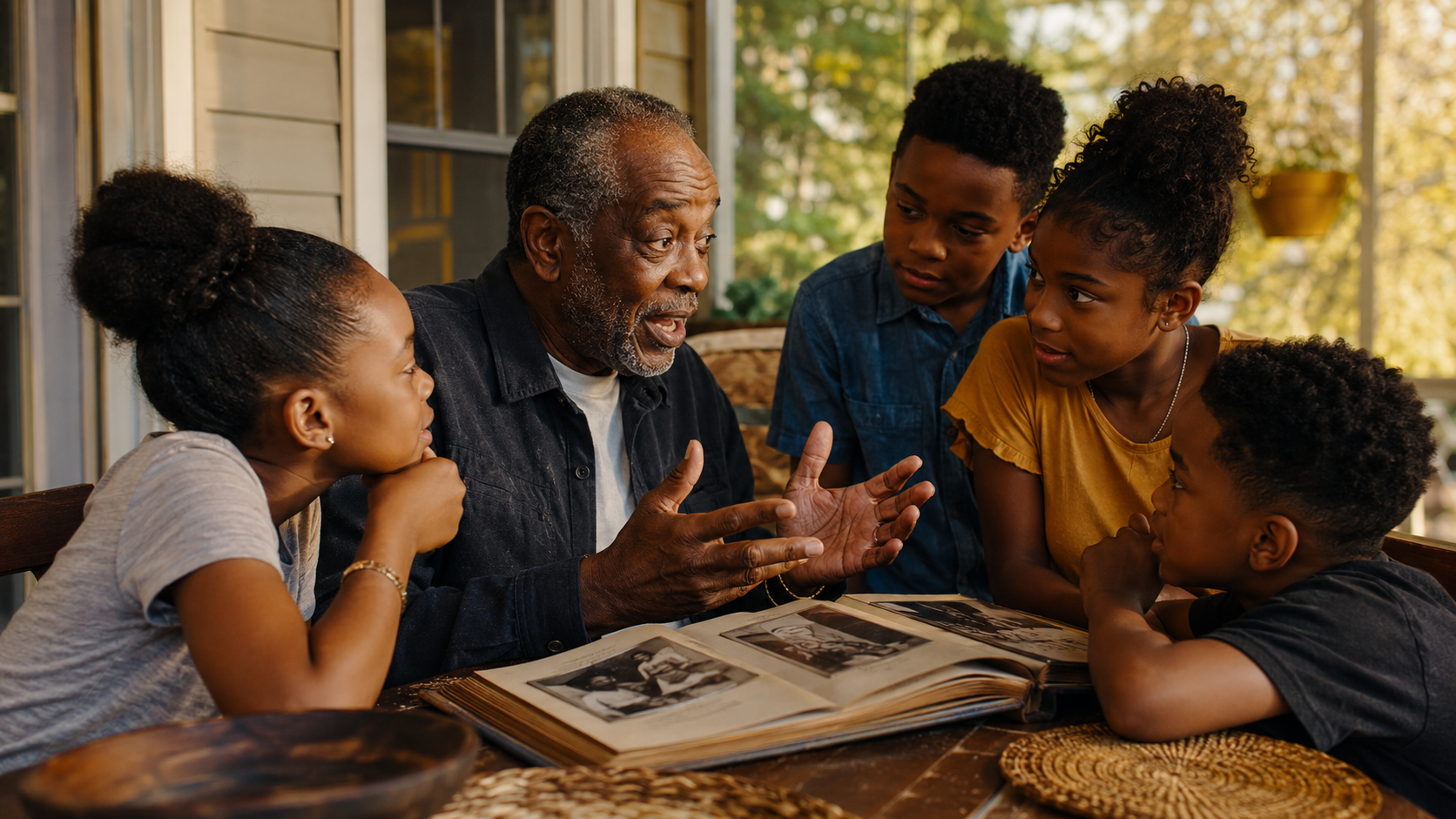
Return to the idea that has run beneath every article in this series. Each generation hands the next three distinct kinds of inheritance, and they are not equally durable.
Money is the most visible and the least stable. It can be spent, lost, taxed, divided, or mismanaged in a single generation, and history is full of fortunes that vanished within one. This is not a reason to dismiss it — a real inheritance of resources can change a family’s trajectory — but it is a reason not to mistake it for the whole.
Knowledge is more durable. A skill taught, a hard-won lesson shared, a way of thinking passed down — these do not diminish when used, and they cannot be lost in a downturn. A grandparent who teaches a grandchild to fix, to cook, to negotiate, or to persevere has given something no market can erase.
Character is the most durable of all, and the most quietly transmitted. It is caught more than taught — absorbed from how you treat people when nothing is at stake, how you handle a setback, whether your word means anything. Children learn it long before they can name it, and they carry it furthest.
The whole series in one line
Money secures a life. Knowledge equips a life. Character shapes a life. A person who leaves only the first has, in the deepest sense, left the least — and a person of modest means who leaves the other two has left a fortune that cannot be spent.
Three Misreadings of Legacy
"I don't have enough to leave a legacy."
This confuses legacy with money, and the two are only loosely related. The most valuable things you can pass on — a skill, a standard, a story, a steadying presence — cost nothing and are available to everyone. If you have taught one person something true or shown one child what integrity looks like under pressure, you have already begun. Choose one thing worth passing on and hand it to one person this month.
"Legacy is something I'll deal with when I'm older."
The knowledge and character worth passing on are transmitted continuously, across a whole life, not deposited at the end of one. The mentor you become at thirty, the example you set at forty, the stories you record at fifty — these are the inheritance, delivered in real time. Waiting for ‘older’ risks losing the very things — a parent’s memories, a mentor’s guidance — that cannot be recovered once the window closes.
"If I focus on legacy, I'm just thinking about death."
The opposite is true. Thinking about what you want to pass on is one of the most life-giving questions a person can ask, because it clarifies what matters now. People who live with legacy in mind tend to invest more in relationships, share more freely, and hold their days more deliberately. It is not morbid. It is a way of taking the present seriously.
What the Dance Community Already Knows About This
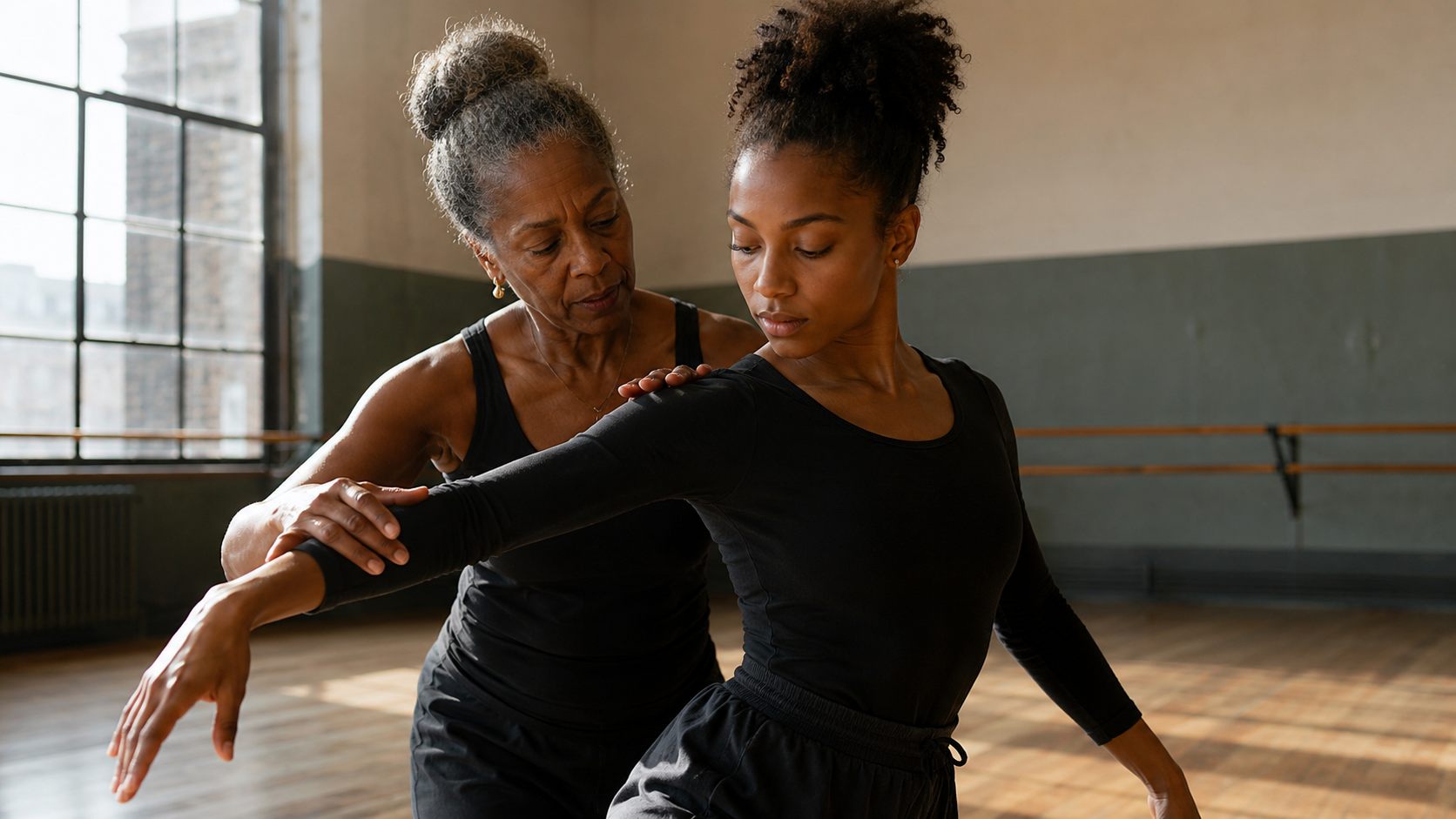
There may be no clearer picture of legacy than a dance form being passed from one body to another. A style survives only because someone who carries it takes the time to place it, deliberately, into someone younger — a step, a feeling, a history, transferred hand to hand across generations. Nothing about it is automatic. A form that is not taught simply ends, no matter how brilliant the dancers who once held it.
This is legacy in its most honest form: not a possession handed down, but a living thing kept alive by the choice to teach it. The choreographers and educators across the traditions we document at Dance Mogul Magazine understand that their real inheritance is their students, and that a form only outlives them if they invest in the people who will carry it. That same conviction shapes our Family Interplay Guide, which is about exactly this — how one generation deliberately hands its best to the next.
You do not have to be a choreographer to live this way. Every family, trade, and community has forms worth passing on — recipes, values, skills, stories. Dancers simply make the act of transmission visible, and their deliberateness about it is the whole lesson of this series made physical.
Reflection
- What do I most want the people closest to me to carry after I am gone?
- Which of the three inheritances have I been building, and which have I neglected?
- Whose knowledge or story in my family might be lost if no one records it soon?
- Who is watching how I handle setbacks, and what are they learning?
- What is one thing worth passing on that I could hand to one person this month?
Legacy is not a distant project. It is the direction of an ordinary week, chosen on purpose.
Talk About It With Your Family
- What do we hope people say about how our family lived?
- Which stories or lessons must not be lost with us?
- What knowledge or skill should we deliberately pass to the youngest among us?
- Who in our family holds memories we have never recorded?
- What kind of character do we want to be known for — and are we modeling it?
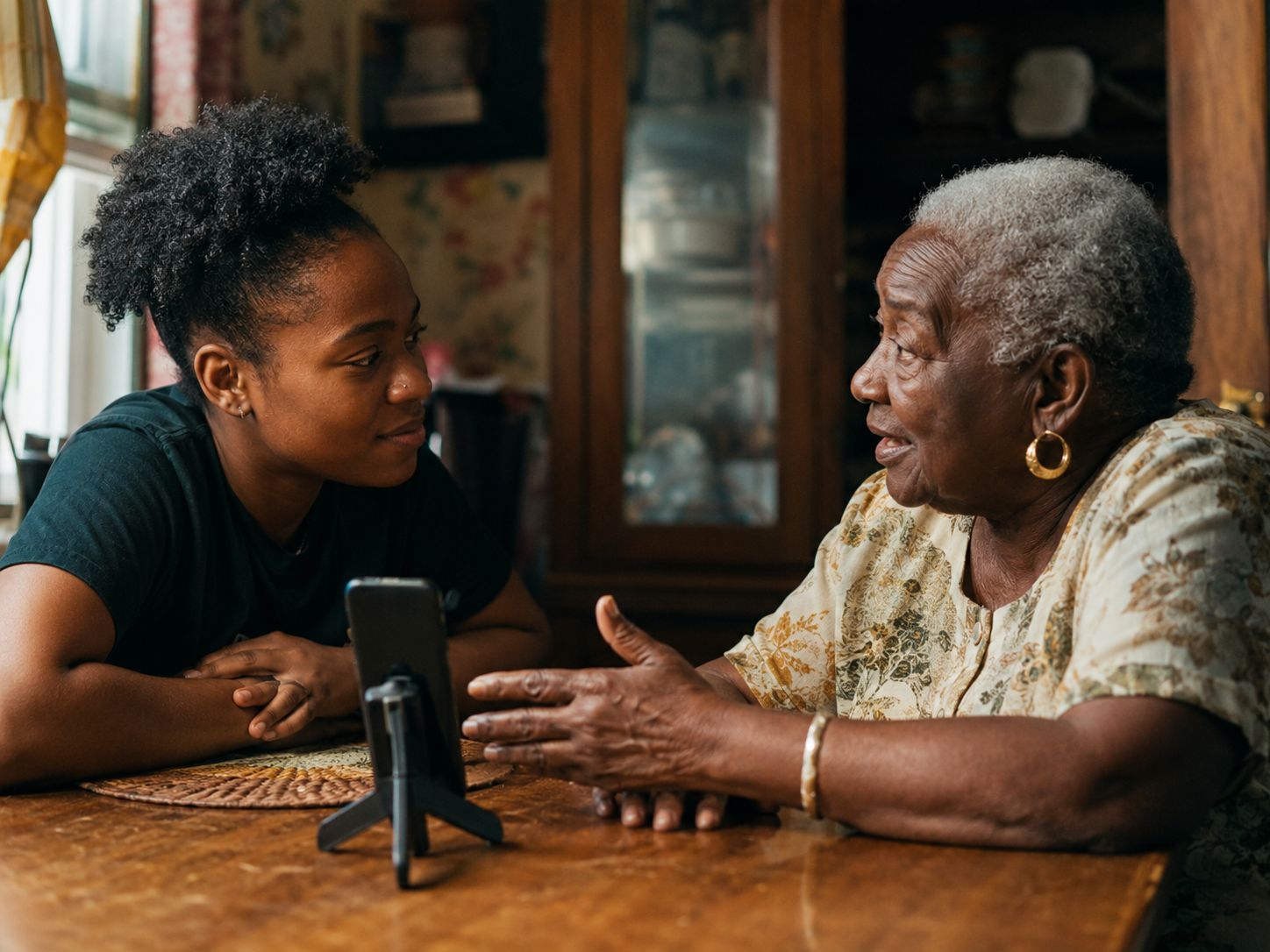
Your Small Action Step: Record One Story
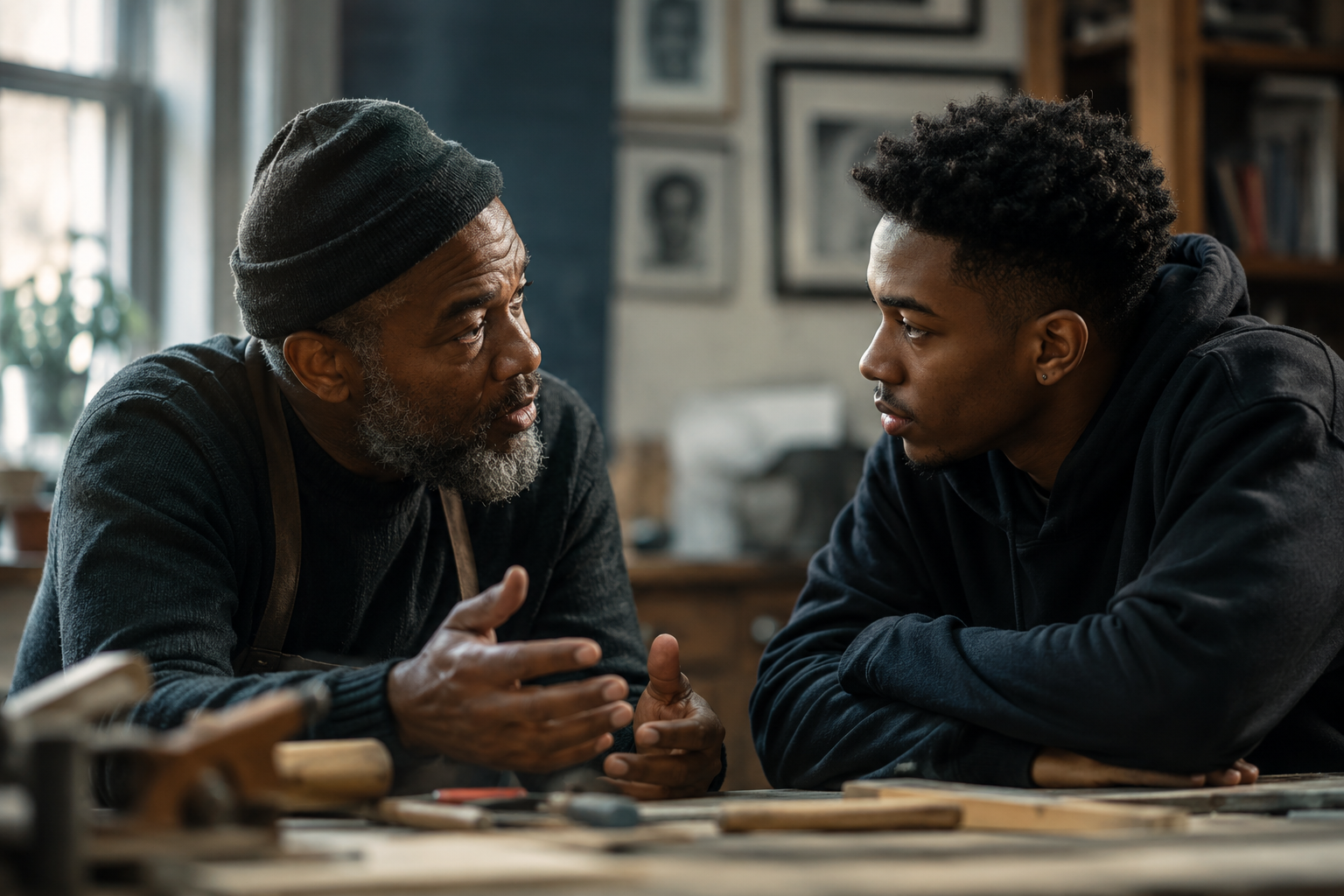
Choose one older person in your life and ask to record a single story — twenty minutes, one memory, one lesson. Ask how they met someone they loved, the hardest season they came through, or the advice they wish they had taken. Do not wait for the perfect occasion. The stories worth keeping are lost not to disaster but to postponement, and this is one form of wealth that becomes unrecoverable the moment the window closes.
Download the free Record One Story interview script →
Key Takeaways
- Families remember character and knowledge far more than they remember money.
- Legacy is not a late-life document; it is the accumulated result of how you live now.
- Money is the least durable inheritance; knowledge is more durable; character is the most.
- The most valuable things to pass on cost nothing and are available at any income.
- Some inheritances — a memory, a mentor’s guidance — are lost forever if postponed too long.
- Living with legacy in mind clarifies what matters in the present; it is life-giving, not morbid.
Frequently Asked Questions
Do I need wealth to leave a meaningful legacy?
No. The most durable inheritances — knowledge, character, relationships, and stories — cost nothing and are available at every income. Money can be part of a legacy, but it is neither the largest nor the most lasting part.
Isn't it too early to think about legacy?
It is rarely too early. The knowledge and character worth passing on are transmitted continuously across a whole life, and some of what matters most — a parent's memories, a mentor's guidance — can be lost if it waits too long.
What is the difference between an inheritance and a legacy?
An inheritance is what people receive; a legacy is the fuller imprint of how you lived — the lessons, examples, and relationships that outlast you. This article treats money, knowledge, and character as three inheritances that together form a legacy.
How do I begin passing on knowledge or values on purpose?
Start small and specific: teach one skill, record one story, or mentor one person. Deliberate transmission, repeated over time, is how forms, families, and communities keep their best alive.
Should legacy involve legal or estate planning?
The practical and legal side of passing on assets is real and worth doing, but it is exactly the area to handle with a qualified attorney or advisor. This article focuses on the values, knowledge, and communication that no document can capture.

The Journey Continues: Collection Two
This is the close of the Foundations collection — but not the end of the library. We started with a single question at a kitchen table and arrived at the three things every generation inherits. The next collection, Family Foundations, turns from the individual life to the shared one: marriage and money, raising financially grounded children, caring for aging parents, and the conversations that hold a family together across generations. The road keeps going, and there is always somewhere next to go.
The Beyond Wealth Foundations Path
- 1. Why Life Planning Matters
- 2. Redefining Wealth Beyond Money
- 3. Time: Your Most Valuable Investment
- 4. Building Stability Before Building Riches
- 5. Living a Life Worth Passing On ← you are here

Dance Mogul Magazine publishes the Beyond Wealth collection for educational and inspirational purposes. It is not financial, legal, tax, medical, or mental-health advice, and it is not a substitute for guidance from a licensed professional who knows your situation. The people described in the examples are composites created for illustration and do not represent real individuals.
© 2026 Dance Mogul Magazine LLC | dancemogul.com | Inspiring Self-Empowerment Through Dance Culture