
How to Find a Mentor
Mentors are found by showing up, being useful, and asking well, rarely by a single grand request.

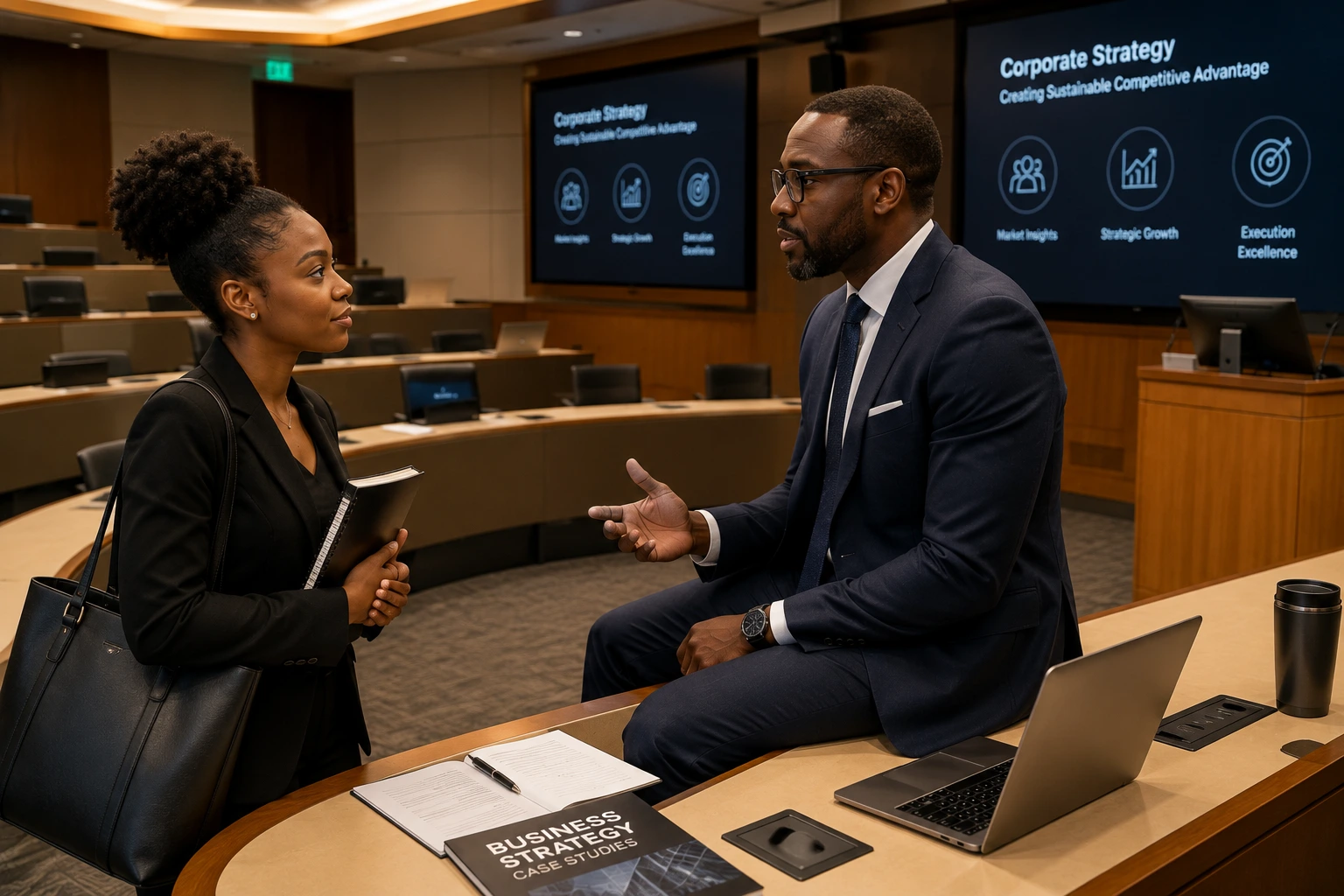
This is a story about how to find a mentor, and it starts with the hardest part, a nervous person walking up to someone they admire and simply saying hello.
No grand speech, no formal request. Just an introduction, a good question, and genuine interest. That small, brave moment is how most real mentorships actually begin, not with a dramatic ask but with a first conversation that quietly grows into something more.
Most people who want a mentor never get one, and it is rarely because mentors are unavailable. It is because they are waiting, for the right mentor to appear, for permission, for the courage to make a request they have built up in their minds into something enormous.
This article is about how mentorship actually forms, and how to find a guide without the awkward, oversized ask that stops so many people before they start.
Why This Matters Right Now
There is a common fantasy of how mentorship begins, a formal moment where you ask someone to be your mentor and they solemnly agree to take you under their wing. That version does happen, but it is the exception, and waiting for it causes many people to never seek guidance at all.
In reality, most mentorships grow organically. They start with a good question after a class, a thoughtful message, a shared interest, a small interaction that goes well and leads to another. The relationship deepens gradually as trust builds, until one day you realize the person has become a mentor, without either of you ever using the word. Understanding this takes the pressure off and makes finding a mentor far more approachable.
It also shifts what you focus on. Instead of hunting for the perfect mentor to make a big request of, you focus on showing up where wise people are, being genuinely useful and teachable, and starting small relationships that can grow. Mentorship found this way is more natural, more durable, and far more available than the intimidating formal version most people are waiting for.
Most mentorships do not begin with a grand request. They begin with a good question and a first conversation that grows.
From Finding a Mentor to Starting a Relationship
Most of the paralysis around getting a mentor comes from one frame, that you must find a mentor, identify the perfect person and secure a formal commitment from them, which feels enormous and presumptuous.
Trade it for a gentler one. You are not finding a mentor, you are starting a relationship. And relationships start small, with a question, a conversation, a follow-up, and grow over time. No one has to agree to a title on day one. You are simply beginning something and letting it become what it becomes.
Defined that way, the intimidating quest dissolves into a series of small, doable steps. You do not need the courage for a grand ask. You need only the willingness to start a conversation and be worth continuing it with.
Five Ways to Find a Mentor
Finding a mentor is less about the perfect ask and more about these five approachable moves.
- Go where they are. Mentors are found in the places where experienced people gather, classes, workshops, communities, events, and online spaces around your interest. Put yourself in those rooms consistently, because you cannot connect with guides you never get near.
- Ask a good question, not for a commitment. Instead of the heavy will you be my mentor, ask a specific, thoughtful question about something they know. Good questions open doors and start conversations, and they are how most mentoring relationships quietly begin.
- Be worth mentoring. Do the work, follow up on advice, and show that investing in you pays off. People are drawn to mentor those who are teachable and take action, because it is rewarding. Your effort is what turns a one-time conversation into an ongoing relationship.
- Start small and let it grow. Do not try to lock in a lifelong mentorship on the first meeting. Let the relationship develop naturally through repeated small interactions, and it will deepen on its own as trust and rapport build over time.
- Give back, and make it worth their while. Mentorship is a relationship, not a one-way extraction. Show gratitude, help where you can, and be someone they enjoy investing in. The best mentees give something back, even if it is only appreciation, energy, and the satisfaction of seeing their guidance bear fruit.
Three Beliefs That Keep People Mentorless
“I have to formally ask someone to be my mentor.”
The formal ask is the exception, not the rule, and treating it as required stops many people before they start. Most mentorships grow from small interactions that build over time, no title required. Focusing on starting a relationship rather than securing a commitment makes the whole thing far more natural and far more likely to actually happen.
“They're too busy or important for me.”
Experienced people are often more willing to help than we assume, because most of them had mentors themselves and remember it, and because being asked a good question is flattering, not burdensome. You are not imposing by showing genuine interest and asking thoughtfully. Many potential mentors are simply waiting for someone worth investing in to show up, and assuming they are unreachable guarantees you never find out.
“I have nothing to offer someone like that.”
You have more to offer than you think, your energy, your teachability, your fresh perspective, and the deep satisfaction mentors get from seeing their wisdom bear fruit. Mentorship is not purely a favor to you; good mentors genuinely enjoy it. Believing you bring nothing to the relationship undersells what mentees give and keeps you from ever starting.
Three People, Three First Steps
The following are composites created for illustration — not real individuals — but the situations will feel familiar.
Tenzin asked one good question after class. Instead of a big request, he lingered after a workshop and asked the instructor one specific, thoughtful question. That led to a short conversation, then another, then coffee. Months later the instructor was unmistakably his mentor, and neither of them had ever formally discussed it. It began with a single good question.
Priya sent a sincere first message. She admired someone's work and, rather than asking them to mentor her, wrote a careful, genuine message about something specific she had learned from them and one thoughtful question. The sincerity stood out. A reply came, then a dialogue, and a real relationship grew from a single well-crafted note.
Marcus found his through a shared interest. At a hobby meetup he bonded with someone far more experienced over their common craft. There was no mentorship agenda, just genuine shared passion. But the relationship naturally became one of guidance, because he showed up consistently, listened, and applied what he learned. The best mentor he ever had started as a friend over a shared table.

What the Dance Community Already Knows About This
At Dance Mogul Magazine, we hear the origin stories constantly, and they almost never begin with a formal request. A young dancer lingered after class, asked a question, showed up again and again, made themselves useful, and a mentorship grew. The relationships that shaped careers usually started as small, brave first conversations.
Across the styles and communities we cover, mentorship forms through presence and persistence, not paperwork. That understanding of how real guidance begins runs through the whole Beyond Wealth collection.
You do not need a stage or an introduction to find a guide. You need only to show up where wise people are and start a conversation worth continuing. Dancers simply learned early that mentors are found by presence and good questions, not by grand requests, and that the first small step is the whole secret.
You do not need the courage for a grand ask. You need only the willingness to start a conversation and be worth continuing it with.
Reflection
Take a few quiet minutes with these.
- Where do the wise people in my field actually gather, and am I showing up there?
- What good question could I ask someone I admire this week?
- Am I someone a mentor would find rewarding to invest in?
- Have I been waiting for a formal mentorship instead of starting small?
- Who have I assumed is too busy or important to bother, perhaps wrongly?
- What could I offer or give back in a mentoring relationship?
Talk About It With Your Family
- Where could each of us go to meet potential mentors?
- What good questions could we be asking the wise people around us?
- Have we been too shy to start relationships that could guide us?
- Who do we admire that we have never actually reached out to?
- How can we support each other in taking that first brave step?

Your Small Action Step: A Mentor Outreach Plan
Take one page. Name one person you would love to learn from, and where you could actually cross paths with them, a class, an event, an online space, a message.
Then write the one good question you will ask them, not a request for commitment, just a thoughtful opener, and set a date to do it this month. Finding a mentor starts with one first conversation.
Key Takeaways
- Mentors are found by showing up and asking well, not by a single grand request.
- Most mentorships grow organically from small interactions that build over time.
- You're not finding a mentor; you're starting a relationship that can grow.
- Go where they are, ask a good question, and be worth mentoring.
- Experienced people are often more willing to help than we assume.
- You have more to offer a mentor than you think, starting with teachability.
Frequently Asked Questions
Do I have to formally ask someone to be my mentor?
Rarely. The formal ask is the exception, and treating it as required stops many people before they start. Most mentorships grow from small interactions that build over time, no title needed. Focus on starting a relationship rather than securing a commitment.
Aren't the people I'd want as mentors too busy for me?
Often less than you'd think. Most experienced people had mentors themselves and remember it, and a thoughtful question is flattering rather than burdensome. Many are quietly waiting for someone worth investing in to show up. Assuming they're unreachable guarantees you never find out.
What could I possibly offer an experienced mentor?
More than you assume, your energy, teachability, fresh perspective, and the real satisfaction mentors get from seeing their wisdom bear fruit. Good mentors genuinely enjoy mentoring. Believing you bring nothing undersells what mentees give and keeps you from starting.
What should I say instead of 'will you be my mentor'?
Ask a specific, thoughtful question about something they know. Good questions open doors and start conversations, which is how most mentorships actually begin. A genuine question about their expertise is far more effective, and less intimidating, than a heavy formal request.
How do I turn one conversation into an ongoing relationship?
Be worth mentoring: do the work, follow up on advice, and show that investing in you pays off. Let it grow through repeated small interactions rather than forcing a big commitment. People keep investing in mentees who are teachable and take action.
Where do I even meet potential mentors?
Where experienced people gather, classes, workshops, communities, events, and online spaces around your interest. Put yourself in those rooms consistently. You can't connect with guides you never get near, so presence is the first and most important step.

Next in This Collection: Becoming Someone Worth Following
The Mentorship path continues, and each piece builds on the last.
The next article, “Becoming Someone Worth Following,” carries the thread forward.
- Why Everyone Needs a Mentor
- How to Find a Mentor — you are here
- Becoming Someone Worth Following
- Mentoring the Next Generation
- The Ripple Effect of Mentorship

Dance Mogul Magazine publishes the Beyond Wealth collection for educational and inspirational purposes. It is not financial, legal, tax, medical, or mental-health advice, and it is not a substitute for guidance from a licensed professional who knows your situation. The people described in the examples are composites created for illustration and do not represent real individuals.
© Dance Mogul Magazine. All rights reserved.