
Dance Mogul Magazine · From the Archive · Street Performance
Float Master John: The Underground Dance Railroad of a New York Street Legend
He danced for money on 14th Street in 1978, invented his own floats, performed in Mexico and Morocco, lost years to the street, and came back to dance and mentor. His full biography, from our 2014 archive.
Originally published February 12, 2014 · Updated November 12, 2026 · Dance Mogul Magazine
Save it and come back to this story anytime.
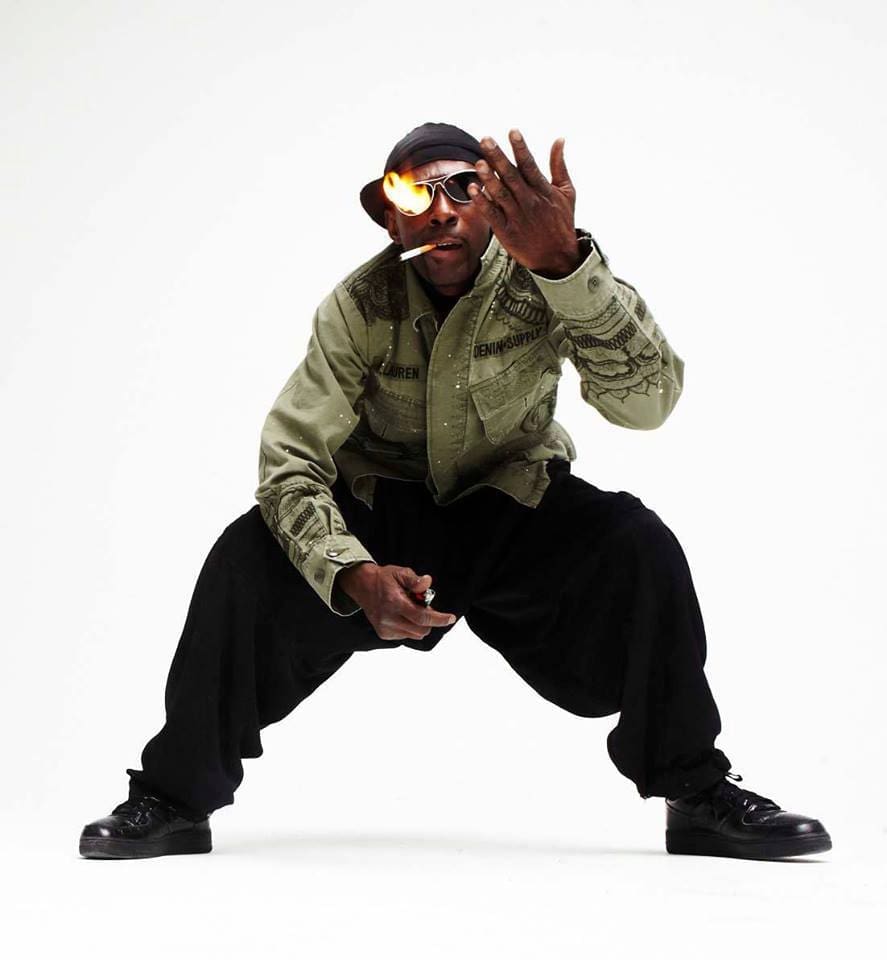
File // At a Glance
Name — Float Master John
Born — October 1964; raised in the George Washington Carver Houses, Harlem, from 1970
Signature — “Floating” — a fast, silent glide with the foot fully off the floor; forward, side, 3D and swivel floats
Crew — The Hitters; later a crew with Clown and their mentee Robby
Big gigs — Dr. John’s “Jet Set” video; a Puma commercial in Mexico; a concert in Casablanca, Morocco (1985)
Turning point — Returned to dancing for good in 2007 and began mentoring young street dancers
1978
First street show, 14th Street
$2,000
Puma commercial, his top early paycheck
1.5
Years living in Morocco
2007
The year he came home to dance
Why This Story Still Matters
Every subway and street performer in New York stands on ground that people like Float Master John broke. He started dancing for money on 14th Street in 1978, helped invent a hit-and-run style of street show, and turned a body that was double-jointed into a signature move nobody could copy.
His story is not a clean one, and that is why it matters. The biography DMM published in 2014 tells it straight: early fame, travel, a fall into the drug epidemic of the 1980s and prison, and a decision to come back to dance and teach young people how to avoid the same traps. It is reproduced in full below.
The 2014 Story: Our Original Feature
From the DMM Archive · February 12, 2014
Dance Mogul Magazine Exclusive…
Born in October of 1964 John caught the dancing bug at an early age. He was told by his mother whenever music came on he couldn’t stop dancing even as a 3-year-old child. He would dance to the point where he would almost fall off the bed. It must have been in his blood. His father was a collector of music and played 45’s out the window so the entire neighborhood can hear it. This was in the late ’60s before there was such thing as a D.J. He would place his speakers outside and play music all day long as he sold items. This is the way his mother and father met. He would play records like “the horse“ and “the grind” among other popular records of the late ’60s. His family spent time moving around New York looking for safe housing. Many buildings back then didn’t have smoke alarms and thus the buildings would catch on fire. They moved around for a short period of time to find a safe place to live before settling at the George Washington Carver Houses on 106th street and Park Ave in Harlem. the year was 1970. This is where his dance life began. Around this time he met a friend in school named Wayne who later became known as Wayne Blizz along with Darryl Nilly. Poe Boy, Douglas Walker (Flex). And his brother Will. Wayne mostly taught him how to break. John was a very thin kid who could not put on weight so this gave him an advantage in terms of speed. He did mostly breaking up until around 74’. It was around 1978, one day john along with his brother Will accompanied their mother to the Mays department store on 14th street. Along the way there a store was playing music. The song “Soul Makossa “blared loudly outside of an electronics store that was close by. He and his brother began to dance just for the fun of it.
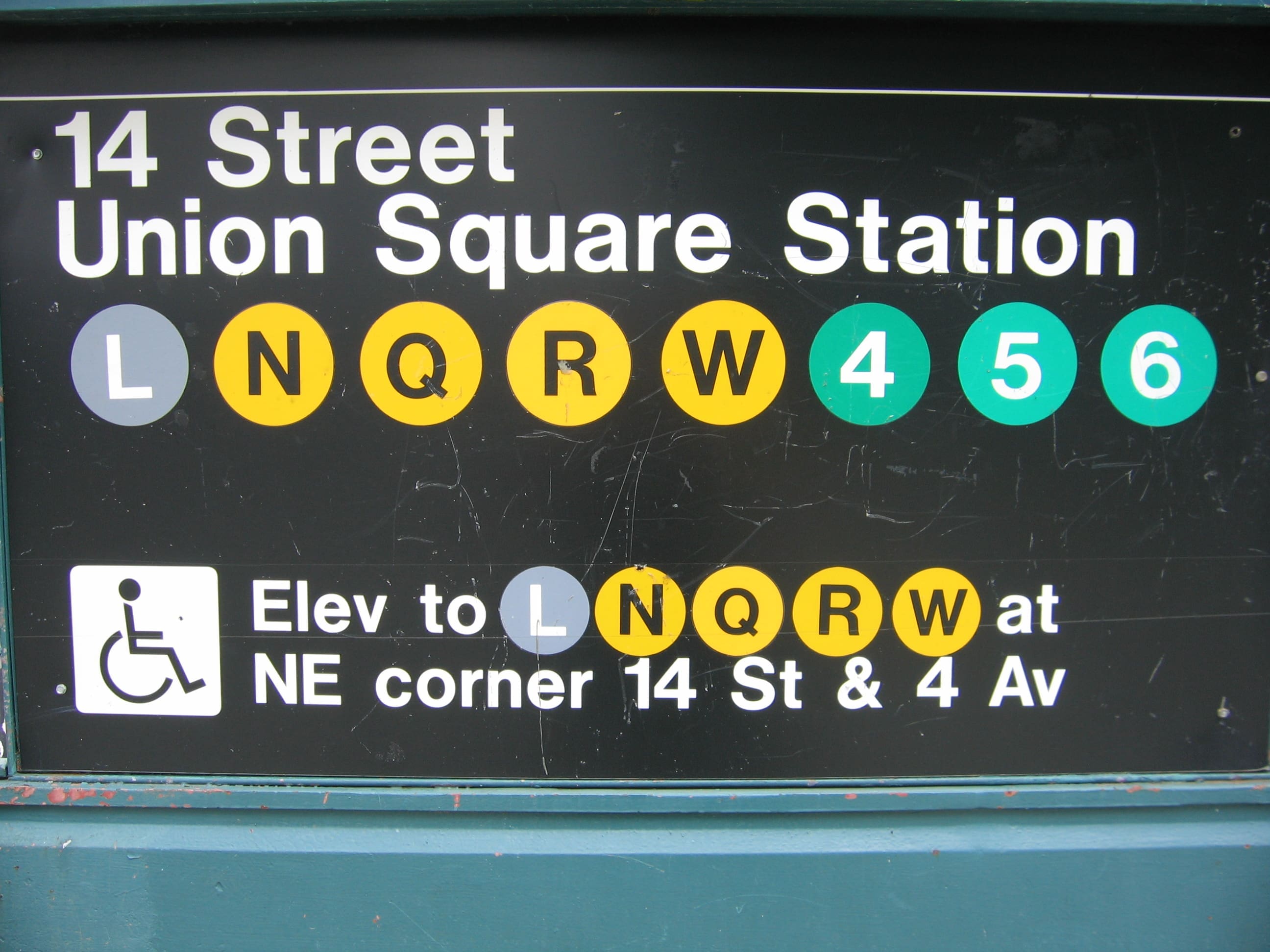
A crowd began to gather around them black mothers looked on pridefully, people of all races and ages watched and clapped. They continued dancing. People began to throw money at them. His mother suggested that they get a shoebox from the shoe store that was next door so the money wouldn’t blow away in the wind and they did. That was the beginning of John’s legacy as a street dancer. He danced in the street for many years bringing the money home to his mom to help her pay the bills. Wayne was in charge of teaching the b-boys how to break. John was in charge of the popping and robotic type of movement. Realizing he was double-jointed in his legs he learned that in popping and robotic type movements he had a distinct advantage. He developed his style of dance over the years as well as developed his hustle. Since New York is a fast-paced town, John learned that his technique had to be fast, fast to catch the eyes of people who are in a rush, also people who have shorter attention spans due to the rise of television watching in that era. So he developed what he called a float. A move that was fast and agile. A float was similar to a foot glide. Foot glide being popular from Michael Jackson’s moonwalking performances but floating is different. In a moonwalk, the foot barely touches the ground as it slides back with the majority of the weight on the other leg. If you listen closely you can hear the foot barely dragging across the floor. With floating the foot is completely off the ground and makes no noise even though the foot may look like it’s on the floor. Floating when done at an advanced level can be done much faster and can cover a large space in a much shorter time. It also can be done to the fast-paced music that they used to dance to like “Kraftwerk”, and “soul sonic force”. They had to move at the pace of the music and make sure they hit the beat to keep the crowd entertained. He soon mastered the style of floating and hence he became known as “float master John”.
Original video: Float Master John, from the original 2014 story.
He developed his own styles of floating to be unique to him so it couldn’t be copied or “bit” by other street dancers. He developed floating forward. The side floats. 3d floats and swivel floating, a move that could only be done by a double-jointed person like him. In this move he would spin fast with his ankle at a dangerous angle, it was his signature move and if anyone tried to copy it they would most likely be injured. John and his dance team developed their skills and their hustle running routes of where they would do their shows. First, they would hit central park museum, the metropolitan museum, 5th avenue, then 34th street, 14th street, then the village. They would then turn around and go back uptown to 34th street, 42nd street and then Lincoln center dancing at different locations depending on what time of the day. They developed a business style of hit and run. The crowds would get so big that the street would get blocked off and the cops would come thinking it was a fight and break it up. The police would sometimes confiscate their radios or just take the batteries out so they couldn’t play music.
They would have to do a show as fast as they can, collect the money and then move to another spot. Since they would always “hit” certain spots then move and their techniques would have to “hit“ the beat, they became known as “the Hitters”. Dancing in the street for money became known as hitting. They would hit all day sometimes from 11 am to 2 am dancing nonstop on concrete. After that sometimes they would even go to the nightclubs the Roxy and the Paradise Garage to dance more. Hitting was not only an everyday money-making endeavor but it was an opportunity to showcase your skills to the world and to get offers for bigger projects. In the early 80s with the explosion of the break-dance era, a lot of hitters caught the eye of talent scouts and soon they would get approached to do shows. Since a lot of artists wanted breakdancers in their videos. John was approached by a scout for the funk singer ironically named Dr. John and was asked to perform. He danced in the music video “jet set” by DR John. One afternoon around 1982 John was performing outside the Dakota building famous for being the place where John Lennon was assassinated, John was doing his signature floats and entertaining a crowd. He was approached by a man who scouted for Richard Ricardo. He was filming a puma commercial in Mexico and was impressed by John. He had held auditions during the week but was more impressed by what John did than most of the others who auditioned. They exchanged information and soon thereafter John was booked to film in Mexico.
Original video: Float Master John, from the original 2014 story.
He boarded a plane at the age of 17 years old to fly to Mexico with no passport. People were astonished how this young black kid from the streets would be flying alone, many questioned him as to what he was up to and or if he had any illegal motives. This trip to Mexico taught him a lesson. It taught him that he should always be humble to the people. The Puma commercial was his highest-paying gig at this point-earning him $2000. He also danced in the movie “planes trains and automobiles” but the scene was cut due to contract issues. In 1985 he was booked to perform in Morocco at a concert for the singer Hassan Iddedi from Fez. Hassan booked john along with Wayne, Poe Boy, Paris, Douglass and jelly. He wanted a large extravagant show with models from France, musicians from London and a large dance sequence with a theme similar to Lionel Richie’s show. He wanted the performers to reenact the film “Breakin” onstage. They traveled to Casablanca to perform there and he gave John a solo on stage to dance as if he were “turbo“ dancing with the broom center stage. John became fascinated with the culture of Morocco. He loved the way the people treated him not only because he was an American. They shared the same values that he had growing up. If you were very poor or didn’t have food the next person would give you half of what he had. This was the philosophy he lived by growing up poor in New York City but was shared by people who lived almost a world away. He was highly respected in Morocco as an American, a lot of people assumed that most Americans were rich since America is a rich nation. They had no idea about the treatment of the poor and middle class in New York City. John fell in love with Morocco and stayed there for an entire year and a half.
He also converted to Islam and eventually learned to speak Arabic within a few months. When he came back to New York He returned to a different era, many of his friends weren’t there or were dancing outside the city. He came across Clown and they formed a new crew with Clown, Floatmaster John, and Robby a kid they both had mentored. They danced mainly to electro-funk. The style of hitting was also beginning to change getting more acrobatic and more entertainment-based. They began to engage the audience more. This was around the time that Spivey began the trend of flipping over numerous people. The times were beginning to change the lifestyles of the ’80s was taking a toll, things took a turn on the scene and drugs became a factor in the dance world. There was also the AIDS epidemic breaking out. Some of the dancers smoked weed occasionally after work but then the drugs began to take a bigger toll on the New York hip hop scene. Cocaine was becoming more popular and a few dancers became addicted and some passed away, some caught AIDS. With the abundance of cash flowing around from street performing and the girls that would become attracted by it, drugs were an easy pit to fall in. unfortunately, in 1989 John got caught up in the downward spiral of street life of New York City and he developed a drug habit. His life took a drastic turn at this point. This was also the era of Ronald Reagan and the war on drugs so enforcement was very strong.
Original video: Float Master John, from the original 2014 story.
He got arrested multiple times for drug possession and eventually wound up incarcerated for several bids in state prison at various points in his life. This took a severe toll on his dancing since he was not allowed to practice dancing inside. Since John had lived in Morocco for a year and had become Muslim he connected with many people in prison who turn to Islam as a way of salvation. Surprisingly John would come across people whom he had heard of in the dance scene but never met on the street like Scooter who was a popper from the Bronx he had heard about. The two finally met and actually battled on the inside when Ralph McDaniel’s came on TV. His opening theme song was an electro-funk hit “5 minutes of funk “by Whodini, which was very popular for poppers. John came to the realization that he had to change. He had disappointed too many people to the point where people would be hesitant to make big plans with him when he was out because they were afraid he would become incarcerated again. He also realized that every time he was locked away family members would pass away. His girlfriend of 5 years passed away from cancer. John then made the final decision to kick the habit and return to his roots of dancing and never look back. In 2007 he returned from his last bid and took to doing what he loves best, dancing. As the times have changed he has evolved. He purchased a bigger speaker system and a laptop instead of the old school boom boxes. Being locked up not only taught him patience and humility but it preserved his body since he didn’t have to deal with the everyday wear and tear of life in New York. He cites this as a reason why he can still dance now in 2013. John continues to dance and perform in the streets of New York in union square, Coney Island and other tourist attractions he now mentors younger dancers and gives them advice on how to avoid getting caught up in the system and how to save and budget their money. He has since been featured in magazine articles like the New Yorker and Pony Step. His legacy goes on.
Biography by Ali Riojas
Reproduced in full from Dance Mogul Magazine’s February 12, 2014 story with light spelling and punctuation fixes. Titles and plans reflect that date.
What Is Floating?
The biography explains the move better than any outsider could. A moonwalk drags the foot across the floor with the weight on the other leg; you can often hear it. A float keeps the foot fully off the ground and makes no sound, even though it looks planted. Done well, it covers more ground faster and keeps up with fast electro-funk like Kraftwerk and Soulsonic Force.
John built his own versions: forward floats, side floats, 3D floats and the swivel float, a spin on a sharply angled ankle that only a double-jointed dancer could risk. That is how he earned his name. The same speed fed the business model of the street: hit a spot, do a fast show, collect, and move before the police broke it up. Street dancers called it “hitting.”
Back on the Street, Still Teaching
Independent records place him back on New York’s streets and stages after his return. The street-performance blog Concrete Beat filmed him in Union Square in June 2007, called him a specialist in floating and moonwalking, and reported that he was teaching at two schools in Manhattan. In July 2015, Dancing in the Streets presented “Hip-Hop Dance: From the Street to the Stage” at St. Mary’s Park in the Bronx, a SummerStage partnership that traced hip-hop dance from breaking, locking and popping to flexing and lite feet. Its lineup included “street dancer Float Master John” and a group billed as The Float Masters.
Context
New York’s street-show tradition is now recognized in programs such as Dancing in the Streets’ It’s Showtime NYC, which gives subway dancers legal performance and professional-development opportunities. Read DMM’s Shock-a-Lock legacy feature for more of New York’s street dance history.
If you were very poor or didn’t have food, the next person would give you half of what he had.
— The philosophy Float Master John grew up with, from his 2014 DMM biography
Timeline
CULTURE = the scene · CAREER = the work · TEACHING = passing it on · DMM = our coverage
Oct 1964 · CULTURE
Born in New York.
1970 · CULTURE
Family settles at the George Washington Carver Houses, 106th Street and Park Avenue, Harlem.
Early 1970s · TEACHING
Learns to break from his friend Wayne (Wayne Blizz).
1978 · CAREER
First street show on 14th Street, dancing to “Soul Makossa”; money goes home to help his mother.
Early 1980s · CAREER
Dances in Dr. John’s “Jet Set” video; scouted outside the Dakota around 1982 for a Puma commercial in Mexico.
1985 · CAREER
Performs in Casablanca, Morocco; stays a year and a half and converts to Islam.
1989 · CULTURE
Falls into the drug crisis of the era; years of incarceration follow.
2007 · CAREER
Returns for good to dancing and street shows; begins mentoring young dancers.
Feb 12, 2014 · DMM
DMM publishes his biography by Ali Riojas.
Jul 11, 2015 · CULTURE
Performs in Dancing in the Streets’ “From the Street to the Stage,” St. Mary’s Park, Bronx.
Where Is Float Master John Now?
The most recent dated public record DMM found is his July 2015 appearance with Dancing in the Streets in the Bronx. DMM could not confirm his activities since then from a reliable source as of November 2026, and we will not guess.
In 2014, his biography said he was still dancing in Union Square, Coney Island and other tourist spots and mentoring young dancers on staying out of the system and budgeting their money. If you know Float Master John or have recent footage, contact us through our contact page.
What the Next Generation Should Learn
1. Make your body your signature. He turned double-jointed legs into a move no one else could safely copy.
2. Study your audience. New York crowds were in a hurry, so he made his style fast enough to stop them.
3. Stay humble wherever you go. Flying to Mexico alone at 17 taught him to be humble with people.
4. Money without a plan can become a trap. Street cash and the drug era pulled many dancers under. He now teaches young dancers to save and budget.
5. It is never too late to come back. After years lost, he returned to dance in 2007 and kept going.
Why It Matters to DMM
DMM tells lived stories, including hard ones, because they are the ones that help someone else choose differently. Float Master John’s biography covers fame, faith, addiction, prison and recovery, and it ends with a man teaching kids how not to repeat his mistakes.
More New York street history: Shock-a-Lock, Mr. Wiggles, Ken Fury and The Legacy.
Float Master John: Frequently Asked Questions
Who is Float Master John?
Float Master John is a New York street dancer, born in October 1964 and raised in Harlem, known for inventing his own “floating” moves and for decades of street shows.
What is floating in dance?
Floating is a glide in which the foot is fully off the floor and makes no sound while appearing planted. It is faster and quieter than a moonwalk.
What were “the Hitters”?
The Hitters were John’s street crew. They did fast “hit and run” shows along set routes in Manhattan, and dancing in the street for money became known as hitting.
Did Float Master John perform outside the U.S.?
Yes. He filmed a Puma commercial in Mexico around 1982 and performed in Casablanca, Morocco, in 1985, where he stayed a year and a half.
Who wrote Float Master John’s biography?
The biography published by DMM in 2014 was written by Ali Riojas.
The Story Continues
Dance Mogul Magazine will keep following Float Master John’s story. If you have updates, photos or memories from this moment, reach us through our contact page. Bookmark this page and check back.
Sources & Further Viewing
Dancing in the Streets: Hip-Hop Dance, From the Street to the Stage (Jul 11, 2015)
Concrete Beat: Poppers and Breakers, Float Master John (Jun 6, 2007)
© 2026 Dance Mogul Magazine LLC · From the Archive, Updated · A Black-owned dance and empowerment publication since 2010


