
SUPPORTING OUR LEGACY | AFRICAN DIASPORIC DANCE | WHERE ARE THEY NOW
Africa In America: Kara Mack & the 2nd Annual Original Works Dance and Music Showcase
In 2015, Kara Mack invited Dance Mogul Magazine into "Woman Rise UP!/Balance" — a showcase built on the principle "respect the technique." A decade later, that same artist has choreographed Grammy stages, blockbuster films, and built an entire platform for African Diasporic music and dance.
By Dance Mogul Magazine | Originally featured September 2015 | Updated and expanded 2026
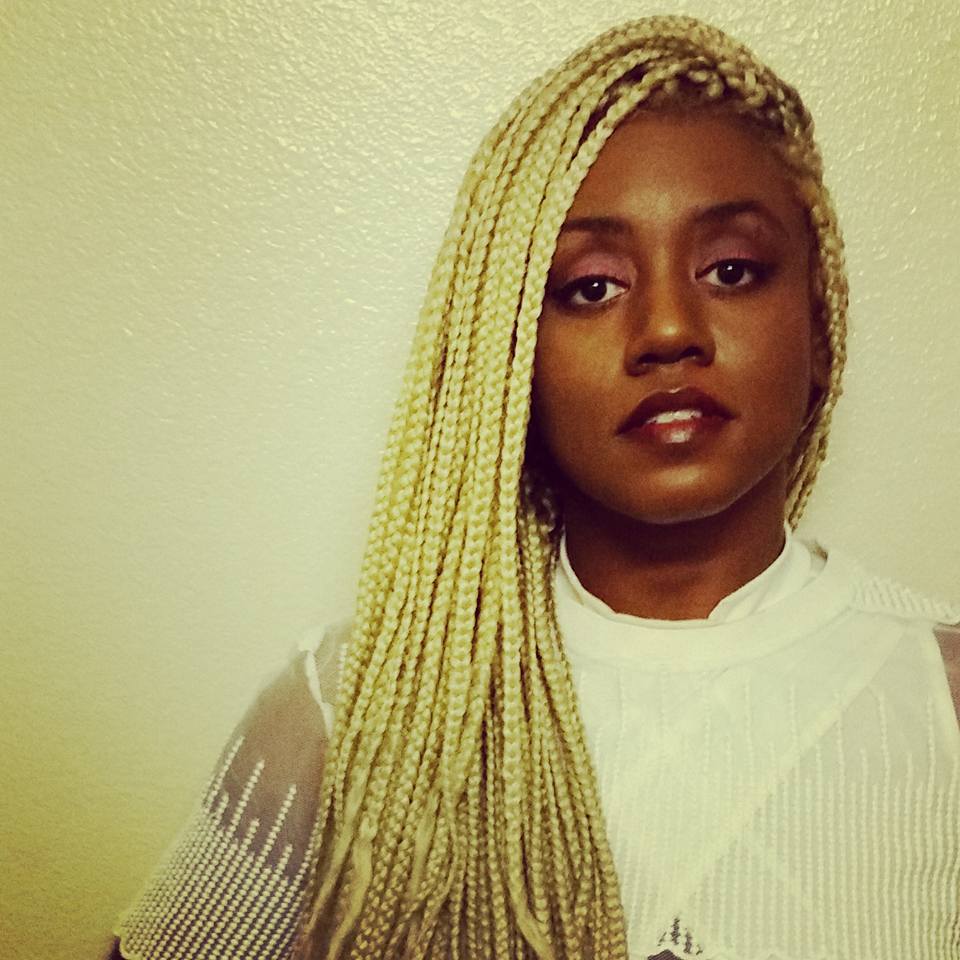
Kara Mack — Founder of Africa In America | Photo by Jan Salzman | Dance Mogul Magazine Archives
ARTIST SPOTLIGHT — 2026
Kara Mack is a working choreographer and creative director whose expertise in African Diasporic movement has taken her from the Debbie Allen Dance Academy to the Grammy stage. Her credits include Kendrick Lamar's "Alright" at the 58th Grammy Awards, Kanye West's Sunday Service at Coachella, and choreography for films including Coming 2 America, Black Panther: Wakanda Forever, and The Color Purple. The Africa In America brand she founded in 2014 is now a full platform, and her hometown of Columbia, South Carolina, declared a day in her honor.
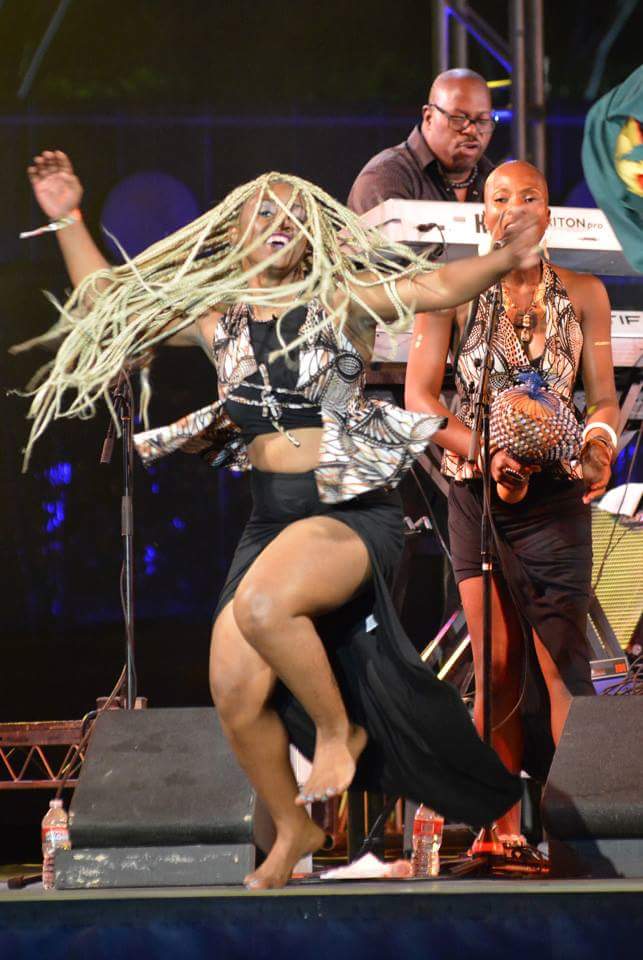
In the fall of 2015, Dance Mogul Magazine sat down with Kara Mack ahead of the 2nd Annual Original Works Showcase presented by her brand, Africa In America. The showcase — titled Woman Rise UP!/Balance — was choreographed and musically directed by Mack alongside percussionists Magatte Sow and Kahil Cummings, and staged around the power of women and the harmony that emerges when the feminine and masculine hold each other in balance. Eleven dancers, three singers, and eleven drummers, all specializing in African Diasporic arts, filled the stage for an hour and a half of Capoeira, Sabar, Djembe, Bembe, Rumba, and Afro-Samba.
What made the conversation memorable was the philosophy behind it. Mack refused the pressure to "modernize" traditional African styles into something more palatable to a contemporary audience. Instead, she kept the movement and music intact and applied it to a contemporary theme — a choice captured perfectly in the Africa In America tagline: respect the technique. More than a decade later, that stance has proven prophetic. Below is our original 2015 interview, preserved in full, followed by where Kara Mack's vision has traveled since.
The Original Interview — Dance Mogul Magazine × Kara Mack (2015)
As part of its mission to support talent specialized in African Diasporic arts, Africa In America announced its 2nd Annual Original Works Showcase entitled Woman Rise UP!/Balance. That year's showcase was choreographed and musically directed by Kara Mack; Magatte Sow (percussionist for world-renowned Benin singer Angelique Kidjo); and Kahil Cummings (percussionist for Ghana's cultural ambassador and afro-funke sensation Rocky Dawuni). Together they created a set of powerful performances around the power roles of women, and the harmony and "balance" created between the feminine and the masculine — in short, "we need each other" was a major part of the theme. The program featured eleven dancers, three singers, and eleven drummers, all specializing in African Diasporic arts, and closed with a question-and-answer session.
Dance Mogul: What could participants expect at this year's annual showcase?
Kara Mack: They can expect to visually and musically travel from the Americas to the Caribbean to West Africa through stories of the reality of the burdens of glory women carry every day; and the balance needed from both the feminine and masculine in the quest for peace and balance. The styles that people will see include Capoeira (Brazil), Sabar (Senegal), Djembe (Guinea), Bembe/Rumba (Cuba), and Afro/Samba (Brazilian) — for a full hour and a half!
“Many people feel that you have to change traditional African styles into more contemporary steps. However, one does not have to do that. This is why Africa In America's tagline is respect the technique.”
Dance Mogul: The dance market continues to grow daily — through dance TV shows, movies, events, companies, etc. How do you make your endeavors stand out from the rest?
Kara Mack: The unique thing about my showcase this year is that the essence of every African Diasporic style, both through movement and music, has not been changed at all; it's only been applied to a contemporary theme. Many people feel that you have to change traditional African styles into more contemporary steps, however, one does not have to do that. It will challenge artists to dig deeper in interpreting what is technically contemporary dance, and it will also shed light on a whole different movement vocabulary that exists and has existed for a very long time. This is why Africa In America's tagline is respect the technique.
The Africa In America ensemble in performance | Photo by Kimberly Jones
Dance Mogul: What can we expect from you and your brand for the rest of the year going into 2016?
Kara Mack: In addition to Africa In America continuing our Annual Original Works Showcase for African Diasporic Music and Dance, we will continue to issue online magazines every other month, and we will also continue to build more connections with production companies that are like-minded in the quest for changing people's world-view about African Arts in America. Personally, I'm grateful to have the opportunity to travel to Australia teaching African movement to Aboriginal communities. I will also return to West Africa to continue my studies, but also to document various artists' lives and direct music videos — which hopefully will be broadcast on a cable television network.
Dance Mogul: Is there anyone you would like to thank for helping you during this season?
Kara Mack: I would first like to always thank God for placing everything that I have discovered — and even the things that I have not discovered yet — within my spirit. I thank my parents always for their support and love throughout the ups and downs. I thank all the professional dancers, singers, and percussionists for their time and their gifts. I thank Maya Jupiter and Aloe Blacc, founders of Artivist Entertainment, for their continuous support for the second year in a row; and I thank Veronica Gonzalez of The Element Marketing & Publicity for doing such a great job getting the word out. Finally, I thank Jasmine Phillips and Rufiena Soro of LAPACC (Los Angeles Pan-African Cultural Center) for their production support and love this year.
Watch: Africa In America — Original Works Showcase
The Vision Behind Africa In America
Kara Mack was born and raised in Columbia, South Carolina, and moved to Los Angeles as a teenager when her father's job relocated the family. After years of formal contemporary training, she made what she has described as a strategic and radical decision: to devote herself to the music and dance styles of the African Diaspora. She had noticed that styles rooted in the diaspora — samba, rumba, bomba, Sabar, and other West African forms — were often treated in America as hobbies or electives rather than as codified, respected techniques. She set out to change that narrative.
In 2014 she founded and trademarked Africa In America as a primary resource for professionals and participants of African Diasporic music, dance, arts, and culture. The Annual Original Works Showcase that Dance Mogul covered in 2015 was one pillar of that mission; master drum and dance workshops, an online magazine, and a growing network of collaborators were others. Along the way, Mack trained a generation of dancers through a multi-year tenure teaching West African dance at the world-renowned Debbie Allen Dance Academy — a lineage that connects her directly to the broader movement of Black dance educators Dance Mogul Magazine has long championed.
Where Is Kara Mack Now?
The 2015 interview ended with Mack describing plans to teach abroad and direct music videos in West Africa. In the decade since, her reach has expanded far beyond a single showcase. She has become one of the industry's go-to authorities on African Diasporic movement for the largest stages in entertainment — assisting legendary choreographer Fatima Robinson on Kendrick Lamar's landmark performance of "Alright" at the 58th Grammy Awards, choreographing Kanye West's Sunday Service at Coachella, staging Chance the Rapper's appearance on Saturday Night Live, and contributing to Busta Rhymes' set at the 2021 MTV VMAs.
Her film and television work has grown just as dramatically. Mack served as an assistant choreographer on Coming 2 America, provided choreography featured in the Comic-Con trailer for Black Panther: Wakanda Forever, and contributed movement to the 2023 film adaptation of The Color Purple, in addition to television projects including Freeform's Good Trouble and Gwen Stefani's performance of "Misery" on The Voice. She has continued to release music of her own — including the projects A Negroe's Spiritual and Selah — and to sing background for Grammy-nominated Ghanaian artist Rocky Dawuni, one of the very collaborators referenced in the original 2015 showcase.
“I had no idea that over 20 years later, the industry would be going in this direction — but it has.” — Kara Mack, reflecting on her decision to specialize in African Diasporic arts
Perhaps most in keeping with the spirit of Africa In America, Mack turned her platform into infrastructure. She launched an online hub designed to connect professionals and enthusiasts of African Diasporic music and dance, and expanded her programming toward a multi-day festival celebrating Black culture. Her hometown of Columbia, South Carolina, recognized her achievements by declaring a day in her honor — a homecoming honor for an artist who left as a teenager and returned as a national creative force. The "respect the technique" ethos she articulated to Dance Mogul in 2015 is now embedded in curricula, credits, and a brand that outlasted the showcase that first introduced it to our readers.
Why It Matters to Dance Mogul Magazine
Dance Mogul Magazine has always believed that the styles too often filed under "cultural" or "elective" are, in fact, foundational — the roots from which so much of commercial and concert dance grows. Kara Mack's career is the living argument for that belief. When she told us in 2015 that traditional African forms did not need to be diluted to be relevant, she was making a case for cultural preservation as a form of empowerment. Her subsequent work on the world's biggest stages proves that the technique never needed changing; the industry needed to catch up.
That is precisely the story Dance Mogul exists to tell. From hip-hop to West African forms, from the studio to the Grammy stage, the through-line is respect for the artist and the lineage they carry. Explore more of that lineage across our Dance Styles Hub and our archive of Exclusive Interviews with the artists building culture from the ground up.
EXPLORE MORE
Discover the full range of dance legends and cultural pioneers covered by Dance Mogul Magazine. Visit our Dance Styles Hub to explore every style, browse The Legacy for more stories of the artists who built the culture, and read our Exclusive Interviews for more conversations with the greats.
The Story Continues
When Dance Mogul Magazine covered the 2nd Annual Original Works Showcase in 2015, Kara Mack was an artist with a brand, a philosophy, and eleven drummers on a Los Angeles stage. What she also had — clearly, in retrospect — was a conviction strong enough to reshape how an entire industry treats African Diasporic movement. Documenting that moment before the wider world took notice is exactly the work this publication was built to do.
Africa In America continues to grow, and so does the community it serves. As Mack expands her festival, her hub, and her body of work across film, television, and the concert stage, Dance Mogul Magazine remains committed to honoring the artists who preserve the technique, teach the next generation, and carry culture forward. Respect the technique — and respect the people who keep it alive.
Kara Mack Africa In America African Diasporic Dance West African Dance Original Works Showcase Choreography Respect The Technique Debbie Allen Dance Academy Cultural Preservation Where Are They Now
© 2026 Dance Mogul Magazine LLC | dancemogul.com | Inspiring Self-Empowerment Through Dance Culture