
Dance Mogul Magazine · From the Archive · The Economics of Dance Culture
America’s Best Dance Crew: Prize Money and Cultural Legacy
America’s Best Dance Crew prize money reached $800,000 across eight seasons, plus $50,000 for youth-led causes. Dance Mogul Magazine was backstage in 2012. This is what the money meant, what it did not, and what the dancers built after the cameras left.
Originally published February 28, 2013 · Updated and expanded November 25, 2026 · Dance Mogul Magazine
At a Glance
- Championship prize: $100,000 to the winning crew each season
- Across eight seasons: $800,000 in announced championship prizes
- Champions for Charity, April 15, 2010: five donations of $10,000 each, $50,000 in total
- Combined documented value: $850,000
- Season 7 champions: Elektrolytes of Gilbert, Arizona, crowned June 13, 2012
- Two-time champions: Quest Crew, Season 3 (2009) and Season 8 (2015)
Before millions of viewers learned their names, they were dancers looking for floor space. They rehearsed in garages, studio back rooms and parking lots. They paid their own way to battles and competitions, built routines on borrowed time and held other jobs to keep the crew together. The art form gave them identity and community long before it gave anyone a paycheck.
Then MTV put a $100,000 prize on national television. The America’s Best Dance Crew prize money was never the whole story, but it was a public statement that a crew’s work had a dollar value. Across eight seasons the show announced $800,000 in championship prizes, and on one special night in 2010 it gave another $50,000 to young people running causes in their communities.
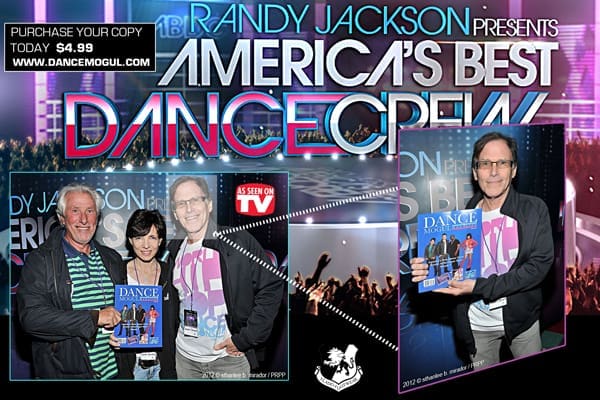
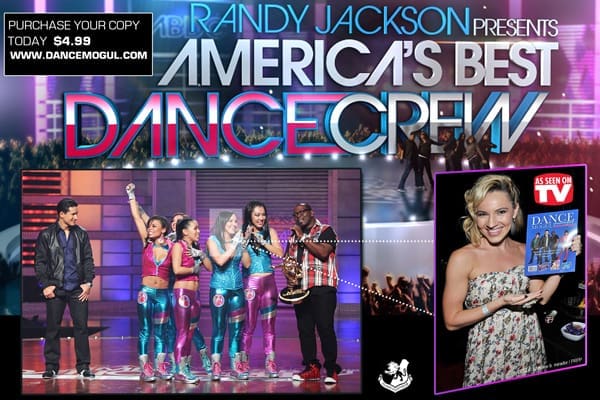
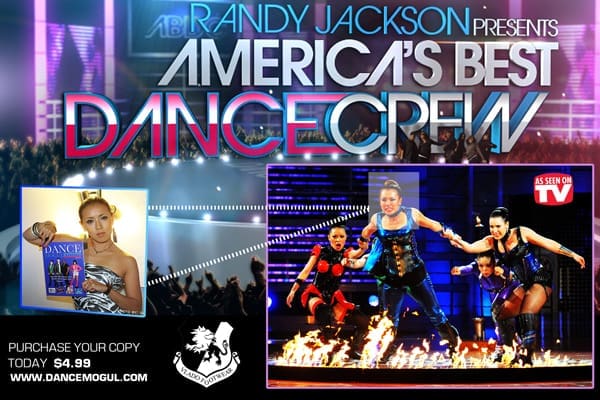
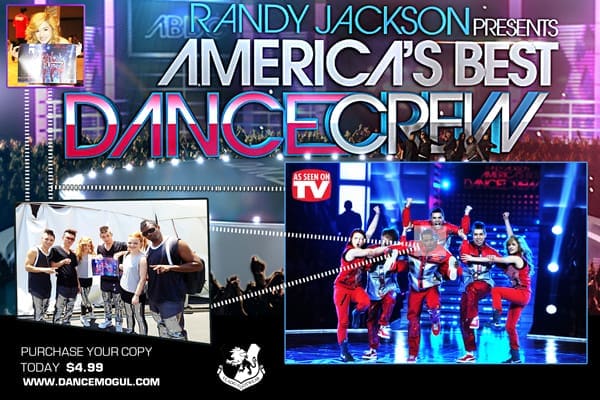
Dance Mogul Magazine was two years old when the seventh season, Return of the Superstars, came around in 2012. We filmed the New York City auditions, published an America’s Best Dance Crew issue that June and photographed the crews who supported us. This page keeps that original coverage and adds the larger account: what the money meant, who built the platform, and what the champions did with the opening.
America’s Best Dance Crew prize money, season by season
MTV’s season announcements described the format plainly: crews of five to seven dancers competing for a $100,000 cash prize. Contemporary reports confirm that figure for the winning crew across the run.
| Season | Year | Champion | Prize |
|---|---|---|---|
| 1 | 2008 | JabbaWockeeZ | $100,000 plus a tour contract |
| 2 | 2008 | Super Cr3w | $100,000 |
| 3 | 2009 | Quest Crew | $100,000 |
| 4 | 2009 | We Are Heroes | $100,000 |
| 5 | 2010 | Poreotix (now Poreotics) | $100,000 |
| 6 | 2011 | I.aM.mE | $100,000 |
| 7 | 2012 | Elektrolytes | $100,000 |
| 8 (All-Stars) | 2015 | Quest Crew | $100,000 |
| Total announced championship prizes | $800,000 | ||
Sources: MTV season announcements and contemporary reporting listed under References. Seasons 3 and 6 follow the same published format; our full history of every season lives in America’s Best Dance Crew: Every Champion.
The audience was enormous for a cable dance show. The first finale drew more than 38 million votes, a record for the competition at the time,, and the second season was reported at about 39 million. Every one of those votes was a viewer choosing a crew.
What $100,000 meant to a dance crew
To understand America’s Best Dance Crew prize money, start with who was receiving it. For a celebrity entertainer, $100,000 can be a single booking. For an emerging crew, it was something else entirely. Most crews finance their own rehearsal space, travel, costumes, entry fees, training and promotion. A prize of that size could cover a year of studio rent, a trip to an international championship or the first run of merchandise with the crew’s own name on it.
Crew prize vs. dancer pay
A crew prize is not the same as each dancer’s earnings. Simple arithmetic shows why: the eight-member Elektrolytes splitting $100,000 evenly would come to $12,500 per dancer, before taxes, management fees, travel and whatever the crew chose to reinvest. That figure is an illustration, not a reported payout. How each crew divided its winnings was a private business decision.
The more valuable prize was often the one that came with it. JabbaWockeeZ left Season 1 with a tour contract as well as the cash, and the tour that followed put several crews in front of paying audiences in cities across the country. The money set an example in public: excellence in dance has measurable economic value. The work that followed decided how long that value lasted.
Street dance culture came first
America’s Best Dance Crew did not create crew culture. Breaking and hip-hop dance grew out of Black and Latino communities in New York in the 1970s. Popping, locking and the other funk styles came from their own communities and histories on the West Coast. Crews meant friendship, competition, identity and belonging long before a network saw commercial potential in them.
What MTV did was carry a television version of those traditions into millions of homes every week. For a young dancer watching from the living room, it meant seeing people who dressed like them and moved like them treated as the main event. Our street dance archive documents the people and places those traditions came from, and that history belongs at the center of any account of the show.
The people who built the platform
The show was created by Howard and Karen Schwartz. The couple met in the early 1980s, when each was developing an aerobics competition, and held their first national aerobics championship in 1984. When that sport moved under gymnastics governance and out of their hands, they reinvented themselves around the street dance they kept seeing on their travels.
They founded Hip Hop International and staged the first World Hip Hop Dance Championship in Miami’s South Beach in 2002, with crews from 12 countries. Hip Hop International says it introduced the five-to-nine-member crew competition that year, the format America’s Best Dance Crew later carried to a national audience. Howard Schwartz has said the television show took five years to pitch. Randy Jackson joined as an executive producer, and the series premiered on MTV in 2008. Our coverage of Hip Hop International follows the championship side of that story.
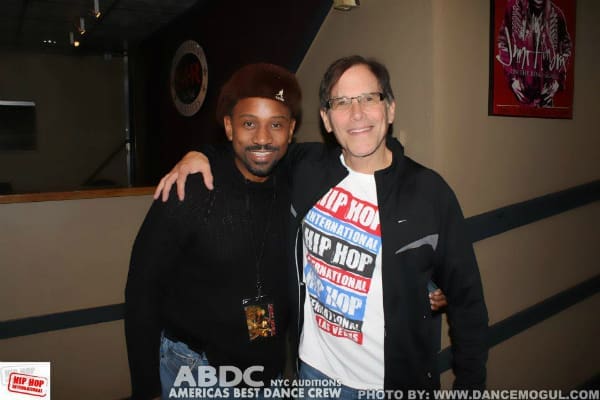
Dance Mogul Magazine sat down with Howard Schwartz at the New York City auditions on January 21, 2012. The interview is part of the record of how the show looked from the people who made it.
ABDC Season 7: Return of the Superstars
Season 7 premiered on April 11, 2012. Auditions ran in Chicago, Houston, New York City and Los Angeles, and ten crews made the show. Mario Lopez hosted, and JC Chasez, Lil Mama and Dominic “D-Trix” Sandoval judged. Each week was built around one recording artist: Britney Spears, Flo Rida, Madonna, Drake, Jennifer Lopez, Pitbull, Rihanna, LMFAO, David Guetta and, for the live finale, Katy Perry.
The ten crews of ABDC Season 7
- 8 Flavahz, Honolulu, Hawaii
- Collizion Crew, Atlanta, Georgia
- Elektrolytes, Gilbert, Arizona
- Fanny Pak, San Fernando Valley, California (returning from Season 2)
- Funkdation, Monterrey, Mexico
- Irratik, Montreal, Canada
- Mix’d Elements, North Hollywood, California
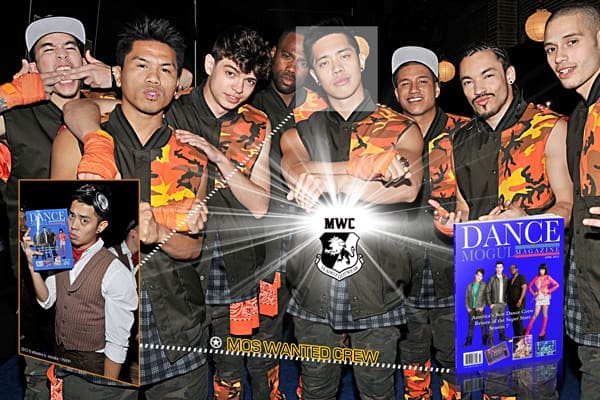
- Mos Wanted Crew, Los Angeles, California
- Rated Next Generation, Mukilteo, Washington
- Stepboys, Roseville, California
The superstar format asked more than synchronization. Crews had to interpret a different artist’s music every week, tell a story inside a single routine and deliver it under live television conditions. For viewers, it made the case that crew choreography is an art form worthy of its own stage.
Brian Puspos of Mos Wanted Crew was one of the season’s best-known names, and he became one of our early featured artists. His story since then, from Hip Hop International to choreographing for BTS, is in our profile of Brian Puspos.

Elektrolytes: the $100,000 night
On June 13, 2012, the Elektrolytes beat 8 Flavahz in the live finale and took the $100,000 grand prize. The eight-member crew trained out of the Groove Factory Dance Studio in Gilbert, Arizona, a suburb far from the entertainment centers of Los Angeles and New York.
The win did not come from nowhere. The crew formed in 2006 among high school friends, and in 2011 it won the adult division at the Hip Hop International USA championship before placing seventh at the world finals. The Elektrolytes had also been turned away from earlier ABDC auditions. When they finally made the show, they had years of competition behind them. Phoenix came out to welcome them home with a party at Cyphers: The Center for Urban Arts. Our full account, Elektrolytes: ABDC Season 7 Champions, Fourteen Years Later, follows what they built afterward.
Television did not replace the work that came before it. It revealed that work to a larger audience.
That is the lesson for any dancer reading this. The appearance was the opportunity. The preparation made the opportunity count.
8 Flavahz and the next generation
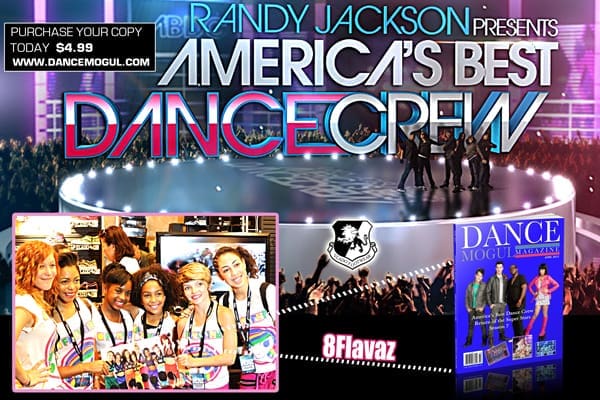
The runners-up were the all-girl 8 Flavahz, four dancers from Honolulu and four from Los Angeles, the youngest of them ten years old. They outlasted crews of grown dancers week after week. Their members went on to work in television, film, commercial dance and teaching, a story we tell in 8 Flavahz Dance Crew: The ABDC Season 7 Runners-Up, Then and Now.
Beyond the trophy: building a business through dance
The clearest example of what an ABDC title could become is JabbaWockeeZ. After winning the first season in 2008, the San Diego crew built an identity around white masks, collective movement and storytelling rather than any single star. In May 2010 they opened their own show, MÜS.I.C, for a limited run at the MGM Grand’s Hollywood Theater. That fall the Monte Carlo resort gave them the headline slot long held by the magician Lance Burton.
The Las Vegas Sun has called JabbaWockeeZ the first dance crew to headline the Las Vegas Strip. Since 2015 the crew has performed in its own 350-seat Jabbawockeez Theater at MGM Grand, where its Jreamz production reached 2,000 performances before Timeless replaced it in 2020. Ticket listings show performances at MGM Grand scheduled into late December 2026. A dance crew had become a production company, an entertainment brand and an employer. The whole arc is in our Legacy feature, Jabbawockeez History: Behind the Masks, Beyond the Fame.
Quest Crew showed another kind of achievement. The crew won Season 3 in 2009, returned to win the all-star Season 8 in 2015, and in September 2016 received the Primetime Emmy for Outstanding Choreography for its work on the show, in a tie with Kathryn Burns of Crazy Ex-Girlfriend. Quest Crew’s D-Trix later said the show “rocketed all our careers.”
A television championship still guaranteed nothing on its own. Keeping a career going takes business knowledge, financial planning, professional relationships and continued investment in the craft. The Television Academy keeps Quest Crew’s Emmy record and the crew’s acceptance moment on its site.
Champions for Charity: $50,000 for youth-led causes
The show also put money behind causes outside the competition. One of the most meaningful nights in the show’s history aired live on April 15, 2010. With DoSomething.org as partner, all five champion crews to that point returned to perform and to honor five young activists. Each champion presented a $10,000 check, for $50,000 in documented donations:
- Poreotix (Season 5) for Jackie Rothman’s Everybody Dance Now, free after-school dance for young people in Santa Barbara
- We Are Heroes (Season 4) for Sarah Cronk’s The Sparkle Effect, which she co-founded to bring students with special needs onto high school cheer teams
- Quest Crew (Season 3) for Jordan Coleman’s Say It Loud, which promotes the importance of education
- Super Cr3w (Season 2) for Marvelyn Brown’s Marvelous Connections
- JabbaWockeeZ (Season 1) for Josh Sundquist’s Less Than Four, an online community for amputees
In Santa Barbara, the children at Everybody Dance Now also got a private lesson from Poreotix. The episode showed that dance could do more than entertain. Alongside the America’s Best Dance Crew prize money, it pointed a national audience at young community leaders and put real resources behind them. When artists earn recognition, they gain a platform they can direct toward people who might otherwise be overlooked.
Representation and the power of being seen
The show brought performers from many backgrounds, regions and generations to the same stage. In 2009, We Are Heroes became the first all-female crew to win, and three years later 8 Flavahz carried that example to the finale. Asian American dancers gained real mainstream visibility through JabbaWockeeZ, Quest Crew and Poreotics. Recognizing that diversity also means naming the Black and Latino communities whose culture the whole format was built on. Keeping those connections in view is part of telling the story completely.
The pipeline behind the show
ABDC drew on a competition circuit that kept running between seasons. That same summer of 2012, Dance Mogul Magazine covered the Hip Hop International championships in Las Vegas, where crews such as the Academy of Swag showed the depth of talent waiting for a bigger stage. Read more in The Academy of Swag: Forty Dancers, One Vision and Hip Hop International 2012: Dance Mogul Magazine at the Championships.

Why America’s Best Dance Crew ended
MTV canceled the series after Season 7 in 2012, amid declining ratings. On January 10, 2015, the network announced a revival, and America’s Best Dance Crew All-Stars: Road to the VMAs ran from July 29 to August 29, 2015. Jason Dundas hosted, with T-Pain, Teyana Taylor and Frankie Grande judging. Five former champions returned alongside a new crew, Kinjaz, and Quest Crew won its second title and another $100,000.
The interruption shows a risk every artist faces when opportunity depends on a commercial platform. Networks decide on ratings, costs and programming strategy. Dance culture continues whether or not anyone broadcasts it. That is why dancers need opportunities beyond any single platform: independent productions, studios, community organizations, cultural publications and businesses the artists own themselves.
Why It Matters to Dance Mogul Magazine
Dance Mogul Magazine documented ABDC during our own first years. The interviews, photographs, audition footage and promotional graphics on this page were made as immediate coverage. Fourteen years later they are a record of a period when dancers were starting to be seen as independent entertainers, choreographers, business owners and cultural ambassadors. You can browse more of that record in our Exclusive Interviews and the Video Vault.
Our mission is self-empowerment through lived stories, and this one carries a clear message. The America’s Best Dance Crew prize money was real, and it mattered. What lasted was preparation, collective identity, professional presentation and creative ownership.
What today’s dancers can take from ABDC
- Prepare before the opportunity arrives. Elektrolytes had years of competitions behind them before their win.
- Understand the money. A crew prize is not a salary. Know how it will be split, taxed and reinvested before you win it.
- Own something. JabbaWockeeZ turned a title into a show, a theater and a brand.
- Document your work. Footage, photographs and press are proof of what you built.
- Build beyond one platform. The show was canceled. The dancers kept going.
A trophy celebrates an achievement. A legacy creates opportunities for others.
America’s Best Dance Crew prize money: frequently asked questions
How much prize money did America’s Best Dance Crew award?
The winning crew received $100,000 each season. Across eight seasons that adds up to $800,000 in announced championship prizes. The Season 1 winners, JabbaWockeeZ, also received a tour contract.
Who won America’s Best Dance Crew Season 7?
The Elektrolytes of Gilbert, Arizona won Season 7, Return of the Superstars, in the live finale on June 13, 2012. They beat 8 Flavahz and took the $100,000 grand prize.
Which crew won America’s Best Dance Crew twice?
Quest Crew is the only two-time champion. It won Season 3 in 2009 and the all-star Season 8 in 2015, and in 2016 it won the Primetime Emmy for Outstanding Choreography for its work on the show.
How much money did ABDC donate to charity?
On the Champions for Charity episode of April 15, 2010, the first five champion crews each presented $10,000 to a youth-led cause chosen with DoSomething.org, for $50,000 in total.
Why was America’s Best Dance Crew canceled?
MTV ended the series after Season 7 in 2012 amid declining ratings. It returned once, for the 2015 all-star season America’s Best Dance Crew All-Stars: Road to the VMAs.
How did America’s Best Dance Crew influence street dance culture?
It carried crew choreography rooted in breaking, hip-hop and funk styles into millions of homes, showed that crews could earn money and recognition, and helped launch careers such as the JabbaWockeeZ Las Vegas residency and Quest Crew’s Emmy-winning choreography.
References
- Reality TV World, MTV to debut America’s Best Dance Crew fourth season on August 9, July 8, 2009 — $100,000 prize
- GMA News, JabbaWockeeZ voted America’s Best Dance Crew, April 1, 2008 — Season 1 prize, tour contract and 38 million votes
- BuddyTV, Super Cr3w Season 2 win — $100,000 prize and reported 39 million votes
- OC Weekly, Poreotics — Season 5 title and $100,000, October 13, 2011
- Phoenix New Times, Local Hip-Hop Dance Troupe ElektroLytes Win America’s Best Dance Crew, June 2012
- Honolulu Star-Advertiser — Elektrolytes beat 8 Flavahz for the $100,000 prize
- Hip Hop International — Elektrolytes, formation and HHI results
- Wikipedia, America’s Best Dance Crew season 7 — cast, judges and episode themes (with archived TV Guide citations)
- Warner Bros. / MTV press photos via Seat42F — Champions for Charity, $10,000 donations
- BroadwayWorld (MTV release), ABDC partners with DoSomething.org, April 14, 2010
- Daily Nexus, MTV Spotlights Local Dance Program, April 28, 2010
- Las Vegas Sun, Face the MÜS.I.C. and dance, May 13, 2010
- Associated Press via The Washington Times, Monte Carlo replaces Lance Burton with dance crew, September 7, 2010
- Las Vegas Sun, New Jabbawockeez production Timeless arrives at MGM Grand, March 2020
- Television Academy, 2016 Creative Arts Emmy Awards recap — Outstanding Choreography tie
- Television Academy, Quest Crew award record
- The Forward, How a Jewish couple became the mom and pop of hip-hop dance — Howard and Karen Schwartz
- Hip Hop International, About Us
- Ticketmaster, Jabbawockeez at MGM Grand — current performance listings
- AceShowbiz, Quest Crew wins the all-star season, August 30, 2015 — $100,000 prize
Original photographs and video on this page are Dance Mogul Magazine’s own 2012 coverage unless another credit is shown.
Continue the coverage
- America’s Best Dance Crew: Every Champion and Our Season 7 Backstage Archive
- America’s Best Dance Crew Season 1: The Show That Changed Everything
- Elektrolytes: ABDC Season 7 Champions, Fourteen Years Later
- 8 Flavahz Dance Crew: The ABDC Season 7 Runners-Up, Then and Now
- Jabbawockeez History: Behind the Masks, Beyond the Fame
- We Are Heroes: The Women Who Made ABDC History
© Dance Mogul Magazine. All rights reserved.