
Exclusive Interview · Hip-Hop · Where Are They Now
Anna Sarao: From Body Rock Founder to Healer — Dance, Faith, and the Long Road to Therapy
In 2013 she was a working dancer chasing a Master’s in Marriage and Family Therapy, dreaming of blending dance with healing. More than a decade later, that dream has a license number — and Body Rock is a global institution.
By Dance Mogul Magazine | Originally featured March 2013 | Updated and expanded 2026

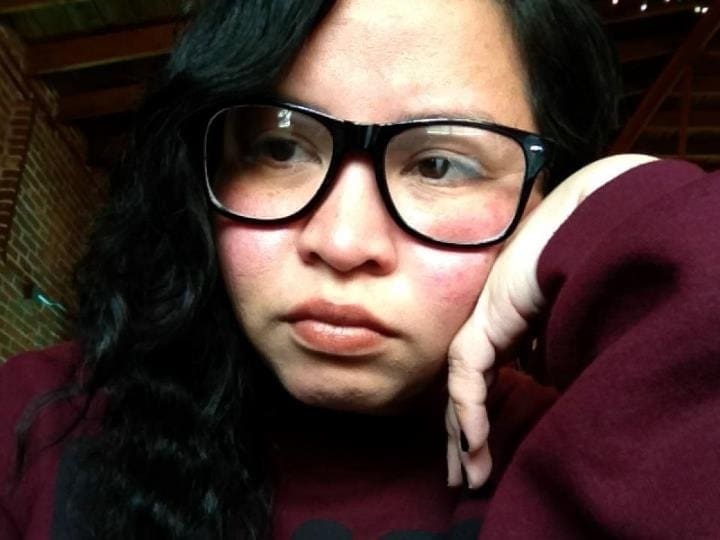
Anna Sarao — dancer, founder of Body Rock Dance Competition, and now a registered associate therapist. Photo: Dance Mogul Magazine archive.
Artist Spotlight · Where She Is Now
Anna Sarao completed the path she described to Dance Mogul in 2013. She is now a Registered Associate Marriage and Family Therapist (AMFT) and a creative and mental-health coach in San Diego — while Body Rock, the competition she founded as “Bustagroove,” has grown into a global event that has run for roughly 25 years. The dancer who once wanted to “facilitate healing” now does it for a living.
When Dance Mogul Magazine first sat down with Anna Sarao in 2013, she was living two lives at once. By day and by night she was one of Southern California’s most respected hip-hop dance leaders — a Culture Shock San Diego alumna, the founder of the Body Rock Dance Competition, and a mentor to a generation of West Coast dancers. But she was also a graduate student, quietly working toward a Master’s Degree in Marriage and Family Therapy, convinced that her purpose reached beyond the stage.
More than a decade later, that quiet conviction has become her career. Anna is now a registered associate therapist and mental-health coach who openly integrates movement, faith, and counseling — the exact vision she named in this interview. Below is that original 2013 conversation, reproduced in full, followed by where her journey has taken her since.
The Original Interview (2013)
As it first appeared in Dance Mogul Magazine.
Dance Mogul Magazine presents another shining female example of arts and education. Anna started her career in dance with a nonprofit organization called Culture Shock Dance Troupe in San Diego. She was a dancer for 8 years and became the Artistic Director from 2000 to 2003. She also served as an adviser for Funkanometry SF in 2004 and Artistic Director for Culture Shock LA in 2009. Anna created BODY ROCK DANCE COMPETITION, now in its 14th year, which is an annual international dance competition. With the success of Body Rock, she started a youth competition division called Body Rock Junior in 2012. Anna previously served as the president of HHDA (Hip Hop Dance Association) and she is currently an alumni dancer for the SuperGalactic Beat Manipulators. She now works closely with SD Ballet and choreographs hip hop sections for the shows “Firebird” and “Alice in Wonderland”. She also is currently working towards her Master’s Degree in Marriage and Family Therapy at Bethel Seminary.
Dance Mogul: At what age did you develop a passion for the arts?
Anna Sarao: I developed a passion for dancing at age 6. I used to watch a lot of Soul Train and What’s Happening on television. It got me into rap/hip hop and copying whatever I watched. By the time I was in junior high, I was making up my own dances and sharing moves with friends.
Dance Mogul: Were your parents supportive of you?
Anna Sarao: No, my parents were never supportive. They insisted that the type of dancing I was doing was “black dancing” and I would get into trouble for learning it because I was not black. They were really traditional too so they discouraged me mostly because it was not a career. My parents saw dancing as a waste of time because it didn’t lead to a college degree or a paycheck.
“My parents saw dancing as a waste of time because it didn’t lead to a college degree or a paycheck.”
Dance Mogul: How did you get started with Culture Shock?
Anna Sarao: I was attending Mesa Community College when I walked by a “hip hop” class taught by Angie Bunch. I ended up signing up for her class every semester and she asked me to come audition for her company called “Culture Shock”. It took me 3 auditions but I trained hard until I made the company.
Dance Mogul: Tell us how you started the Body Rock Dance Competition?
Anna Sarao: I became artistic director for Culture Shock in 2000. There were several things that led me to start a dance competition. First, we were losing our studio and we had to come up with a way to fundraise the rent. Second, a friend of mine from Kaba Modern had suggested the idea to me. We had such a huge network of dance homies from all over and also understood the production aspect from a dancer point of view, it made sense to produce it. And finally, a friend of mine had recently passed away from cancer. This impacted me greatly because, although I was introverted, I wanted to pursue all the things he never got to do. With all of these intentions, I asked 4 girlfriends to help me put on a show – then called Bustagroove. We changed the name to Body Rock 5 years later because a few of my original partners left. Now, two of us continue the event under the name “Consensus Entertainment”. It is a privilege and honor to still be able to put on this show.
Dance Mogul: Tell us about your time with the SuperGalactic Beat Manipulators.
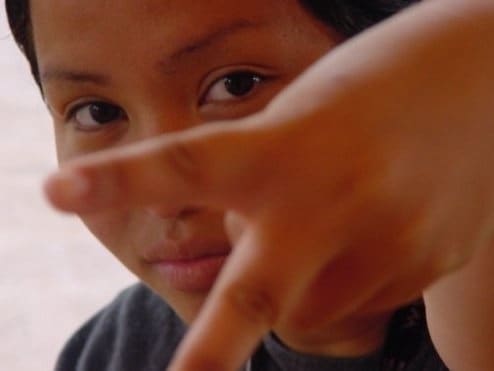
Anna Sarao: SGBM was a group that a good friend of mine, Kevin Brewer (Jabbawockeez), had started. He asked me and a few friends to get down with him. At the time, Kevin was experimenting with his choreography and I basically wanted to learn to freestyle. I was hoping Kevin’s superpowers would rub off on me! It was dope learning from him because it made me see that I had stopped growing. My movement and even method of training had been mostly through taking classes and learning moves from a choreographer. Kevin opened up my mind to think of dancing and even musicality differently. He hears so many beats and the way he teaches is not structured. I had to re-learn how to dance. I realized that I did not connect to music or my own self-expression unless someone else had shown me moves. While I had an awesome time performing and learning with SGBM, it made me hungry to try other types of dance and also go to “sessions” – instead of just class. I am very thankful for that time on SGBM. It was nice to start over after CSSD.
“It made me see that I had stopped growing… I had to re-learn how to dance.”
Dance Mogul: How do you balance pursuing higher education with your dance duties?
Anna Sarao: I honestly have to pray to God on this one. I make plans to do this or that, but I’m only human so sometimes I might forget. My main strategy is to look at my syllabus and get assignments done early. A lot of times, I will sacrifice hang out time with the homies to catch up on reading or do some studying too. And I’m also learning to use ANY extra time I have to double-check my tasks and make sure I have things taken care of.
Dance Mogul: What advice would you have for the young up and coming dancers?
Anna Sarao: I would tell them to have a goal ready and do their research. A lot of time can be wasted when you tell yourself that “it’s just for fun” or think “I’m only twenty”. Find out what kind of career paths there are for dancing and see if you would want to commit to them. Ask other dancers who are in the scene/industry what their life is like, ask how they got their start and if they hold other jobs other than dance. Think about having a support system (people who can encourage you) when things are challenging. Pray for direction because there are many talented dancers out there, but very few who are ready when the opportunity comes.
Dance Mogul: What are your plans for the youth in the future?
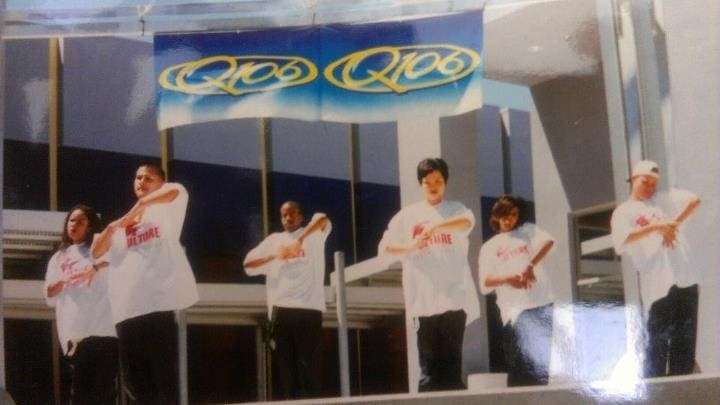
Anna Sarao: I plan to become an Art Therapist (after I graduate from my MFT program). I plan to put on a theatre/dance production of stories I have collected through the years. I hope to be able to integrate my passion for dance and my calling to counsel others/facilitate healing. Hopefully, I will have my own private practice or studio where I can do both!
Dance Mogul: Do you feel Dance Mogul Magazine is needed so that the voices of the next generation of dancers will be heard?
Anna Sarao: Yes! I think Dance Mogul is doing a great job of advocating for young dancers and artists. Young people need all the help they can get. It is an honor to be a part of this Magazine!
Dance Mogul: Is there anyone you want to thank for helping you on your journey?
Anna Sarao: I would like to thank Jesus Christ, my parents, the Abuyo family, Angie Bunch and the Culture Shock Family, Arnel Calvario, Kevin & Cher Brewer, Gary Kendall and Christopher Braswell for all their love and support.
A San Diego Original: The Body Rock Legacy
To understand why Anna’s story resonates, you have to understand what she built. Raised in the National City and Paradise Hills neighborhoods of San Diego, she absorbed hip-hop the way many of her generation did — through Soul Train, Yo! MTV Raps, garage sessions, and school-yard cyphers — long before it was a class you could sign up for. When she discovered a hip-hop course at Mesa College taught by Angie Bunch, the woman who would become her mentor, a personal love became a craft.
That craft became a movement. Founded in 2000 as “Bustagroove” to help pay a studio’s rent, Body Rock grew into one of the most respected dance competitions on the West Coast — a stage that has helped shape the wider world of hip-hop and street dance styles. Anna built it without a business degree or a formal plan, relying instead on what she calls her real skill: making friendships and building community. As she has said in later interviews, her event survived because of the people around it, not in spite of the odds.
But the interview above hinted at something the competition couldn’t contain. Anna kept naming a second calling — counseling, healing, facilitating recovery for others. In 2013, that was still a Master’s program in progress. It would take years of hard, un-glamorous work to become real.
Where Is Anna Sarao Now?
She did it. In the years since this interview, Anna completed her graduate training and became a Registered Associate Marriage and Family Therapist (AMFT) — the credential she was only dreaming about in 2013. Alongside producing an international dance competition, she now works as a creative and mental-health coach, blending movement, faith, and counseling in exactly the way she described to Dance Mogul more than a decade ago. One podcast host affectionately called her a “dance therapist” — a title that turns out to be more literal than anyone expected.
Her path was not a straight line. In her own later interviews, Anna has spoken candidly about being “defeated and deceived,” about learning boundaries the hard way, about dissolving partnerships once she recognized her own worth, and about how hours of talk therapy — alongside her faith and her art — helped her stabilize and rebuild. She learned business by training with the Small Business Administration while working part-time and going to school. That honesty is the point: the woman who now helps others heal did the healing work herself first.
Meanwhile, the competition kept growing. Body Rock — which the 2013 piece described as being in its 14th year — has since become a global event that Anna says has run for roughly 25 years, still anchored in the San Diego dance family that raised her. Body Rock Juniors continues to give the next generation a stage, and she has lent her platform to community causes, including work alongside Melissa Adao’s Outreach Through Dance in support of the San Diego Make-A-Wish Foundation.
“One’s success, longevity, and legacy are rooted in relationships and communities — and the strong bonds created when we have a shared love for dance.” — Anna Sarao, in a later interview
Why It Matters to Dance Mogul Magazine
Anna Sarao’s journey is Dance Mogul Magazine’s thesis made flesh: dance is the foundation, not the ceiling. She began as a young girl whose own parents called her art a waste of time — and she turned that art into a career, a community, a global competition, and finally a licensed practice devoted to healing other people. That arc, from a first hip-hop class to a therapist’s credential, is exactly the kind of transformation DMM exists to document.
Her story also carries a lesson we return to often in our exclusive interviews: the discipline, resilience, and community-building that dance teaches are transferable to any calling. Anna didn’t abandon dance to become a therapist — she carried everything dance gave her into the therapy room. For every young dancer wondering whether their passion has to be either art or a “real” career, Anna is living proof it can be both, and that one can deepen the other.
Keep Exploring
Discover more stories of dancers turning craft into purpose across our Dance Styles Hub, dive into our full archive of Exclusive Interviews, or explore the roots of the culture in Hip-Hop.
The Story Continues
When Anna Sarao told Dance Mogul in 2013 that she hoped to “integrate my passion for dance and my calling to counsel others,” it read like a young artist’s wish. Today it reads like a plan she executed. The dancer who was told her art was worthless built a global stage with it — and then used everything it taught her to help other people find their footing.
That is the through-line of her whole life: growth, service, and the refusal to be limited by anyone else’s definition of what her dancing was worth. We’re proud to have documented the beginning of that chapter — and prouder still to see where it led.
© 2026 Dance Mogul Magazine LLC | dancemogul.com | Inspiring Self-Empowerment Through Dance Culture


