
Building Belonging Where You Are
Belonging is rarely found by moving somewhere better. It is built where you already stand.
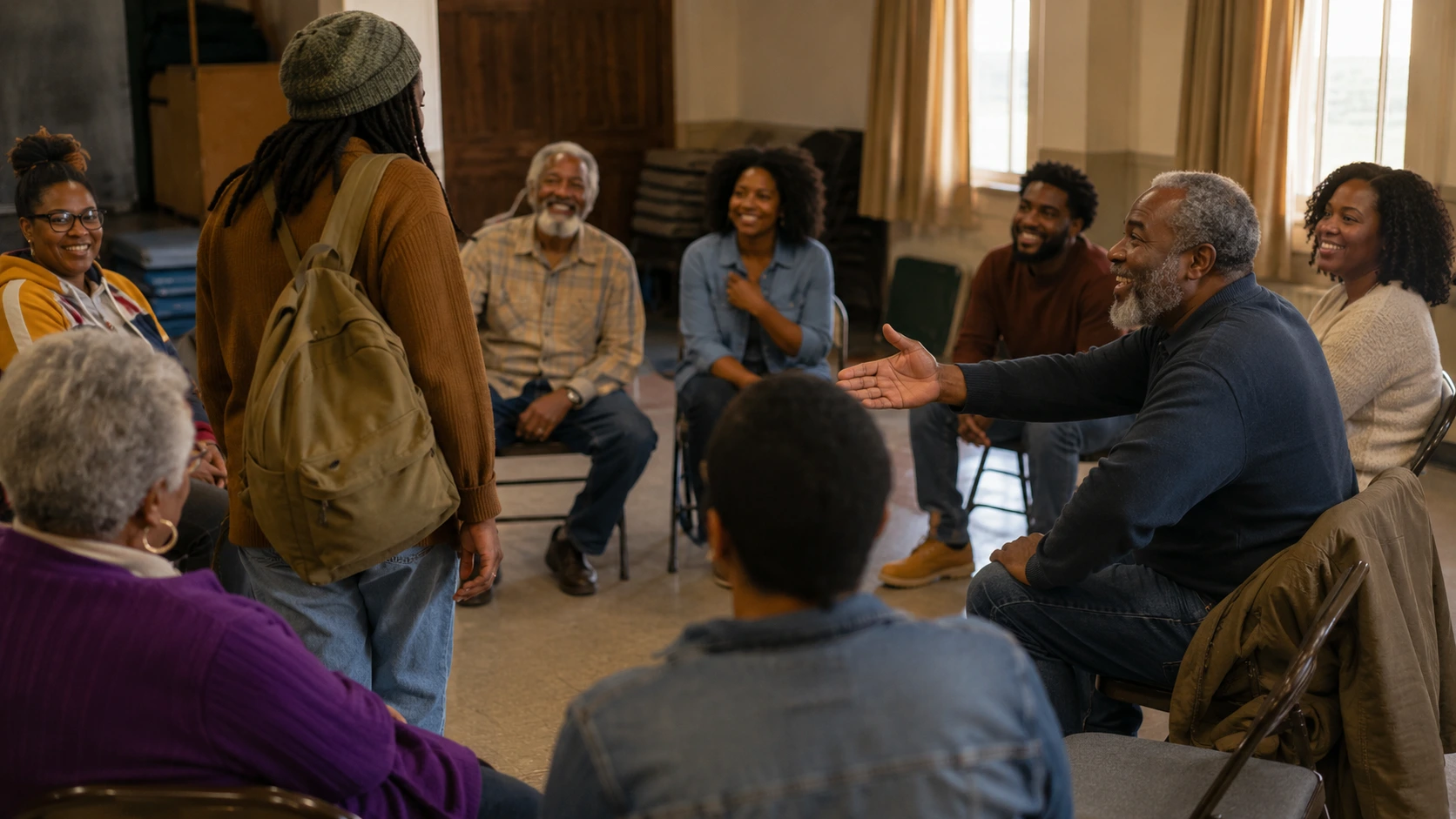
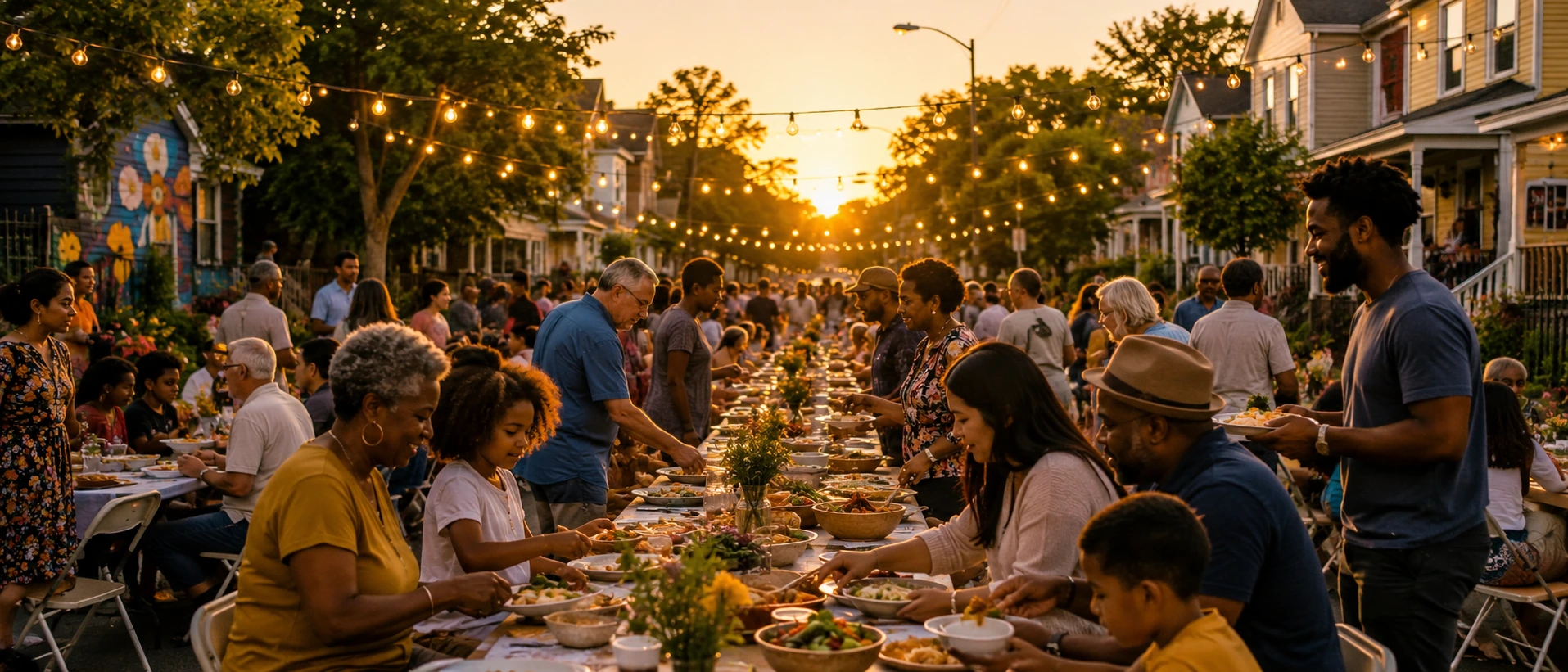
This is a story about belonging, and it begins with someone who has lived in the same town for six years and still feels like a visitor.
Picture a person at a neighborhood event, holding a paper cup, standing at the edge of conversations they are not quite inside of. Everyone seems to already have their people. They wonder what those people know that they do not, and whether belonging is something that was handed out somewhere they were not in the room.
So they do what many people do. They quietly decide the problem is the place. Maybe the next town, the next job, the next city will be the one where they finally fit. They start waiting to be somewhere else before they let themselves belong.
But the belonging they are waiting for is not hiding in another zip code. It is available right where they are, and it is built, not discovered.
Why This Matters Right Now
Belonging has quietly become one of the great shortages of modern life. People move often, work remotely, and scroll past hundreds of faces a day while knowing almost none of them. It is entirely possible to be surrounded and still feel unclaimed.
The pain of that is real, and it drives a lot of restlessness. We assume the feeling of being an outsider means we are in the wrong place, so we keep leaving. But people who move constantly often report the same loneliness in every new town, because they took the one habit with them: waiting to be included instead of building inclusion.
Here is the more hopeful truth. Belonging is not a door someone else opens for you. It is a thing you help build, and once you know that, you stop being at the mercy of whether a place decides to claim you.
Belonging is not something you are granted. It is something you help build, right where you already are.
From Fitting In to Helping Build
Most of the ache around belonging comes from one hidden assumption: that belonging means fitting perfectly into a group that already exists, and that until they accept you, you are stuck outside.
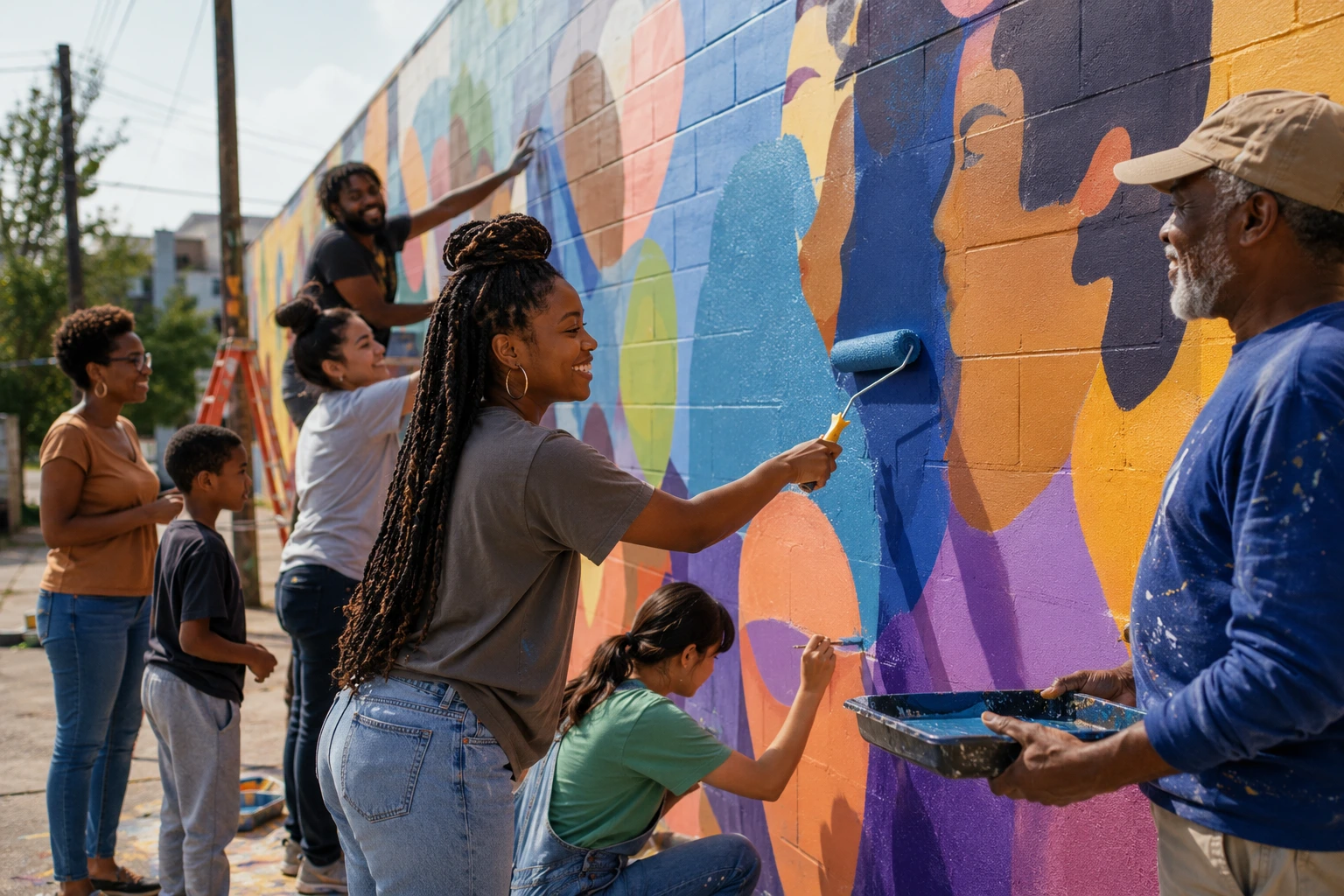
Trade that for a lighter idea. Belonging is what happens when you become a contributor to a place, not just a spectator of it. You do not wait to be let in. You start doing the small things that make a place warmer, and warmth has a way of gathering people around it.
Defined that way, you are never truly on the outside. You are always one small offering away from being part of the fabric, because the people who make a place feel like home are the ones who help make it.
Five Small Ways to Build Belonging
You do not build belonging by waiting to be chosen. You build it by making the first small moves and repeating them.
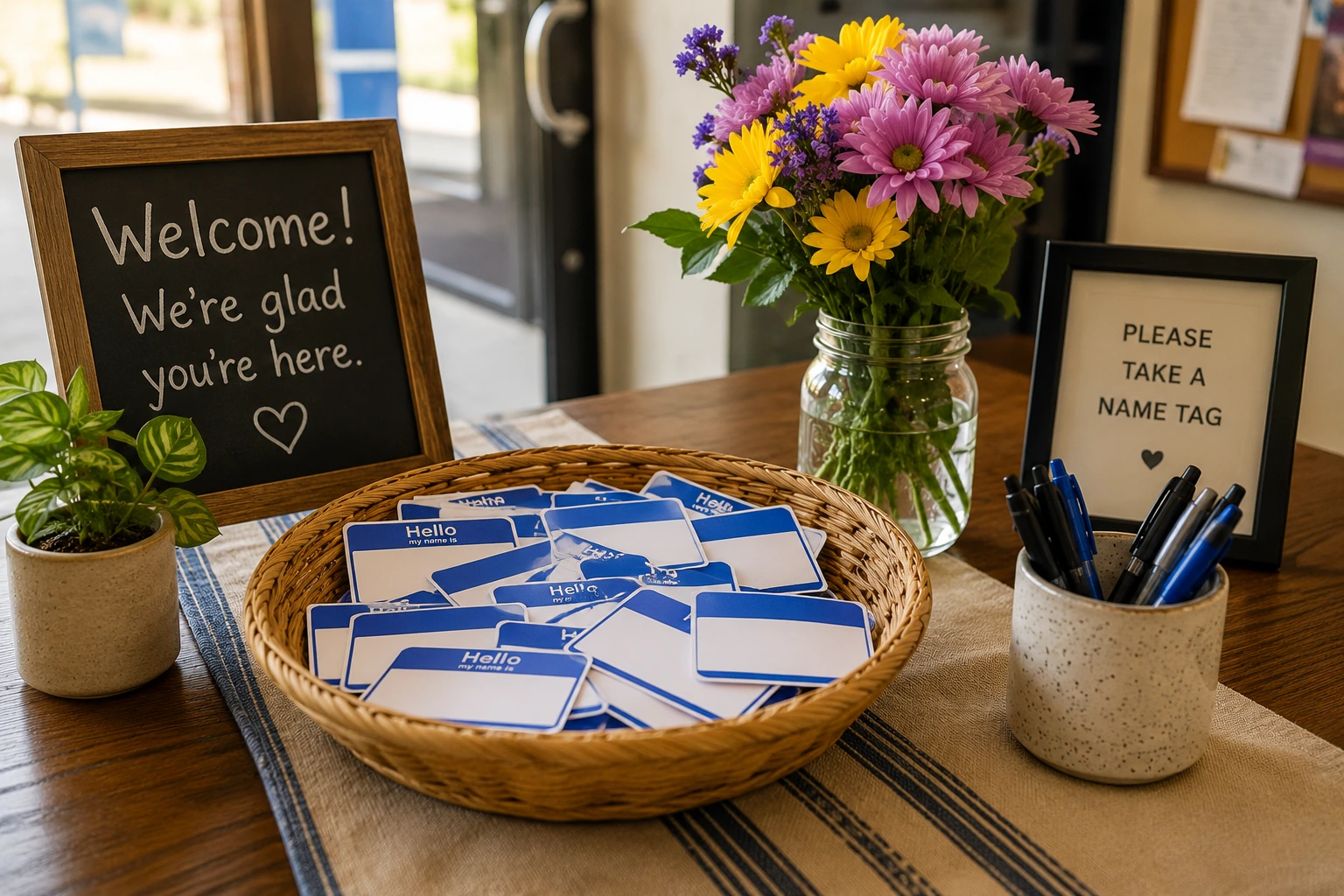
- Introduce yourself first. Do not wait to be approached. Offer your name, ask theirs, and mean it. Being the one who reaches out first is a small act of courage that quietly makes you a host instead of a guest.
- Become a regular. Pick one place, the gym, the coffee shop, the class, and go often enough that people expect you. Familiarity is the soil belonging grows in, and it only comes from returning.
- Host something small. You do not need a big event or a nice house. Invite one family for coffee, start a walk, bring snacks to a meeting. The person who hosts, however humbly, becomes a center that others orbit.
- Join one thing and stay. A team, a class, a volunteer shift, a group of any kind. The magic is not joining, it is staying long enough to move from new face to one of us.
- Remember the details. Names, kids, the trip they mentioned, the hard week they were having. Remembering is how you tell people they matter to you, and mattering is the heart of belonging.
Three Beliefs That Keep People on the Outside
“I have to fit in perfectly first.”
You do not have to become someone else to belong. In fact, communities are strengthened by people who bring something a little different. Trying to erase yourself to fit in usually reads as distance, not belonging. The goal is not to blend invisibly, it is to show up as yourself, consistently, until you are known.
“Belonging should happen quickly.”
It rarely does, and that is not a sign it is failing. Real belonging is built over repeated, ordinary contact, often across many months. If it feels slow, you are probably doing it right. The people who seem instantly connected usually put in quiet time you did not see.
“I am new here, so I cannot build community.”
Newcomers are often the best community builders, because they notice who else is on the edges and go get them. You do not need deep roots to start a table. You need the willingness to pull up chairs. Some of the warmest circles are started by the person who arrived last year.
Three People, Three Quiet Beginnings
The following are composites created for illustration — not real individuals — but the situations will feel familiar.
Aisha is thirty-one and just relocated for a job where she knows no one. Rather than wait for coworkers to fold her in, she starts a low-key Thursday lunch and simply invites whoever is around. Most weeks it is small. But she is now the person who made a thing exist, and six months later that lunch is where new hires are welcomed.
Tom is sixty-two and retired into a quiet neighborhood. He feels invisible until he decides to be the one who says hello on his morning walk. He learns the dogs' names first, then the owners'. Within a season, a street of strangers has become a street where he belongs, built entirely out of small daily greetings.
Priya is nineteen and feels lost at a big school. Instead of searching for the perfect friend group, she joins one club and keeps showing up even when it feels awkward. By staying past the uncomfortable early weeks, she becomes a familiar face, and familiar faces slowly become friends.
What the Dance Community Already Knows About This
At Dance Mogul Magazine, we see belonging built from scratch all the time. A beginner walks into a studio knowing no one and feeling wildly out of place. What turns that stranger into family is not talent. It is returning to the same room until the room becomes theirs.
Read enough of the exclusive interviews we publish and you notice the same arc: an outsider who kept showing up until a scene claimed them. That is the same quiet work this whole Beyond Wealth collection is about, building the intangible riches that make a life feel full.
You do not need a stage to use this. Whatever room you feel like an outsider in right now can become a room you belong to, through the same patient return. Dancers simply learned early that belonging is earned by presence, not granted by permission.
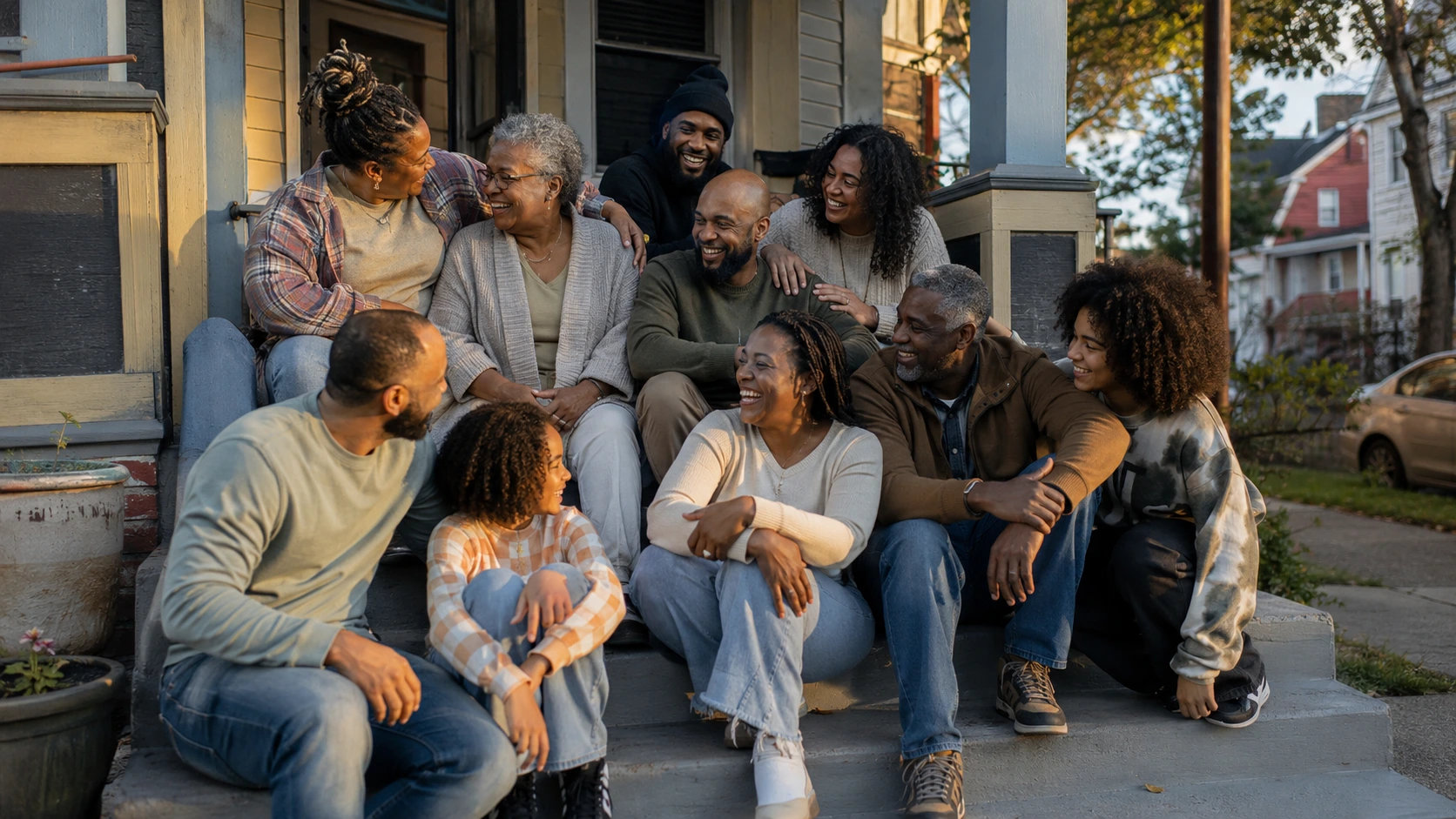
The people who make a place feel like home are almost always the ones who helped build it.
Reflection
Take a few quiet minutes with these.
- Where do I currently feel like a visitor, and how long have I been waiting to be invited in?
- What small thing could I offer to a place instead of waiting to receive from it?
- Who around me might feel as on the edge as I sometimes do?
- Is there one place I could commit to returning to until I am known there?
- When have I felt I truly belonged, and what was actually happening?
- What am I waiting to feel before I let myself belong here?
Talk About It With Your Family
- Where does each of us feel like we belong, and where do we feel on the outside?
- How could our family help someone new feel welcome this month?
- What small thing could we host or start, even a simple one?
- Who in our neighborhood do we still not know by name?
- What makes a place feel like home to each of us?

Your Small Action Step: A Belonging Starter
Take one page. Write down one place you already go, and one small move you could make there this week, saying your name, asking someone theirs, or simply returning on the same day next week.
Then write the name of one person who might feel like an outsider, and one way you could pull up a chair for them. Belonging spreads fastest when the person who felt left out becomes the one doing the inviting.
Key Takeaways
- Belonging is built where you already are, not found by moving somewhere better.
- You belong by becoming a contributor to a place, not a spectator of it.
- Introduce yourself first, become a regular, and remember the details.
- You do not have to fit in perfectly; consistency matters more than sameness.
- Newcomers are often the best community builders, because they notice the edges.
- The people who make a place feel like home are usually the ones who helped build it.
Frequently Asked Questions
Why do I still feel like an outsider after years in the same place?
Usually because belonging was being waited for rather than built. Time in a place does not create connection on its own, repeated, intentional contact does. The good news is you can start building it today without going anywhere new.
Isn't it easier to just find people who are already like me?
Shared interests help you start, but they are not required for belonging. Belonging comes from consistent contact and mutual care, which can grow between fairly different people. Do not narrow your search so much that you miss the neighbors right beside you.
What if I introduce myself and it's awkward?
Awkwardness is the normal cost of starting, not a sign you did it wrong. Most people are relieved when someone else makes the first move. Keep the offers small and low-stakes, and the awkward moments fade fast.
I've moved a lot. Do I have to start completely over each time?
You start the relationships over, but not the skill. If you know how to become a regular, introduce yourself, and remember details, you can rebuild belonging faster in each new place. The method travels with you even when the people do not.
How long does it take to actually feel like I belong somewhere?
Often several months of steady, ordinary contact, sometimes longer. It is slower than people hope and that is normal. The people who look instantly connected usually put in quiet, invisible time first.
Can I build belonging if I'm the new person?
Yes, and newcomers are often especially good at it. Because you know how it feels to be on the outside, you tend to notice others there too. Start one small table and invite the people on the edges, including yourself.
Next in This Collection: The Quiet Power of Showing Up
The Community path continues, and each piece builds on the last.
The next article, “The Quiet Power of Showing Up,” carries the thread forward into the next part of building a life rich in people.
- Why Community Is Real Wealth
- Building Belonging Where You Are — you are here
- The Quiet Power of Showing Up
- Giving Without Keeping Score
- Leaving a Community Stronger
Dance Mogul Magazine publishes the Beyond Wealth collection for educational and inspirational purposes. It is not financial, legal, tax, medical, or mental-health advice, and it is not a substitute for guidance from a licensed professional who knows your situation. The people described in the examples are composites created for illustration and do not represent real individuals.
© Dance Mogul Magazine. All rights reserved.