
Media, Technology & Innovation
The Future of Dance: Technology, Innovation, and the Next Generation of Movement Culture
Motion capture, AI, virtual reality, and wearables are reshaping how dancers learn, create, and perform — without ever replacing the human at the center.
By Dance Mogul Magazine — The First Black Owned Father-and-Son Dance Publication, Inspiring Self-Empowerment Since 2010
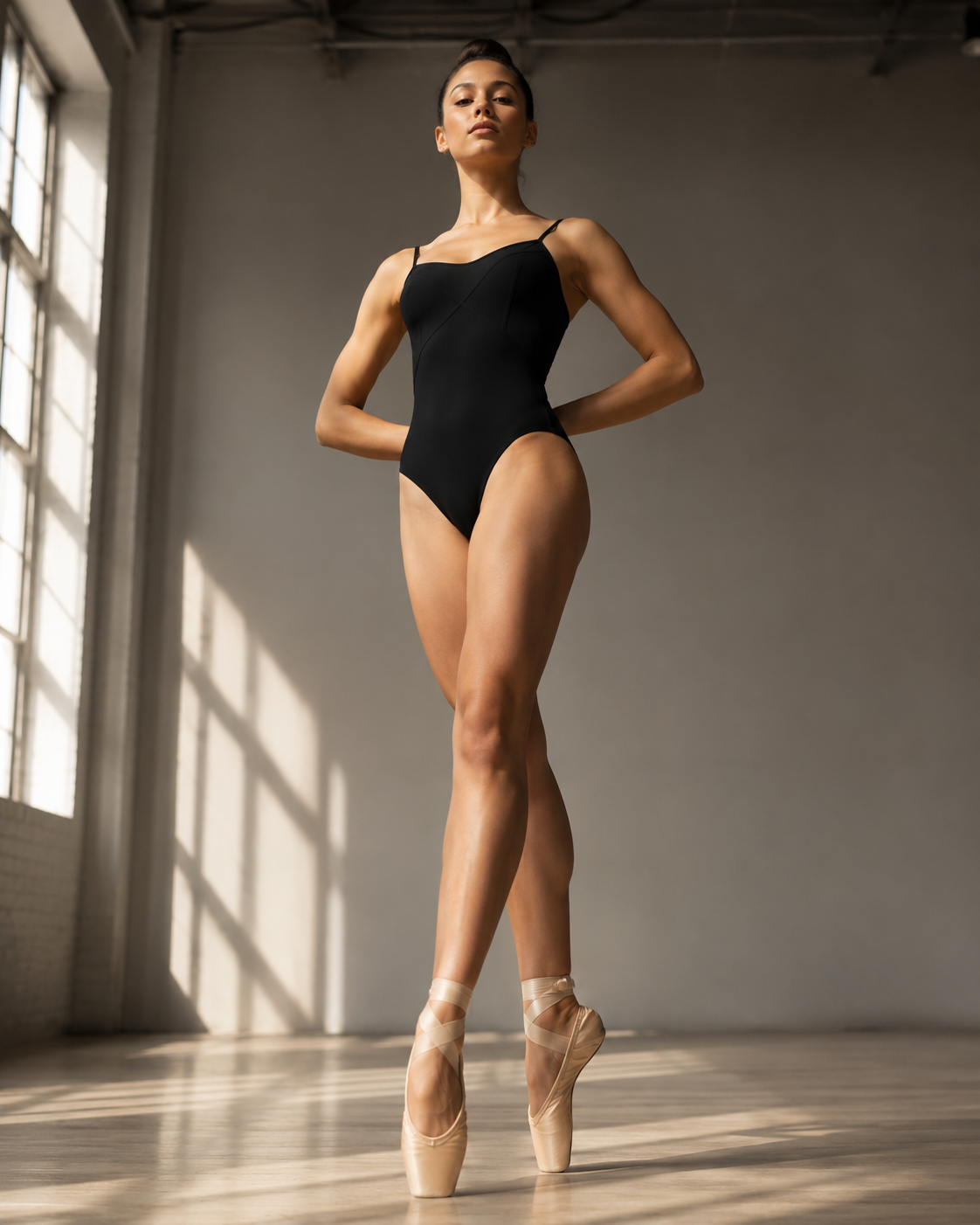
Dance is one of the oldest forms of human expression, and yet it is being transformed faster right now than at any point in history. New tools are changing how dancers train, choreograph, document, and reach audiences. The dancers who understand these tools — and use them intentionally — will define the next era of movement culture. The ones who fear them risk being left behind. This is a forward-looking map of where dance and technology are heading.
Motion Capture: Preserving the Invisible
Motion capture records movement as data, allowing a performance to be studied, preserved, and reproduced with precision once impossible. For dancers it means choreography can be archived the way music is recorded, technique can be analyzed frame by frame, and movement can be translated into film, games, and virtual worlds. It is, in a real sense, a way to make movement permanent.

Artificial Intelligence: The Algorithmic Collaborator
AI is becoming a creative partner rather than a replacement. Choreographers are already using AI systems to generate movement ideas, find unexpected pathways, and break creative habits — the way pioneering artist Wayne McGregor has experimented with machine-learning tools trained on decades of his own work. The key word is collaborator: the human still decides what is beautiful, what is true, and what is worth keeping.

Technology doesn’t replace the human element in dance — it amplifies it, creating new vocabularies of expression.
Virtual and Augmented Reality: Stepping Inside the Dance
VR lets an audience stand in the center of a performance rather than watching from a seat, while augmented reality layers digital elements onto the live stage. For dancers in under-resourced communities, these tools can democratize access — putting world-class instruction and performances within reach of anyone with a headset or a phone.
Wearables and Smart Fabrics
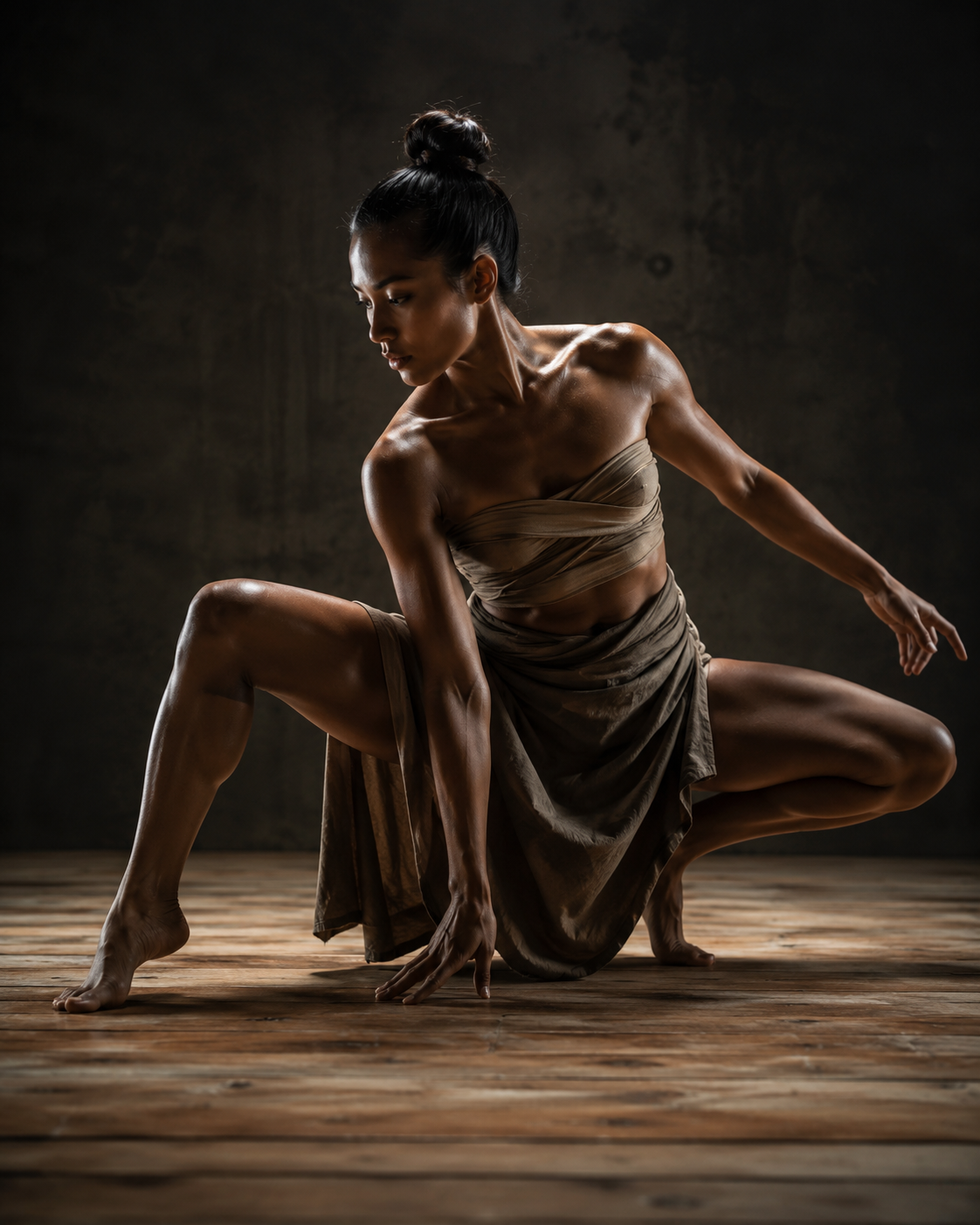
Sensors woven into clothing can now track a dancer’s movement, effort, and alignment in real time. The promise is twofold: smarter training that helps prevent injury, and interactive performance where the body itself triggers light, sound, and visuals.
The Real Frontier: Visibility
For working dancers, the most important technology is often the simplest: a real online presence. Algorithms, AI search, and social platforms now decide who gets discovered. A dancer without a documented digital footprint can be invisible to the very people trying to find them. We break this down fully in why every dancer and artist needs a website and press coverage.
Building a Future-Proof Career
Technology rewards the prepared. Dancers who pair their artistry with digital literacy, financial stability, and a clear brand will thrive in the next decade. Start with the foundations of a sustainable career in our guide to freelance dancer finances, and widen your view of the art with the full range of dance styles DMM covers.
Social Media and the Creator Economy
For this generation, the biggest technological shift is not a headset — it is the phone. Social platforms turned dancers into broadcasters, choreographers into educators, and a single clip into a global career launch. The dancers who treat their content as craft — with intention, consistency, and quality — are building audiences and income that were impossible a decade ago. But platforms change, algorithms shift, and rented audiences can vanish overnight, which is exactly why owning your own home base matters.
The Risks Worth Watching
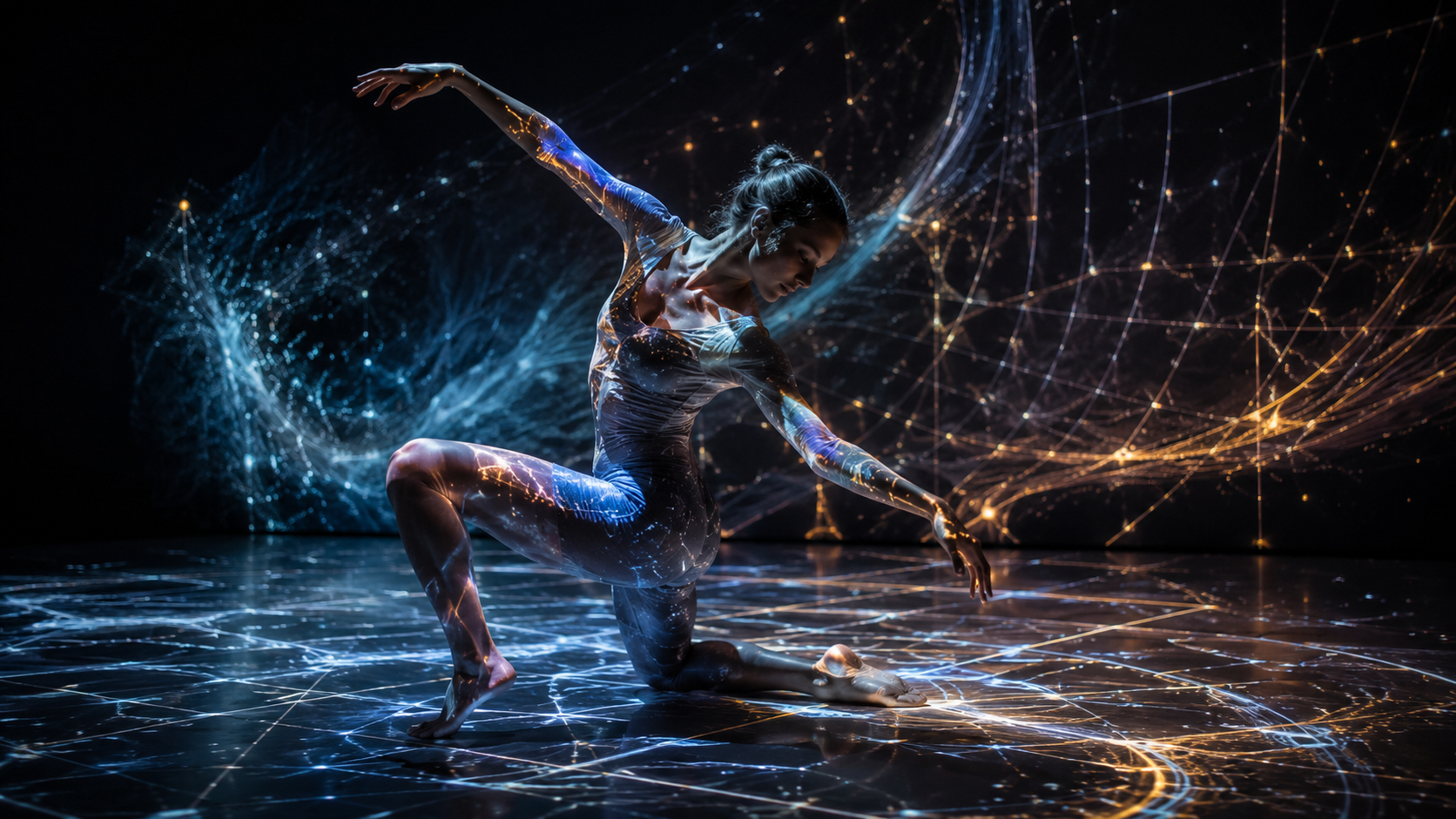
Every tool has a shadow side. AI raises real questions about credit and ownership of choreography. Constant comparison on social media can damage a young dancer’s mental health and creative confidence. And the pressure to chase trends can pull artists away from their authentic voice. The answer is not to retreat from technology — it is to use it with clear values and strong boundaries.
Preparing the Next Generation
The dancers who will lead the next era are being trained now. Preparing them means teaching not just movement, but digital literacy, financial discipline, and cultural grounding — so that technology becomes a tool in their hands rather than a force that uses them. That blend of art and readiness is the future Dance Mogul Magazine is built to support.
The future of dance is not machines replacing dancers. It is dancers using every available tool to create and connect in ways we are only beginning to imagine.