
Products & Gear
Why Quality Dancewear and Dance Shoes Matter for Every Dancer
Performance, safety, confidence, and longevity — how the right gear supports the art and the artist.
By Dance Mogul Magazine
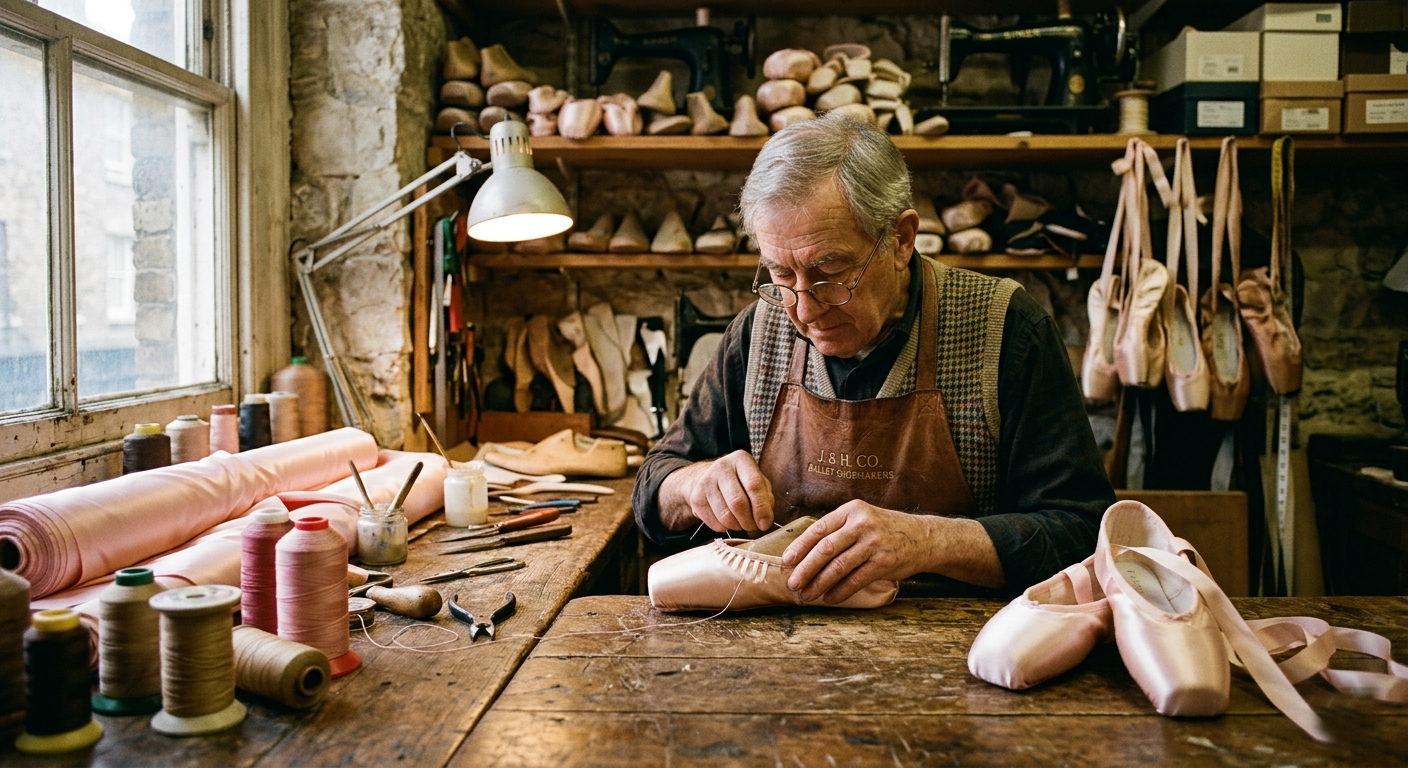
In the world of dance, every detail matters. The music, the choreography, the technique, the artistry — all of it contributes to the final performance. But one element that is often overlooked, especially by beginners or those outside the industry, is the importance of high-quality dancewear and dance shoes. These are not simply clothing items or accessories — they are tools of the craft. They shape how dancers move, how they feel, how they train, and ultimately how they perform.
Dance is one of the most physically demanding art forms. The body is the instrument, and dancewear is the interface between the dancer and the movement. When the clothing or shoes are poorly made, ill-fitting, or cheaply constructed, the dancer’s performance suffers. When they are thoughtfully designed and crafted with high-quality materials, the dancer is supported, protected, and empowered to reach their full potential.
How Quality Dancewear Enhances Performance
Every seam, fabric choice, and structural detail in quality dancewear serves a function. A well-constructed leotard provides stability through the torso without restricting breath or flexibility. High-quality tights offer compression that supports muscles and improves circulation. A properly fitted pair of ballet slippers allows the dancer to articulate through the foot with precision.
When dancewear is made from inferior materials, it can sag, stretch out, or lose its shape — affecting alignment, technique, and even the dancer’s ability to execute movements safely. A leotard that shifts during a turn or a pair of tights that bunch at the ankle creates distraction at critical moments. Quality dancewear stays in place, maintains its structure, and moves with the dancer, not against them.
The psychological impact is equally important. Dancers who feel secure and comfortable in their attire perform with more confidence. They are not preoccupied with adjusting straps, pulling up waistbands, or worrying about transparency under stage lights. Quality dancewear becomes a second skin — something the dancer can trust completely.
Why Quality Dance Shoes Are Non-Negotiable
If dancewear is the interface between the dancer and the movement, dance shoes are the interface between the dancer and the floor. They are arguably the most important piece of equipment a dancer owns. Poor-quality shoes can lead to blisters, sprains, tendonitis, and long-term injuries. High-quality shoes support proper technique and protect the body.
In ballet, pointe shoes must be meticulously crafted to support the dancer’s weight on the tips of their toes. A poorly made pointe shoe can collapse, twist the foot, or fail to provide the necessary platform for balance. Jazz shoes, tap shoes, ballroom heels, and sneakers for hip-hop all have their own technical requirements. A tap shoe with poorly attached taps produces muddy sounds. A ballroom heel without proper shank support causes ankle instability. A jazz shoe made from cheap leather stretches unevenly and compromises foot articulation.
“Dance shoes are not fashion items — they are performance equipment. Quality determines both safety and success.”
The Science Behind High-Quality Materials
Quality dancewear is rooted in science. Fabrics must be breathable, moisture-wicking, durable, and flexible. High-quality brands invest in advanced textiles that regulate temperature, prevent odor, and maintain elasticity even after repeated washing. Compression fabrics help reduce muscle fatigue by improving blood flow. Technical mesh panels provide ventilation without sacrificing support. Double-stitched seams prevent tearing during extreme movement.
In dance shoes, the materials are even more critical. High-quality leather molds to the foot over time, creating a custom fit. Suede soles allow for controlled turns and slides. Shock-absorbing insoles protect the joints during jumps. These features are the result of decades of research and craftsmanship. Cheap materials cannot replicate this performance — they wear out faster, lose structure, and fail to provide the necessary support. For dancers who train multiple hours a day, this is not just inconvenient — it is dangerous.
Injury Prevention and Long-Term Health
Dancers are athletes. Their bodies endure intense physical stress, and the wrong clothing or shoes can increase the risk of injury. Proper arch support in dance shoes helps prevent plantar fasciitis. Shock-absorbing soles reduce impact on knees and hips. Compression fabrics reduce muscle vibration, which can lead to fatigue and strain. Even a well-fitted leotard can improve posture and alignment, reducing the risk of back injuries.
In contrast, low-quality dancewear contributes to chronic issues. Shoes that lack support force the dancer to compensate with improper technique. Fabrics that do not breathe can cause overheating and dehydration. Investing in quality is about protecting the body that makes the art possible — an investment that pays dividends throughout an entire dance career across every style.
Durability and Cost Efficiency
One of the biggest misconceptions is that high-quality dancewear is too expensive. In reality, it is often more cost-effective in the long run. Cheap dancewear wears out quickly, loses elasticity, fades, or tears. Dancers end up replacing these items frequently, spending more over time than they would on a single high-quality piece. Quality dancewear is built to last — it withstands sweat, stretching, washing, and constant movement. For dancers who train daily, durability is essential. Quality ensures reliability, and reliability saves money.
Professionalism and Presentation
In the dance world, presentation matters. Whether in class, rehearsal, audition, or performance, dancers are expected to look polished and professional. High-quality dancewear contributes to this standard — it fits better, photographs better, and enhances the lines of the body. For auditions especially, quality can make a difference. A dancer wearing well-fitted, high-quality attire appears more prepared, more serious, and more confident. Directors and choreographers notice these details — dancers who invest in their tools are dancers who invest in their craft.
Supporting Ethical Production
Many high-quality dancewear brands prioritize ethical manufacturing, fair labor practices, and sustainable materials. By choosing quality, dancers support companies that value craftsmanship, sustainability, and human dignity. Quality is not just about the product — it is about the impact behind the product. To learn more about building a sustainable dance career, explore the business of dance resources at Dance Mogul Magazine.
Final Thoughts
Quality matters in dancewear and dance shoes because dance itself demands excellence. The body is the instrument, and the clothing and shoes are the tools that support it. High-quality dancewear enhances performance, prevents injury, boosts confidence, and reflects professionalism. It is durable, cost-effective, and ethically responsible.
Most importantly, quality allows dancers to focus on what truly matters — the movement, the artistry, and the story they are telling. In a discipline where every detail counts, quality is not optional. It is foundational. It is transformative. And it is one of the most important investments a dancer can make in their craft.