
Building a Career That Lasts
The fastest rise is rarely the one that holds. A lasting career is built, not sprinted.

This is a story about building a career that lasts, and it starts with someone watching a peer shoot past them and feeling quietly left behind.
Picture a capable person, good at what they do, opening their shop or their laptop on an ordinary morning. Somewhere online, someone the same age is being celebrated for an overnight rise. It stings. The quiet worry creeps in: maybe steady is the same as stuck, and maybe they are already falling behind.
What they cannot see from the outside is how many of those fast rises quietly come apart. The flashy launch with no craft under it. The title earned before the skill. The name that got big before it got good, and could not hold the weight.
They are not behind. They are building the one kind of career that actually survives the decades, and this article is about how that is done.
Why This Matters Right Now
We live in a culture that worships speed. The overnight success, the youngest-ever, the rocket launch. It teaches us that if we are not rising fast, we are failing, and it makes patient building feel like a personal shortcoming.
But a career is long, often forty or fifty years, and the traits that win the first sprint are rarely the ones that carry the marathon. Speed without foundation tends to collapse the first time conditions get hard, while quiet, well-built careers keep standing through downturns, layoffs, and reinventions. The question is not how fast you rose. It is whether what you built can hold.
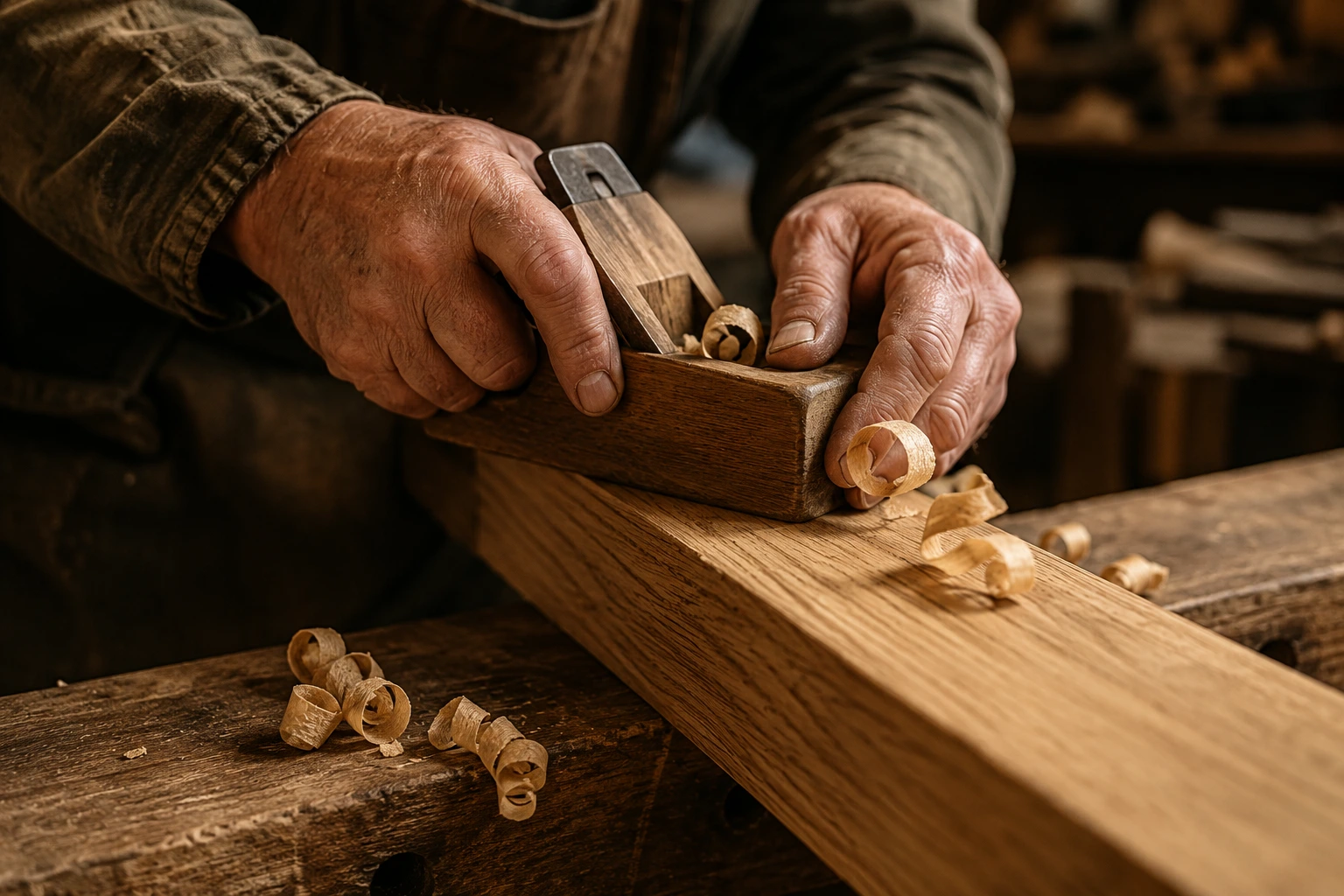
A career that lasts rests on things that do not trend: real skill, a trustworthy name, the ability to adapt, and relationships you actually tended. None of them are glamorous. All of them compound. And together they are worth far more over a lifetime than any early head start.
A career that lasts is not the one that rises fastest. It is the one built on foundations you can still stand on in year twenty.
A Longer, Sturdier Definition of Success
Most of the anxiety around careers comes from one narrow definition: that success means climbing fast and being seen doing it, ideally young. Measured that way, almost everyone feels behind almost all the time.
So trade it for a sturdier one. A successful career is one that is still standing, still growing, and still wanted decades in. Success is not the height of your first jump. It is your staying power, your ability to keep being useful as the world changes around you.
Defined that way, the slow builders are not losing. They are playing a longer game, and it is the game that actually pays out. The goal is not to peak early. It is to still be climbing when the early peakers have long since burned out.
Five Ways to Build a Career That Lasts
A durable career is not built by one big move. It is built by a handful of unglamorous habits, repeated for years.
- Master the fundamentals first. Before you chase the title, get genuinely good at the core work. Skill is the one asset no layoff, no downturn, and no rival can take from you. Everything else is built on top of it.
- Build a name you would stake everything on. Do work you are proud to sign, keep your word, and be someone others want to work with again. A trustworthy reputation opens doors for decades, quietly, long after any single project is forgotten.
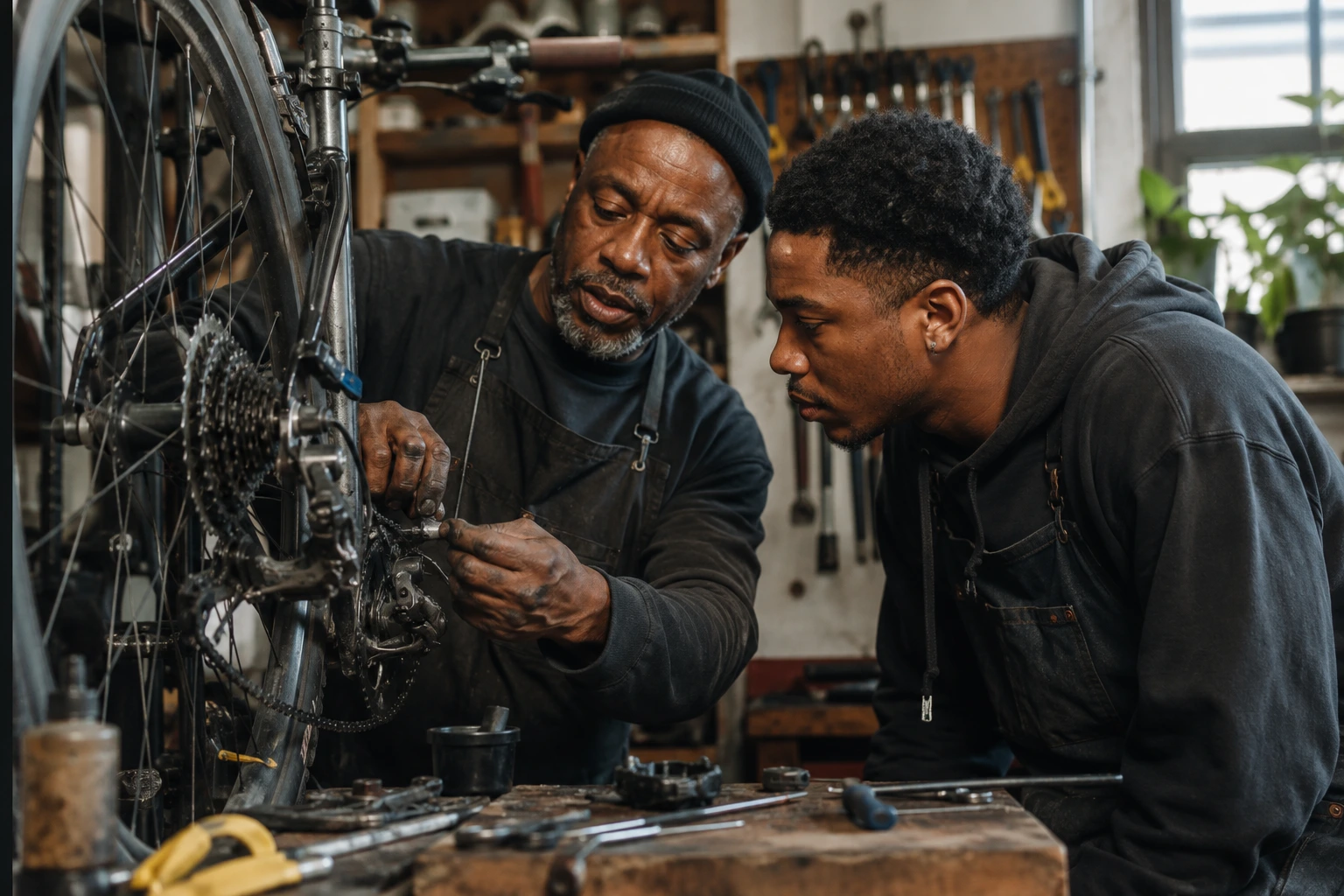
- Keep learning after you are already good. The most dangerous moment in a career is the one where you decide you have arrived. Fields change. Keep a beginner's willingness to learn, and you stay relevant while others quietly age out.
- Tend your relationships on purpose. Most opportunities travel through people, not applications. Stay in touch, help others without an agenda, and be the colleague people remember warmly. Your network is a slow-built asset that pays out for a lifetime.
- Build for durability, not just the next rung. Ask not only whether a move looks impressive now, but whether it makes you sturdier for the long haul. Choose the option that deepens your skill and your reputation, even when a flashier one is available.
Three Beliefs That Cut Careers Short
“Faster is always better.”
Speed is thrilling, but a career built too fast is usually built on thin ground. The rapid rise that skips the fundamentals tends to crack the first time it is tested. Steady building is not a consolation prize for people who could not go fast, it is often the wiser strategy, chosen on purpose by people playing the long game.
“One big break makes a career.”
We love the story of the single lucky moment, but careers are almost never made by one event. They are made by what you do with the ordinary years between the rare big moments. The break opens a door, but your skill, reputation, and consistency are what let you walk through it and stay.
“Loyalty is dead, so do not bother investing.”
It is true that jobs are less permanent than they once were, but that makes relationships and reputation more valuable, not less. In a world where you will change roles many times, the people who know your work and vouch for you are your real security. Investing in others is not naive. It is how durable careers are quietly built.
Three People, Three Quiet Approaches
The following are composites created for illustration — not real individuals — but the situations will feel familiar.
Jordan is twenty-seven and chasing titles. He jumps jobs every year for a slightly bigger name on the door, but never stays long enough to get truly good at anything. A mentor gently points this out, and he changes course, staying put long enough to master the craft. Two years later he is not just senior in title, he is genuinely, unshakably skilled, and it shows.
Nia is forty-one and just got laid off. The news is frightening, but within weeks three former colleagues reach out with leads, because for years she did good work and treated people well. Her reputation, built quietly over a decade, turns out to be the safety net her job never was. She lands somewhere better than where she left.
Sam is fifty-five and watched his field transform. Many of his peers stopped learning years ago and are now struggling to stay relevant. Sam kept a beginner's habit of picking up new tools every year. He is not the fastest anymore, but he is still wanted, still useful, and still working, precisely because he never decided he had arrived.
What the Dance Community Already Knows About This
At Dance Mogul Magazine, we have documented more long careers than short ones, and the pattern is unmistakable. The dancers who last are almost never the ones who blew up fastest. They are the ones who kept training, kept their name clean, and kept adapting as styles and industries shifted around them.
The styles and traditions we document reward the patient far more than the flashy, and the artists who build careers that last treat the work like a craft, not a lottery ticket. That same long-game mindset shapes our goal-setting workbooks, which are built for steady building rather than overnight results.
You do not have to be a dancer for this to apply. Whatever your field, the fundamentals hold: master the craft, guard your name, keep learning, tend your people. Dancers simply learned early that the spotlight is fleeting, but a well-built career can last a lifetime.
Skill, reputation, adaptability, and relationships do not trend, and they do not fade. They compound, quietly, for decades.
Reflection
Take a few quiet minutes with these.
- Am I building real skill right now, or just chasing the next title?
- If I lost my job tomorrow, who would vouch for me, and why?
- When did I last learn something genuinely new in my field?
- Which relationships have I been neglecting that I should tend?
- Am I making choices for how they look now, or for how sturdy they leave me?
- What would it mean to still be growing in this work twenty years from now?
Talk About It With Your Family
- What does a successful working life look like to each of us?
- Are we measuring careers by speed, or by staying power?
- What skills is each of us building that will still matter in ten years?
- Who in our lives has built a career worth admiring, and how did they do it?
- How can we support each other through the slow, unglamorous building years?

Your Small Action Step: A Career Foundations Audit
Take one page. Rate yourself honestly on the four foundations: skill, reputation, adaptability, and relationships. For each, write one sentence on where you are strong and one on where you are thin.
Then pick the single weakest foundation and write one small thing you will do this month to strengthen it. A lasting career is built one deliberate reinforcement at a time.
Key Takeaways
- A career that lasts is built on foundations, not on the speed of your first rise.
- The four foundations, skill, reputation, adaptability, and relationships, compound for decades.
- Master the fundamentals before chasing titles; skill is the asset no one can take.
- Keep learning after you are already good, or you quietly age out.
- In a world of frequent change, reputation and relationships are your real security.
- Success is not peaking early; it is still climbing when the early peakers have burned out.
Frequently Asked Questions
Am I falling behind if my career is moving slowly?
Not necessarily. Slow, well-built careers often outlast fast ones, because they rest on real skill and reputation. What matters is whether you are getting genuinely better and building a name you can trust, not how you compare to someone else's highlight reel.
Isn't chasing bigger titles the way to get ahead?
Titles help, but chasing them at the expense of real skill is a common trap. A senior title with shallow ability tends to crack under pressure. Get genuinely good first, and let the titles follow the substance rather than outrun it.
Do I really need to keep learning once I'm established?
Yes, arguably more than ever. Fields change, and the moment you decide you have arrived is the moment you start aging out. Keeping a beginner's willingness to learn is what keeps established people relevant for decades.
Is networking really that important, or is it just who you know?
It is less about schmoozing and more about being someone whose work people know and trust. Most opportunities travel through relationships, so tending them genuinely, helping others without an agenda, is one of the most durable career investments you can make.
What if I got a slow start or changed fields late?
A late or slow start is not a disqualification. Careers are long, and many people find their footing well into midlife. The foundations, skill, reputation, adaptability, relationships, can be built at any age, and they compound from wherever you begin.
How do I know if a job move is a good one?
Ask not only whether it looks impressive now, but whether it makes you sturdier for the long haul, deeper skill, a stronger name, better relationships. The move that builds your foundations usually beats the one that just adds a shinier line to your resume.

Next in This Collection: The Craft Behind the Career
The Career & Craft path continues, and each piece builds on the last.
The next article, “The Craft Behind the Career,” carries the thread forward into the next part of building a working life that matters.
- Building a Career That Lasts — you are here
- The Craft Behind the Career
- Reputation Is a Kind of Wealth
- Growing Through Setbacks
- Work That Outlives You

Dance Mogul Magazine publishes the Beyond Wealth collection for educational and inspirational purposes. It is not financial, legal, tax, medical, or mental-health advice, and it is not a substitute for guidance from a licensed professional who knows your situation. The people described in the examples are composites created for illustration and do not represent real individuals.
© Dance Mogul Magazine. All rights reserved.