
Growing Through Setbacks
A setback is tuition, not a verdict. Resilience is itself a craft you can build.

This is a story about setbacks, and it starts on the back step of a shop that just had to close its doors.
Picture someone sitting there in the quiet after the bad news, sleeves rolled up, the weight of a failed venture or a lost job settling in. The first thoughts are the cruel ones. Maybe I am not cut out for this. Maybe everyone was right. Maybe this is where the story ends.
But look closer and you notice something in their posture. They are not collapsed. They are thinking. Underneath the disappointment, a quieter question is already forming: what is this trying to teach me, and what do I build next?
That question is the whole subject of this article. Because the difference between people whose careers survive setbacks and people whose careers end at them is rarely talent or luck. It is what they do with the fall.
Why This Matters Right Now
We are sold a version of success that is a smooth upward line, and we quietly believe that any dip in it is a sign of failure. So when the setback comes, and it always comes, we experience it not just as a hard event but as a verdict on our worth.
That belief is both false and expensive. Every long career contains failures, layoffs, rejected work, ventures that did not make it. The people who go far are not the ones who avoided all of that. They are the ones who learned to treat a setback as information rather than a sentence, and kept moving. Meanwhile, those who read one failure as proof they are not enough often quit right before the turn.
Resilience is not a personality trait some lucky people are born with. It is a craft, made of specific, learnable habits, and it may be the single most important skill a working life can have. The setback is coming for all of us. What we practice is how we meet it.
A setback is tuition for a lesson you needed, not a verdict on whether you belong. What you do with the fall is the whole thing.
From Verdict to Tuition
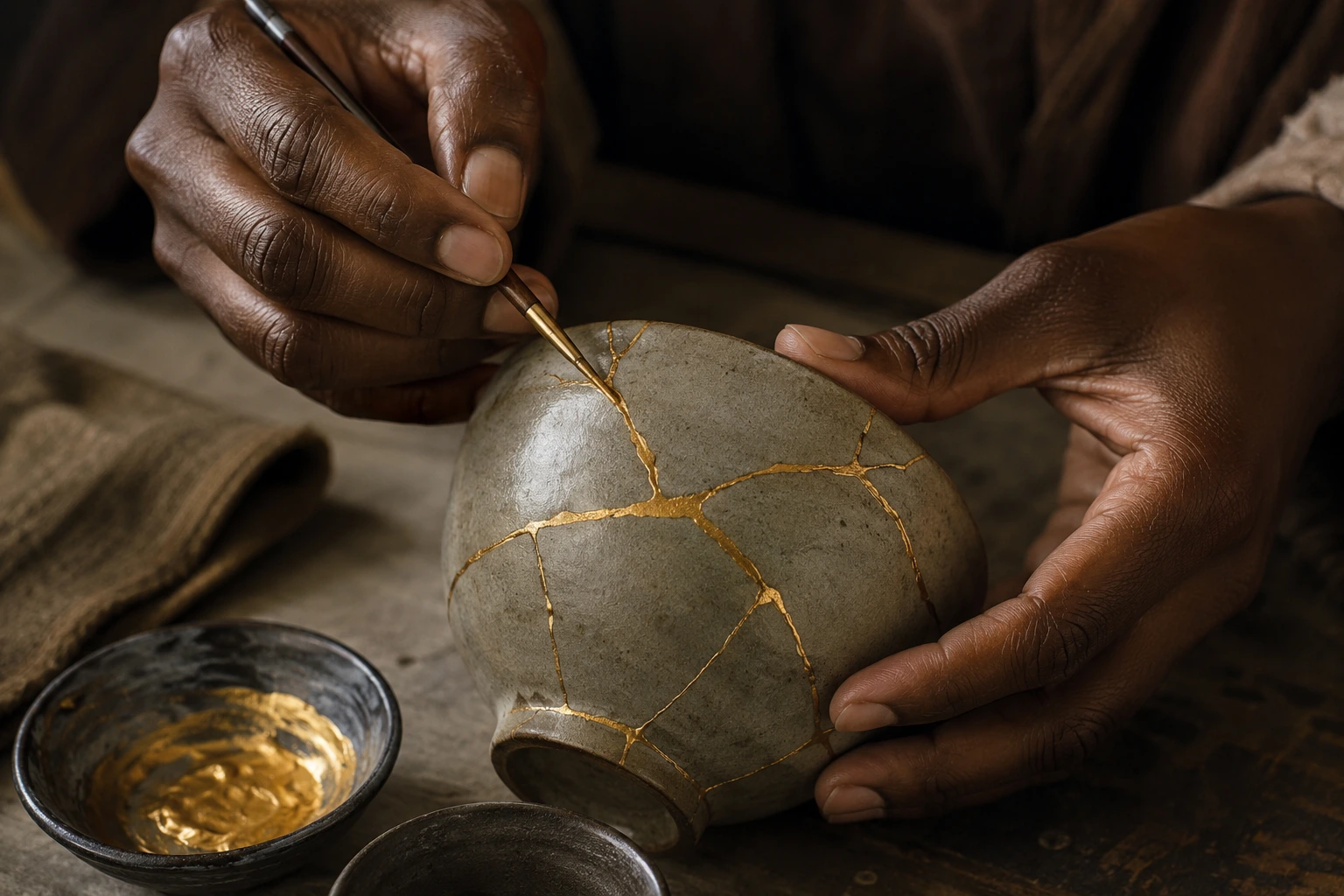
Most of the pain of a setback comes from one interpretation: that it means something permanent about you, that you failed because you are a failure, and that the door is now closed.
Trade that for a kinder and more accurate frame. A setback is tuition. It is the price of a lesson you probably needed, often an expensive and painful one, but a lesson nonetheless. Reframed that way, the question stops being am I good enough and becomes what did this just teach me, and what will I do differently.
Defined that way, a setback is not the end of the story but a chapter in it, and usually a pivotal one. Almost everyone whose work you admire has a pile of failures behind them. The failures did not disqualify them. They shaped them.
Five Ways to Grow Through a Setback
Resilience is a craft, and like any craft it is built from specific, repeatable moves you can practice.
- Separate the setback from your worth. A failed project is something that happened, not something you are. Feel the disappointment honestly, but refuse to let one event redefine your whole value. You are not your worst week.
- Extract the lesson before you move on. Before rushing to the next thing, ask honestly what this taught you. Every setback carries information you could not have learned any other way. Pay the tuition by actually collecting the lesson.
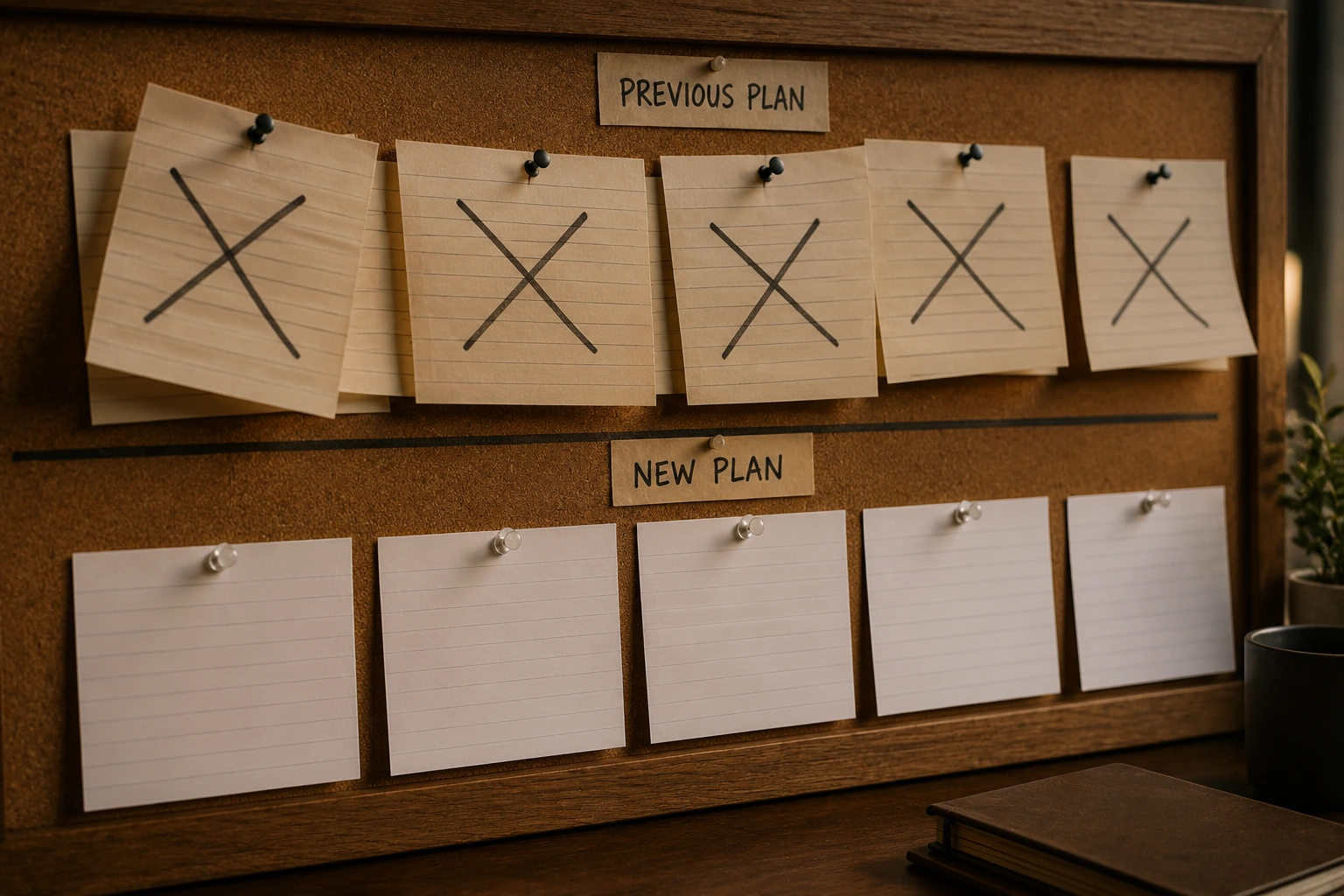
- Adjust the plan, do not abandon the dream. A setback usually means the route was wrong, not that the destination is impossible. Change the approach, keep the direction. Most success stories are just persistence with course corrections.
- Ask for help, out loud. Setbacks tempt us into isolation and shame, which is exactly backward. Reach out to the people who have been there. Almost everyone worth learning from has a comeback story, and most are glad to help you find yours.
- Get back to the bench. At some point, the healing happens through the work itself. Start again, small if you have to. Action is what turns a setback from an identity into an event you moved through.
Three Beliefs That Turn Setbacks Into Endings
“A setback means I'm not cut out for this.”
Failure is evidence that you tried something hard, not proof that you lack what it takes. Nearly everyone who has done anything worthwhile has a trail of setbacks behind them. Reading one failure as a final verdict is how capable people quit right before the turn. The setback is a normal part of the path, not a sign you are off it.
“I should have seen it coming.”
Hindsight makes every failure look predictable, but you made your choices with the information you had at the time. Punishing yourself for not knowing then what you know now is a trap that keeps you stuck in the past. Learn the lesson, forgive the earlier version of yourself who could not have known, and move forward.
“Successful people don't fail like this.”
They fail exactly like this, they are just quieter about it, and you only see the highlight reel. Behind almost every impressive career is a hidden pile of rejected work, failed ventures, and hard seasons. Comparing your visible setbacks to other people's edited success stories is a distortion. The failures are not the exception, they are part of how the success got built.
Three People, Three Quiet Approaches
The following are composites created for illustration — not real individuals — but the situations will feel familiar.
Tariq is thirty-two and his first business just failed. For weeks he reads it as proof he is not entrepreneur material. Then a mentor helps him see it differently, as an expensive but real education in what not to do. He extracts the lessons, keeps the dream, and adjusts the plan. His second venture, built on what the first one taught him, is the one that works.
Grace is forty-six and was passed over for a promotion she expected. The disappointment is sharp, and her first instinct is to conclude she has hit her ceiling. Instead she asks for honest feedback, learns what was actually missing, and works on it deliberately. A year later she is promoted, and she is genuinely better at the role than she would have been on the first try.
Owen is fifty-nine and lost a job he held for twenty years. At his age the setback feels like the end. But instead of isolating, he reaches out to everyone he knows, and discovers how much goodwill his decades of good work had quietly stored up. The next chapter is different from the last, but it is real, and it began the moment he refused to let the fall be the final word.
What the Dance Community Already Knows About This
At Dance Mogul Magazine, we have interviewed few dancers who did not have a setback story, an injury, a rejection, a season that nearly ended it. What sets the ones who lasted apart is not that they avoided the fall. It is that they treated it as part of the training, healed, adjusted, and got back to the floor.
The exclusive interviews we publish are full of comebacks, and the pattern is always the same, a fall, a lesson, a return. That belief in resilience as a learnable craft is woven through the whole Beyond Wealth collection.
You do not have to be an artist for this to apply. Whatever your work, a setback is coming, and how you meet it matters more than that it came. Dancers simply learned early that everyone falls, and that the ones who last are the ones who got back up and kept dancing.
Almost everyone whose work you admire has a hidden pile of failures behind them. The failures did not disqualify them. They shaped them.
Reflection
Take a few quiet minutes with these.
- Am I treating my last setback as a lesson, or as a verdict on my worth?
- What did that hard experience actually teach me that I could not have learned otherwise?
- Is the dream still right, and only the route that needs changing?
- Who could I reach out to who has been through something similar?
- Where am I punishing my past self for not knowing what I only know now?
- What is one small way I could get back to the work this week?
Talk About It With Your Family
- How does our family talk about failure, as shameful or as part of learning?
- What setback has each of us grown through, and what did it teach us?
- How can we support each other when one of us falls?
- Who do we admire who came back from a hard setback?
- How do we want to model resilience for the younger people watching us?

Your Small Action Step: A Setback-to-Comeback Map
Take one page. Name a recent setback plainly at the top. Underneath, write the single most useful lesson it taught you, the tuition you paid for.
Then write one thing you will keep from the original dream and one thing you will change about the plan, plus one person you will ask for help. That page turns a fall into a map for the next climb.
Key Takeaways
- A setback is tuition for a needed lesson, not a verdict on whether you belong.
- Resilience is not a trait you're born with; it's a craft made of learnable habits.
- Separate the setback from your worth, and extract the lesson before moving on.
- Adjust the plan, but keep the dream; most success is persistence with course corrections.
- Ask for help out loud; almost everyone worth learning from has a comeback story.
- Behind almost every admired career is a hidden pile of failures that shaped it.
Frequently Asked Questions
How do I stop a setback from feeling like proof I'm not good enough?
By separating the event from your worth. A failed project is something that happened, not something you are. Feel the disappointment honestly, but refuse to let one hard event redefine your whole value. You are not your worst week.
What's the difference between quitting and wisely changing course?
Quitting abandons the destination; a course correction changes the route while keeping the direction. A setback usually means the approach was wrong, not that the dream is impossible. Most success stories are just persistence with adjustments along the way.
Why shouldn't I blame myself for not seeing it coming?
Because you made your choices with the information you had then, not the information you have now. Hindsight makes every failure look predictable. Learn the lesson, forgive the earlier version of yourself who could not have known, and move forward instead of staying stuck.
Do successful people really fail this much?
Yes, they are just quieter about it, and you only see their highlight reel. Behind almost every impressive career is a hidden pile of rejected work and failed attempts. Comparing your visible setbacks to other people's edited stories is a distortion worth ignoring.
I feel like isolating after a failure. Is that wrong?
It is understandable but backward. Setbacks tempt us into shame and isolation, which is exactly when reaching out helps most. Almost everyone worth learning from has a comeback story, and most are glad to help you find yours if you ask.
How do I actually start again after a big setback?
Get back to the work, small if you need to. Healing often happens through action rather than before it. Starting again, even in a modest way, is what turns a setback from an identity you're stuck in into an event you moved through.

Next in This Collection: Work That Outlives You
The Career & Craft path continues, and each piece builds on the last.
The next article, “Work That Outlives You,” carries the thread forward into the next part of building a working life that matters.
- Building a Career That Lasts
- The Craft Behind the Career
- Reputation Is a Kind of Wealth
- Growing Through Setbacks — you are here
- Work That Outlives You

Dance Mogul Magazine publishes the Beyond Wealth collection for educational and inspirational purposes. It is not financial, legal, tax, medical, or mental-health advice, and it is not a substitute for guidance from a licensed professional who knows your situation. The people described in the examples are composites created for illustration and do not represent real individuals.
© Dance Mogul Magazine. All rights reserved.