
Telling Your Family Story
The names, stories, and history only you hold will vanish unless someone captures them. They are a priceless inheritance.

This is a story about telling your family story, and it starts with a phone held up to record an elder who is finally, at long last, being asked to talk.
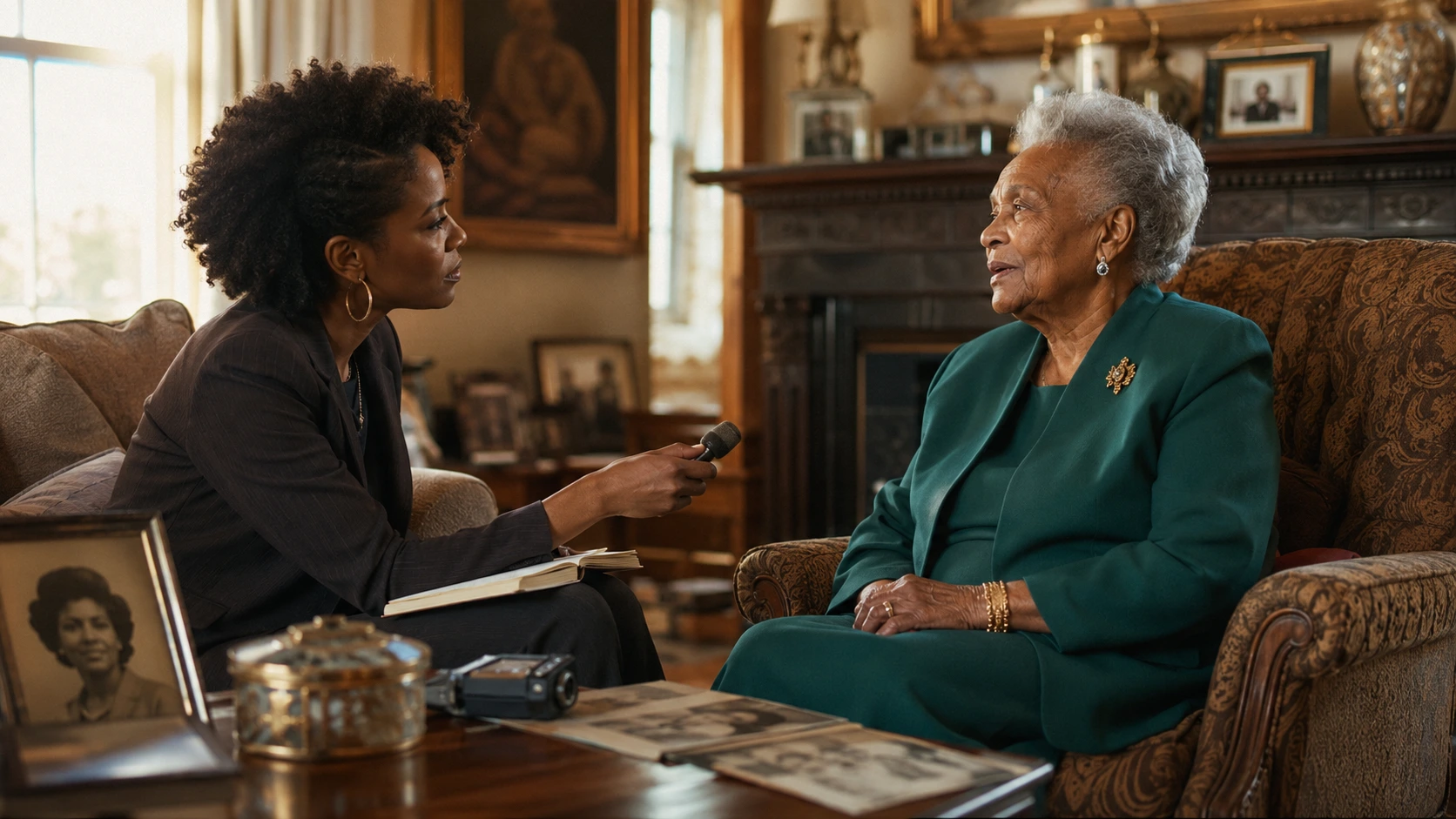
The questions are simple. Where did we come from? What was it like when you were young? Tell me about your mother. And out come the memories, the names, the hardships, the small daily details that no history book records, the ones that exist only in one aging mind.
This is a race against time that most families do not realize they are running. Every elder is a living library, and when they go, the library burns, unless someone thought to write it down. So much irreplaceable history is lost not to disaster but to simply never having asked.
This article is about capturing your family story before it disappears, and why it is one of the most valuable and urgent legacies you can leave.
Why This Matters Right Now
There is a saying that when an elder dies, a library burns to the ground. It is not an exaggeration. Each person carries a unique store of memories, stories, names, and lived history that exists nowhere else, and when they are gone, unless it was captured, it is gone completely and forever.
We assume there will always be time, and then suddenly there is not. The grandmother who could have told the whole family history passes, and her descendants are left with a handful of undated photographs and no one who knows who is in them. The stories that would have anchored a family's identity for generations simply evaporate, because the asking was always going to happen someday.
But a family story, once captured, is a treasure that only grows more valuable with time. It tells the next generation who they are and where they come from. It preserves the sacrifices and the triumphs that made their lives possible. It is an inheritance that costs almost nothing to create and becomes priceless the moment it can no longer be made.
When an elder dies, a library burns to the ground, unless someone thought to write it down.

From Someday to This Month
Most family history is lost to a single word, someday. Someday I will sit down with grandpa and record his stories. Someday I will label those photos. Someday I will write it all down. Someday quietly becomes never.
Trade someday for this month. The capturing of a family story is not a vague future project, it is a small, concrete thing you can begin now, one recorded conversation, one labeled photograph, one written page. Urgency is the whole point, because the window closes without warning.
Defined that way, the task becomes doable and pressing at once. You do not have to produce a finished family history this week. You just have to start, before the person who holds the story is no longer there to tell it.
Five Ways to Capture Your Family Story
Preserving a family story is not one big project but a series of small, doable acts. Here are five to begin with.
- Interview your elders now. Sit down with the oldest members of your family and record them, on video or audio, telling their stories. Ask about their childhood, their parents, the hard times and the good. Do it now, while they are here to tell it.
- Label the photographs. An unlabeled photo becomes a mystery within a generation. Go through the old pictures with someone who remembers, and write the names, dates, and places, on the back or in a caption, before that knowledge is lost.
- Write down the origin story. Capture where your family came from, the migrations, the hometowns, the founding stories. Even a rough written account of your roots gives future generations an anchor for who they are.
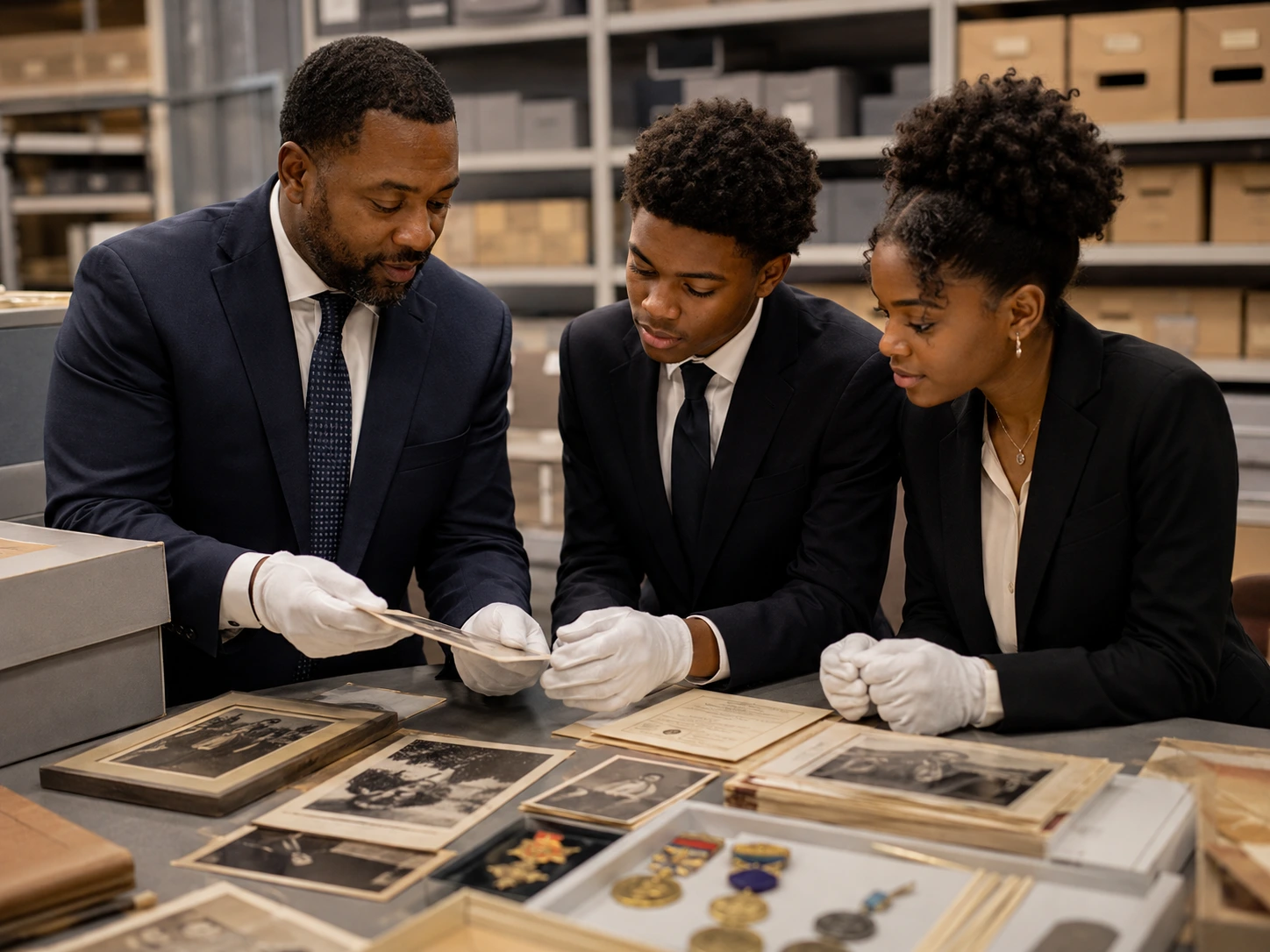
- Preserve the letters and documents. Old letters, certificates, and papers hold history that memory alone will lose. Sort them, date them, and store them safely, and they become primary sources for your family's story.
- Share it, so it survives. A family story kept in one place can still be lost. Make copies, tell the stories at gatherings, compile them into something shareable. History survives by being passed around, not locked away.
Three Beliefs That Let History Disappear
“Our family isn't interesting enough to bother.”
Every family's story is fascinating to the generations who come from it, because it is their own origin. The ordinary details, how your grandparents met, what work they did, what they survived, are exactly what descendants long to know and what no one else can tell them. Interesting is not the standard, ours is, and to your family, ours is endlessly compelling.
“Someone else will do it.”
This is the assumption that dooms most family histories, because everyone assumes someone else will, and no one does. Preserving the story usually falls to whoever cares enough to start, and if you are reading this and feeling the pull, that person may well be you. Waiting for a designated family historian to appear is how the library ends up burning.
“There's plenty of time.”
This is the most dangerous belief of all, because it is the one that feels safest. The window to capture a story closes the moment the person who holds it is gone, and that moment rarely announces itself in advance. Countless families have learned too late that plenty of time was an illusion. The only reliable time to capture a story is now.
Three People, Three Rescued Histories
The following are composites created for illustration — not real individuals — but the situations will feel familiar.
Amir recorded his grandfather just in time. One afternoon he sat his grandfather down and recorded two hours of stories, the village he came from, the journey, the early years. His grandfather passed the following year. That recording is now the single most treasured possession in the family, and the whole clan knows their origin because of one afternoon of asking.
A family finally labeled the shoebox. They had a box of hundreds of old photographs and almost no idea who was in them. Before the last elder who remembered was gone, they spent several evenings going through it together, writing names and dates. What had been a box of strangers became a documented family history, rescued at the last possible moment.
Lucia turned it into a book. Over a year, she gathered the interviews, the photos, and the origin story, and compiled them into a simple printed family history book. She gave a copy to every branch of the family. Now the story cannot be lost, because it lives in a dozen homes, and her descendants will always know where they came from.

What the Dance Community Already Knows About This
At Dance Mogul Magazine, preserving stories is the heart of what we do, because a dance is a story the body remembers, and a tradition is a history passed down. We document artists precisely so their journeys are not lost, so the next generation knows whose shoulders they stand on.
The exclusive interviews we publish exist to capture stories before they fade, the same impulse behind preserving your own family history. That devotion to memory runs through the whole Beyond Wealth collection.
You do not need to be a historian to do this. You only need to ask, to record, and to write it down before the chance is gone. Dancers simply learned early that a story untold is a story lost, and that capturing where you came from is one of the greatest gifts you can leave those who come after.
A family story costs almost nothing to capture, and becomes priceless the moment it can no longer be made.
Reflection
Take a few quiet minutes with these.
- Which elder in my family holds stories I have never actually recorded?
- What do I wish I had asked someone before they were gone?
- Are there photographs in my family that no one has labeled?
- What is my family's origin story, and do I actually know it?
- Who, if not me, is going to capture our history?
- What is one conversation I could record this month?
Talk About It With Your Family
- Whose stories in our family most need to be captured, and soon?
- What do we know about where our family came from?
- What photos, letters, or documents should we preserve together?
- What family stories do we want to make sure the youngest generation hears?
- How could we compile and share our story so it can't be lost?
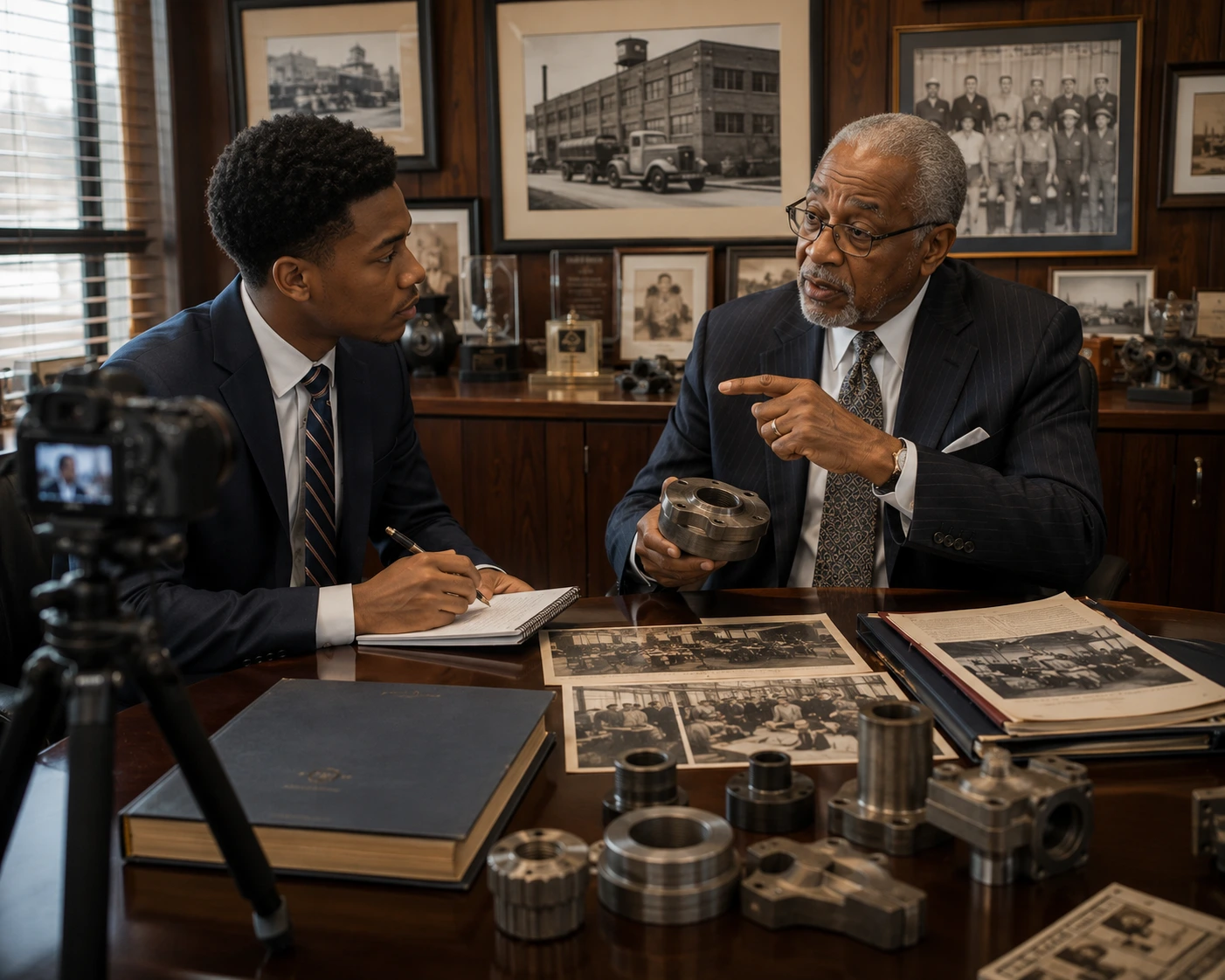
Your Small Action Step: A Family Story Capture
Take one page. Name the one person in your family whose stories you most need to record, and write three questions you will ask them, the ones you would most regret never having answered.
Then set a date, this month, to sit down and record them. Capturing a family story starts with a single conversation, deliberately scheduled before the window closes.
Key Takeaways
- When an elder dies, a library burns, unless someone captured the stories first.
- A family story costs almost nothing to make and becomes priceless once it can't be.
- Trade someday for this month; the window closes without warning.
- Interview elders, label photographs, and write down the origin story now.
- Every family's story is fascinating to the generations who come from it.
- If you're feeling the pull to preserve it, the family historian may be you.
Frequently Asked Questions
What if my family's history isn't interesting enough?
Every family's story is fascinating to the generations who come from it, because it's their own origin. The ordinary details, how your grandparents met, what they did, what they survived, are exactly what descendants long to know and what no one else can tell. To your family, it's endlessly compelling.
Won't someone else in the family capture all this?
That's the assumption that dooms most family histories, everyone assumes someone else will, and no one does. Preserving the story usually falls to whoever cares enough to start. If you're feeling the pull, that person may well be you, and waiting is how the history gets lost.
Isn't there plenty of time to do this later?
That's the most dangerous belief, because it feels safest. The window closes the moment the person who holds the story is gone, and that rarely announces itself in advance. Many families learn too late that 'plenty of time' was an illusion. The only reliable time is now.
How do I actually start capturing a story?
Start with one recorded conversation. Sit an elder down with your phone and ask about their childhood, their parents, the hard times and the good. You don't need a finished history, just a beginning. One afternoon of asking can rescue a lifetime of stories.
What's the point of labeling old photographs?
An unlabeled photo becomes a mystery within a generation, a box of strangers no one can identify. Going through pictures with someone who remembers and writing names, dates, and places preserves knowledge that memory alone will lose. It turns anonymous images into documented family history.
How do I make sure the story doesn't get lost again?
Share it. A story kept in one place can still disappear, so make copies, tell it at gatherings, or compile it into something shareable like a simple printed book. History survives by being passed around and living in many homes, not by being locked away in one.
Next in This Collection: The Legacy You Live Now
The Legacy & Estate path continues, and each piece builds on the last.
The next article, “The Legacy You Live Now,” carries the thread forward.
- What Legacy Really Means
- Passing On More Than Money
- Getting Your Affairs in Order
- Telling Your Family Story — you are here
- The Legacy You Live Now
Dance Mogul Magazine publishes the Beyond Wealth collection for educational and inspirational purposes. It is not financial, legal, tax, medical, or mental-health advice, and it is not a substitute for guidance from a licensed professional who knows your situation. The people described in the examples are composites created for illustration and do not represent real individuals.
© Dance Mogul Magazine. All rights reserved.