
← Beyond Wealth / Family Foundations
Family Foundations · Traditions
Family Traditions: How Rituals Build Identity, Belonging, and Memory
Traditions do not need to be elaborate. Repeated acts can quietly tell people where they belong and what the family chooses to remember.
By Dance Mogul Magazine | Beyond Wealth · Family Foundations, Article 4 of 5
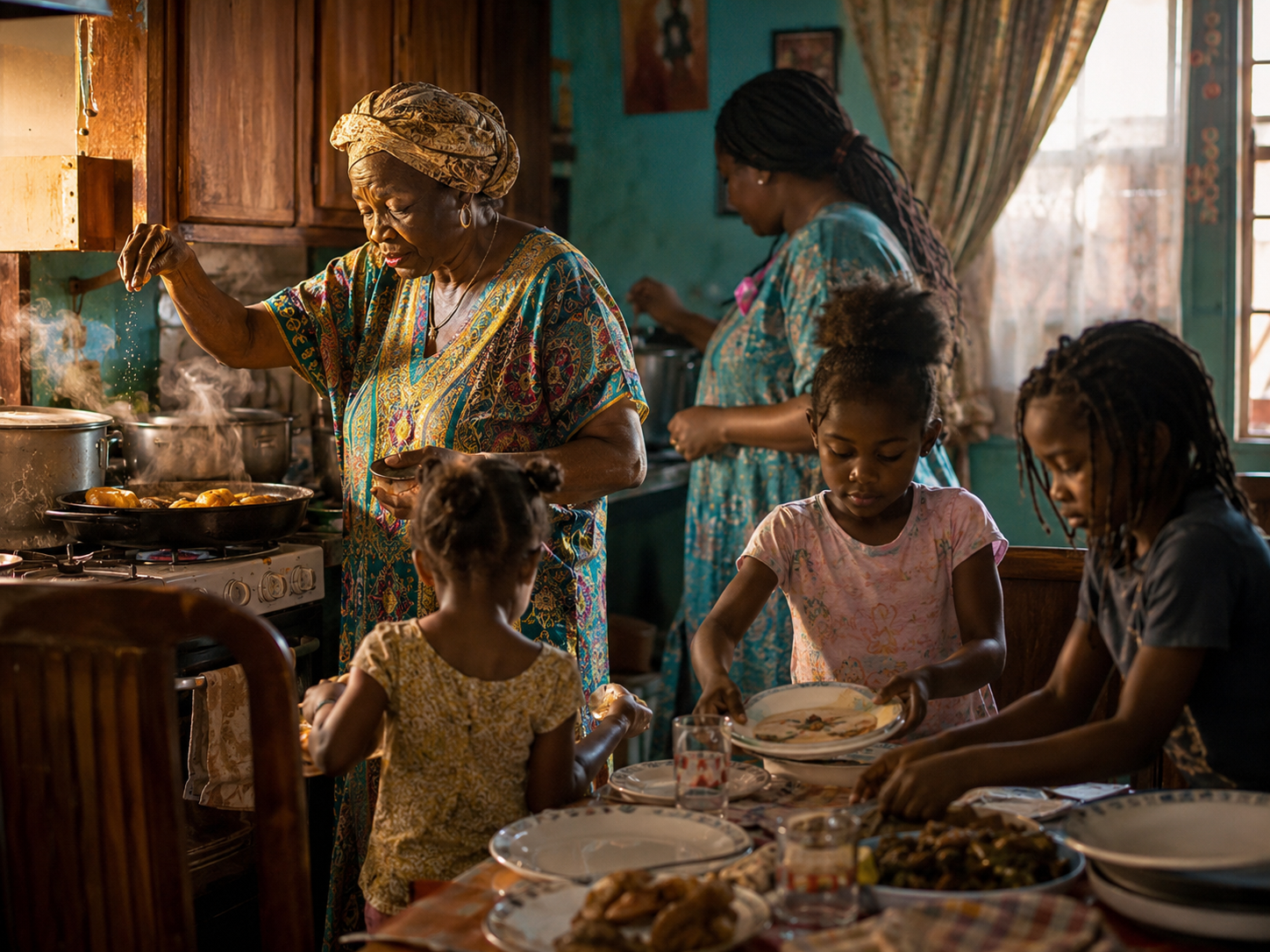
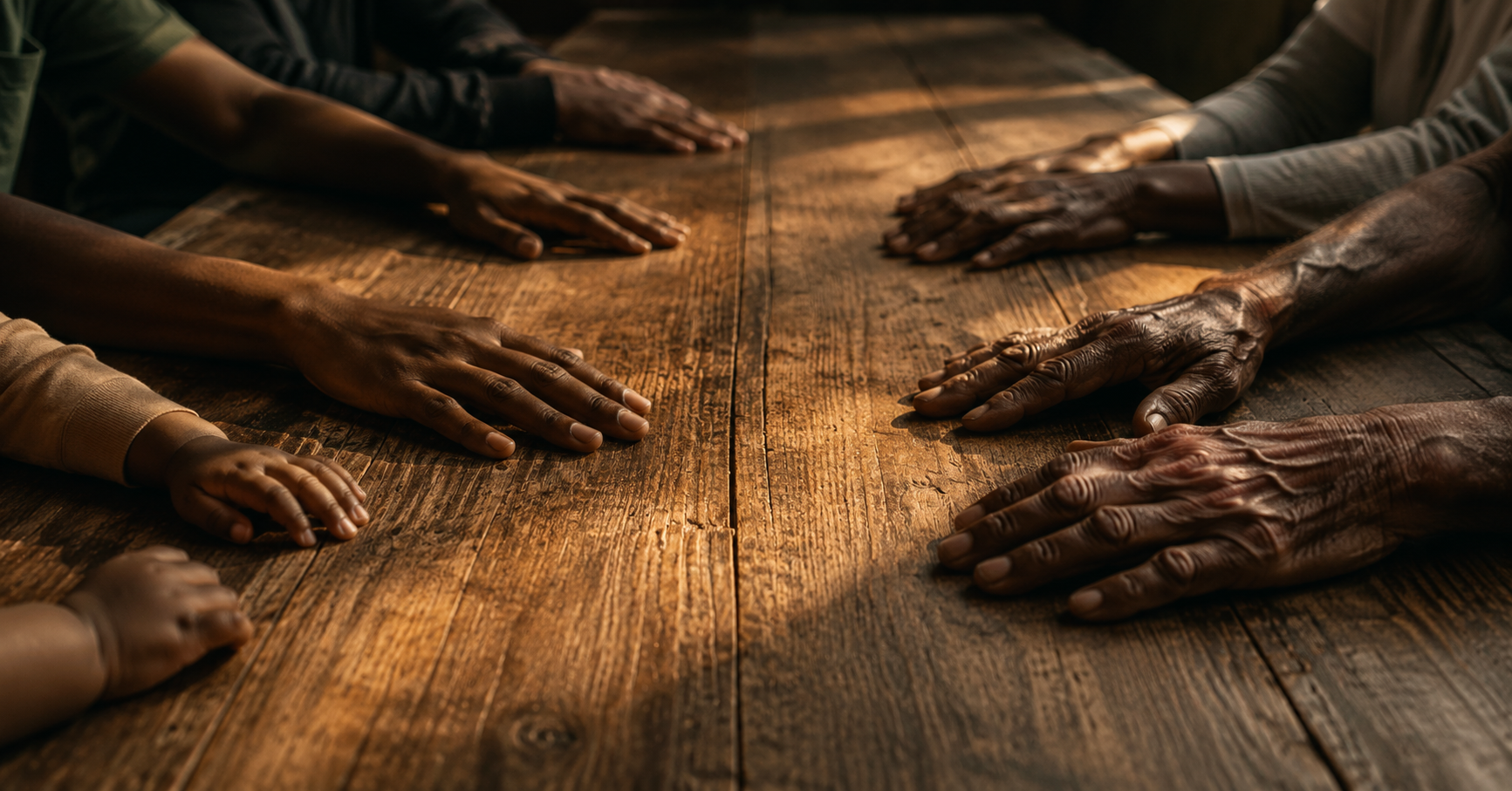
Few things carry family traditions as quietly as an ordinary meal. The meal was not expensive, and nobody followed a written recipe. One person seasoned by memory. Another knew which bowl always came out first. The youngest children set the table badly and got corrected with the same teasing the older cousins had heard years before.
The family called it Sunday dinner, but the food was only part of what was being served. Stories got repeated. New partners learned names. Children watched adults disagree and keep passing plates anyway. People who had been busy all week sat in one place long enough to remember that they belonged to something larger than their own schedules.
That is what family traditions can do. They turn time into a meeting place.
Why This Matters Right Now
Families often think of family traditions as holidays, heirlooms, or big annual events. But many of the strongest ones are small. A weekly call. A birthday question that always gets asked. A song played while cooking. A first-day-of-school photograph. A story told whenever someone needs courage. A habit of welcoming a new face to the table without ceremony.
Traditions create continuity. They help younger people understand where they come from, and they give older people a way to pass on knowledge without turning every lesson into a lecture. They can also strengthen the bond among siblings and extended family, simply by creating real reasons to be in the same place.
A tradition is not valuable just because it is old. It becomes valuable when it carries meaning, supports belonging, and still leaves room for the family to grow.
“Tradition is memory given a place on the calendar.”
What Traditions Carry
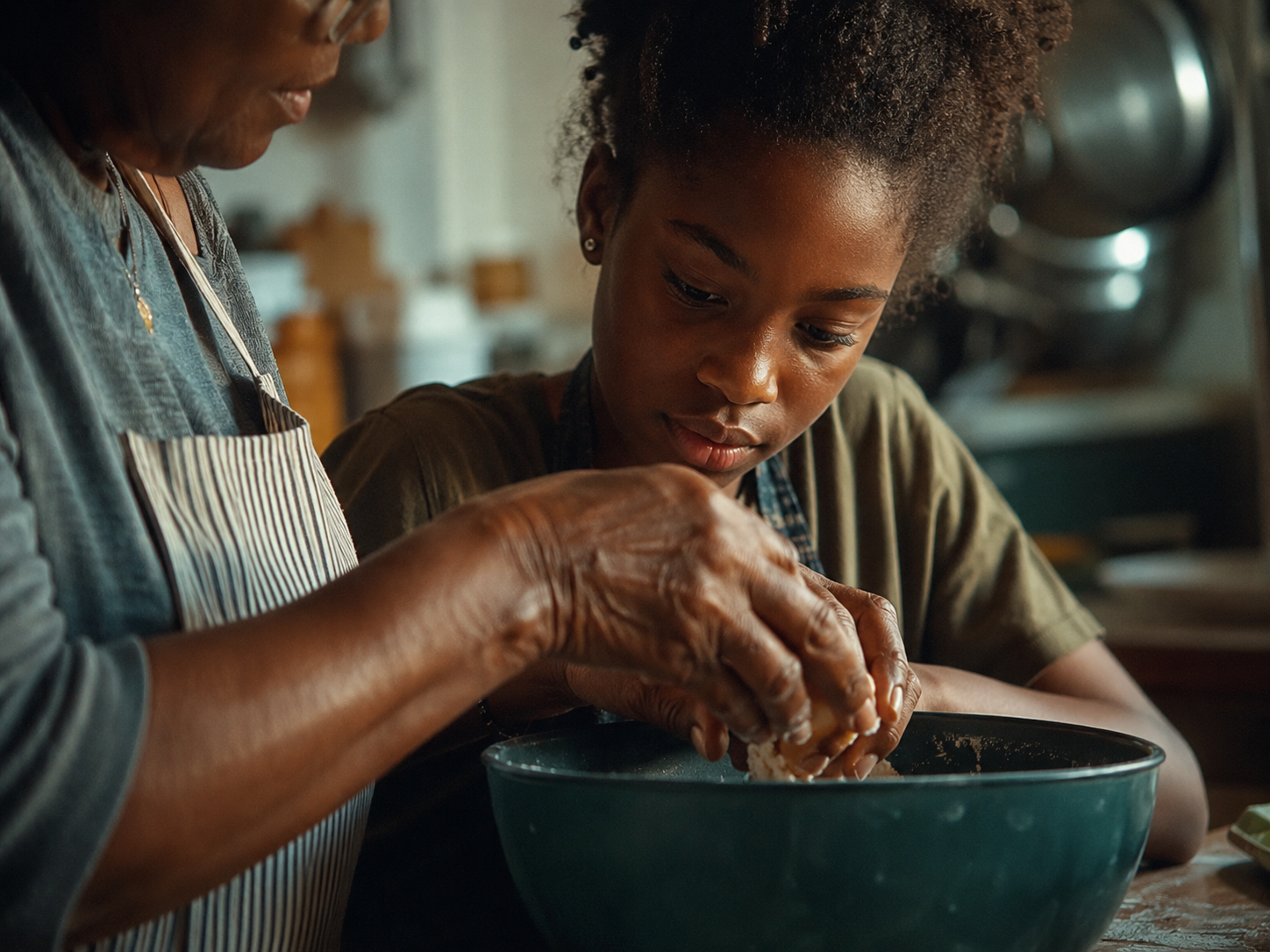
Identity. Traditions answer quiet questions. What do we celebrate? What stories do we repeat? Which foods, sounds, movements, names, and places connect us to where we come from?
Belonging. A repeated ritual tells people there is a place where their presence is expected. That matters most for children, for elders, for relatives who live far away, and for anyone moving through a season of change.
Values. Traditions reveal what a family thinks is worth protecting. A service day teaches responsibility. A storytelling night teaches memory. A shared meal teaches presence. A yearly check-in teaches planning.
Continuity. Life changes fast. A familiar practice can be a bridge between what was, what is, and what the family is becoming.
Let Traditions Adapt Without Losing Their Heart
Find the heart before you defend the details
A tradition gets fragile when people believe that any change is a betrayal. Schedules shift. Families blend. People move and health changes. Ask what the heart of this tradition actually is. If the heart is connection, the location can change. If the heart is remembrance, the format can change. If the heart is welcome, the guest list can grow.
Inherited and chosen traditions are both real
Some traditions arrive through culture, faith, geography, or generations of practice. Others begin because someone noticed a need. A monthly video call after relatives move away. A yearly “what we learned” dinner. A rotating visit to an aging parent. A family does not need to prove authenticity by preserving every old detail exactly. The task is to understand what the tradition carries and keep that alive.
Preserve the stories on purpose
Record conversations. Label the photographs while someone still remembers the names. Write down dates. Save recipes with the context that makes them matter. Invite younger relatives to ask questions. Do not wait for a perfect archive, because the perfect archive never arrives and the memories do not wait.
Where Tradition Goes Wrong
“This is how our family has always done it”
Continuity is worth something, so the instinct is understandable. But “we have always done it this way” is not enough reason to continue a practice that humiliates, excludes, exhausts, or silences people. Some inherited patterns deserve gratitude. Others deserve examination.
“A new family can’t have real traditions”
Traditions begin the moment people repeat something meaningful and explain why it matters. They do not have to be inherited to be authentic. A brand-new ritual, kept for one year on purpose, is already a tradition in the making.
“Every old tradition must be preserved exactly”
The purpose of tradition is not to force sameness. A healthy family can honour its history while ending practices that are harmful, discriminatory, coercive, or simply no longer aligned with its values. Adaptation can be a form of preservation, not a betrayal of it.
Two Families, Two Rituals
These are composites created for illustration, not real individuals.
A scattered family that rebuilt a table. After relatives moved across the country, the Sunday dinner quietly died. One cousin started a monthly video call at the same hour instead, with the same opening question everyone used to ask. It is not the old table. The heart of the old table, which was being expected somewhere, survived the move intact.
A family ending a tradition that hurt. A yearly gathering had always centred on a relative whose comments left younger members dreading the day. Rather than lose the gathering, the family kept the meal and the storytelling and changed the seating and the tone. They honoured what the day was for and refused to keep repeating the part that caused harm.

What the Dance Community Already Knows About This
Dance makes tradition visible in a way few things do. A single step can carry geography, resistance, celebration, technique, and memory all at once. It survives because someone demonstrates not just the movement but its context. Where it came from. What it means. How to treat it with respect. Across the styles we document at Dance Mogul Magazine, a form stays alive only as long as it is both practised and explained.
Every dancer knows the two ways a tradition dies. It dies when no one performs it anymore, and it dies just as surely when people perform it without knowing what it means. Transmission needs both the repetition and the story behind it, or a living form slowly becomes an empty gesture.
Families carry the same living forms. Recipes, sayings, ways of gathering, methods of making, and the stories that explain how people survived. What is not practised can be forgotten. What is practised without context can lose its meaning. Our Beyond Wealth library treats this preservation as a form of wealth, because a story lost is one kind of inheritance that can never be recovered.
“A family keeps what it practises. Everything it merely intends to pass on is quietly lost.”
Reflection
- Which family tradition makes me feel most connected, and why?
- Which tradition has lost its meaning or become a burden?
- What story, recipe, song, skill, or place should not be allowed to disappear?
- Who has been unintentionally left out of a family ritual?
- What small tradition could help us connect more consistently?
Talk About It With Your Family
- Which tradition should we protect?
- What does that tradition mean beyond the activity itself?
- What should be adapted so more people can take part?
- Which family story do the younger relatives need to hear?
- What new tradition fits the family we are becoming?
Your Small Action Step: Restore One Tradition or Begin One Small Ritual
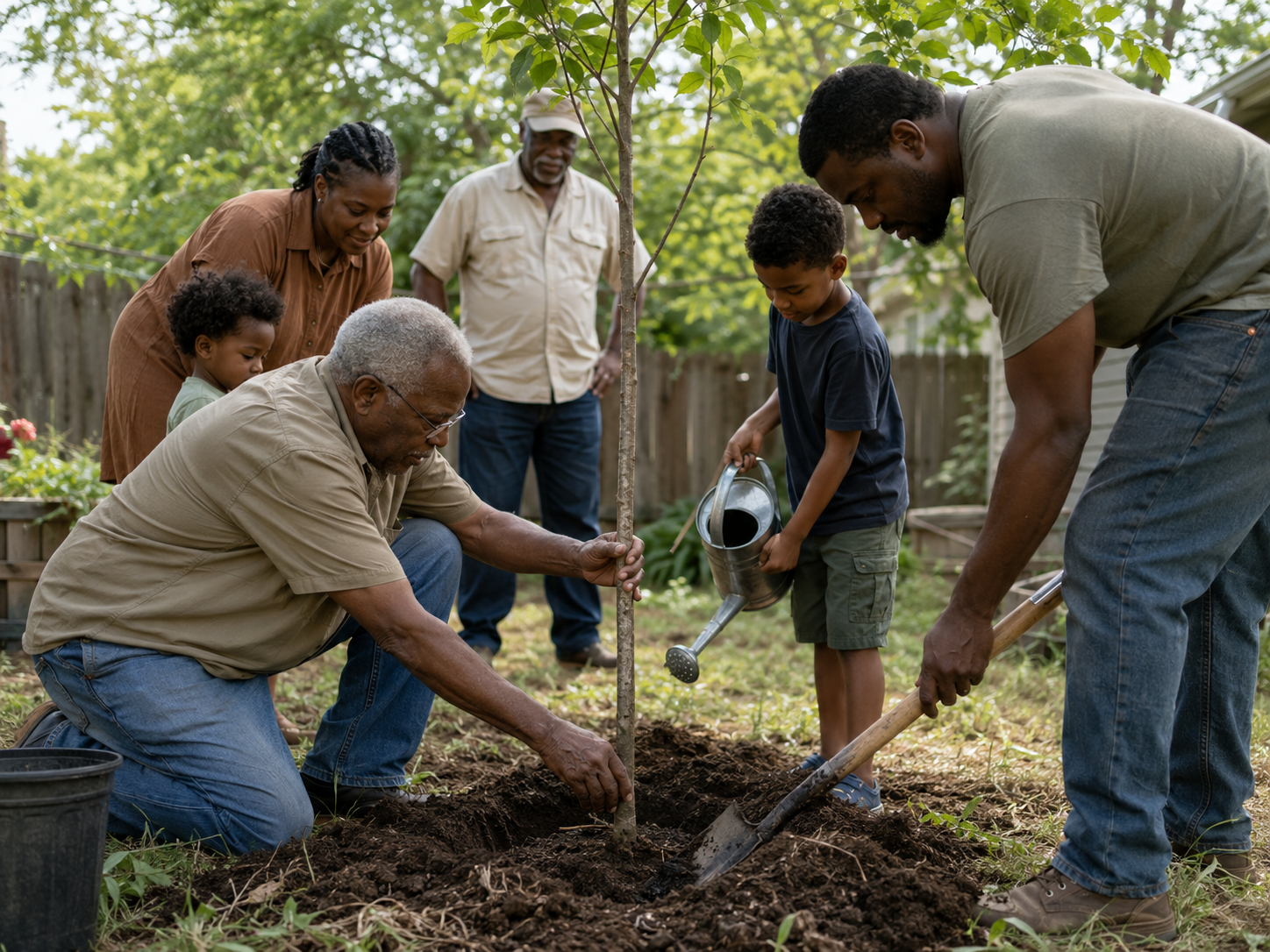
Choose one practice that can be repeated without creating unnecessary pressure. Keep it small enough to survive a busy season. A monthly call. A shared meal. A recorded story. A yearly letter. A simple celebration of someone’s effort. Then explain out loud why it matters, so the ritual carries meaning and not just repetition. A tradition nobody understands eventually becomes a chore.
Download the free Family Tradition Keeper →
For families who want to capture the stories before they fade, our Beyond Wealth worksheets include a simple interview script for recording one memory at a time.
Key Takeaways
- Traditions can preserve identity, belonging, values, and memory.
- Small repeated acts often outlast elaborate annual events.
- A tradition’s meaning matters more than reproducing every detail exactly.
- Healthy traditions adapt as families change and should never be used to preserve harm.
- What a family wants to keep must be practised, explained, and passed on deliberately.
- A story is one inheritance that cannot be recovered once it is lost.
Frequently Asked Questions
What counts as a family tradition?
Any repeated practice that carries shared meaning can become a tradition, including meals, calls, stories, service, celebrations, music, travel, or particular ways of welcoming and remembering people.
Can a new family create traditions?
Yes. Traditions begin when people repeat something meaningful and explain why it matters. They do not need to be inherited to be authentic.
What if relatives disagree about changing a tradition?
Name the heart of the tradition first, then discuss which details protect that meaning and which can adapt. The goal is continuity without unnecessary exclusion or burden.
How do we preserve family stories?
Record conversations, label photographs, write down names and dates, save recipes with their context, and invite younger relatives to ask questions. Do not wait for a perfect archive.
Should every old tradition be preserved?
No. Families can honour their history while ending practices that are harmful, discriminatory, coercive, or no longer aligned with their values.
Next: Planning Together
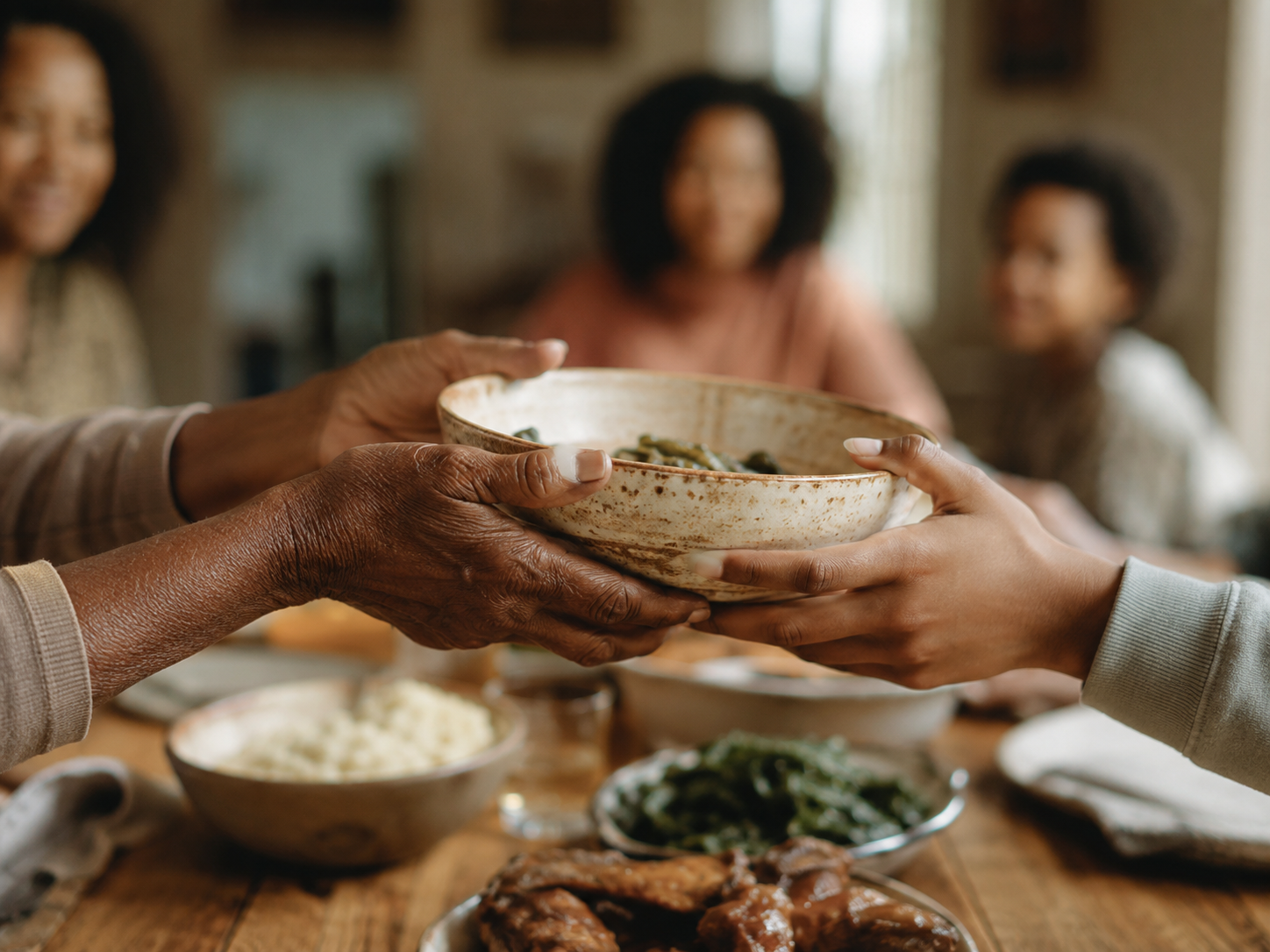
Traditions preserve what a family wants to remember. Planning protects what a family may suddenly need to act on. The final article in this collection, Planning Together: Preparing a Family for Life’s Changes, turns care into preparation before urgency takes away the time to think clearly.
The Family Foundations Path
- 1. Healthy Family Communication
- 2. Shared Family Values
- 3. Family Stability: Creating a Floor Before the Storm
- 4. Family Traditions: Identity, Belonging, and Memory ← you are here
- 5. Planning Together: Preparing a Family for Life’s Changes
Dance Mogul Magazine publishes the Beyond Wealth collection for educational and inspirational purposes. It is not financial, legal, tax, medical, or mental-health advice, and it is not a substitute for guidance from a licensed professional who knows your situation. The people described in the examples are composites created for illustration and do not represent real individuals.
© 2026 Dance Mogul Magazine LLC | dancemogul.com | Inspiring Self-Empowerment Through Dance Culture