
Giving Without Keeping Score
Generosity that stops counting debts is the kind that quietly makes you rich.

This is a story about generosity, and it begins with a bag of groceries left on a doorstep and no name attached.
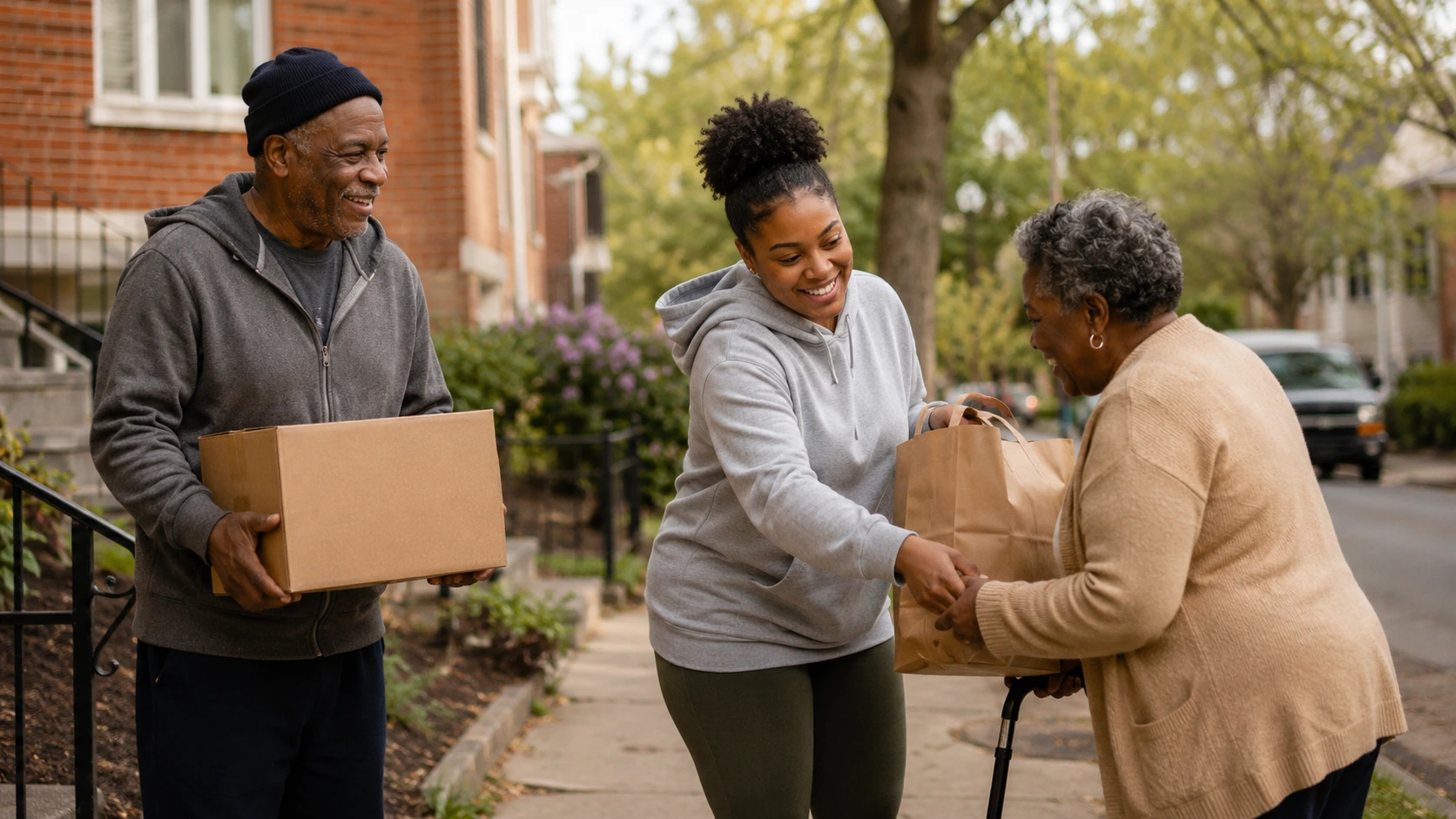
Picture someone setting down that bag, ringing the bell, and walking quickly back to their car before the door opens. They will not be thanked. No one will know it was them. There is no repayment coming and none expected. They simply saw a need and quietly met it.
It is a small thing, and the world will never record it. But something happens inside a person who gives like that, and something happens inside a community where enough people do. A current starts moving that has nothing to do with keeping accounts.
That current is the subject of this article. Not giving as a transaction, with a favor logged and a return expected, but giving that lets go of the ledger entirely, and grows richer for it.
Why This Matters Right Now
We are trained from an early age to keep score. Track what you are owed. Do not let anyone take advantage. Make sure things stay even. It is presented as simple fairness, and in some settings it is. But applied to generosity, it quietly poisons the whole thing.
When every gift comes with an invisible invoice, people feel it. Help offered with a scorecard attached creates debt, not connection, and debt makes relationships heavy. Meanwhile the person keeping the ledger lives in a small, guarded world, always calculating, never quite able to relax into abundance.
There is a freer way to live, and it turns out to be the richer one. When you give without keeping score, you stop experiencing the world as a place where you are constantly being drained, and start experiencing it as a place where good things circulate, often finding their way back to you from somewhere you never expected.
The moment you stop counting what you are owed, you start living in a world that feels abundant instead of scarce.

From Ledger to Flow
Most of the tension around generosity comes from one hidden fear: that if you give without tracking it, you will be taken advantage of and left with less. So people give carefully, conditionally, always with one eye on the return.
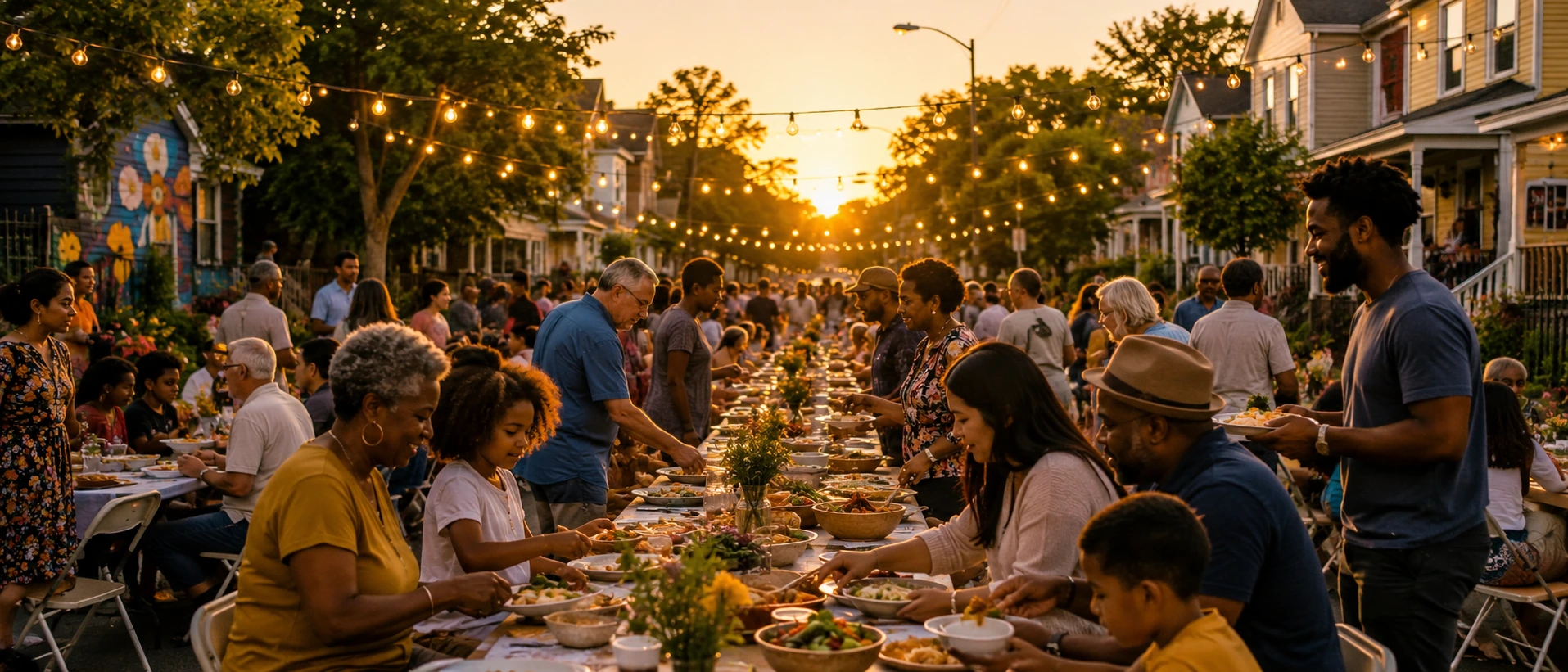
Trade that for a different picture. Imagine generosity not as a transaction between two people but as a current moving through a whole community. You put good in, and it moves on, and it comes back around, rarely from the exact person you gave to, but back around all the same. Your job is not to collect. It is to keep the current flowing.
Defined that way, giving stops feeling like loss. You are not emptying yourself into a void, you are participating in something larger that ends up carrying you too. The people who give most freely are usually the ones who feel most held.
Five Ways to Give Without Keeping Score
Giving freely is a practice, and like any practice it is built from small, specific habits.
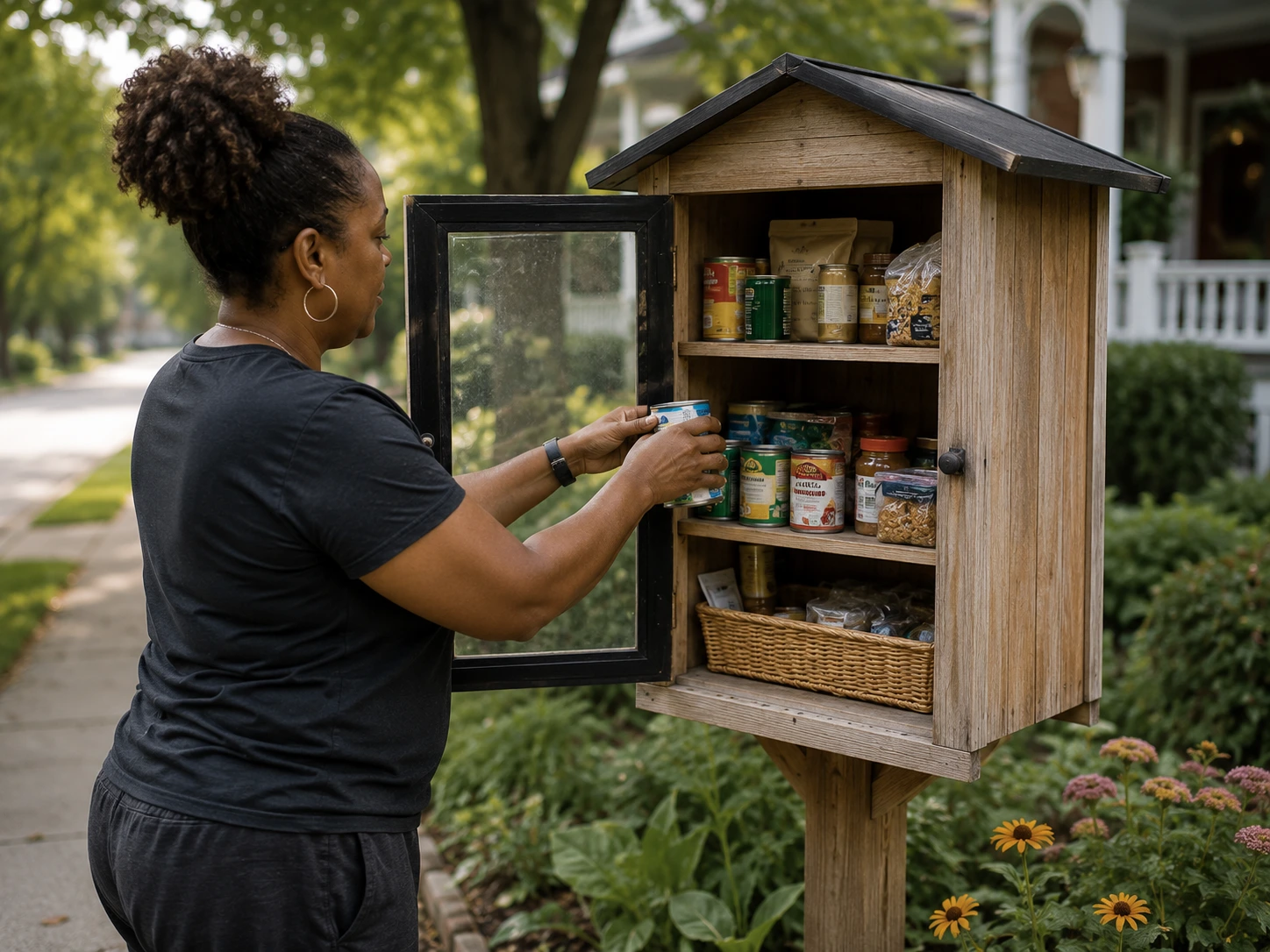
- Give what you already have. You do not need to be wealthy to be generous. Give time, a skill, a ride, a meal, an introduction. The most valuable gifts are rarely the most expensive ones.
- Give without announcing it. Try leaving the credit behind. An anonymous gift, a quiet favor, a good deed no one traces back to you, keeps the giving pure and frees you from needing the applause.
- Give skills, not just money. Teach what you know. Fix what you can fix. Share the thing you are good at. Passing on a skill often helps someone far longer than a handout, and it costs you only your time.
- Learn to receive graciously. Generosity flows both ways. When you refuse all help, you break the current and rob others of the joy of giving. Accepting a gift with a simple thank you is its own kind of generosity.
- Let it circulate. When someone helps you, do not rush to repay them and settle the account. Pass it on to a third person instead. That is how a favor becomes a current instead of a closed loop.
Three Beliefs That Keep People Tight-Fisted
“I will give more once I have more.”
Generosity is a habit, not a byproduct of surplus. People who are not generous with a little rarely become generous with a lot, they just find new things to protect. Giving what you can now, even something small, builds the muscle you will use for the rest of your life. Waiting for enough usually means waiting forever.
“Generosity just gets you taken advantage of.”
Wisdom and generosity are not opposites, you can give freely and still have boundaries. The occasional person who takes advantage does not cancel out the abundance that open-handed living creates. Guarding everything to avoid being used once is a poor trade for a whole life lived in scarcity.
“It only counts if it is big.”
Small gifts, given often, do more good than a single grand one given rarely. The note, the ride, the ten minutes of real attention, these are the currency communities actually run on. Do not despise the small gift. It is almost always the one that lands.
Three People, Three Quiet Beginnings
The following are composites created for illustration — not real individuals — but the situations will feel familiar.
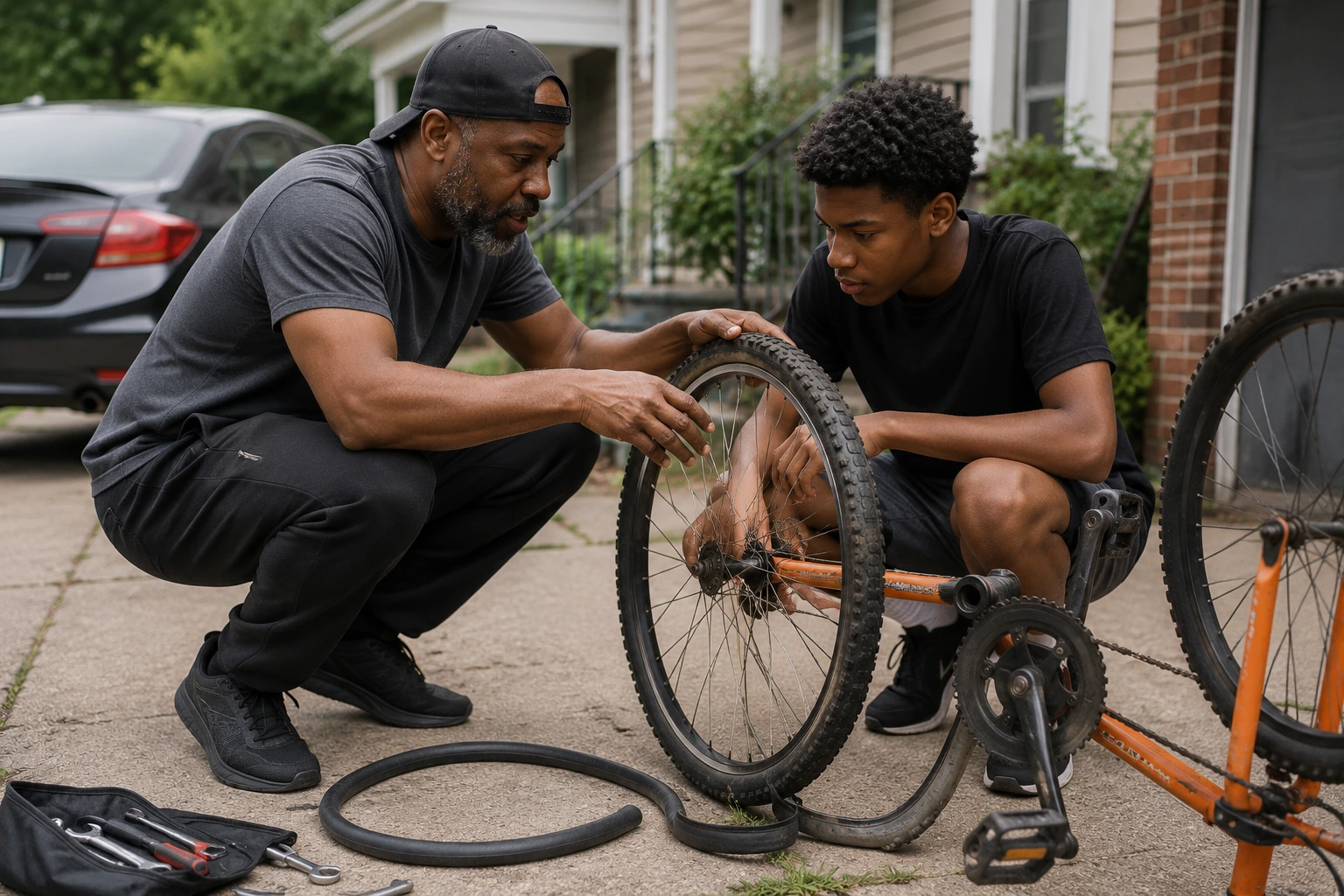
Malik is twenty-four and does not have much money at all. So he gives what he does have, which is skill with cars. He fixes a neighbor's brakes for free, then another's, asking nothing back. He never gets rich from it, but he becomes the person the whole block looks out for, and when his own car dies, three people show up before he even asks.
Ellen is fifty and used to track every favor carefully. Exhausted by the bookkeeping, she decides to stop. She starts giving without logging it and, harder for her, accepting help without insisting on paying it back. To her surprise, her relationships get lighter and warmer almost immediately. The ledger, it turns out, was the weight.
Sam is thirty-six and was helped through a rough year by a stranger's kindness. He can never repay that person, who has moved away. So instead he passes it forward, quietly helping someone else in the same spot he was once in. The kindness he received did not stop with him. It kept moving, which is exactly what kindness is for.
What the Dance Community Already Knows About This
At Dance Mogul Magazine, we have seen this current keep an entire art form alive. Ask working dancers how they learned, and again and again the answer is that someone taught them for free, opened a door, let them sleep on a couch, expecting nothing. The culture runs on generosity that never kept score.
Look through our exclusive interviews with dancers and you will find the same debt named over and over, a mentor who gave without asking, then a mentee who did the same. That pay-it-forward spirit runs through the whole Beyond Wealth series.
You do not have to be an artist for this to hold. Whatever you know or have, giving it freely puts you inside a current that tends to carry you too. Dancers simply learned early that a scene survives on generosity, and that the ones who give most are rarely the ones left with least.
A kindness given freely does not end with the person who receives it. It keeps moving, which is exactly what it is for.
Reflection
Take a few quiet minutes with these.
- Where am I quietly keeping score of what I am owed?
- What do I already have, time, skill, presence, that I could give away this week?
- When has a kindness reached me from a direction I never expected?
- Am I as good at receiving help as I am at giving it?
- Is there a gift I could give with no name attached at all?
- What kindness have I received that I could pass forward instead of repay?
Talk About It With Your Family
- What does our family give to others, and do we ever keep score?
- What could we give this week that costs little but means a lot?
- How do we handle accepting help when it is offered to us?
- Who has been generous to us that we could pay forward to someone new?
- What skill or resource do we have that we could share freely?
Your Small Action Step: A Giving Inventory
Take one page. List three things you have to give that are not money, a skill, some time, an introduction, a listening ear. Then next to each, write one person who could use it this week.
Pick one and give it with no scorecard and, if you can, no name attached. Then notice how it feels to put good into the current without waiting to see it come back.
Key Takeaways
- Generosity that stops counting debts is the kind that quietly makes you rich.
- Give what you already have; the best gifts are rarely the most expensive.
- Learn to receive graciously, refusing all help breaks the current.
- Generosity is a habit built now, not a byproduct of having more later.
- Let kindness circulate, pass it forward instead of settling the account.
- A kindness given freely keeps moving, which is exactly what it is for.
Frequently Asked Questions
Won't giving without keeping score just get me used?
You can give freely and still keep healthy boundaries, the two are not in conflict. The occasional person who takes advantage does not outweigh the abundance open-handed living creates. Guarding everything to avoid being used once costs you far more than it saves.
I don't have much money. Can I really be generous?
Absolutely, and money is often the least of it. Time, skill, attention, an introduction, and a ride are all real generosity, and frequently more valuable than cash. Give what you have, not what you wish you had.
Why give anonymously instead of getting a little credit?
Giving without the credit keeps the act clean and frees you from needing applause to feel good about it. It is also quietly good for you, it loosens the grip of ego on your generosity. The gift lands the same either way, but you are lighter for it.
Isn't it smart to keep track of favors so things stay fair?
In business, sometimes. In relationships and community, scorekeeping usually creates distance and debt rather than closeness. The warmest connections are the ones where nobody is counting. Fairness matters, but a ledger is rarely the way to get it.
What does letting it circulate actually mean?
It means that when someone helps you, you do not always rush to repay that exact person, you pass the help on to a third. That turns a one-time favor into a moving current of generosity. It is how kindness spreads through a whole community instead of bouncing between two people.
Why is it so hard for me to accept help?
Many people find receiving harder than giving, often out of pride or a fear of owing. But refusing help shuts others out of the joy of giving and breaks the current both ways. Accepting a gift graciously is its own act of generosity.
Next in This Collection: Leaving a Community Stronger
The Community path continues, and each piece builds on the last.
The next article, “Leaving a Community Stronger,” carries the thread forward into the next part of building a life rich in people.
- Why Community Is Real Wealth
- Building Belonging Where You Are
- The Quiet Power of Showing Up
- Giving Without Keeping Score — you are here
- Leaving a Community Stronger
Dance Mogul Magazine publishes the Beyond Wealth collection for educational and inspirational purposes. It is not financial, legal, tax, medical, or mental-health advice, and it is not a substitute for guidance from a licensed professional who knows your situation. The people described in the examples are composites created for illustration and do not represent real individuals.
© Dance Mogul Magazine. All rights reserved.