
Leaving a Community Stronger
The real measure is whether the place is better for your having been there, and can thrive without you.
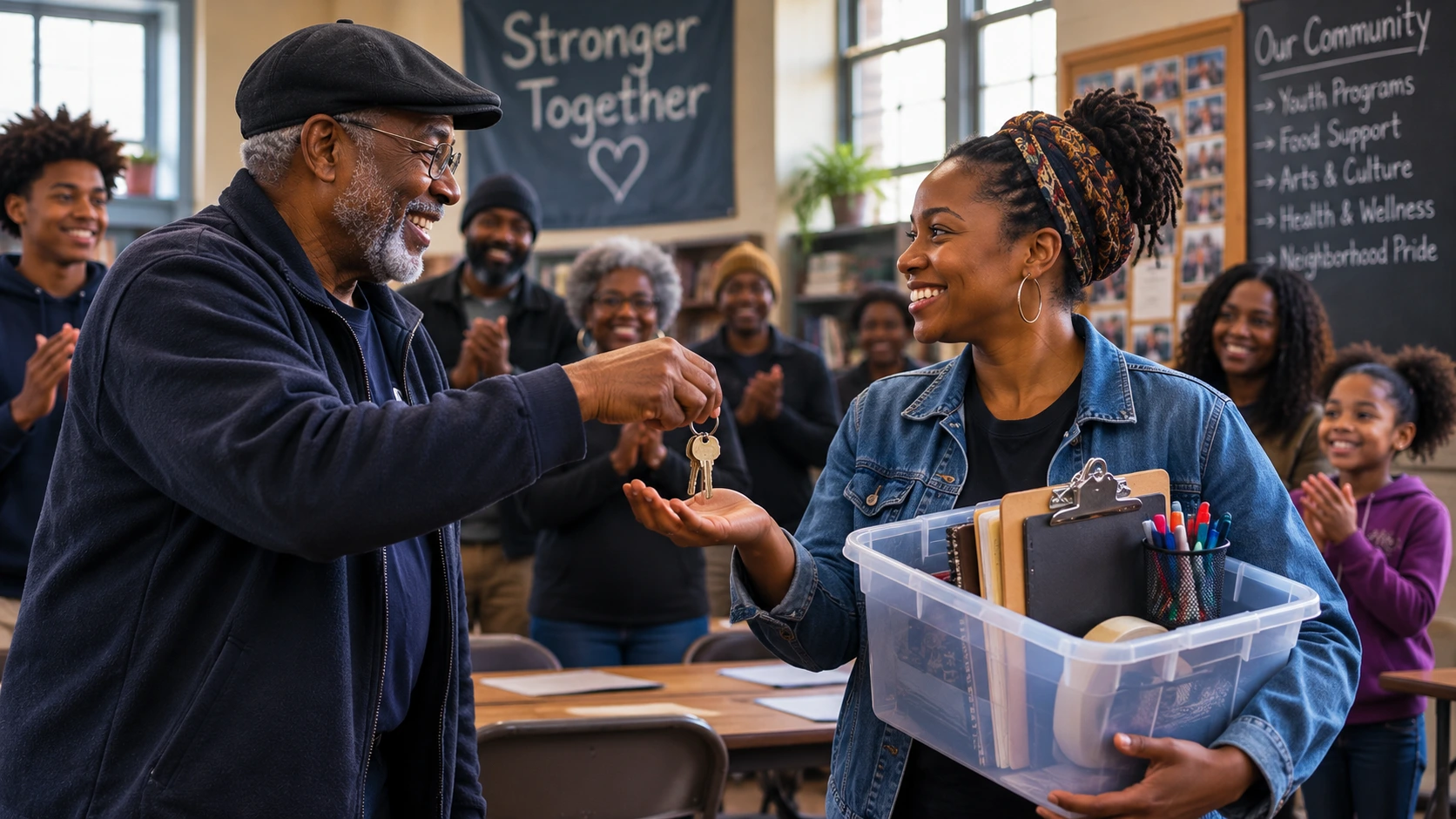
This is a story about legacy, and it starts with a set of keys being handed across a table to someone twenty years younger.
Picture a person who has run something for a long time, a group, a garden, a neighborhood tradition, sitting down with their successor and handing over the keys, the passwords, the hard-won know-how. There is a lump in their throat. But there is also something like peace, because they are not letting the thing die. They are making sure it lives on without them.
Many people never get to this moment. They either cling to what they built until it collapses when they leave, or they assume their contribution was too small to bother passing on. Both are quiet tragedies. Both waste something that took years to grow.
This article is about the third way. Building things that outlast you, and then having the grace to hand them on, so the community you loved is stronger for your having been in it, not weaker for your having left.
Why This Matters Right Now
We are taught to think about legacy in terms of monuments, big names, big buildings, big fortunes. That framing puts legacy out of reach for almost everyone and quietly excuses us from thinking about it at all.
But most real legacy is not a monument. It is a community that runs a little better because you were part of it, a tradition you kept alive, a person you brought up who now brings up others. Those things do not carry your name, and they matter far more than the ones that do. The question is not whether you will be famous. It is whether the places you touched will miss you well, and carry on strong.
There is an urgency to this that is easy to miss. Every community depends on people quietly building things and quietly handing them on. When that chain breaks, when no one builds to last or bothers to pass it forward, communities hollow out. Leaving a place stronger is not a nice extra. It is how the whole thing survives across generations.
The truest legacy is not a thing with your name on it. It is a community that thrives after you are gone.
From Monument to Handoff
Most of the weight around legacy comes from one belief: that leaving a mark means building something huge and permanent that carries your name forever. Almost no one can do that, so almost everyone opts out.
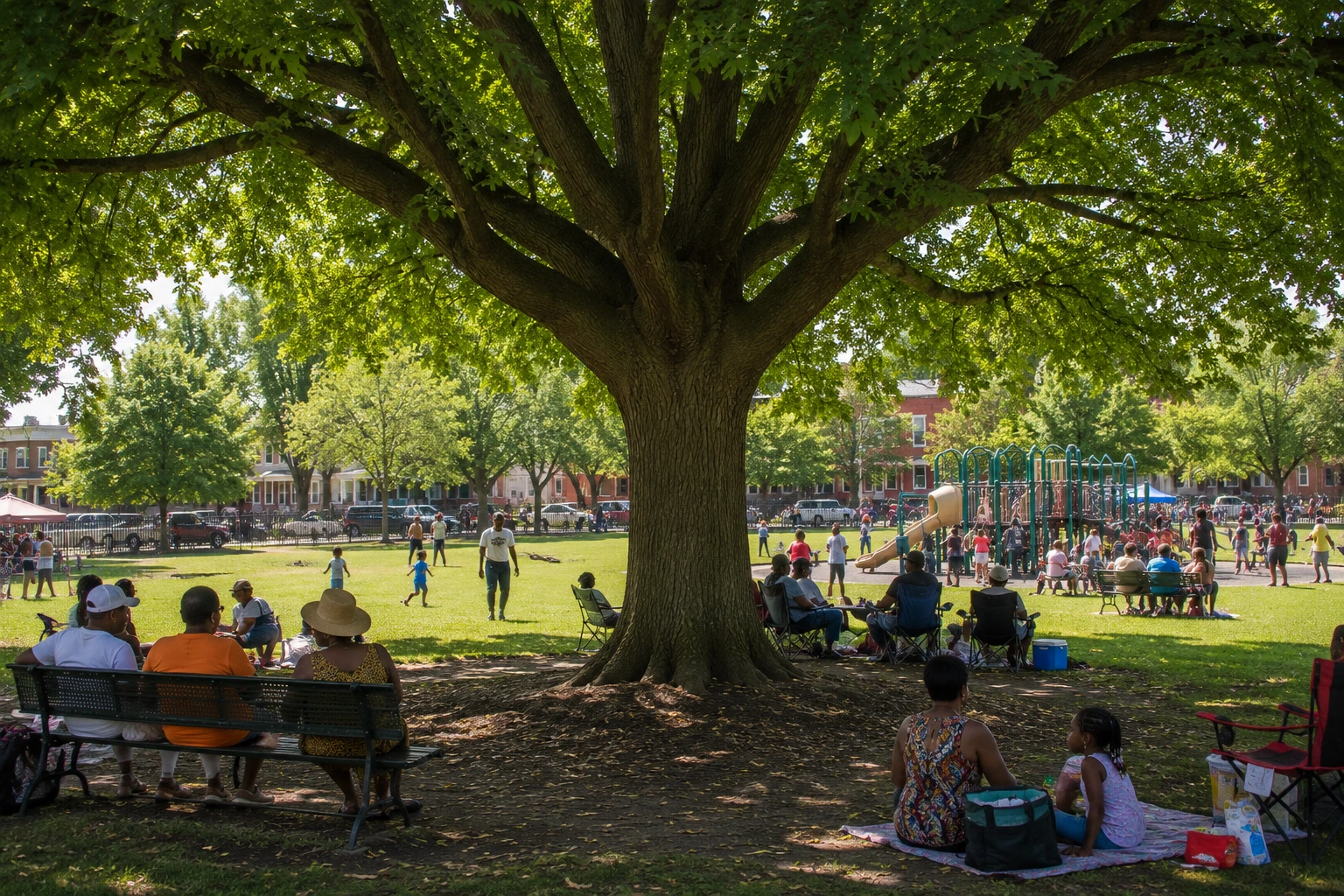
Trade that for a lighter and truer idea. Legacy is not a monument you leave behind, it is a strength you pass forward. It lives in people and practices, not stone. The gardener's legacy is not the plaque, it is the garden that keeps growing, tended now by hands they trained.
Defined that way, legacy is available to anyone. You do not need fame or a fortune. You need to build something good, however small, and care enough to hand it on well. That is a thing any of us can do.
Five Ways to Leave a Community Stronger
Leaving a place stronger is not luck or grandeur. It is a set of deliberate, humble choices made over time.
- Build things meant to outlast you. Start the tradition, the group, the standing event, in a way that does not depend entirely on you being there. The best things you build are the ones that could survive your absence.
- Mentor a successor early. Do not wait until you are leaving to think about who comes next. Bring someone alongside you now, share the how and the why, and let them lead before you go.
- Write down what only you know. Every long-time builder holds knowledge in their head that would vanish with them. Put it on paper, the contacts, the lessons, the way things are done, so the next person does not start from zero.
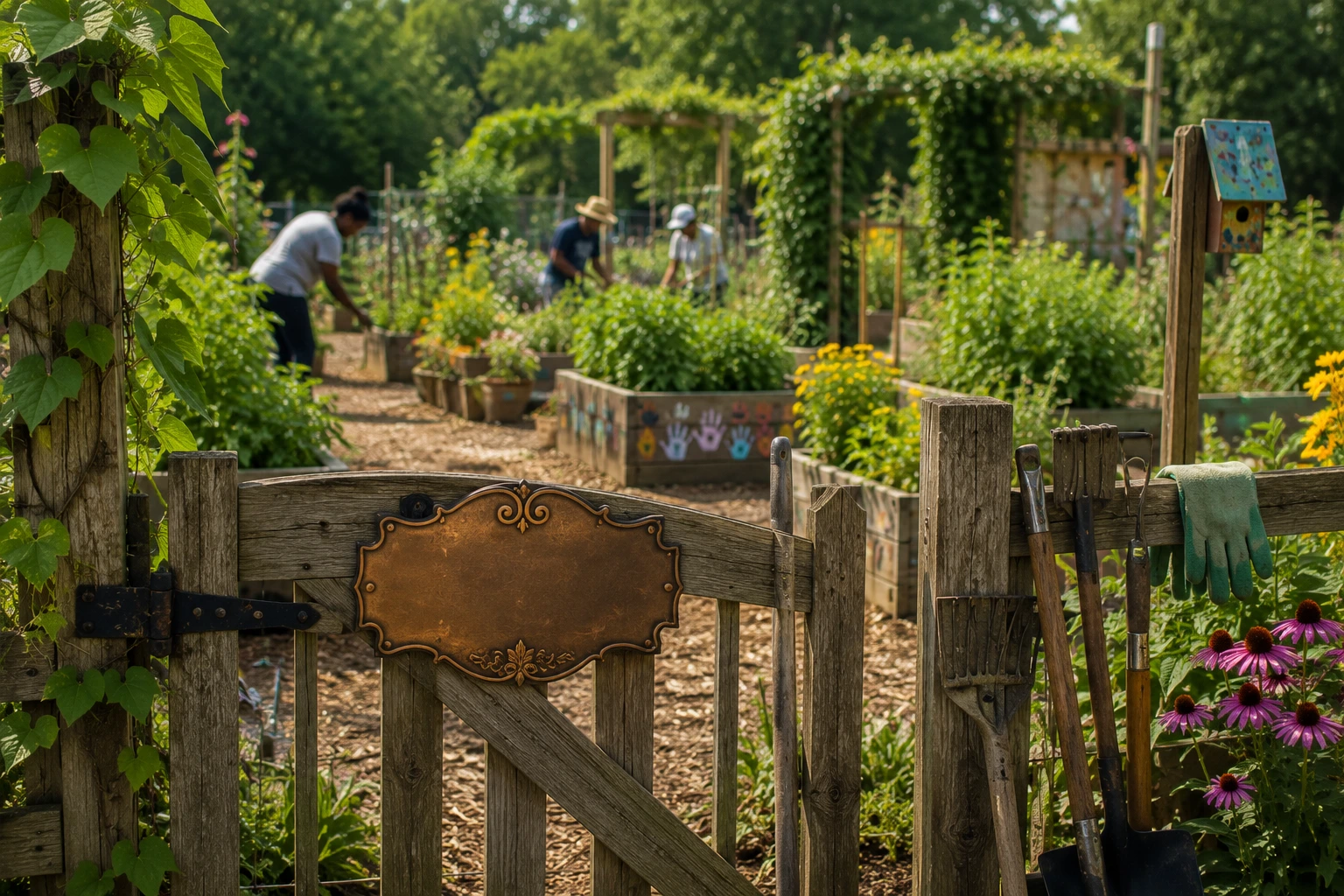
- Plant what you will not sit under. Do some good you will never personally enjoy, the tree whose shade is for others, the fund you will not draw from, the young person you will not see fully bloom. That is legacy in its purest form.
- Step back with grace. When it is time, let go cleanly. Resist the urge to hover or control. The final gift is trusting the people who come after you to carry it their own way.
Three Beliefs That Keep People From Leaving a Mark
“Legacy has to be a big institution.”
It almost never is. A kept tradition, a mentored young person, a neighborhood that learned to look after itself, these outlast most institutions and matter more. The scale of a legacy has nothing to do with its worth. Small, well-tended things have a way of enduring longest.
“I have to lead it forever to protect it.”
The opposite is true, anything that depends on you forever is fragile, not strong. If it collapses the moment you step away, you did not build a legacy, you built a dependency. Real strength is a thing that can thrive in other hands, which means letting other hands take it.
“My contribution is too small to pass on.”
The things people treasure most are usually small, a recipe, a saying, a way of treating others, a single tradition. You do not have to leave something grand. You have to leave something good, and care enough to hand it forward. That is within everyone's reach.
Three People, Three Quiet Beginnings
The following are composites created for illustration — not real individuals — but the situations will feel familiar.
Ruth is sixty-seven and has run the neighborhood food drive for two decades. Rather than run it until she drops, she spends a year training two younger neighbors to lead it, writing down every contact and lesson. When she finally steps back, the drive does not falter, it grows. Her legacy is not that she ran it. It is that it no longer needs her.
Hector is fifty-two and quietly mentors kids in his trade. He will never build a company or a monument. But over the years he teaches a dozen young people a skill and a standard, and they go on to teach others. He plants shade he will never sit under, and a whole trade is stronger for it long after he is gone.
Nadia is forty-four and moving away from a community she loves. Instead of just leaving, she spends her last months connecting people to each other, so the network does not depend on her being the hub. When she goes, the community she leaves is more woven together than the one she found. That is how you leave a place stronger.
What the Dance Community Already Knows About This
At Dance Mogul Magazine, this is the whole story of how an art form survives. No style lasts because of one star. It lasts because someone taught the next generation, who taught the next, each leaving the tradition a little stronger and then handing it on. The dancers who matter most are often the ones who made themselves unnecessary.
The dance styles we document are living proof of legacy done right, knowledge passed hand to hand across generations. That same commitment to building something that outlasts you shapes our family and community workbooks, which are made to help people invest in what comes after them.
You do not need a stage or a spotlight for this. Whatever you have helped build, you can hand it on well. Dancers simply learned early that a tradition only survives if each generation strengthens it and passes it forward, and that the greatest teachers are the ones who make sure they are not the last.
Plant the tree whose shade you will never sit under. That is legacy in its purest form.
Reflection
Take a few quiet minutes with these.
- What have I helped build that would fall apart the moment I stepped away?
- Who could I bring alongside me now, so what I do outlasts me?
- What do I know that would vanish if I never wrote it down?
- What good could I do that I will never personally see the fruit of?
- Where am I holding on too tightly, when it is time to trust the next person?
- How do I want the places I have been part of to be different for my having been there?
Talk About It With Your Family
- What traditions or values do we want to make sure outlast us?
- Who in the next generation are we preparing to carry things forward?
- What does our family know or do that we should write down and pass on?
- What good could we start now that mostly benefits people who come after us?
- How do we want to be remembered by the communities we are part of?
Your Small Action Step: A Community Handoff
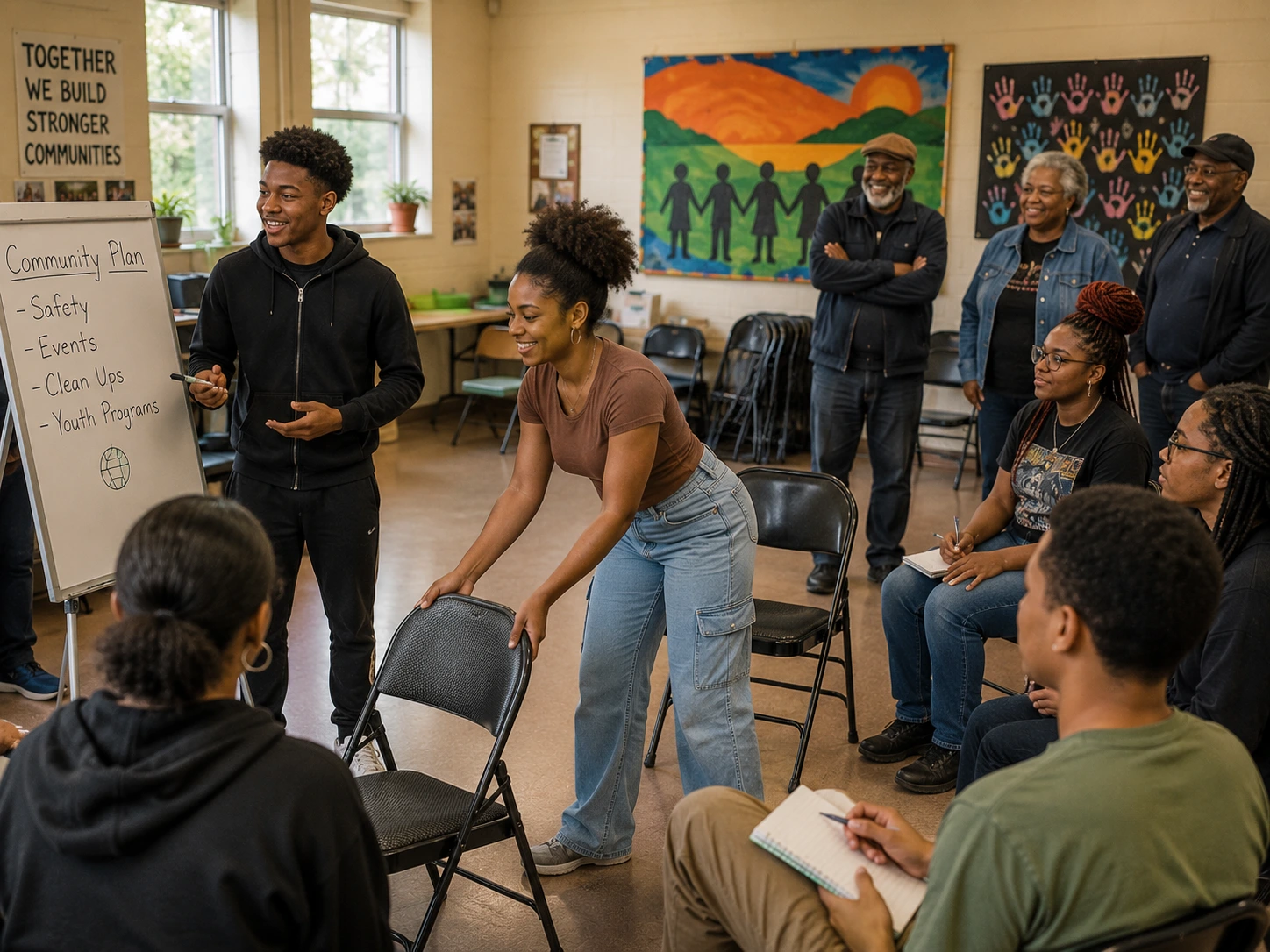
Take one page. Name one thing you help hold up, a group, a tradition, a role, and honestly ask whether it could survive without you. Then write the name of one person you could start bringing alongside.
Write down the three most important things they would need to know to carry it. That page is the beginning of a legacy, the moment a thing you built stops depending on you and starts belonging to everyone.
Key Takeaways
- The real measure of legacy is whether a place is stronger for your having been there.
- Legacy is a strength you pass forward, not a monument you leave behind.
- Build things meant to outlast you, and mentor a successor early.
- Anything that depends on you forever is fragile; real strength thrives in other hands.
- Plant the tree whose shade you will never sit under.
- The greatest builders are often the ones who make themselves unnecessary.
Frequently Asked Questions
Isn't legacy only for famous or wealthy people?
Not at all, that is the myth that stops most people from building one. Most real legacy is a kept tradition, a mentored person, or a community that runs better because you were in it. None of that requires fame or money, only care and follow-through.
Why would I train a successor instead of just leading as long as I can?
Because anything that depends entirely on you is fragile. If it collapses when you step away, it was never truly strong. Bringing someone alongside early is what turns a personal effort into something that can last for generations.
What does plant what you will not sit under really mean?
It means doing good whose main benefit goes to people who come after you, a tree, a fund, a young person you mentor. It is legacy stripped of ego, because you will not be around to enjoy the reward. That is exactly what makes it powerful.
How do I let go of something I built without it falling apart?
Hand it off gradually, not all at once, share the knowledge, let the successor lead while you are still there to support, then step back cleanly. The goal is to make yourself unnecessary before you leave, so the handoff is a transition, not a cliff.
My contribution feels small. Is it even worth passing on?
The small things are often the ones that endure, a recipe, a saying, a way of treating people, a single tradition. You do not need to leave something grand, just something good, handed forward with care. Small, well-tended things frequently outlast the grand ones.
How is this different from the rest of Beyond Wealth?
It is where the collection points, all of it. Every form of wealth we have explored, relationships, belonging, presence, generosity, becomes legacy when you build it to last and hand it on. Leaving a community stronger is what all of that adds up to.
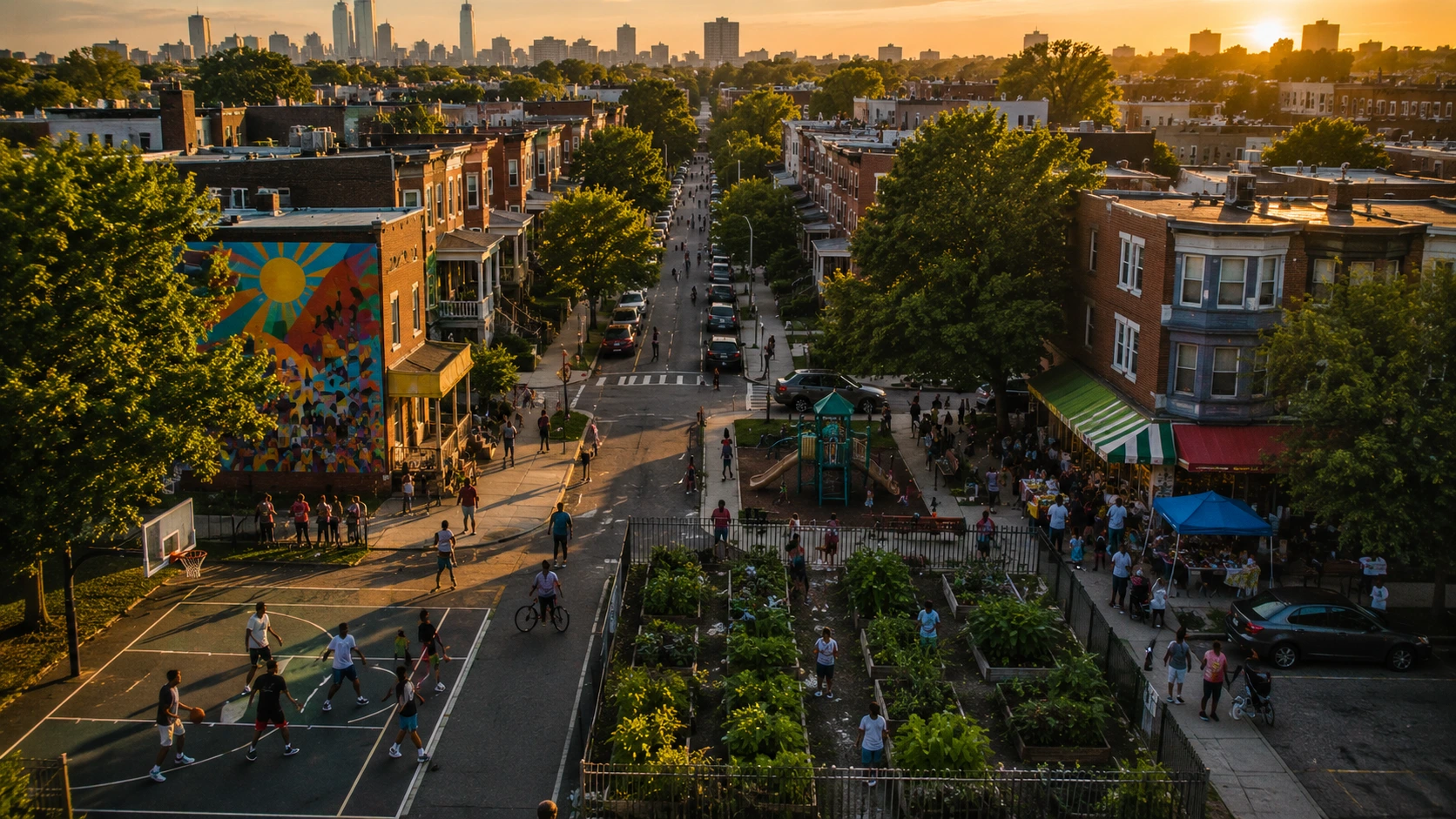
Next in This Collection: Explore the Rest of Beyond Wealth
You have reached the end of the Community collection, but not the end of the bigger conversation about what real wealth means.
The full Beyond Wealth library holds more collections on purpose, family, and the kinds of riches no account can measure.
- Why Community Is Real Wealth
- Building Belonging Where You Are
- The Quiet Power of Showing Up
- Giving Without Keeping Score
- Leaving a Community Stronger — you are here
Dance Mogul Magazine publishes the Beyond Wealth collection for educational and inspirational purposes. It is not financial, legal, tax, medical, or mental-health advice, and it is not a substitute for guidance from a licensed professional who knows your situation. The people described in the examples are composites created for illustration and do not represent real individuals.
© Dance Mogul Magazine. All rights reserved.