
The Craft Behind the Career
Titles come and go. The craft underneath them is the engine that carries everything.
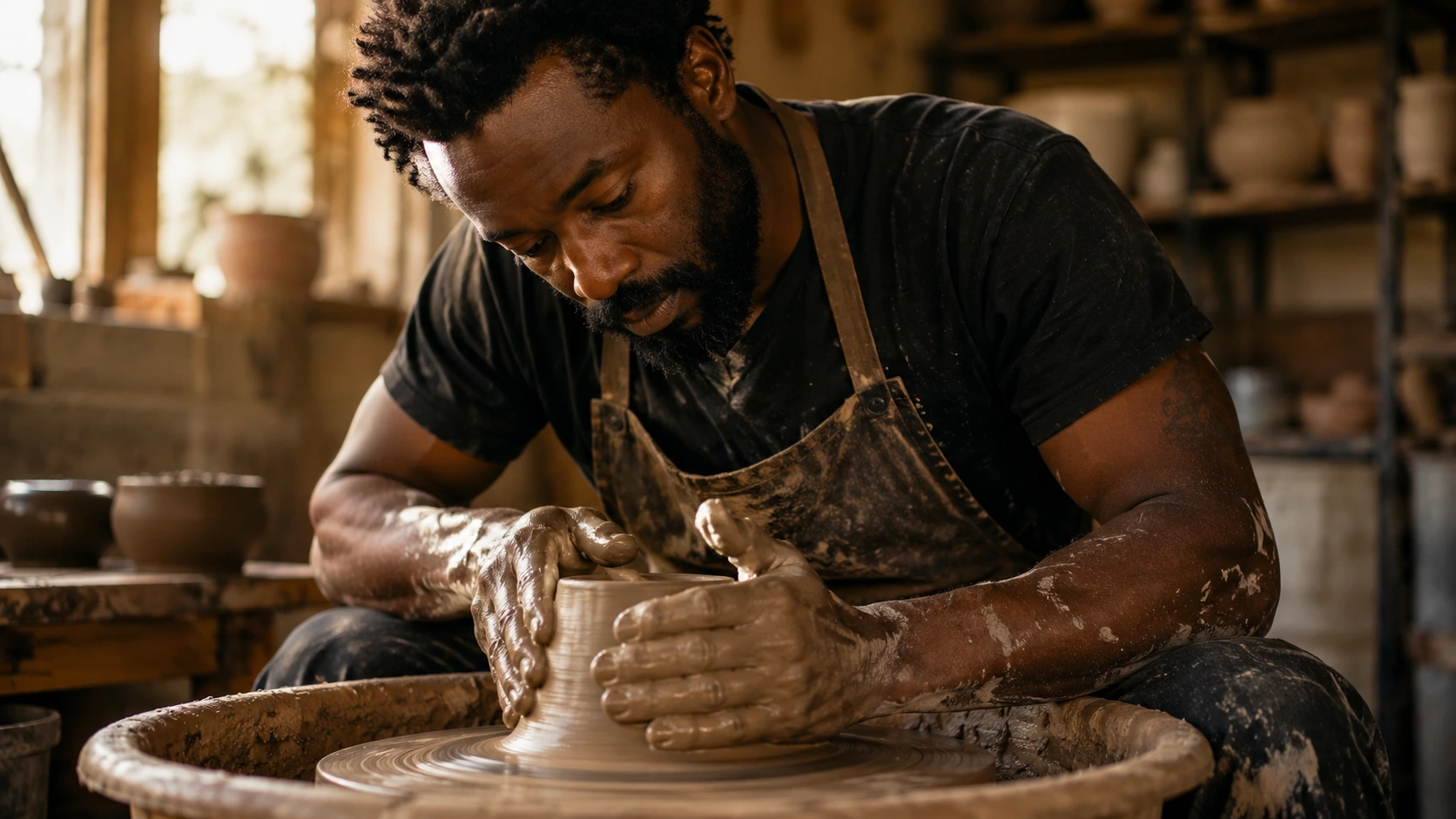
This is a story about craft, and it starts with someone who is very busy and quietly worried they are not actually very good.
Picture a person with a decent title and a full calendar, moving fast, answering messages, managing their image. From the outside it looks like a career. But in an honest moment, they know something uncomfortable: they have gotten good at looking capable without deepening the actual skill underneath.
It is an easy trap. The modern world rewards visibility so richly that it is possible to build a whole career on presentation, with very little craft under it, for a while. But only for a while. Sooner or later, the work itself is what gets tested.
This article is about the thing beneath the title, the craft, and why the people who tend it quietly outlast the people who only manage their image.
Why This Matters Right Now
We are surrounded by messages that say the packaging matters more than the product. Market yourself. Build your brand. Be seen. And there is some truth in it, visibility does matter. But it has crowded out an older, quieter truth: that being genuinely good at the work is the foundation everything else stands on.
When craft is thin, everything built on top of it is fragile. The reputation cracks the first time the work is truly examined. The confidence turns out to be hollow. Meanwhile, the person who quietly got excellent at the actual thing has a security no amount of self-promotion can buy, because their skill speaks before they do.
Craft is the deepest form of career wealth. It cannot be faked for long, it cannot be taken away, and it compounds every year you tend it. The title on your door is borrowed. The skill in your hands is yours.
You can market a weak skill for a while, but you cannot outrun it forever. Sooner or later, the work itself is the test.

From Hustle to Mastery
Most of the exhaustion in modern work comes from one belief: that the way ahead is to hustle harder at being seen, to out-market and out-network everyone else. It is a race that never ends and never feels like enough.
Trade it for something quieter. The most reliable path is not louder hustle, it is deeper mastery. When you are genuinely excellent at the work, you have to chase less, because the work starts drawing opportunity toward you. Craft is a form of gravity.
Defined that way, the goal shifts from being noticed to being good, and the relief is enormous. You stop performing competence and start building it. And built competence, unlike performed competence, only grows stronger under pressure.
Five Ways to Deepen Your Craft
Mastery is not a mystery. It is a set of specific, repeatable practices, the same ones every serious maker eventually learns.
- Practice deliberately, not just busily. Doing the work is not the same as improving at it. Set aside time to work at the edge of your ability, on the hard parts you usually avoid. That is where real skill is built, not in the comfortable repetition of what you can already do.
- Seek feedback that stings a little. Praise feels good but rarely makes you better. Find people who will tell you the truth about your work, and learn to want their honesty. The feedback that is a little hard to hear is usually the feedback that improves you.
- Study the people who are better than you. Take apart the work of the masters in your field. Ask how they do what you cannot yet do. Craft is passed down by close attention to excellence, and there has never been more of it available to study.
- Sweat the details others skip. Mastery lives in the parts most people rush. The finish, the edge case, the last ten percent. Caring about the details no one else notices is often exactly what separates the good from the truly excellent.
- Protect time for deep, uninterrupted work. Craft cannot be built in the cracks between notifications. Guard real blocks of focused time the way you would guard any serious investment, because that is exactly what they are.
Three Beliefs That Keep Skill Shallow
“Talent is enough.”
Talent is a starting point, not a finish line. Nearly everyone who is genuinely excellent got there through years of deliberate work, not raw gift. Relying on talent alone is how naturally able people plateau early and get quietly passed by the ones who kept practicing. The craft is built, not bestowed.
“Once I'm good, I can coast.”
Skill is not a summit you reach and hold, it is a garden that grows over or a muscle that fades. The moment you stop pushing your craft, it begins to soften, and the field keeps moving without you. The people who stay excellent are the ones who never stopped practicing, even after they were already good.
“The craft doesn't matter, marketing does.”
Marketing can get you the first opportunity, but craft is what lets you keep it and build on it. A strong presentation over a weak skill is a short-term win that eventually collapses when the work is examined. Visibility and skill are not enemies, but skill is the foundation, and marketing is the roof, not the other way around.
Three People, Three Quiet Approaches
The following are composites created for illustration — not real individuals — but the situations will feel familiar.
Priya is thirty and great at self-promotion. Her online presence is polished and her network is wide, but her actual work is thin, and she knows it. When a major project finally tests her, the gap shows. Chastened, she spends the next year quietly deepening the craft instead of the brand, and for the first time her confidence has something real underneath it.
Marcus is forty-four and stopped growing a decade ago. He was excellent once and has been coasting on it ever since, assuming skill is permanent. The field moved, and he did not. When he finally returns to deliberate practice, humbled, he rediscovers that craft is a living thing, and within a year he is sharp again, and glad he did not wait longer.
Lena is fifty-eight and still obsessed with the details. Decades in, she still sweats the last ten percent everyone else skips, still asks for hard feedback, still studies people younger than her. She is not the loudest name in her field, but she is one of the most respected, because the work itself is undeniable. The craft made the career.
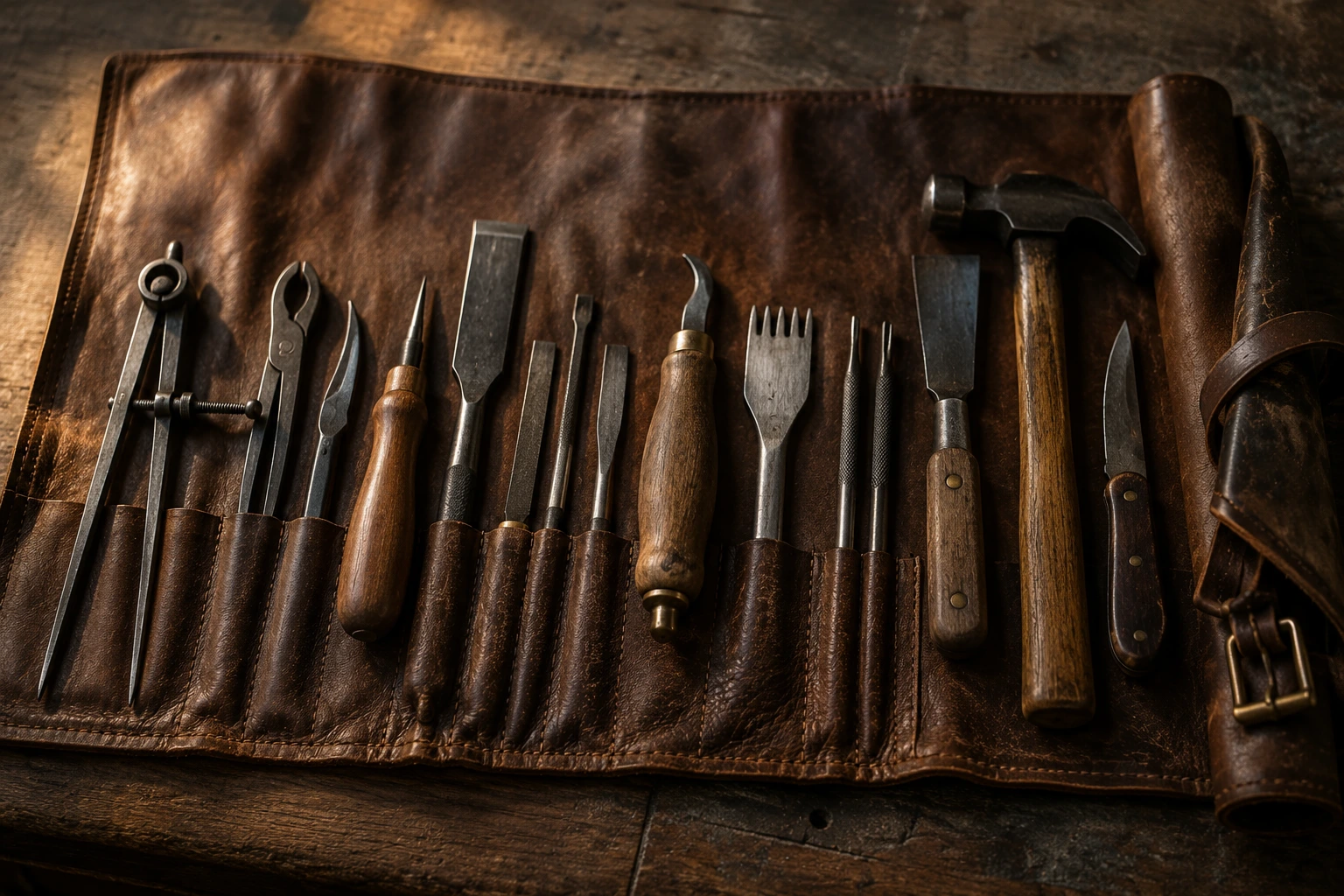
What the Dance Community Already Knows About This
At Dance Mogul Magazine, we watch craft do its quiet work constantly. Audiences remember the electric performance, but every dancer knows it was built in an empty studio, alone, repeating the hard part until the body finally understood it. The magic on stage is just deliberate practice made visible.
Read our exclusive interviews with dancers and the same theme surfaces every time, hours of unglamorous repetition behind every effortless-looking moment. That devotion to the craft itself is the spirit behind the whole Beyond Wealth collection, which values what is built slowly over what is merely shown.
You do not need a stage for this. Whatever your work, the craft beneath it is worth tending like a treasure, because it is one. Dancers simply learned early that the applause is temporary, but the skill you build in the quiet hours is what carries the whole career.
The title on your door is borrowed. The skill in your hands is yours, and it is the one thing no one can take.
Reflection
Take a few quiet minutes with these.
- Am I improving at my actual craft, or just getting better at looking capable?
- When did I last work at the edge of my ability, on the parts I usually avoid?
- Who gives me honest feedback, and do I actually welcome it?
- Whose work, better than mine, could I study more closely?
- Where have I been coasting on skill I built long ago?
- What would it take to protect real, uninterrupted time for deep work?
Talk About It With Your Family
- What craft or skill is each of us quietly proud of building?
- Do we celebrate being seen more than being genuinely good?
- Who could each of us learn a real skill from this year?
- What details do we care about that others tend to skip?
- How can we protect each other's time for deep, focused work?

Your Small Action Step: A Deliberate Practice Plan
Take one page. Name one specific part of your craft you are weakest at, the hard thing you usually route around. Then write one small way you will practice exactly that, deliberately, this week.
Add one person you will ask for honest feedback, and one master whose work you will study. Do not aim to feel impressive. Aim to get a little better at the thing itself.
Key Takeaways
- Craft is the engine under any lasting career; titles are borrowed, skill is yours.
- You can market a weak skill for a while, but the work itself is eventually the test.
- Deliberate practice at the edge of your ability, not busy repetition, builds mastery.
- Seek feedback that stings a little; praise rarely makes you better.
- Talent is a starting point; excellence is built, and it fades if you coast.
- Skill is a form of gravity, it draws opportunity toward you so you chase less.
Frequently Asked Questions
Isn't marketing myself more important than the work these days?
Marketing can win the first opportunity, but craft is what lets you keep and build on it. A strong presentation over a weak skill collapses once the work is examined. Treat skill as the foundation and visibility as the roof, not the reverse.
I'm already good at my job. Do I still need to practice?
Yes. Skill is not a summit you hold, it softens the moment you stop pushing it, and your field keeps moving. The people who stay excellent are the ones who kept practicing deliberately even after they were already good.
What's the difference between practice and just doing my job?
Doing your job is mostly repeating what you can already do. Deliberate practice means working at the edge of your ability, on the hard parts you usually avoid. That discomfort is where real improvement happens; comfortable repetition mostly maintains.
Why does feedback have to be harsh?
It does not have to be harsh, but it does have to be honest. Praise feels good and rarely improves you, while the feedback that is a little hard to hear usually points at exactly what needs work. Learn to want the truth about your craft.
Isn't talent what really separates the great ones?
Talent helps at the start, but it is a poor predictor of who ends up excellent. Almost everyone who is genuinely great got there through years of deliberate work. Relying on talent alone is how naturally able people plateau and get passed.
How do I find time to deepen my craft when I'm slammed?
Protect small, real blocks of focused time and treat them as non-negotiable, the way you would any serious investment. Craft cannot be built in the cracks between notifications. Even a few guarded hours a week, spent deliberately, compound over time.

Next in This Collection: Reputation Is a Kind of Wealth
The Career & Craft path continues, and each piece builds on the last.
The next article, “Reputation Is a Kind of Wealth,” carries the thread forward into the next part of building a working life that matters.
- Building a Career That Lasts
- The Craft Behind the Career — you are here
- Reputation Is a Kind of Wealth
- Growing Through Setbacks
- Work That Outlives You

Dance Mogul Magazine publishes the Beyond Wealth collection for educational and inspirational purposes. It is not financial, legal, tax, medical, or mental-health advice, and it is not a substitute for guidance from a licensed professional who knows your situation. The people described in the examples are composites created for illustration and do not represent real individuals.
© Dance Mogul Magazine. All rights reserved.