
Work That Outlives You
The deepest career wealth is a body of work, and the people you taught, that carry on without you.
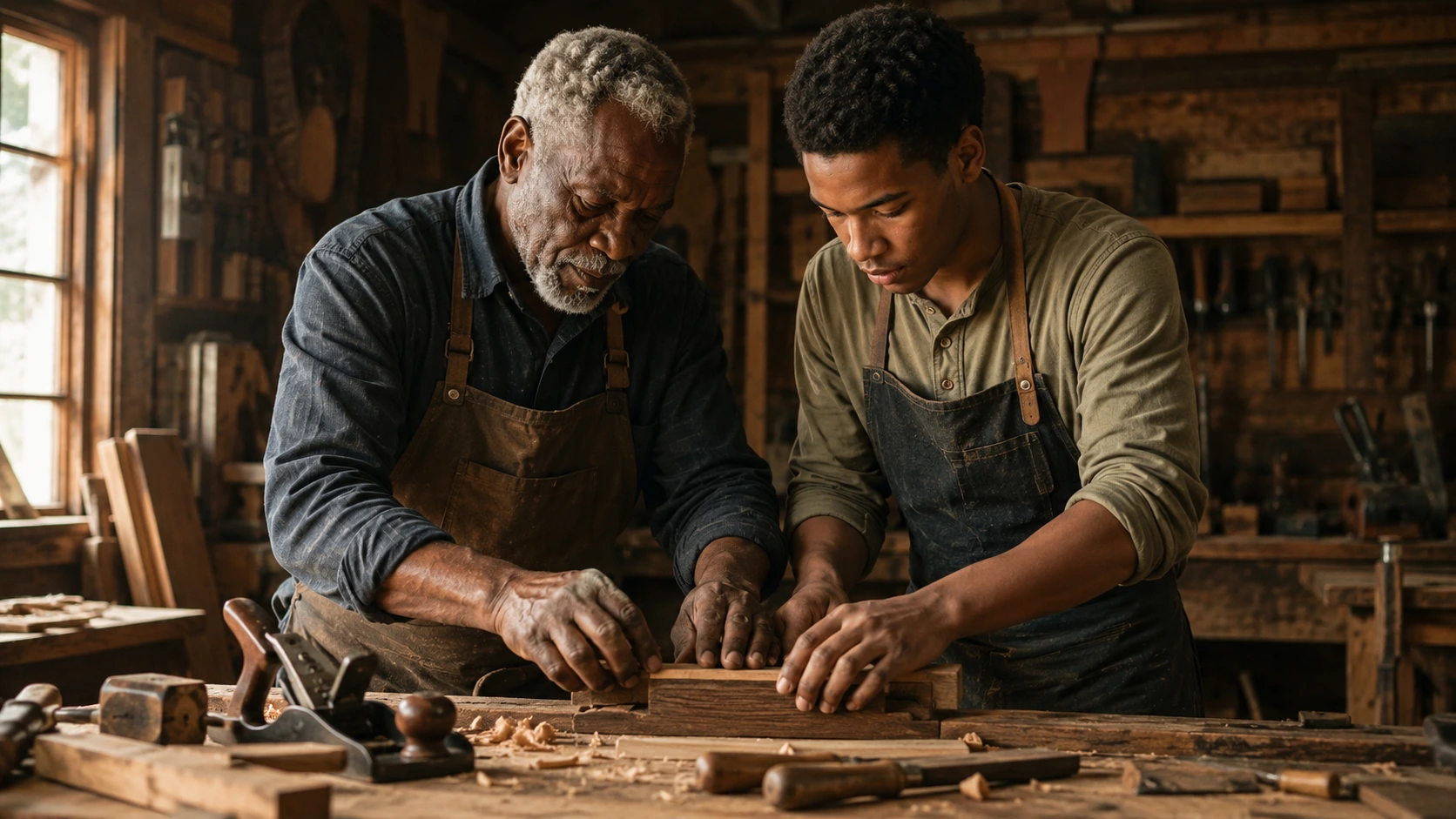
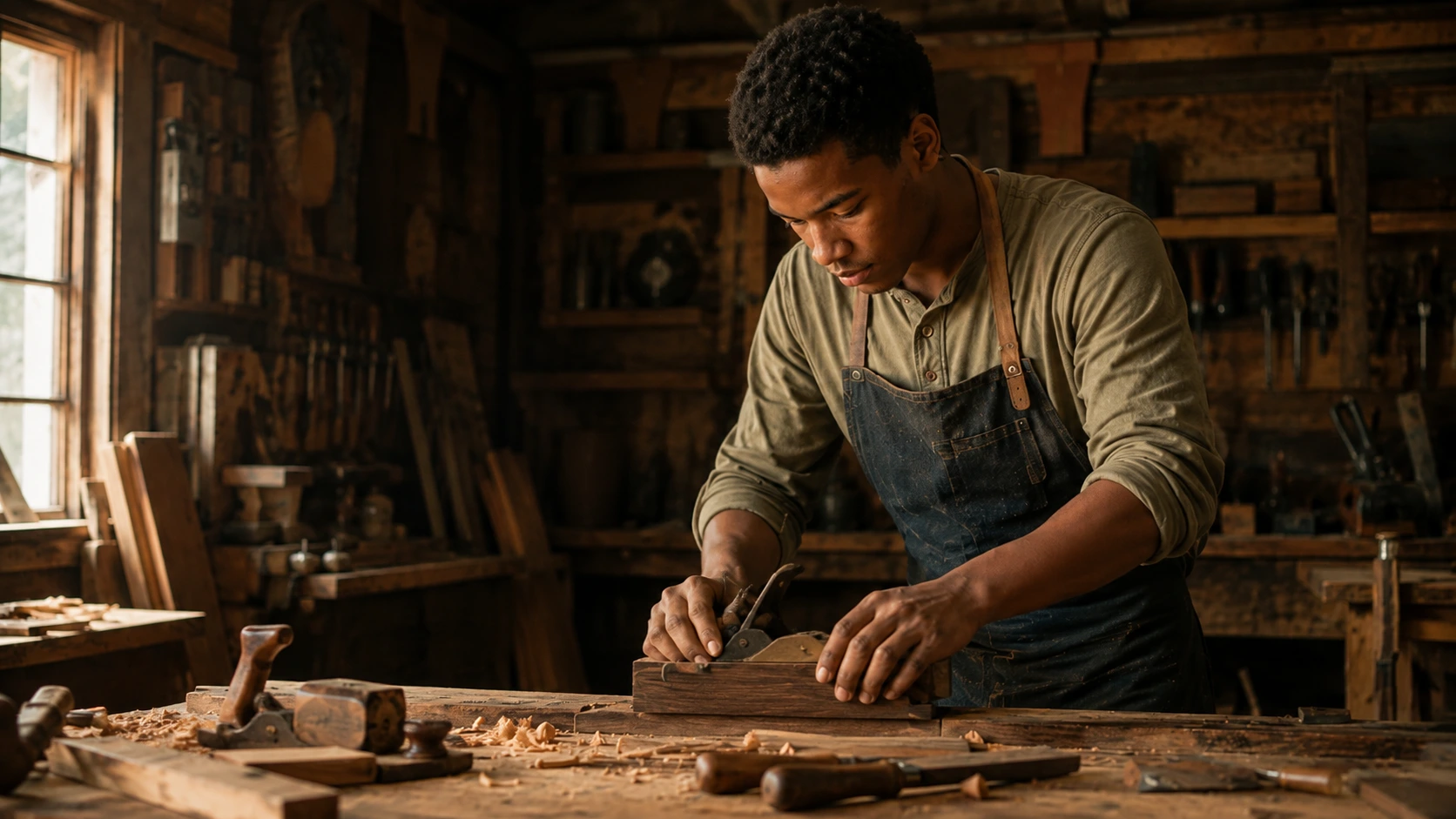
This is a story about work that outlives you, and it starts with two people at one workbench, four hands on a single project.
Picture an aging craftsman and a young apprentice, working side by side. The older one is not just finishing a piece. He is passing something on, the how and the why, the standards, the small hard-won lessons. He knows he will not always be at this bench, and he is making sure the work does not stop when he does.
Most people never think about their work this way. They spend a whole career producing, and then simply stop, leaving nothing behind but the paychecks they already spent. The knowledge in their hands, the standard they held, the wisdom they earned, all of it quietly vanishes with them.
This final article in the collection is about the opposite choice, the choice to build work, and people, that outlast you, so that a career becomes a legacy instead of just a living.
Why This Matters Right Now
We are taught to think about work almost entirely in terms of what we get from it, the income, the title, the security. That framing is not wrong, but it stops short. It treats a career as something you consume rather than something you could leave behind.
And so most careers end with an ending. The person retires or moves on, and the work simply stops, because it was never built to continue and no one was ever brought up to carry it. That is a quiet waste of everything that was learned. Because the deepest satisfaction in a working life, the kind that money never quite delivers, comes from knowing that something you built or taught will keep going after you step away.
There is an urgency here that is easy to miss until late. Every craft, every trade, every body of knowledge survives only because someone chose to pass it on rather than let it die with them. The choice to build work that outlives you is not just personally meaningful. It is how the good things in any field get carried forward at all.
A career is what you earn from the work. A legacy is what the work, and the people you taught, keep giving after you are gone.
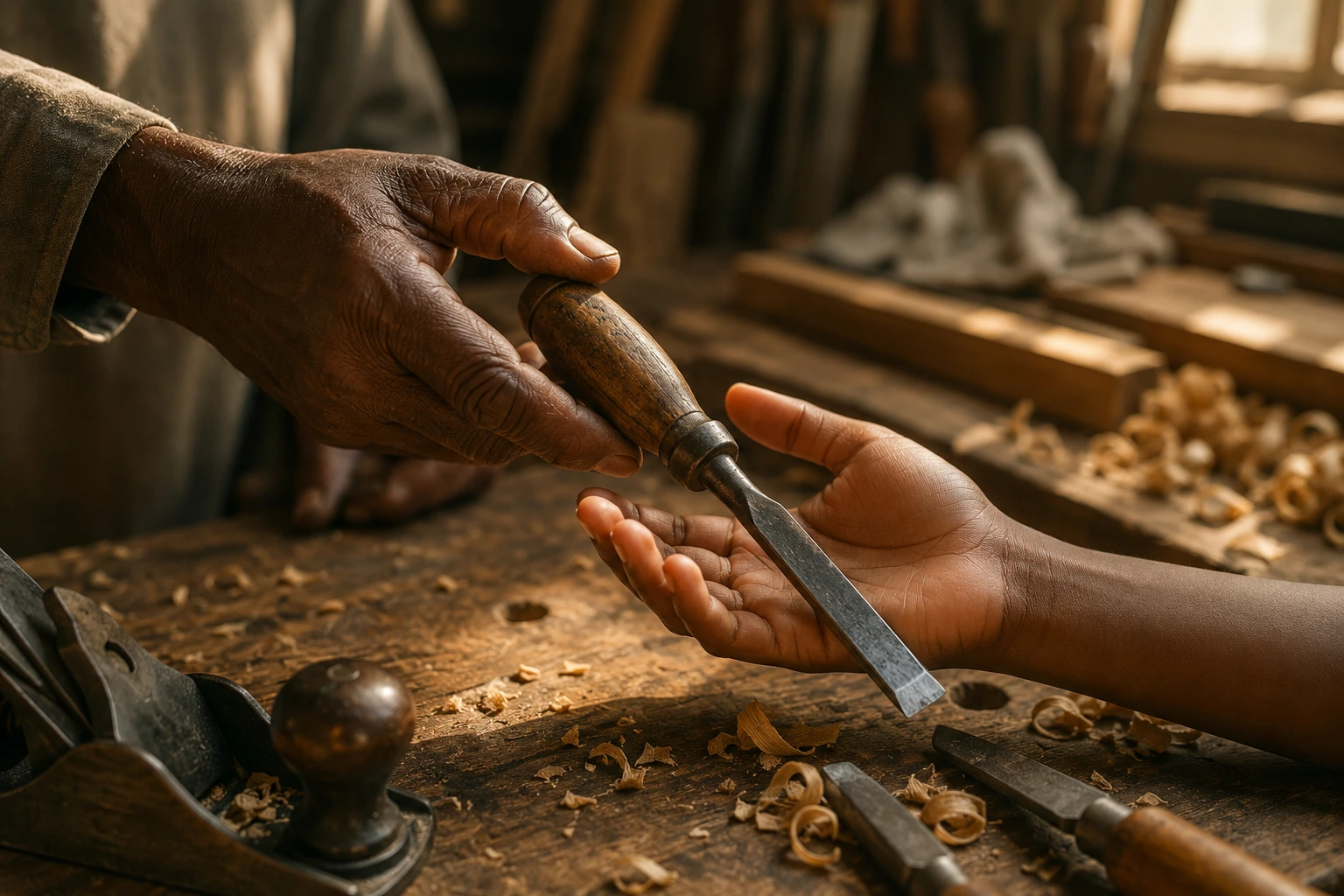
From a Living to a Legacy
Most of the smallness we feel about our work comes from one frame: that a job is just a way to earn a living, a transaction of hours for money that ends the day you stop showing up.
Trade that for a larger one. Your work can be a living and a legacy at the same time. The living is what it pays you now. The legacy is the body of work you leave, the standard you set, and the people you taught to carry it on. One feeds you. The other outlasts you.
Defined that way, even ordinary work takes on weight. The question stops being only what am I earning and becomes also what am I building, and who will carry it when I am done. That question can transform how a whole career feels.
Five Ways to Build Work That Outlives You
Leaving something behind is not luck or fame. It is a set of deliberate choices, made across the ordinary years.
- Build a body of work, not just a string of jobs. Think of your career as an accumulating collection, not a series of disconnected tasks. Aim to leave behind work you are proud of, that adds up to something coherent over time. A body of work is a legacy in itself.
- Document what only you know. Every experienced person carries knowledge in their head that would vanish with them. Write it down, record it, teach it. The hard-won lessons and quiet know-how are exactly the things worth preserving before they are lost.
- Mentor a successor on purpose. Do not wait until you are leaving to think about who comes next. Bring someone up now, share the craft and the standard, and let them work beside you. The people you teach may be the most lasting work you ever do.
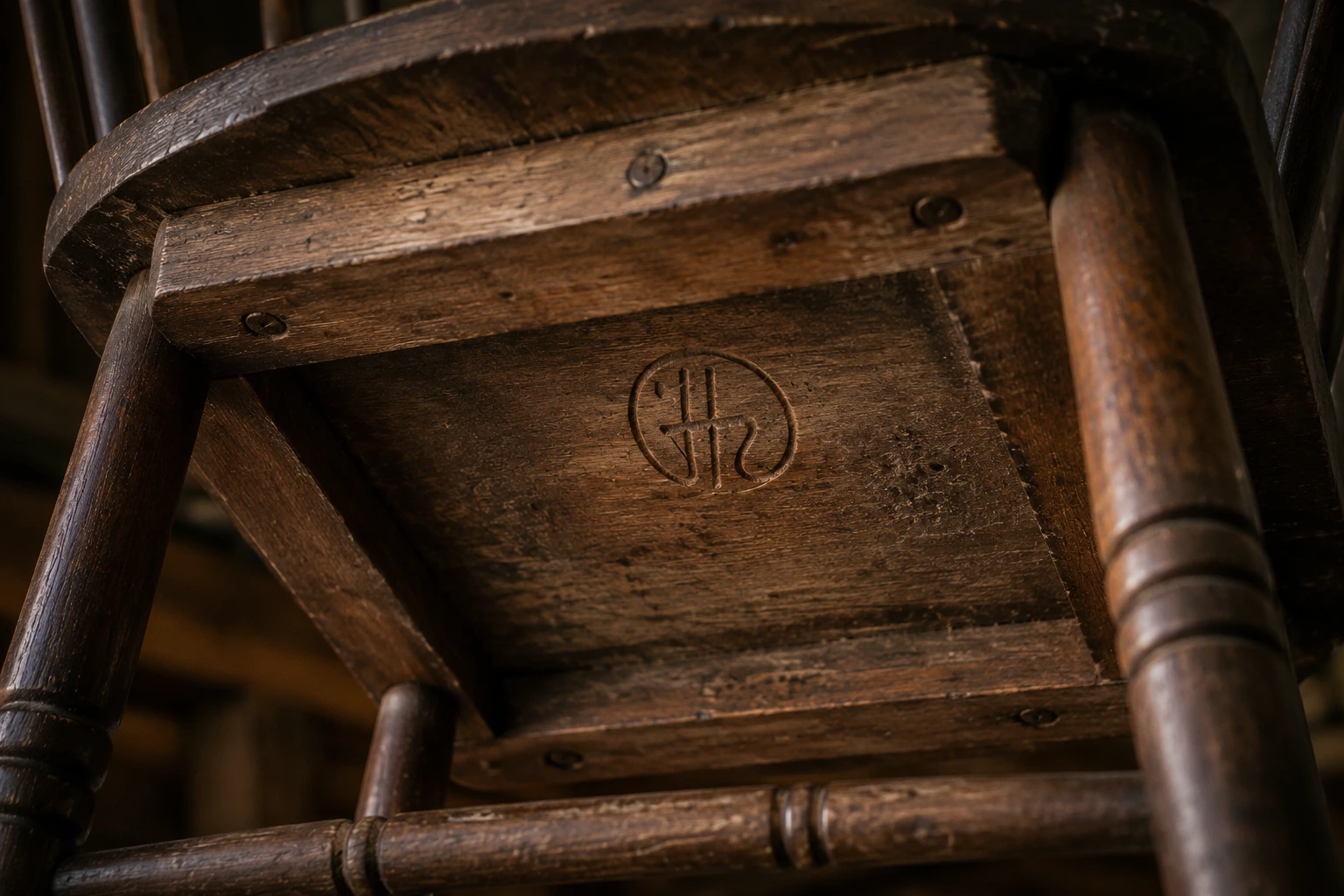
- Take pride, and sign your work. Do the job as if your name is on it, because your legacy is built from the standard you held when no one was watching. Work done with pride outlasts work done merely for the paycheck, and people remember the difference.
- Think in decades, plant for later. Do some work whose payoff you may never personally see, the trained apprentice, the improved practice, the thing built to last. Planting for a harvest you will not reap is legacy in its purest form.
Three Beliefs That Keep Work From Lasting
“Legacy is only for famous or important people.”
Most real legacy is quiet and local, a craft passed to an apprentice, a standard raised in a workplace, a body of honest work that outlives its maker. None of that requires fame. The tradesperson who trained a dozen others leaves a legacy that touches more lives than many famous names. Legacy is about what continues, not how many people know your name.
“I have to build it all myself.”
The opposite is true, work that depends entirely on you dies with you. The most lasting thing you can do is teach others to do what you do, so the craft continues in more hands than your own. Making yourself, in a sense, unnecessary is not a loss. It is how a body of knowledge survives and grows.
“It's too late for me to leave a mark.”
It is rarely too late to begin passing something on. Even near the end of a career, you can document what you know, mentor someone, and set a standard others will carry. Some of the most valuable teaching happens in the final chapters, from people with the most to give. The work you leave can start today, at any age.
Three People, Three Quiet Approaches
The following are composites created for illustration — not real individuals — but the situations will feel familiar.
Rosa is forty-eight and stopped thinking of her job as just a job. She begins treating her career as a body of work, choosing projects that add up to something and keeping a record of her best. Years later she has not just a resume but a coherent legacy she is proud of, and younger colleagues study it to learn how the work is done.
Hector is fifty-six and holds decades of knowledge in his head. Realizing none of it is written anywhere, he starts documenting his craft and teaching two younger workers everything he knows. When he eventually retires, the knowledge does not retire with him. It lives on in the people he taught and the standards he set, still shaping the work long after he is gone.
Amara is sixty-three and near the end of her career. She could coast to the finish, but instead she spends her final years mentoring, planting things whose harvest she will not see. She trains successors, improves how the work is done, and passes on hard-won wisdom. Her last chapter turns out to be her most meaningful, because it is the one that outlasts her.
What the Dance Community Already Knows About This
At Dance Mogul Magazine, this is the deepest story we tell, because dance itself is proof of it. No style survives because one dancer was great. It survives because that dancer taught the next, who taught the next, each passing on the craft and raising the standard, so the tradition outlives every individual who carried it.
The styles and traditions we document are living legacies, bodies of work handed down across generations of hands. That devotion to building something that outlasts you is the heart of the whole Beyond Wealth collection, and where this Career & Craft series has been pointing all along.
You do not need a stage to leave something behind. Whatever your work, you can build it to last and teach someone to carry it. Dancers simply learned early that the greatest artists are the ones who made sure they were not the last, and that the truest career wealth is the work that keeps going without you.
Plant the work whose harvest you will never reap, and teach the hands that will. That is a career becoming a legacy.
Reflection
Take a few quiet minutes with these.
- Does my work add up to a body of work, or just a string of jobs?
- What do I know that would vanish if I never wrote it down or taught it?
- Who could I be bringing up right now to carry the craft forward?
- Am I doing the work with the pride of someone whose name is on it?
- What could I build or plant whose payoff I may never personally see?
- How do I want my work to keep giving after I've stepped away?
Talk About It With Your Family
- What work or knowledge in our family should be passed on and not lost?
- Who are we teaching the things we know how to do?
- What would each of us like to be remembered for building?
- What standard do we want to set that others could carry?
- What could we start now that mostly benefits the people who come after us?
Your Small Action Step: A Body-of-Work Inventory
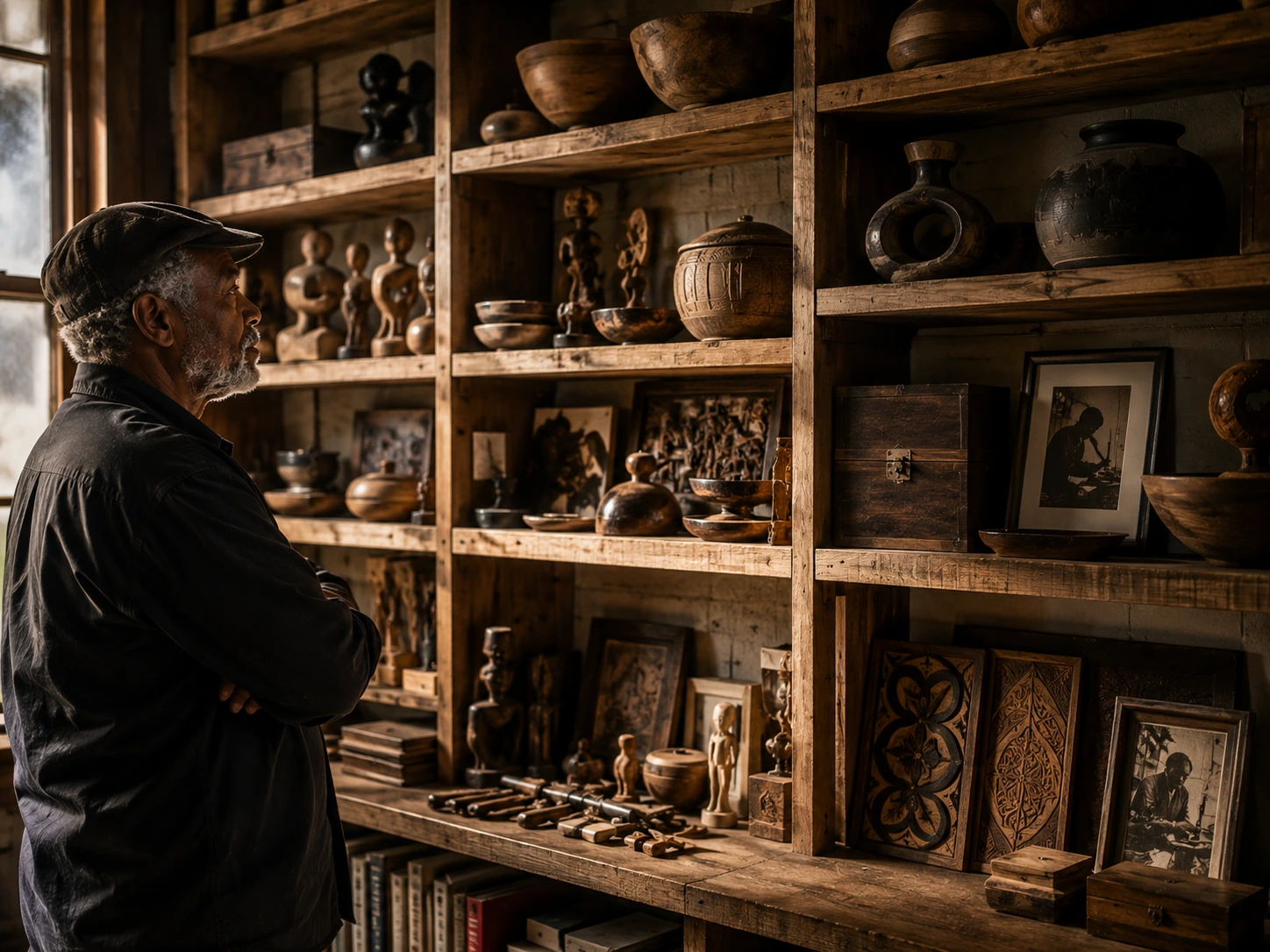
Take one page. List the two or three pieces of work you are most proud of, the beginnings of your body of work. Then write one thing you know that no one else has written down.
Finally, name one person you could begin teaching it to. That is how a career quietly turns into a legacy, one documented lesson and one apprentice at a time.
Key Takeaways
- The deepest career wealth is work, and people you taught, that outlast you.
- Your work can be a living and a legacy at once; one feeds you, the other outlasts you.
- Build a body of work, and document the knowledge that would otherwise vanish.
- Mentor a successor on purpose; the people you teach may be your most lasting work.
- Work that depends entirely on you dies with you; teaching others is how it survives.
- It's rarely too late to start passing something on; plant for a harvest you won't reap.
Frequently Asked Questions
Isn't leaving a legacy only for famous or important people?
No. Most real legacy is quiet and local, a craft passed to an apprentice, a standard raised at work, a body of honest work that outlives its maker. The tradesperson who trained a dozen others leaves a legacy touching more lives than many famous names. It is about what continues, not who knows your name.
How is this different from just having a good career?
A career is what you earn from the work; a legacy is what the work and the people you taught keep giving after you stop. Many careers end with an ending because nothing was built to continue. Building work that outlasts you turns a living into a legacy.
Why should I teach others to do what I do instead of protecting it?
Because work that depends entirely on you dies with you. Teaching others is how a craft survives and grows beyond your own hands. Making yourself, in a sense, unnecessary is not a loss, it is how knowledge gets carried forward at all.
What does 'plant for a harvest you won't reap' actually mean?
It means doing some work whose main payoff goes to those who come after, a trained successor, an improved practice, something built to last. It is legacy stripped of ego, because you will not be around to enjoy the reward, which is exactly what makes it powerful.
I'm near the end of my career. Is it too late to leave a mark?
Almost never. You can still document what you know, mentor someone, and set a standard others will carry. Some of the most valuable teaching happens in the final chapters, from people with the most to give. The work you leave can begin today.
How does this tie the whole Career & Craft collection together?
It is where the series was headed all along. Building a lasting career, deepening your craft, earning a good reputation, and growing through setbacks all become legacy when you build the work to last and teach someone to carry it. Work that outlives you is what all of it adds up to.
Next in This Collection: Explore the Rest of Beyond Wealth
You have reached the end of the Career & Craft collection, but not the end of the bigger conversation about what real wealth means.
The full Beyond Wealth library holds more collections on family, purpose, community, and the kinds of riches no account can measure.
- Building a Career That Lasts
- The Craft Behind the Career
- Reputation Is a Kind of Wealth
- Growing Through Setbacks
- Work That Outlives You — you are here

Dance Mogul Magazine publishes the Beyond Wealth collection for educational and inspirational purposes. It is not financial, legal, tax, medical, or mental-health advice, and it is not a substitute for guidance from a licensed professional who knows your situation. The people described in the examples are composites created for illustration and do not represent real individuals.
© Dance Mogul Magazine. All rights reserved.