
What Legacy Really Means
Long before it is about an estate, legacy is about everything that keeps going because you were here.

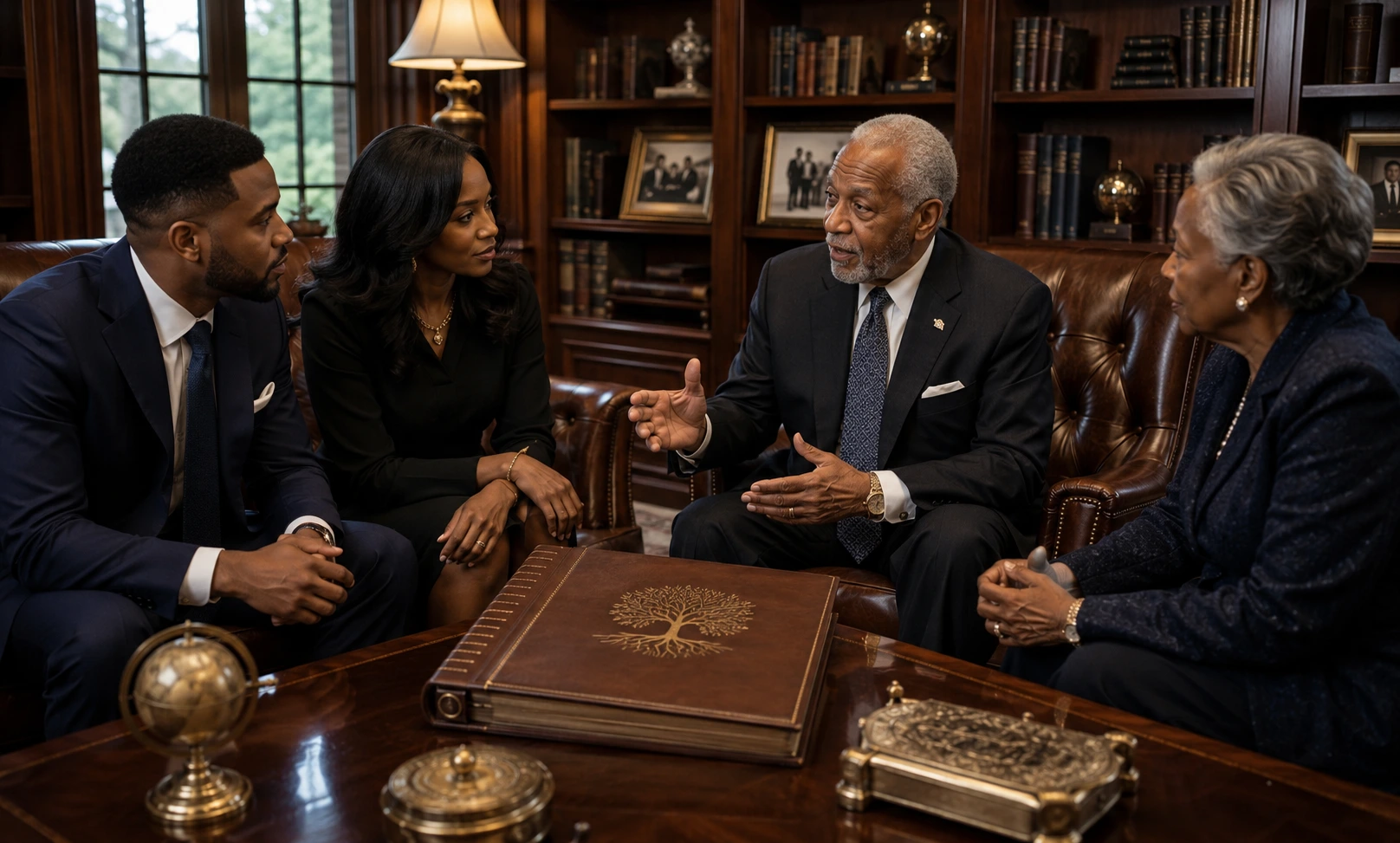
This is a story about what legacy really means, and it begins with three generations on a couch, turning the pages of an old photo album.
A child points at a face they do not recognize and asks who that is. And the grandmother begins to talk, not about money or property, but about a person, how they laughed, what they believed, the sayings they repeated, the way they treated people. The room goes quiet and warm.
That moment is legacy. Not a will, not an inheritance, but a life still being felt in a living room decades later. The photograph is just paper. What fills the room is everything that person passed on without ever writing it down.
We tend to think legacy is a matter for the wealthy and the old, something handled by lawyers at the end. This article is about the larger, truer meaning, the one that belongs to everyone.
Why This Matters Right Now
The word legacy has been quietly captured by money. We hear it and picture estates, wills, and inheritances, the concerns of the rich. That framing shrinks one of the most important ideas a person can hold, and convinces most people it does not apply to them.
But everyone leaves a legacy, whether they plan one or not. The values you modeled, the people you shaped, the stories you told, the example you set, all of it continues after you in ways no bank account can measure. The only real question is not whether you will leave a legacy, but what kind.
And that reframing changes how you live now. When you understand that your legacy is being built every day, in how you treat people and what you pass on, the ordinary choices take on weight. Legacy stops being a document you sign at the end and becomes a life you are living right now.
Everyone leaves a legacy, whether they plan one or not. The only question is what kind.
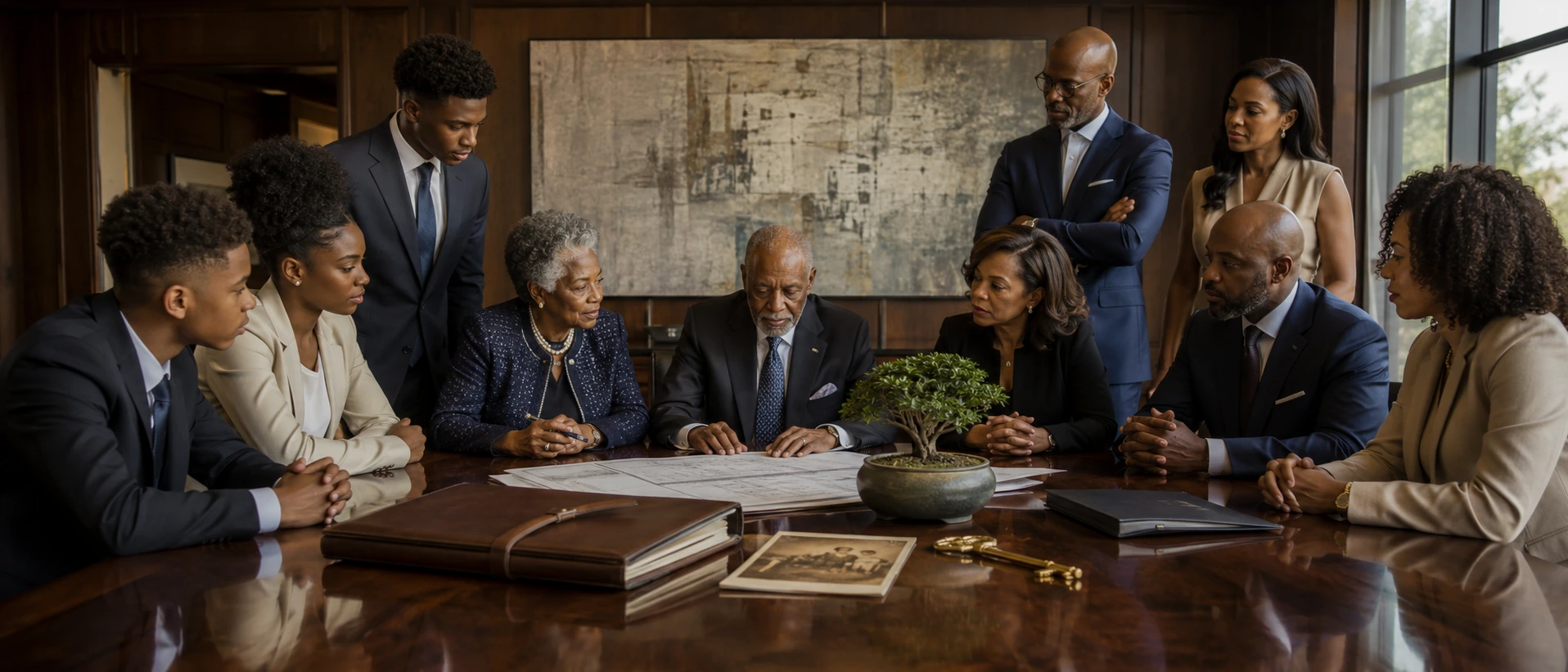
From Estate to Everything You Leave
Most of the smallness people feel about legacy comes from one narrow definition, that legacy is your estate, the sum of what is in your accounts and property when you die. By that measure, most people conclude they have little to leave.
Trade it for a fuller one. Your legacy is everything that continues because you lived, the values you passed on, the skills you taught, the stories you told, the love you gave, the people you shaped. Money is only the smallest and most temporary part of it.
Defined that way, everyone has a rich legacy to leave, and everyone is already leaving it. The question shifts from how much is in the account to what am I passing on, and that is a question anyone, at any age or income, can answer well.
Five Ways to Build a Legacy Worth Leaving
A meaningful legacy is not left in a single document. It is built, quietly, through the way you live and what you deliberately pass on.
- Live values worth copying. The most powerful thing you pass on is your example. Long after your words are forgotten, people carry how you treated them and what you stood for. Live the values you hope will outlast you, because that is exactly what they will do.
- Teach what you know. Every person carries skills and knowledge that can be handed on. Teach a child to cook, a young worker your trade, a neighbor what you have learned. Knowledge passed on is a legacy that keeps giving in other hands.
- Tell your stories. Your family history, your hard lessons, your memories, these vanish unless you tell them. Share them at the table, record them, write them down. Stories are how a family remembers who it is.
- Invest in people. The most lasting legacy is almost always other people, the ones you mentored, encouraged, and believed in. Pour into people, and your influence continues through every life they go on to touch.
- Decide what you want to be remembered for. Ask yourself honestly how you hope to be remembered, and then live toward that answer. A legacy lived on purpose is far richer than one left to chance.
Three Beliefs That Shrink a Legacy
“Legacy is only for the wealthy or famous.”
The most treasured legacies are rarely financial or famous. They are the grandmother's faith, the father's work ethic, the teacher's encouragement, the quiet example that shaped a whole family line. You do not need wealth or a name to leave something that outlasts you, you only need to live in a way worth remembering and pass it on.
“Legacy is only what you leave when you die.”
Legacy is not a final act, it is a lifelong one. Every day you are already shaping how you will be remembered, through the people you influence and the values you model. Thinking of legacy only as an end-of-life matter causes people to postpone the very things that build it. It is being written now, in how you live.
“It's too early, or too late, to think about it.”
It is never too early to start living intentionally, and it is never too late to begin passing things on. A young person can start building a legacy of character today, and an elder can start recording stories and teaching this afternoon. The best legacies are built over a lifetime, but they can be started, or deepened, at any point in it.
Three People, Three Kinds of Legacy
The following are composites created for illustration — not real individuals — but the situations will feel familiar.
Esther is remembered for a recipe and a phrase. She left no fortune, but decades on, her family still cooks her Sunday dish and repeats the saying she lived by. Her real estate was a set of values and traditions, and they have outlasted anything money could have bought. Her grandchildren are shaped by a woman some of them never met.
Raymond was wealthy, but that is not what endured. The money he left was spent within a generation, as money usually is. What actually endured was his reputation for honesty, the way he treated working people with respect, the example that his children built their own lives around. His true inheritance was his character, and it compounded long after the accounts were empty.
Dawn is thirty-four and starting on purpose. She realized her legacy is being built right now, in how she raises her kids and treats her community, not in some distant will. So she started living deliberately, modeling the values she wants to pass on. Her legacy is decades from its full shape, but it is already unmistakably underway.

What the Dance Community Already Knows About This
At Dance Mogul Magazine, legacy is the story we understand best, because dance is a living proof of it. No style survives in a bank. It survives because one dancer taught the next, passing on not just steps but spirit, standards, and history, so that a tradition outlives every individual who carried it.
The styles and traditions we document are legacies in motion, handed from body to body across generations. That same belief, that what you pass on matters more than what you accumulate, runs through the whole Beyond Wealth collection.
You do not need a stage to leave a legacy. Whatever your life, you are passing something on, and you get to choose what. Dancers simply learned early that the most important things are not owned but handed forward, and that a legacy well lived can outlast every name that carried it.
Money is the smallest and most temporary part of what you leave. The values, stories, and people are the rest, and they last.
Reflection
Take a few quiet minutes with these.
- How do I hope to be remembered by the people who know me?
- What values am I modeling, whether I mean to or not?
- What do I know that I could be teaching someone?
- Whose life am I currently pouring into?
- What stories in my family would be lost if I did not tell them?
- Am I living toward the legacy I actually want to leave?
Talk About It With Your Family
- What do we most want to be remembered for as a family?
- What values were passed down to us that we want to keep passing on?
- Whose legacy in our family do we most admire, and why?
- What skills or stories should not be allowed to disappear?
- How are we building our legacy in the way we live right now?

Your Small Action Step: A Legacy Definition
Take one page. Write, in a sentence or two, how you most want to be remembered, not the accomplishments, but the character and the impact.
Then list three things you could pass on that are not money, a value, a skill, a story, and one small way you will begin passing each one on. That page is the first draft of a legacy lived on purpose.
Key Takeaways
- Legacy is everything that continues because you lived, not just your estate.
- Everyone leaves a legacy; the only question is what kind.
- The most treasured legacies are values, stories, skills, and people, not money.
- Your legacy is being built right now, in how you live and what you pass on.
- It's never too early to start living intentionally, or too late to start passing things on.
- Decide how you want to be remembered, then live toward that answer.
Frequently Asked Questions
Isn't legacy really just about money and inheritance?
Money is the smallest and most temporary part of a legacy. The things people treasure most, values, stories, skills, and character, are not financial at all. Estates get spent within a generation, but a strong example or a passed-down value can shape a family line for decades.
Do I need to be wealthy or accomplished to leave a legacy?
Not at all. The most powerful legacies are usually the quiet ones, a grandparent's faith, a parent's work ethic, a mentor's encouragement. You do not need wealth or fame, only a life worth remembering and the intention to pass something on.
Isn't legacy something to think about near the end of life?
Legacy is a lifelong act, not a final one. You are shaping how you will be remembered every day, through the people you influence and the values you model. Treating it as an end-of-life matter causes people to postpone the very things that build it.
What's the difference between legacy and just an estate?
An estate is what is in your accounts and property when you die. A legacy is everything that continues because you lived, the values, stories, skills, and people you shaped. The estate is the smallest part; the legacy is the whole of your lasting influence.
How do I start building a legacy on purpose?
Begin by deciding how you want to be remembered, then live toward it. Model the values you want to pass on, teach what you know, tell your stories, and invest in people. A legacy lived deliberately is far richer than one left to chance.
Can I still build a good legacy if I got a late start?
Yes. It is never too late to begin passing things on, recording stories, teaching skills, modeling character. Some of the most meaningful legacy work happens in the later chapters, from people with the most to give. What matters is starting from wherever you are.
Next in This Collection: Passing On More Than Money
The Legacy & Estate path continues, and each piece builds on the last.
The next article, “Passing On More Than Money,” carries the thread forward.
- What Legacy Really Means — you are here
- Passing On More Than Money
- Getting Your Affairs in Order
- Telling Your Family Story
- The Legacy You Live Now

Dance Mogul Magazine publishes the Beyond Wealth collection for educational and inspirational purposes. It is not financial, legal, tax, medical, or mental-health advice, and it is not a substitute for guidance from a licensed professional who knows your situation. The people described in the examples are composites created for illustration and do not represent real individuals.
© Dance Mogul Magazine. All rights reserved.