
How to Find Your Purpose
It rarely arrives like a lightning bolt — and it does not have to.
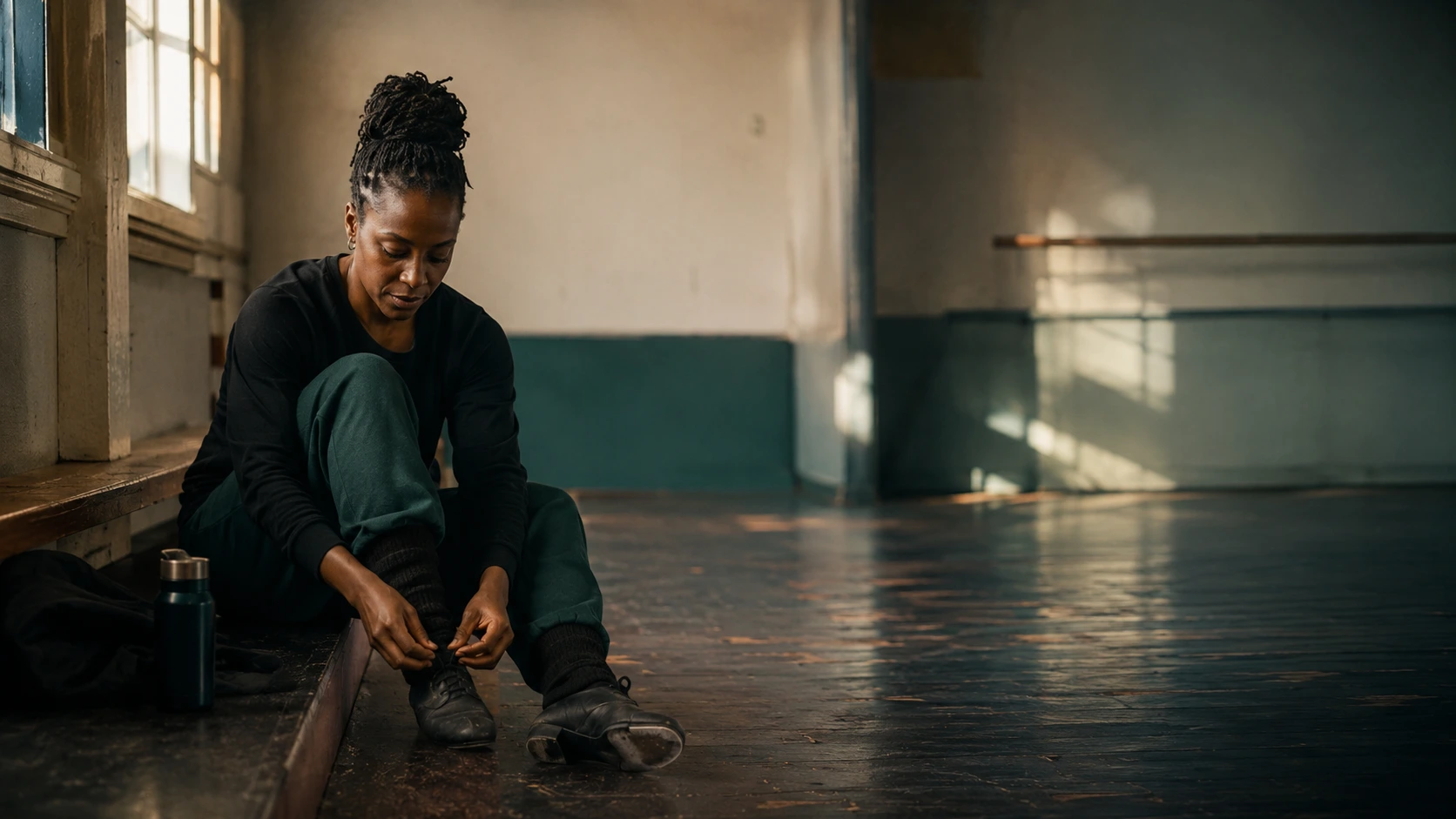
This is really a story about how to find your purpose, though it starts on an ordinary Tuesday with nothing dramatic happening at all.
Picture someone standing at the kitchen window before the rest of the house wakes up. The coffee is cooling. A quiet list of the day’s small duties is already forming. And underneath all of it, a question that has been circling for a while: is any of this actually for something?
Nobody handed this person a grand assignment. No sign appeared in the sky. They are simply tired of doing things that feel busy but not meaningful, and they have started to wonder whether purpose is something other people were given and they somehow missed.
They did not miss it. They have just been looking for the wrong thing in the wrong place.
Why This Matters Right Now
We are taught to expect purpose to arrive like weather. Sudden, obvious, impossible to miss. A calling that strikes and changes everything in a single afternoon.
For a few people it does happen that way. For most of us it does not, and waiting for the lightning becomes its own quiet trap. We postpone meaningful choices because we are still waiting to feel certain. Meanwhile the ordinary days go by, and the things we actually care about stay unnamed.
Here is a gentler and more accurate idea. Purpose is usually discovered slowly, in the things you keep returning to when nobody is making you. It is less a bolt of lightning and more a small flame you learn to keep lit.
Purpose is not found in a single moment of clarity. It is built in the small, repeated things you already return to.
A Bigger, Kinder Definition
Most of the pressure around purpose comes from one hidden assumption: that a purpose has to be one enormous mission, chosen once and pursued forever. That definition is heavy enough to stop almost anyone.
So let us trade it for a lighter one. Purpose is a direction you can lean toward, expressed through ordinary attention. It is not a destination you finally arrive at. It is the way you keep pointing yourself whenever you have a choice about where to look.
Defined that way, purpose stops being a prize for the lucky and becomes a practice available to anyone, today, with whatever they already have.
Five Small Ways to Begin
You do not need a retreat or a five-year plan. You need a little honest attention, five times over.
- Notice what you return to. What do you drift back to when the day is finally your own? That pull is data, not a distraction.
- Follow the quiet energy, not only the loud excitement. Purpose often feels less like thrill and more like being at home in yourself.
- Ask which problem you cannot stop caring about. The thing that keeps bothering you is often pointing at the thing you are meant to tend.
- Do one small thing in that direction this week. One conversation, one hour, one attempt. Action teaches faster than reflection.
- Let it change. A direction you can revise is far more useful than a mission you are afraid to test.
Three Beliefs That Keep People Waiting
“My purpose has to be big.”
It is easy to believe a purpose only counts if strangers can see it. That belief makes sense in a world that celebrates scale. But raising a child with care, keeping a scattered family in touch, or teaching one skill well are real purposes with real weight. The size of the audience is not the measure of the meaning.
“I should already know by now.”
If everyone around you seems certain, it is natural to feel behind. Most of that certainty is quieter and less settled than it looks from outside. Many people find their clearest sense of purpose later, once they have lived enough to know what they keep coming back to. Arriving late is not the same as arriving wrong.
“Purpose has to be my job.”
When work and meaning line up, that is a gift. When they do not, it is not a failure. A steady job can protect and fund a purpose you carry somewhere else entirely. We will spend a whole article on that later in this collection, so hold the tension gently for now.
Three People, Three Quiet Beginnings
The following are composites created for illustration — not real individuals — but the situations will feel familiar.
Devon is twenty-nine and keeps circling back to teaching. He is not sure it is his purpose, so instead of waiting to be certain, he offers to tutor two kids at his church on Saturdays. Within a month he notices he plans those hours more carefully than his paid job. That noticing is the beginning of an answer.
Renee is forty-four and tired of work that pays well and means little. She cannot afford to quit, so she does something smaller. She gives one evening a week to a community garden. Her income does not change, but a part of her that had gone quiet starts speaking again, and it slowly reshapes what she looks for next.
Marcus is sixty-two and newly retired. He assumed his sense of purpose retired with him. Then a younger neighbour asks him to explain how he fixed things for a living. He starts writing it down, then recording it. What felt like the end of usefulness becomes the start of passing something on.

What the Dance Community Already Knows About This
At Dance Mogul Magazine, we have interviewed enough dancers and choreographers to notice something about how a calling actually forms. Almost none of them describe a single lightning-bolt moment. They describe showing up to class, again and again, until the thing they returned to became the thing they were for.
A dancer’s purpose is not announced. It is practiced into being, one ordinary rehearsal at a time. The styles and traditions we document survive precisely because artists treated a daily discipline as something worth keeping, long before anyone called it a career. That same steady attention lives inside our family and goal-setting workbooks, which were built for exactly this kind of small, repeatable practice.
You do not have to be an artist for this to apply to you. Whatever you keep returning to — a craft, a cause, or a person you keep showing up for — is worth taking seriously as a clue. Dancers simply learned early that a calling is built, not delivered.
A purpose you practice quietly today becomes the thing someone else inherits tomorrow.
Reflection
Take a few quiet minutes with these.
- What do I return to when the day finally belongs to me?
- Which problem do I keep caring about, even when no one asks me to?
- When have I felt most like myself, and what was I doing?
- What small thing could I do this week in that direction?
- Whose life would be a little better if I leaned toward it?
- What have I been waiting to feel certain about before I begin?
Talk About It With Your Family
- What does a meaningful life look like to each of us?
- What is each person quietly good at that the family relies on?
- What is one thing we care about that we could do together?
- What did the people before us seem to be for?
- How could we make room for one person’s calling this year?

Your Small Action Step: A Purpose Inventory
Take one page. Write three short lists. First, five things you return to. Second, three problems you keep caring about. Third, one small step you could take this week toward any of them.
Do not grade the page. Just keep it where you will see it, and let this month show you which line has the most life in it.
Key Takeaways
- Purpose rarely arrives as a single dramatic moment; it is built in the small, repeated things you already return to.
- A purpose does not have to be large or public to be real.
- It is never too late, and you can hold more than one at a time.
- Your job and your purpose do not have to be the same thing.
- Action reveals direction faster than waiting for certainty.
- A purpose practiced quietly today is what someone else inherits tomorrow.
Frequently Asked Questions
Do I have to know my purpose before I can start living it?
No. You can move toward a direction long before you can name it. Taking small steps is usually how the direction becomes clear. Waiting for total certainty tends to keep people stuck, while acting in a rough direction gives you real information to adjust with.
What if my purpose feels too small to matter?
A purpose does not have to be large to be real. Raising a child well, keeping a family connected, or teaching one skill well are all genuine purposes. The size of the audience is not the measure of the meaning.
Is it too late to find my purpose?
No. Purpose is not reserved for the young. Many people find their clearest sense of it later, once they have lived enough to know what they keep returning to. Every stage of life still offers a direction to lean toward.
Can I have more than one purpose?
Yes. Most people carry several at once, and they shift over time. You might have a purpose at home, another in your work, and another in your community. They do not compete so much as take turns.
What if my job has nothing to do with my purpose?
That is common, and it does not mean you have failed. A job can fund and protect a purpose you pursue elsewhere, and many people find small ways to bring meaning into the work itself. Later articles in this collection look at exactly that.
How do I know if something is really my purpose?
Notice what you return to when nobody is making you, what problems you cannot stop caring about, and what leaves you feeling more like yourself afterward. Those quiet signals are more reliable than a single dramatic feeling.

Next in This Collection: How to Find Meaning in Life
If purpose is a direction you lean toward, the next question follows close behind: where do you find the clues?
The next article, “How to Find Meaning in Life,” looks at how meaning is usually hiding in plain sight — in what you already love, already notice, and already return to — and how to read those clues on purpose instead of by accident.
- How to Find Your Purpose — you are here
- How to Find Meaning in Life
- Finding Meaning in Work
- Living a Life of Purpose
- Leaving a Legacy of Purpose
Dance Mogul Magazine publishes the Beyond Wealth collection for educational and inspirational purposes. It is not financial, legal, tax, medical, or mental-health advice, and it is not a substitute for guidance from a licensed professional who knows your situation. The people described in the examples are composites created for illustration and do not represent real individuals.
© Dance Mogul Magazine. All rights reserved.